Quick Navigation
- What Makes Shoyu Ramen, Well, Shoyu Ramen?
- The Foundation: Building an Unforgettable Broth
- The Soul: Crafting the Perfect Shoyu Tare
- The Backbone: Homemade Ramen Noodles
- The Jewels: Toppings That Make the Bowl
- The Grand Finale: Assembling Your Bowl of Shoyu Ramen
- Your Shoyu Ramen Recipe Questions, Answered
- Making It Yours: The Final Word
Let's be real. After that first incredible bowl of shoyu ramen at a proper shop—the steam hitting your face, the deep savory aroma, the perfect bite of the noodle—you get this crazy idea. "I could make this at home." Then you look up a few recipes, see words like "double broth," "kansui," and "12-hour simmer," and the dream fades fast. It feels like alchemy, a secret kept behind kitchen doors.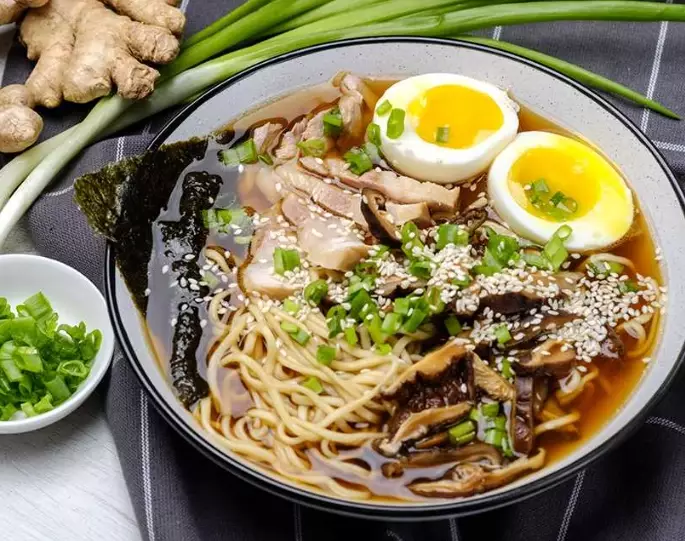
I've been there. My first attempt was a salty, murky mess. The noodles were gluey, the egg was solid, and the chashu was tough. But after years of trial, error, and talking to anyone who would listen (including a ramen chef who gave me a few sideways glances but shared priceless tips), I've cracked the code. Making a truly great shoyu ramen recipe at home isn't just possible; it's one of the most rewarding cooking projects you can tackle. It's about understanding the parts, respecting the process, and then making it your own. This isn't a 15-minute hack. This is the real deal, broken down so you can build it up.
We're going to walk through every single component. No skipping steps. By the end, you'll know not just the "how," but the "why." And that bowl you slurp down? It'll be yours.
What Makes Shoyu Ramen, Well, Shoyu Ramen?
Before we dive into pots and pans, let's get our heads straight on what we're aiming for. Shoyu means soy sauce in Japanese. In ramen world, it refers to a clear, brown broth that gets its primary seasoning and color from—you guessed it—soy sauce. But it's so much more than just adding a splash of Kikkoman to chicken soup.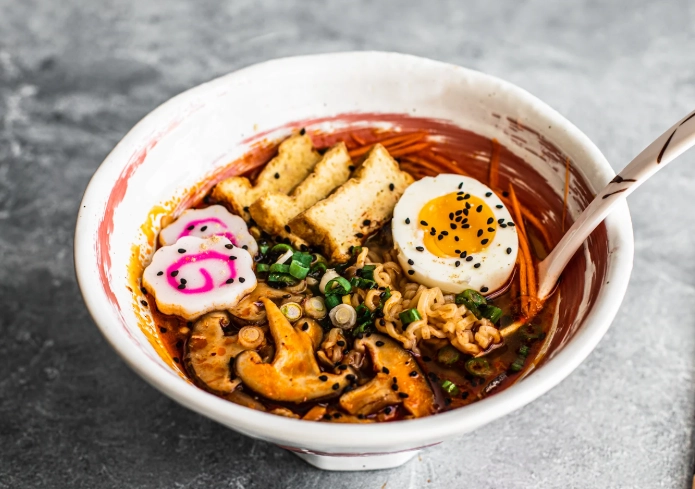
The soul of a great shoyu ramen is balance. It's a dance between the rich, umami-packed broth (usually chicken or a chicken-and-pork combo) and the complex, salty-sweet fragrance of a good tare (seasoning sauce). The soy sauce isn't just a salty note; it provides a rounded depth that complements the broth without overpowering it. It should be clear, refined, and deeply savory, letting the purity of the broth shine through. Think of it as the elegant, less creamy cousin to tonkotsu.
Quick Take: Shoyu ramen is characterized by a clear, amber-colored broth seasoned primarily with a soy sauce-based *tare*. The flavor profile is umami-forward, savory, and often has a subtle sweetness, with a cleaner mouthfeel compared to milky, pork-bone-based broths.
The Foundation: Building an Unforgettable Broth
This is where the magic starts, and where most shortcuts fail. The broth is the heart, the soul, the very reason you're doing this. For an authentic shoyu ramen experience, we're making a double broth (niboshi dashi + meat broth). It sounds fancy, but it's just layering flavors.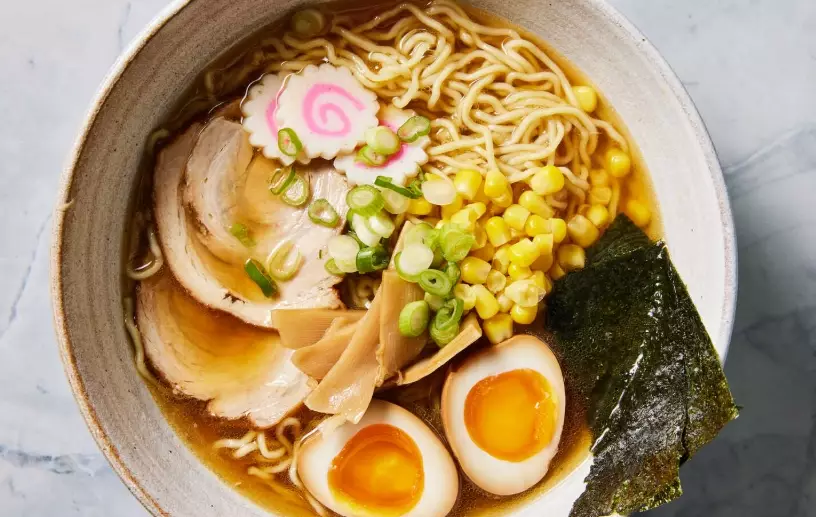
The First Layer: Niboshi Dashi (Dried Sardine Stock)
This is the secret umami weapon. It adds a profound, oceanic depth that chicken stock alone can't achieve. You can find niboshi (small dried sardines) at any Japanese or well-stocked Asian grocer.
Here's my method: Take a big handful (about 50 grams), snap off and discard the heads (they can be bitter), and briefly rinse them. Toast them in a dry pan for just a minute until fragrant—this mellows any harsh fishiness. Then, soak them in 2 liters of cold water for about an hour. After soaking, bring it to a bare simmer (tiny bubbles, not a rolling boil) and let it cook gently for 20 minutes. Strain through a fine-mesh sieve lined with cheesecloth. Don't squeeze the solids, or you'll cloud your beautiful dashi. This forms your flavor base.
Pro-Tip: If you're sensitive to fishy flavors, you can skip the toasting step and just do a quick blanch. Pour boiling water over the rinsed niboshi, let it sit for 30 seconds, then drain and proceed with the cold water soak. It tames the flavor significantly.
The Second Layer: The Chicken and Pork Broth
Now we build body and richness. We'll use the niboshi dashi as our cooking liquid for the meats.
- Chicken Parts: 2-3 pounds of a mix. I swear by backs and necks. They're cheap, gelatin-rich, and full of flavor. Wings are great too. Avoid just breast meat—it's too lean.
- Pork Bones: 1-2 pounds of pork neck bones or trotters (feet). The trotters are a gelatin powerhouse, giving the broth a lovely, silky mouthfeel. Your butcher can get these for you.
- Aromatics: A whole onion (halved, skin on for color), a large knob of ginger (smashed), 4-5 garlic cloves (smashed), and 2-3 green onions (roughly chopped).
Add the chicken and pork to your pot of niboshi dashi. Bring it up to a boil, then immediately reduce to the gentlest possible simmer. Skim off the scum that rises in the first 15-20 minutes—this is crucial for a clear broth. Add your aromatics. Now, you wait.
Let it bubble away, barely moving, for at least 6 hours, but ideally 10-12. Yes, really. The first time I tried a 4-hour broth, it was weak. The flavor transformation between hour 8 and hour 12 is remarkable. The broth reduces, concentrates, and all that collagen from the bones and skin melts into liquid silk.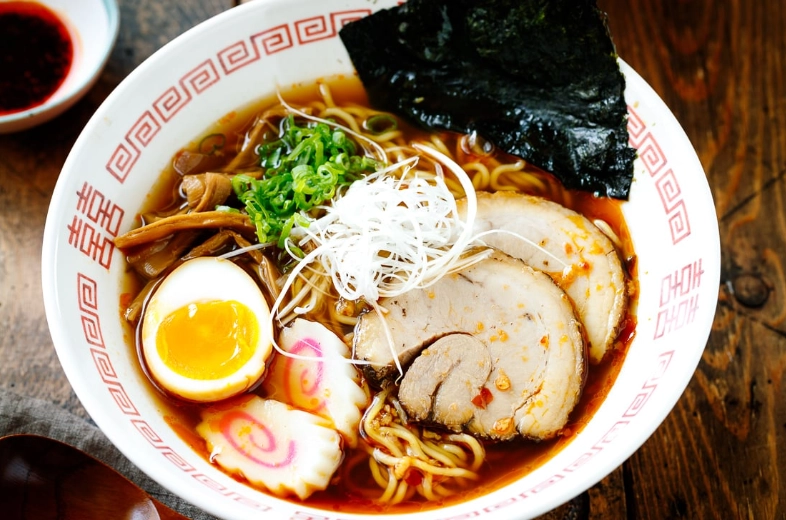
| Broth Component | Primary Flavor Contribution | Key Ingredient for Success |
|---|---|---|
| Niboshi Dashi | Deep, complex umami & oceanic depth | Toasting the sardines & gentle simmering |
| Chicken Parts | Savory, meaty base & clean flavor | Using backs/necks/wings for gelatin |
| Pork Bones/Trotters | Richness, body, & silky mouthfeel | Long, slow simmer to extract collagen |
| Aromatics | Aromatic sweetness & fragrance | Onion skin for color, smashed ginger/garlic |
When it's done, strain it through a fine sieve lined with cheesecloth. You should have a beautiful, golden, clear liquid that jiggles slightly when cool. Season it only lightly with salt at this stage. The real seasoning comes from the tare.
Watch Out: A rolling boil will emulsify fat and proteins into the broth, making it cloudy and sometimes greasy. We're after clarity and refinement. Keep that heat low and steady.
The Soul: Crafting the Perfect Shoyu Tare
If the broth is the heart, the tare is the soul. This concentrated seasoning sauce is what defines your bowl as "shoyu." It's not just soy sauce. It's a reduced, flavor-bomb liquid that you'll add a few tablespoons of to each bowl.
My go-to tare recipe is a hybrid, borrowing from classic techniques. You'll need:
- Soy Sauce: 1 cup. Use a good-quality Japanese soy sauce like Kikkoman or Yamasa. For more complexity, use half regular (koikuchi) and half usukuchi (lighter color, saltier).
- Mirin: 1/2 cup. The sweet rice wine balances the salt.
- Sake: 1/2 cup. For aroma and depth.
- Aromatics: A 2x2 inch piece of kombu (dried kelp), a handful of dried shiitake mushrooms, 2-3 slices of ginger, 2 cloves of garlic (smashed).
- Optional but amazing: A small handful of bonito flakes (katsuobushi).
Combine everything except the bonito flakes in a small saucepan. Let it sit for 30 minutes so the kombu and shiitake rehydrate a bit and infuse the liquid. Then, bring it to a bare simmer over medium-low heat. Just before it boils, remove the kombu (it can make things slimy if boiled). Let it simmer gently for 15 minutes. Turn off the heat, add the bonito flakes if using, and let it steep for another 10 minutes. Strain through a fine sieve. You now have a powerful, aromatic shoyu ramen tare that will keep in the fridge for weeks.
The beauty of this tare? You can tweak it endlessly. Add a touch of sugar for more sweetness. Throw in a dried chili. Use different mushrooms. This is where you start to make the recipe for shoyu ramen your own.
The Backbone: Homemade Ramen Noodles
Store-bought fresh or dried ramen noodles are fine in a pinch. I've used them. But if you want that authentic springy, chewy texture (the "koshi") that holds up in the hot broth, homemade is a game-changer. And it's less scary than it looks.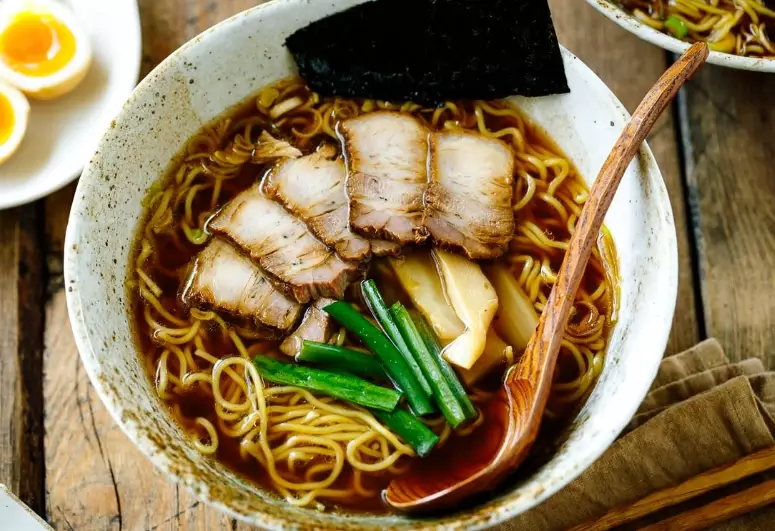
The key ingredient is kansui, an alkaline mineral water. It's what gives ramen noodles their distinctive yellow hue, firm texture, and that slight "egg-y" flavor. You can buy food-grade kansui powder online. If you can't find it, a common (and surprisingly effective) substitute is baked baking soda. Spread regular baking soda on a baking sheet and bake at 250°F (120°C) for an hour. This changes its chemical properties, making it more alkaline.
Here's a simple, reliable noodle recipe:
- Bread Flour: 250g (high protein is key)
- Water: 100ml (cold)
- Kansui Solution: 1 tsp kansui powder dissolved in 1 Tbsp water (OR 1/2 tsp baked baking soda dissolved in 1 Tbsp water)
- Salt: 1/2 tsp
Mix the dry ingredients. Slowly add the water and kansui solution to the flour. It will look shaggy and dry. That's okay. Dump it onto a counter and start kneading. This is a stiff dough. Knead for a solid 10 minutes. It's a workout. Wrap it tightly in plastic and let it rest at room temperature for 30 minutes.
After resting, roll it out with a pasta machine or a rolling pin. Fold, roll, repeat. You're developing the gluten structure. Finally, roll it to your desired thickness (I like #4 on my pasta machine) and cut into thin strips (about 1.5-2mm wide). Dust generously with potato starch or cornstarch to prevent sticking. These noodles can be cooked fresh or frozen for later.
Boil them for about 90 seconds to 2 minutes in plenty of rapidly boiling water. They cook fast. The bite should be firm, with a slight resistance.
The Jewels: Toppings That Make the Bowl
Now for the fun part—the toppings that turn soup and noodles into a masterpiece.
Chashu (Braised Pork Belly)
The king of toppings. Get a slab of pork belly, skin-on if possible. Roll it tightly and tie it with kitchen twine. Sear it in a pot until golden on all sides. Remove the pork, and in the same pot, add 1 cup each of soy sauce, sake, and mirin, along with 2 cups of water, some sugar, sliced ginger, and garlic. Bring it to a simmer, add back the pork, and braise it on the lowest heat for 2-3 hours, or until it's fork-tender. Let it cool in the liquid, then slice thinly. You can torch or pan-sear the slices before serving for extra texture.
Ajam Tamago (Marinated Soft-Boiled Egg)
Non-negotiable. Bring water to a boil, gently lower in room-temp eggs, and boil for exactly 6 minutes and 30 seconds for a custardy, jammy yolk. Immediately plunge into an ice bath. Peel carefully. Marinate in a mix of equal parts soy sauce, mirin, and water (enough to cover) for at least 4 hours, preferably overnight. The whites turn a beautiful mahogany, and the yolk stays liquid gold.
Other Essentials:
- Menma: Lacto-fermented bamboo shoots. You can buy them canned or in vacuum packs. Rinse them well and sauté in a bit of sesame oil and soy sauce.
- Nori: A rectangle of roasted seaweed. Adds a hit of the sea.
- Negi: Finely sliced green onions. For freshness.
- Narutomaki: The pink-and-white fish cake. It's classic, even if its flavor is mild.
- Fresh Bean Sprouts: Quickly blanched for crunch.
The Grand Finale: Assembling Your Bowl of Shoyu Ramen
This is the ritual. Get everything ready—hot broth, cooked noodles, warmed toppings.
- Warm Your Bowl: Pour boiling water into your serving bowl to heat it. Dump it out just before assembling.
- Season: Add 2-3 tablespoons of your shoyu tare to the bottom of the empty, hot bowl.
- Add Broth: Ladle in about 300-350ml of your piping hot broth. Swirl to mix with the tare. Taste it now! This is your last chance to adjust. Need more salt? Add a touch more tare. Too strong? Add plain hot broth.
- Add Noodles: Place your freshly cooked, well-drained noodles into the broth.
- Arrange Toppings: Neatly place your chashu slices, halved ajitama, menma, nori, and green onions over the noodles. Don't just dump them in. Presentation matters—it's part of the experience.
And that's it. You've done it. Take a moment. Then, mix it up a bit, take a deep breath of that incredible aroma, and slurp. Loudly. It's polite.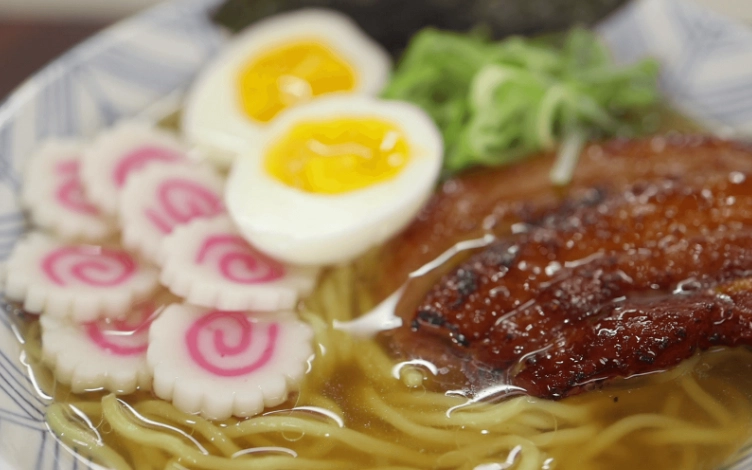
Your Shoyu Ramen Recipe Questions, Answered
I get a lot of the same questions whenever I talk about this project. Here are the big ones.
Making It Yours: The Final Word
The ultimate shoyu ramen recipe isn't the one you follow to the letter. It's the one you understand. Once you've made it once, start playing. Prefer a smokier note? Char your onion and ginger before adding them to the broth. Want more funk? Add a spoonful of miso to your tare. Like it spicy? Infuse your aroma oil with chili.
The resources are out there. For the science behind ramen noodles and kansui, sites like Serious Eats have done fantastic deep dives. For historical and cultural context, look to publications like Nippon.com.
It's a project.
But when you serve that bowl to friends or family, and you see their eyes widen after the first sip, you'll know it was worth every minute. You didn't just follow a recipe. You created an experience. And now, you have the knowledge to do it again and again, whenever that craving hits. So go on, get your biggest pot out. It's time to cook.
Reader Comments