Quick Guide
So you're diving into the world of Japanese noodles, and you've hit a delicious crossroads. You know ramen, that global superstar with its rich, steaming broth. But then you hear about this thing called aburasoba, and suddenly you're scratching your head. What is the difference between ramen and Aburasoba, really? Is it just ramen without the soup? A totally different beast? Which one should you order?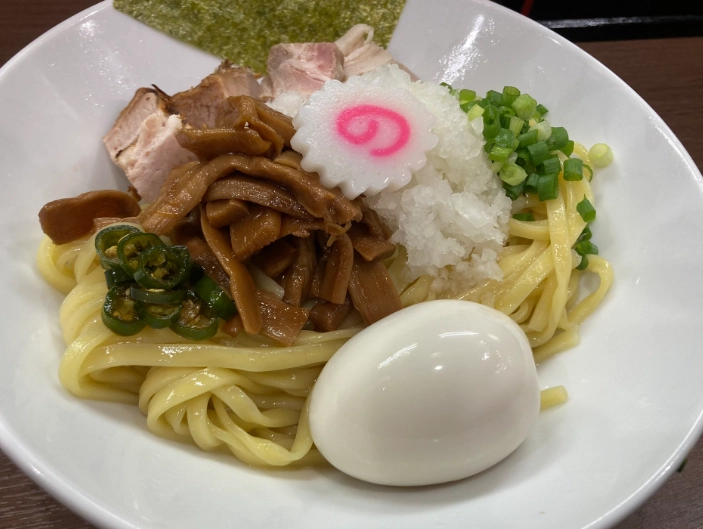
Let's clear this up right now. I remember the first time I ordered aburasoba in Tokyo, expecting something similar to a broth-less ramen. The bowl arrived, a beautiful mess of noodles, minced pork, a raw egg yolk, and some dark, fragrant sauce at the bottom. No soup in sight. I mixed it all up, took a bite, and my brain did a little flip. It was intensely savory, rich, and completely different from any ramen experience I'd had. It wasn't a substitute; it was its own category.
That's the heart of the matter. While they share a culinary family tree, ramen and aburasoba offer distinct experiences. One is a comforting, soul-warming soup. The other is a punchy, sauce-coated flavor bomb. Confusing them is like confusing a hearty stew with a rich pasta aglio e olio. Both incredible, but built on different principles.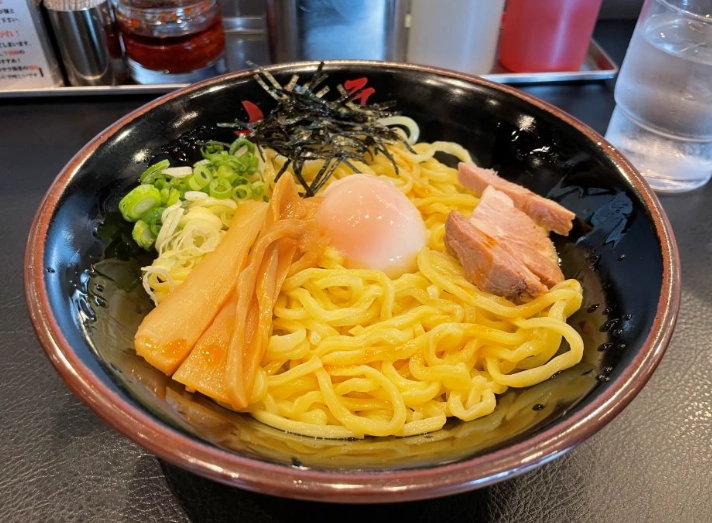
Let's Define Our Contenders
Ramen (ラーメン): A Japanese noodle soup dish. It consists of Chinese-style wheat noodles served in a meat- or fish-based broth, often flavored with soy sauce, miso, or salt (shio). It's almost always topped with sliced pork (chashu), nori (dried seaweed), menma (bamboo shoots), and scallions. The broth is the star, the soul of the dish.
Aburasoba (油そば) / Abura Soba (あぶらそば): Literally translates to "oil noodles" or "soupless noodles." It's a dish of ramen-style noodles served without a soup broth. Instead, the noodles are tossed and coated in a concentrated, oily tare (sauce base) made from soy sauce, vinegar, fish powder, and aromatic oils (like chicken fat or scallion oil). Toppings are added, and you mix everything together vigorously before eating. The name can be confusing, as "soba" usually refers to buckwheat noodles, but here it uses ramen-style wheat noodles.
See? Already we're in different territory. The core difference between ramen and Aburasoba isn't just the presence or absence of liquid. It's about the entire eating philosophy.
The Heart of the Matter: Soup vs. Sauce
This is the biggest, most obvious, and most important difference. It changes everything about how you experience the dish.
With ramen, you're drinking a masterpiece. Chefs spend hours, sometimes days, simmering bones (pork, chicken, seafood) to extract collagen, fat, and flavor into a complex, multi-layered broth. That broth carries the noodles and toppings. Each spoonful is a balance of liquid, noodle, and topping. The temperature is scalding hot, meant to be enjoyed slowly, sipping the broth between bites of noodle. When you search for "what is the difference between ramen and Aburasoba," the soup is answer number one.
Aburasoba is a dry toss. The magic is in the *tare* (seasoning sauce) and the fragrant oil at the bottom of the bowl. It's a concentrated flavor paste. When you mix the noodles into it, they get evenly coated in this intense, salty, umami-rich glaze. The lack of broth means the flavors are direct, upfront, and un-diluted. It's more akin to eating a pasta dish. The experience is more about texture and the direct coating of flavor on the noodle. It's often served warmer than boiling, letting you eat it faster without burning your mouth.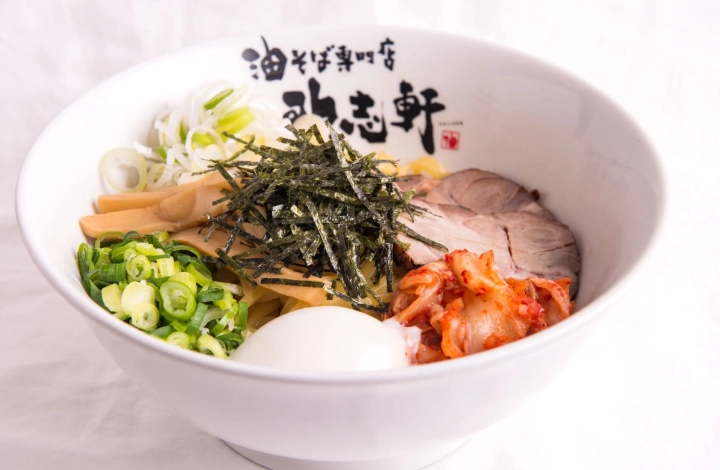
A Tale of Two Histories (And Names)
Their origins tell different stories too, which helps explain their character.
Ramen's history is one of adaptation. It has roots in Chinese noodle soups, introduced to Japan in the late 19th or early 20th century. It was popularized post-World War II with the rise of cheap wheat flour and became a national staple, evolving into distinct regional styles (Sapporo miso, Hakata tonkotsu, Tokyo shoyu). It's a dish that was imported and then perfected into something uniquely Japanese. The Ramen Museum in Yokohama is a testament to its cultural significance, though for a more official cultural perspective, the history of wheat noodles in Japan is documented by institutions like the Japan National Tourism Organization.
Aburasoba's story is more niche and modern. It's considered a *ryouri* (cuisine) that originated in specific Tokyo shops in the 1950s and 60s. One famous origin story points to a shop called "Kouryuu" in the Kagurazaka area. It was born out of post-war resourcefulness and a desire for a quick, flavorful, and affordable meal. The "abura" (oil) was a cheap way to add richness and flavor without the cost and time of making a full broth. The "soba" in the name is a bit of a misnomer—it's likely used in the generic sense of "noodles" rather than referring to buckwheat. It remained a local Tokyo specialty for decades before gaining wider popularity across Japan and internationally in the last 15-20 years.
So, ramen is the established, widely-varied national icon. Aburasoba is the clever, modern, concentrated upstart.
Breaking Down the Bowl: A Side-by-Side Comparison
Let's get practical. Here’s a detailed table that puts the difference between ramen and Aburasoba into clear, bite-sized points.
| Feature | Ramen | Aburasoba |
|---|---|---|
| Primary Medium | Broth (soup) is essential and abundant. | Concentrated Tare (sauce) and aromatic oil. No soup. |
| Base Flavor Types | Shoyu (soy sauce), Shio (salt), Miso, Tonkotsu (pork bone). | Usually a proprietary blend based on shoyu, with vinegar, fish powder, and spices. |
| Noodles | Chinese-style wheat noodles. Varies in thickness, waviness, and firmness (kotteri) by region/style. | Typically use a medium-thick, straight or slightly wavy ramen-style wheat noodle. Often chosen for sauce adhesion. |
| Typical Toppings | Chashu (braised pork), Nori, Menma, Scallions, Boiled Egg (ajitsuke tamago), Bean Sprouts, Corn, Butter. | Minced Pork, Raw Egg Yolk, Nori, Scallions, Bamboo Shoots, Wood Ear Fungus, Chili Oil on the side. |
| Eating Method | Eat noodles with chopsticks, sip broth with spoon. Broth and noodles are consumed together. | Mix everything thoroughly (especially the egg yolk) to coat noodles before eating. No spoon needed initially. |
| Texture Focus | Broth consistency (creamy, clear, rich), noodle chewiness. | Sauce cling, noodle texture, and the creaminess from the egg yolk emulsion. |
| Temperature | Extremely hot, served boiling or near-boiling. | Warm to hot, but not scalding. Allows for faster mixing and eating. |
| End of Meal | Broth is often finished. Some places offer "kaedama" (extra noodle refill) to add to remaining broth. | After finishing noodles, it's common to order a small serving of rice or soup (suimono) to mix with the remaining sauce/oil at the bottom. |
| Regional Variations | Extensive (Hokkaido, Kyushu, Tokyo styles). | Less varied, but shops have signature sauces (spicy, citrus, black garlic). |
Looking at that table, the distinction gets pretty clear, doesn't it? It's not a minor tweak; it's a different blueprint.
The Noodle Know-How
You might think the noodles are the same. Often, they're very similar, but there's a subtle difference in philosophy. Ramen noodles are engineered for the broth. Their thickness, curl (called "wave"), and water content are designed to sit in liquid, absorb flavor, and maintain a specific bite (called "koshi") while submerged.
Aburasoba noodles are chosen for the sauce. They need to be excellent at grabbing and holding onto that thick, oily tare. Sometimes they're a bit thicker or have a slightly different surface texture to maximize sauce adhesion. A noodle that's perfect for a light shio broth might get lost in a thick aburasoba sauce. It's a small but crucial detail chefs consider.
How to Eat Each One (This Matters!)
Getting the eating method wrong can ruin the experience. Here’s the lowdown.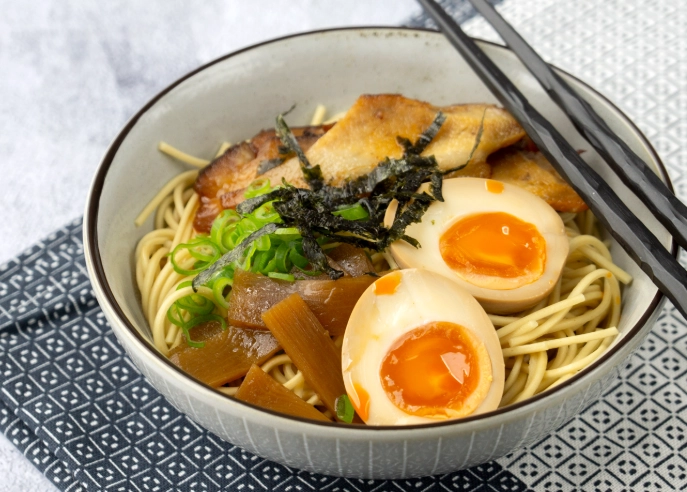
Eating Ramen: The Art of the Slurp
Slurping is encouraged! It aerates the noodles and broth, enhancing flavor and cooling them slightly. Use your chopsticks to grab noodles, and optionally use the spoon to help guide them. Take a bite of noodles, then sip some broth directly from the bowl. Alternate between noodles, toppings, and broth. The goal is to enjoy each component in harmony. Don't let the noodles sit too long, or they'll get soggy. Speed is part of the ritual.
Eating Aburasoba: The Mix is Everything
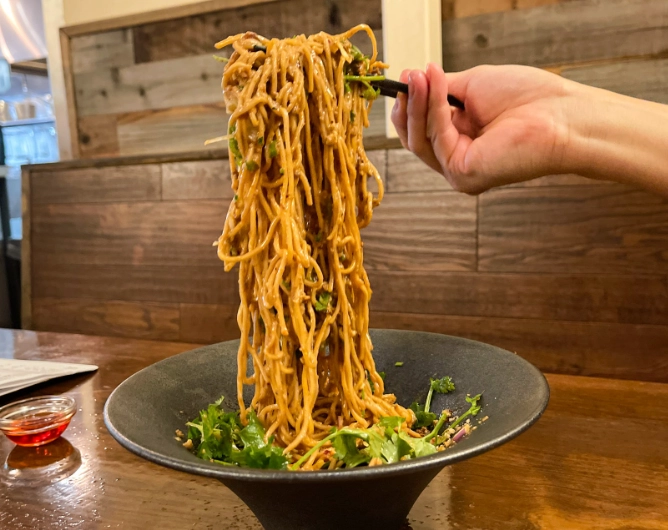
When the bowl arrives, it looks deceptively simple. Do not just start eating from the top. Your first job is to mix, mix, and mix some more. Use your chopsticks to thoroughly incorporate the raw egg yolk (if provided), the minced meat, the nori, and every bit of that dark sauce at the bottom. You want every strand of noodle uniformly coated in a glossy, creamy, savory emulsion. This mixing step is non-negotiable. It transforms separate ingredients into a cohesive dish. Only after a vigorous 30-second mix should you take your first bite. No spoon needed until the very end, if you add rice.
I've seen people new to aburasoba skip the mix and end up with a bland bite of plain noodle followed by an overwhelming mouthful of pure sauce. It's a disaster. Mixing is the magic.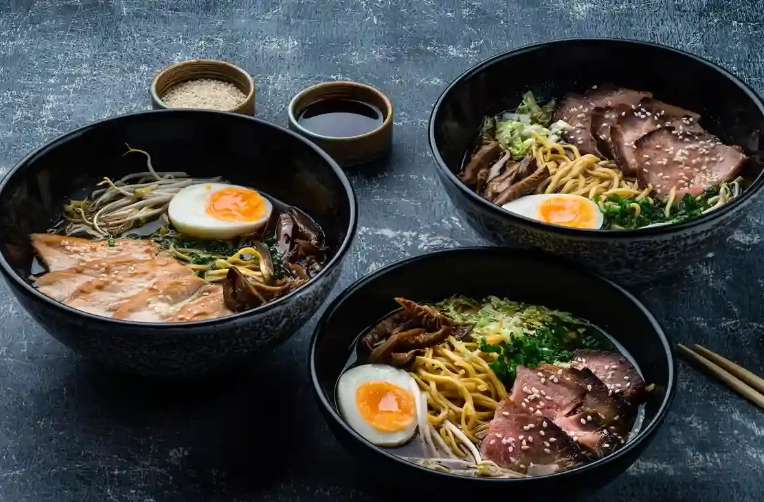
Common Questions Answered (The FAQ You Actually Need)
So, Which One Should You Choose?
It's not about which is better. It's about what you're in the mood for.
Choose RAMEN if you want...
- Comfort in a bowl: A warming, liquid-based meal perfect for cold weather or when you need solace.
- A symphony of components: To enjoy the separate but harmonious elements of broth, noodle, and topping.
- Variety: To explore vastly different regional styles and broth types.
- A slower, more contemplative meal: Sipping and savoring.
Choose ABURASOBA if you want...
- A direct flavor punch: Intense, upfront, un-diluted savory and umami flavors coating every noodle.
- Texture play: To focus on the chew of the noodle and the cling of a rich sauce.
- Something less messy/liquid: Easier to eat quickly, possibly at a counter, without worrying about splashing broth.
- A unique ritual: The fun of mixing everything together to create the final dish yourself at the table.
- To try a "local" Tokyo specialty that's still gaining global fame.
My final, totally subjective take? I love them both, but for opposite reasons. Ramen is my go-to for a deep, comforting experience. Aburasoba is my choice when I want a more aggressive, noodle-focused flavor assault. Sometimes the rich oil in aburasoba can be a bit much if the balance is off—I've had bowls that felt one-dimensional and just oily. But when it's done right, with a bright hit of vinegar and complexity in the tare, it's addictive.
Understanding the difference between ramen and Aburasoba opens up two distinct doors in the world of Japanese noodles. Don't think of one as replacing the other. Think of it as expanding your culinary toolkit. Next time you see aburasoba on a menu, don't shy away thinking it's just a weird ramen. Order it, mix it well, and get ready for a completely different, utterly delicious ride. And when you crave that soul-warming broth, you know exactly where to go.
The bowl is waiting. Choose your adventure.
Reader Comments