I still remember my first unagi don in a tiny Tokyo alley—the smoky aroma, the glossy eel over steaming rice, that sweet-savory sauce. It hooked me. But here's the thing: most guides just scratch the surface. After years of eating and cooking it, I've seen too many people mess it up or overpay for mediocre versions. Let's fix that. This isn't just another recipe list; it's a deep dive from a fan who's made all the mistakes so you don't have to.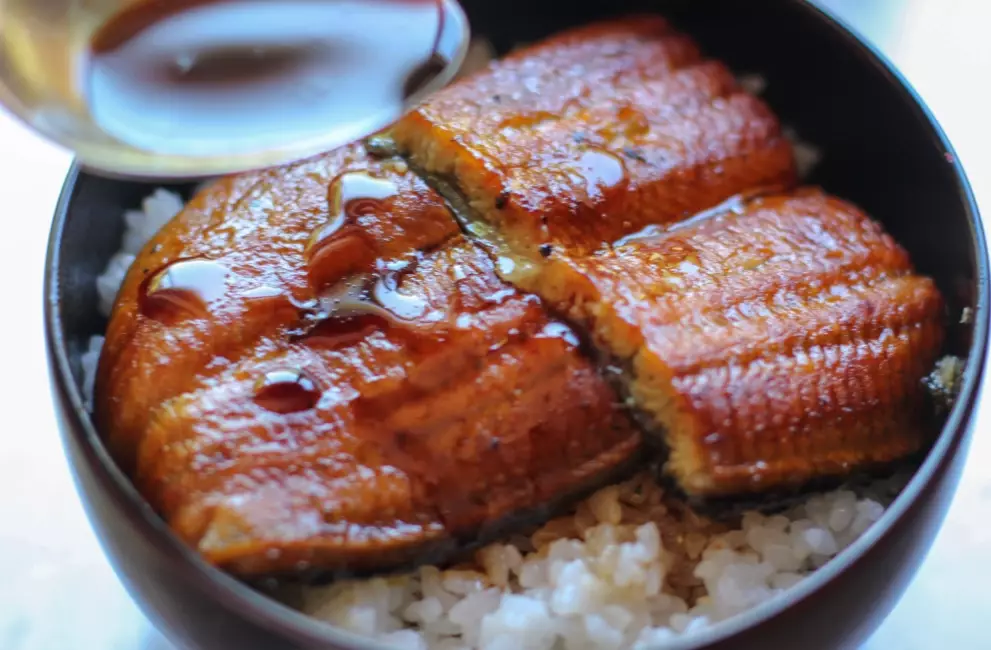
Jump Straight to What You Need
What Makes Unagi Don Special?
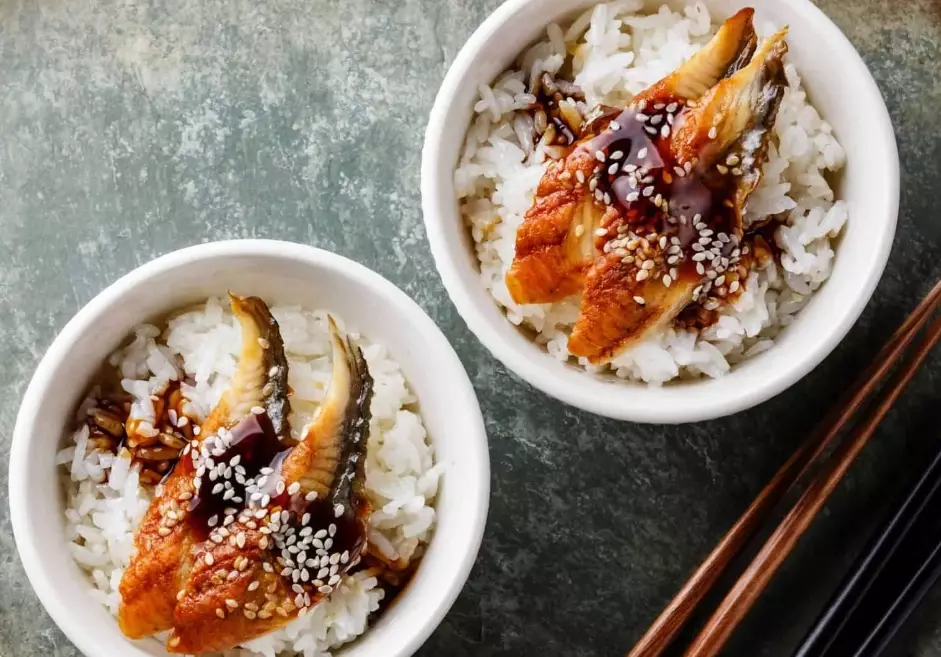
Unagi don, short for unagi donburi, is a Japanese bowl of rice topped with grilled freshwater eel (unagi) glazed in a sweet soy-based sauce called tare. It's often served with sides like pickles or soup. But calling it just "eel rice" is like saying pizza is bread with cheese—it misses the craft. The eel is typically steamed first to tenderize, then grilled over charcoal to crisp the skin. That double cooking is key.
History time. Unagi has been eaten in Japan for centuries, originally as a stamina food in summer. According to historical records from the Edo period, street vendors popularized it as cheap, filling meals. Today, it's a luxury item in many places, but the soul remains rustic. I've talked to chefs who swear by sourcing eel from specific regions like Lake Hamana—it's fattier and sweeter there.
Why do people love it? Texture. Perfect unagi should be soft inside, slightly crispy outside, with sauce that soaks into the rice. Get it wrong, and it's either mushy or dry. Most beginners don't realize the sauce matters more than the eel itself. A good tare takes hours to simmer, balancing mirin, soy, sugar, and sake. Skimp on that, and the dish falls flat.
How to Make Unagi Don at Home (Without Failing)
You don't need a fancy grill. I've made this in a small apartment kitchen with a broiler. But there are pitfalls. Let's break it down.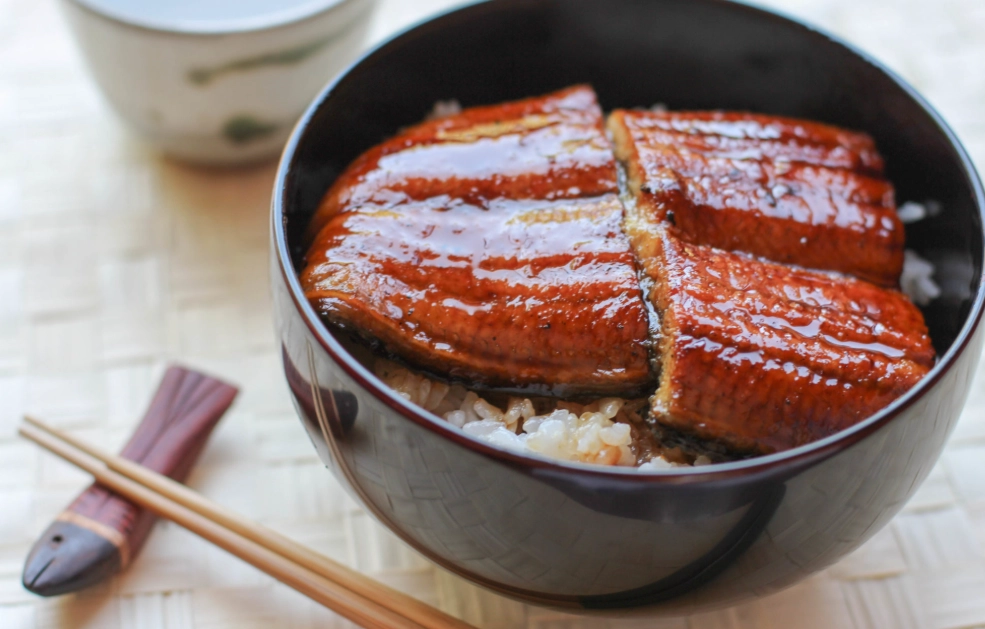
Ingredients You Actually Need
For two servings: 2 fillets of fresh or high-quality frozen unagi (about 200g each), 2 cups of Japanese short-grain rice, 1/4 cup soy sauce, 2 tbsp mirin, 2 tbsp sugar, 1 tbsp sake, and optional toppings like shredded nori or sansho pepper. Skip pre-sauced eel if you can—it's often too sweet. I find frozen eel from reputable Japanese brands works fine, but thaw it slowly in the fridge.
Step-by-Step Process That Works
First, cook the rice. Use a rice cooker or pot; rinse the rice until water runs clear to avoid gumminess. While it cooks, make the tare. Combine soy sauce, mirin, sugar, and sake in a saucepan. Simmer on low for 15 minutes until slightly thickened. Don't boil hard—it burns easily. Taste it; it should be balanced, not just sweet.
Now, the eel. If using frozen, pat it dry thoroughly. Heat a grill pan or broiler to medium. Place the eel skin-side down first. Grill for 3-4 minutes until you see bubbles forming. Flip, brush generously with tare, and grill another 2-3 minutes. Baste again. The trick? Keep the heat moderate. High heat chars the sauce before the eel cooks through.
Assemble. Bowl the rice, place the eel on top, drizzle extra sauce, and add toppings. Some people sprinkle sansho pepper for a citrusy kick. I prefer a bit of grated ginger for freshness.
Expert tip most blogs miss: Let the eel rest for a minute after grilling. It reabsorbs juices, so it stays moist when you eat. I learned this from a chef in Osaka who laughed when I served it straight off the grill—said it's the difference between good and great.
Where to Eat the Best Unagi Don in Japan
If you're traveling, don't just Google "best unagi." Location and time matter. In Tokyo, old-school places in shitamachi (downtown) often outperform flashy spots. Here's a curated list based on my visits and local recommendations.
| Restaurant Name | Address (District) | Specialty | Price Range (per bowl) | Hours |
|---|---|---|---|---|
| Nodaiwa | Higashi-Azabu, Minato, Tokyo | Historic spot, uses wild eel | ¥3,500 - ¥5,000 | 11 AM - 9 PM (closed Wed) |
| Unagi Hirokawa | Gion, Kyoto | Traditional Kansai style, lighter sauce | ¥2,800 - ¥4,000 | 11:30 AM - 8 PM |
| Miyagawa Honten | Tsukiji, Tokyo | Fresh market eel, generous portions | ¥2,000 - ¥3,000 | 8 AM - 2 PM (early bird!) |
| Fuji unagi | Osaka Namba | Budget-friendly, family-run | ¥1,500 - ¥2,500 | 10 AM - 10 PM |
Nodaiwa is iconic—they've been around since the 1800s. But it's pricey. For value, I'd pick Miyagawa Honten; go early, as they sell out. In Kyoto, Unagi Hirokawa offers a subtler taste that highlights the eel's natural flavor. Avoid places near major stations with English menus only; they often cater to tourists with frozen imports.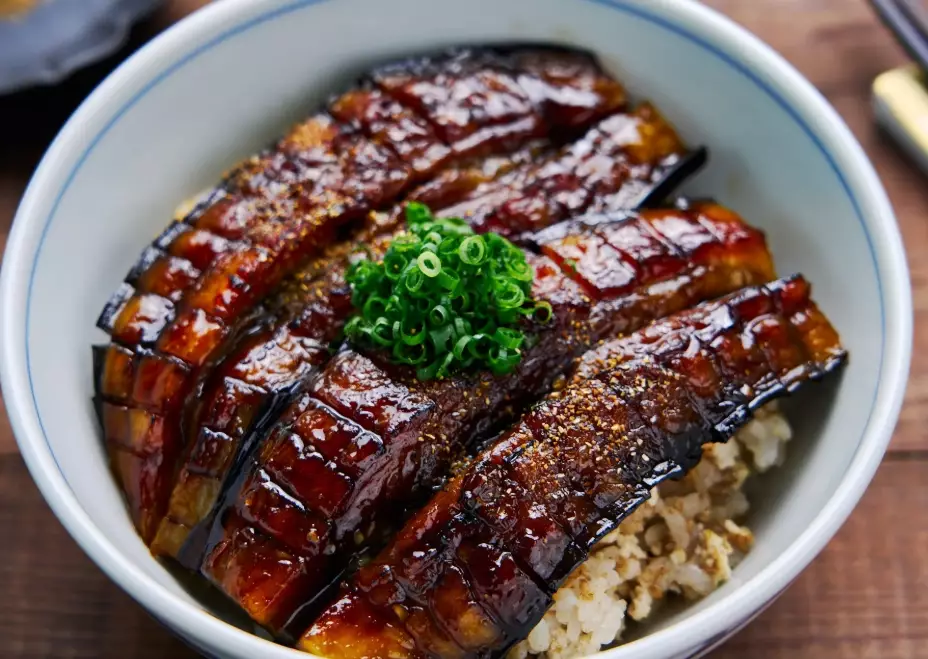
Outside Japan, look for restaurants that grill to order. In cities like Los Angeles or New York, spots like Tatsu Ramen (though known for ramen) sometimes have decent unagi don if they source well. Check reviews for mentions of "fresh eel" or "homemade sauce."
Unagi Don Nutrition: Is It Healthy?
Unagi is packed with protein, vitamin A, and omega-3 fatty acids, which are great for heart health. A typical bowl has around 500-700 calories, depending on sauce and portion. But here's the catch: the tare sauce adds sugar and sodium. One serving can have 10-15g of sugar, similar to a soda.
If you're watching your diet, ask for sauce on the side. Or pair it with a side salad to balance. Studies from Japan's Ministry of Health, Labour and Welfare note that eel consumption in moderation supports energy levels, but they caution against daily intake due to potential mercury content (though it's low compared to larger fish).
I eat it maybe once a week as a treat. For a healthier twist, try using less rice and adding steamed vegetables like kabocha squash. Some modern chefs are experimenting with brown rice or quinoa bases—it works, but purists might scoff.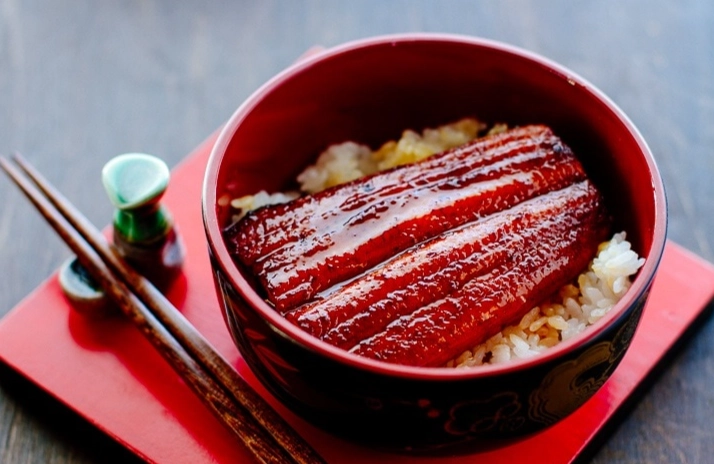
Your Burning Questions Answered
 Unagi don isn't just food; it's an experience. Whether you're making it at home or hunting it down in Japan, focus on quality ingredients and patience. Skip the shortcuts, and you'll taste the difference. Now go try it—and maybe avoid that pre-packaged supermarket version I regret buying once. It was like eating sweet rubber.
Reader Comments