What You'll Find in This Guide
If you've ever tried to make tamago at home, you know it can be a bit tricky. The texture, the flavor, the shape—it all has to come together just right. But don't worry, I've been making tamago for over a decade now, and I've learned a few things along the way. In this guide, I'll walk you through everything you need to know to master tamago recipe, from the simplest version to some gourmet variations that will impress your guests.
Let's start with the basics. What exactly is tamago? In Japanese, 'tamago' means 'egg dish.' But it's not just any egg dish. It's a specific type of rolled omelet that's often served in bento boxes or as a topping for sushi. The key to a great tamago is the balance of flavors and the texture. You want it to be slightly sweet, a little savory, and incredibly fluffy.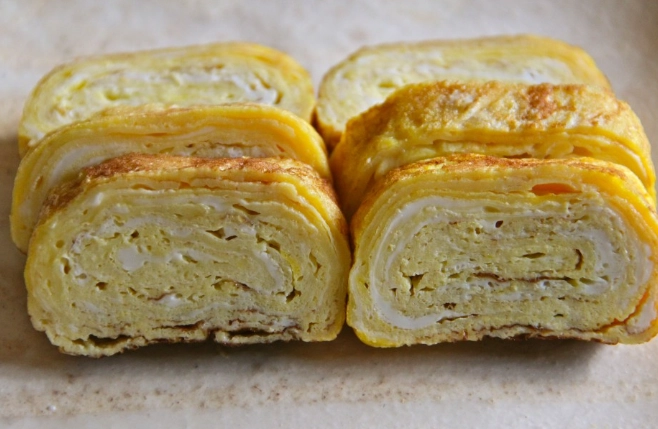
What is Tamago?
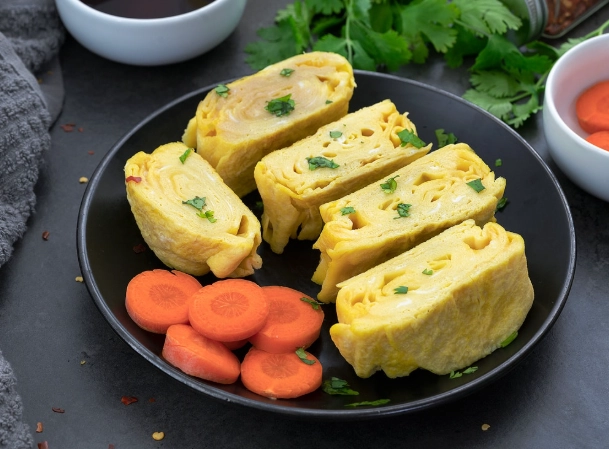
Tamago is a Japanese rolled omelet that's made by rolling thin layers of cooked egg onto itself. The process might sound simple, but there's an art to it. The eggs are beaten with dashi (a Japanese stock), sugar, and sometimes mirin (a sweet rice wine) to create a unique flavor profile. The result is a light, fluffy, and slightly sweet omelet that's unlike anything you've tasted before.
Many people think that tamago is just a sweet omelet, but that's not entirely accurate. While it is sweet, it's also savory, thanks to the dashi. And the texture? It's supposed to be light and airy, not dense and heavy. If your tamago turns out dense, you've probably overcooked it or didn't incorporate enough air during the beating process.
Essential Ingredients for a Classic Tamago
The ingredients for tamago are simple, but the quality matters. You'll need:
- Eggs: Fresh, large eggs are best. The yolks should be bright and the whites thick.
- Sugar: Granulated sugar is fine, but some recipes call for caster sugar for a smoother texture.
- Dashi: This is the heart of the dish. You can use instant dashi or make your own from kombu (kelp) and katsuobushi (bonito flakes).
- Salt: A pinch of salt enhances the sweetness and balances the flavors.
- Optional: Mirin, sake, or soy sauce can be added for extra flavor, but they're not necessary for the basic recipe.
That's it. With these five ingredients, you can make a basic tamago. But if you want to elevate it, you'll need to pay attention to the ratios. Too much sugar and it becomes cloying; too little and it's bland. The key is to find the right balance for your taste.
How to Make Tamago: A Step-by-Step Guide
Making tamago is a straightforward process, but there are a few critical steps that can make or break the final result. Here's how I do it:
- Beat the eggs thoroughly. This is where most beginners go wrong. They beat the eggs just enough to combine them, but not enough to incorporate air. You need to beat them until they're frothy and light in color. This should take about 2-3 minutes by hand or 1-2 minutes with an electric mixer. The goal is to incorporate as much air as possible, which will give you a lighter, fluffier texture.
- Add the sugar gradually. Don't dump all the sugar in at once. Add it slowly while beating the eggs. This helps prevent the sugar from clumping and ensures it dissolves evenly.
- Mix in the dashi slowly. Pour the dashi into the egg mixture in a slow, steady stream while beating. This helps prevent the eggs from curdling and ensures a smooth, even mixture.
- Strain the mixture (optional but recommended). This step removes any chalazae (the white cord that holds the yolk in place) and ensures a perfectly smooth texture. It's not strictly necessary, but it does make a difference.
- Let the mixture rest. This is another common mistake. People rush to cook the mixture right after mixing it. Let it rest for at least 10 minutes, preferably 15-20 minutes. This allows the flavors to meld and the mixture to settle, which will result in a smoother, more even omelet.
- Cook over low heat. This is the most important step. You need to cook the tamago over low heat to prevent the eggs from overcooking and becoming tough. Start with a medium-low heat and adjust as needed. The mixture should cook slowly and evenly, without any browning.
If you follow these steps, you'll end up with a light, fluffy, and slightly sweet tamago that's perfect every time. But if you're still having trouble, don't worry. It took me years to master this technique, and I'm still learning new things.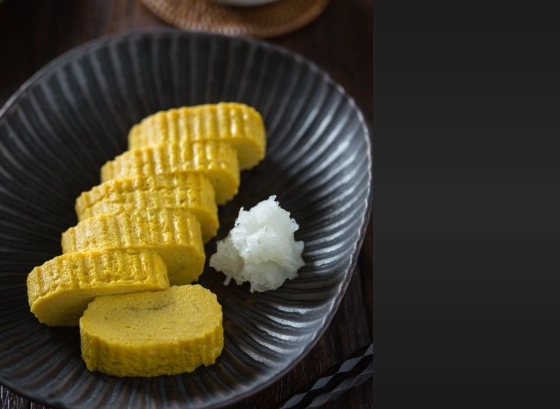
Common Mistakes to Avoid When Making Tamago
Now, let's talk about some of the mistakes I see people make all the time. These are subtle, but they can ruin your tamago if you're not careful.
Mistake #1: Using cold eggs. This is a big one. Cold eggs don't beat as well and won't incorporate as much air. Always use room-temperature eggs for the best results. They'll whip up faster and hold more air, giving you a lighter texture.
Mistake #2: Not beating the eggs enough. This is related to the first mistake. If you don't beat the eggs enough, you won't incorporate enough air, and your tamago will be dense and heavy. Beat them until they're frothy and light in color, almost like a soft-peak meringue.
Mistake #3: Adding the sugar too quickly. This can cause the sugar to clump and not dissolve evenly, resulting in a gritty texture. Add it slowly while beating to ensure it dissolves completely.
Mistake #4: Not letting the mixture rest. This is a common oversight. The mixture needs time to settle and the flavors to meld. If you rush to cook it, you'll end up with an uneven texture and possibly some curdling.
Mistake #5: Cooking over too high heat. This is the most common mistake I see. People think they need to cook the tamago quickly over high heat to get that nice, golden color. But that's wrong. You need to cook it slowly over low heat to prevent the eggs from overcooking and becoming tough. The mixture should cook slowly and evenly, without any browning.
I can't tell you how many times I've ruined a batch of tamago by cooking it over too high heat. It's a delicate balance, and it takes practice to get it right. But once you do, you'll never go back.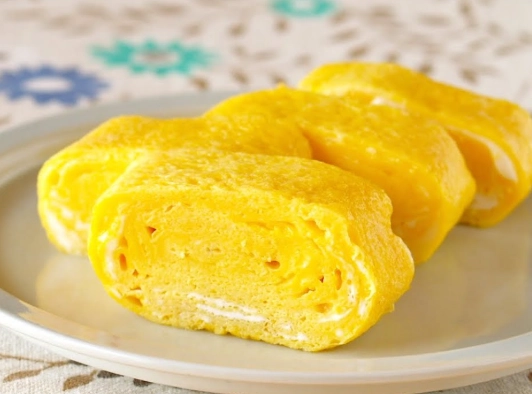
Expert Tips for Perfect Tamago Every Time
Here are a few tips that I've picked up over the years that have made a huge difference in my tamago:
- Use a non-stick pan. This might seem obvious, but it's crucial. A non-stick pan ensures that the eggs don't stick and makes flipping much easier.
- Preheat the pan properly. Another common mistake. People don't preheat their pans enough, which can lead to uneven cooking and sticking. Make sure your pan is hot before adding the mixture.
- Use a spatula to lift the edges. This helps the uncooked mixture flow underneath and cook evenly.
- Don't overcrowd the pan. This is a big one. If you add too much mixture at once, it will steam instead of fry, and you'll end up with a dense, heavy tamago. Leave some space between each layer to allow for proper cooking.
- Resist the urge to flip too early. This is the hardest part for most people. You need to let the bottom set and form a skin before you try to flip it. If you flip it too early, it will tear and fall apart.
I remember the first time I tried to make tamago. It was a disaster. The mixture was too thick, it stuck to the pan, and it came out in a crumbled mess. I was so frustrated that I almost gave up. But then I realized that I was making all of these mistakes. So I went back to the basics, followed the steps above, and now I can make a perfect tamago every time.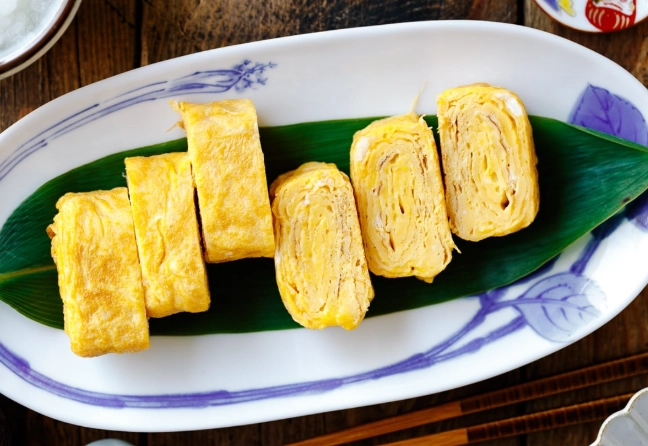
Your Tamago Recipe Questions, Answered
Reader Comments