What You'll Find in This Guide
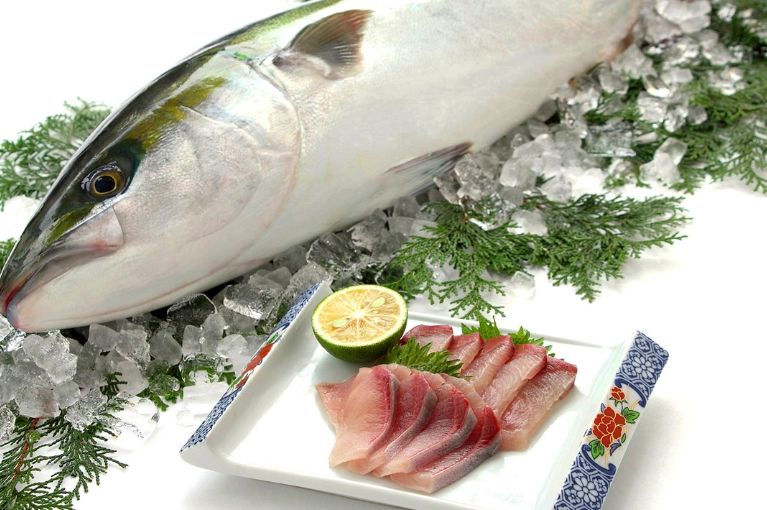
Let's talk about buri. You've probably seen it on sushi menus, maybe glossed over it for the more familiar tuna or salmon. I did that for years, I'll admit. It wasn't until a freezing winter night in Tokyo, shoved into a tiny eight-seat counter by a friend who swore by it, that I finally tried proper Buri fish sushi. The chef placed a single piece of nigiri in front of me. The fish was cool, faintly glossy, with a fat content that promised something big. One bite and my whole sushi hierarchy got scrambled. It was rich, but clean. Sweet, but with a deep umami backbone. It wasn't just another piece of fish; it was a season on a plate. That's what this fish is about.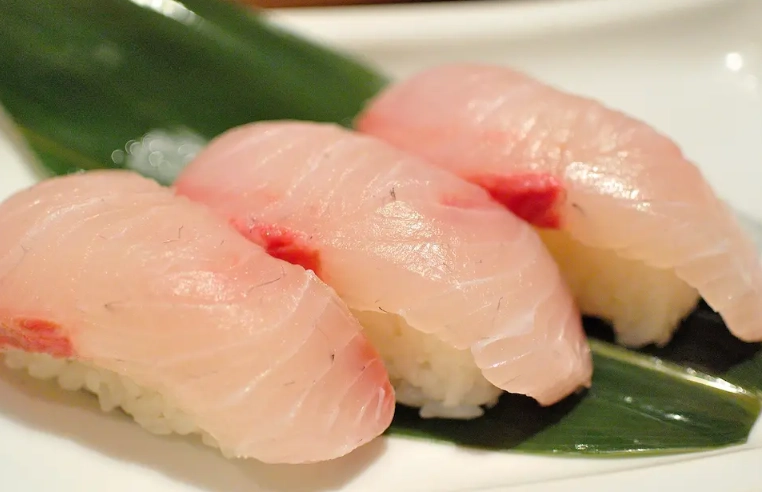
This isn't just another white fish. In Japan, buri (amberjack or yellowtail, depending on who you ask and how old the fish is) is a cultural icon, a symbol of winter, and a benchmark for sushi chefs. But outside of Japan, the information is a mess. Is it yellowtail? Is it hamachi? Why does the price swing so wildly? I spent ages piecing it all together, so you don't have to. This guide is everything I wish I'd known before that first bite.
What Exactly is Buri? Untangling the Name Game
First, let's clear up the confusion. The fish Seriola quinqueradiata is what we're talking about. But in Japan, it gets different names as it grows, a tradition called "shusse-uo" (promoting fish). It's kind of brilliant, marking its life stages like promotions.
- Wakashi/Inada: This is the kiddo stage, under 35cm. The flesh is light, lean, and often used for sashimi or light grilling. You might see it as "young yellowtail." It's mild, a good intro.
- Hamachi: The teenager phase, roughly 35-60cm. This is the name you see everywhere on sushi menus globally. It's typically farmed, has a buttery, mild flavor with a soft texture. It's popular for a reason—it's consistently tasty and easy to eat. But it's just one chapter of the story.
- Buri: The adult. Over 60cm, often caught in the wild during winter. This is the goal. The flavor intensifies, the fat marbling becomes more pronounced, and the texture firms up slightly while remaining lush. When someone in Japan raves about winter yellowtail, they're talking about Buri.
So, all hamachi is buri, but not all buri is hamachi. Got it?
This naming isn't just trivia. It's a direct map to flavor. Ordering "buri" in winter in Japan signals you're after that peak, mature experience. Ordering "hamachi" is asking for the reliable, buttery standard. Knowing the difference is your first power move.
Why Winter is Everything for Buri Fish Sushi
The season is non-negotiable. As the water temperatures drop, the fish instinctively fatten up for survival and migration. This natural process, driven by their diet of sardines and mackerel, deposits incredible intramuscular fat—not the greasy kind, but the kind that melts into a rich, sweet, profound flavor. This peak season is roughly December to February.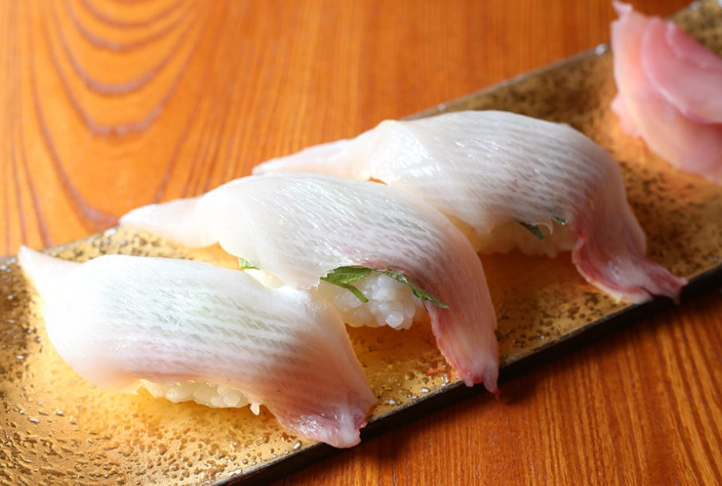
I made the mistake of ordering buri in a fancy restaurant in August once. It was... fine. It was hamachi, really. Good, but forgettable. The chef later told me, with a polite smile, they source farmed year-round because customers ask for it. The winter wild catch is reserved for regulars who know to ask. Lesson learned.
Here’s a quick breakdown of what you get across the seasons:
| Season | Common Name/Life Stage | Key Characteristics | Best For |
|---|---|---|---|
| Spring-Summer | Wakashi / Inada | Light, lean, mild flavor. Very subtle fat. | Light sashimi, carpaccio, ceviche-style prep. |
| Year-Round (Farmed) | Hamachi | Consistent, buttery, mild. Reliable texture and flavor. | Everyday sushi, nigiri, rolls. A crowd-pleaser. |
| Late Autumn - Winter | Buri (Wild) | Rich, complex, high fat marbling. Deep umami and sweetness. | Premium nigiri, sashimi, tataki. The pinnacle experience. |
Wild vs. Farmed: The Real Taste Difference
This is a hot topic. Most hamachi you eat is farmed, primarily from Japan's Kochi and Kagoshima prefectures. Farming ensures a steady supply and a controlled, mild product. The texture is often softer, almost uniformly buttery.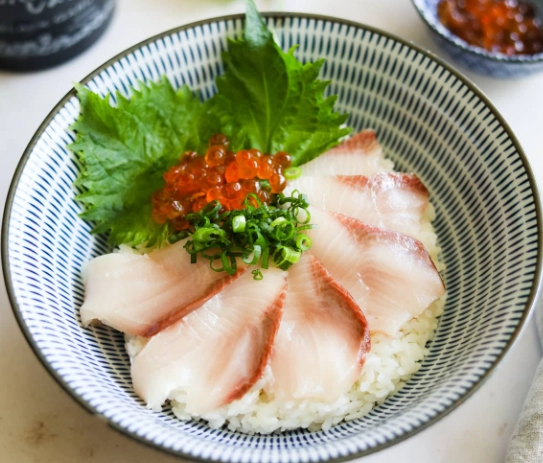
Wild buri, hunted in the cold winter seas, is a different story. The flesh is firmer, the flavor is more robust and complex—you can taste a hint of the ocean, a minerality underneath the fat. The fat lines are less uniform, more natural-looking. It's unpredictable and exciting.
From Fish to Feast: How Buri is Prepared for Sushi
You can't just slap a slice of buri on rice. Well, you can, but it won't be great. The preparation is key to unlocking its potential. A good sushi chef handles buri with respect for its fat content.
The first step is bleeding and ikejime (a swift, humane spiking method) right after catch. This is critical for preserving texture and preventing lactic acid buildup, which can muddy the flavor. For a deep dive on why this traditional method matters, the Japanese Ministry of Agriculture, Forestry and Fisheries (MAFF) has resources on sustainable fishing and handling practices.
Then comes aging or "jukusei." This might surprise you. Unlike lean fish eaten immediately, fatty fish like buri often benefit from a short period of controlled refrigeration (1-3 days). This allows enzymes to gently break down proteins, tenderizing the flesh and concentrating the umami. It's not rotting—it's careful maturation. The fat mellows and integrates. I've tasted buri aged for 5 days, and the depth of flavor was unreal, almost nutty. But it's a risky technique best left to masters.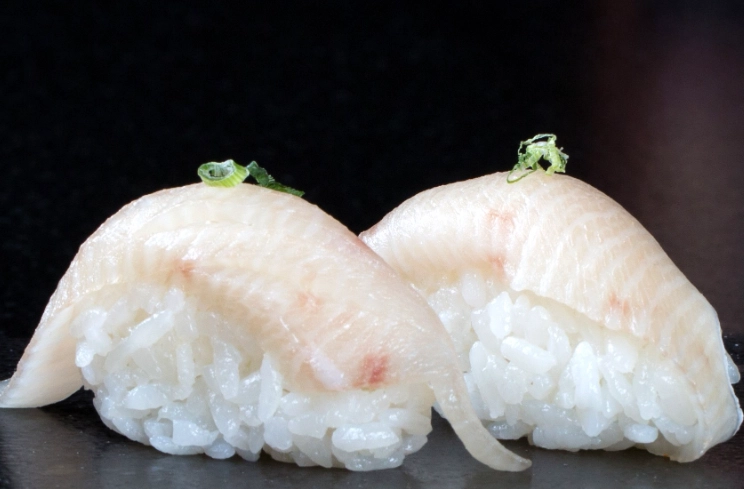
The slicing is another art. For nigiri, the cut is usually a slightly thicker "hira-zukuri" (rectangular slice) compared to leaner fish. This provides a substantial mouthfeel to balance the rich fat. The knife must be razor-sharp to avoid crushing the delicate fat cells.
Two Classic Ways to Serve Buri Fish Sushi
You'll mainly encounter it in two forms on the sushi counter:
1. Buri Nigiri: The pure test. A slice of buri over a small, hand-formed bed of vinegared rice (shari). The rice here is crucial—it's seasoned with a bit more salt and less sugar than for some other fish. It needs to be a partner, not a sweet backdrop. The chef might brush it with a very light, aged soy sauce (nikiri) or serve it with just a hint of wasabi between fish and rice. You eat it fish-side down to let the fat coat your palate first. The experience is all about that luxurious, melting texture followed by the rice cleaning your palate.
2. Aburi Buri Sushi (Seared/Searched): This is a game-changer. The chef briefly passes a blowtorch or hot binchōtan charcoal over the surface of the fish. It's not cooked through—just the surface is caramelized. This does two magical things: it renders a tiny layer of the surface fat, creating an incredible smoky, savory crust, and it amplifies the sweetness of the fish. The contrast between the warm, crispy-edged top and the cool, fatty flesh beneath is spectacular. If you find the pure fat of buri a bit much, aburi is your gateway. It's my personal favorite way to enjoy it.
How to Eat It Like You Know What You're Doing
Let's get practical. You're at a counter or have a beautiful piece in front of you. Now what?
- Skip the Extra Soy Sauce: For high-quality buri nigiri, the chef has almost certainly seasoned it perfectly. Dipping it in more soy sauce will drown out the subtle fat and sweetness. If you must, turn it slightly and dip just the very edge of the fish, never the rice.
- Wasabi: It's already inside. Trust the chef. Adding more will create a nuclear war in your mouth where the buri loses.
- Eat it Quickly: Sushi is fast food in the best way. The rice is at body temperature, the fish is cool. Let it sit and the structure collapses. In one, maybe two bites max.
- Pairing: The high fat calls for a beverage that can cut through. A dry, crisp junmai daiginjo sake works wonders. So does a minerally white wine like a Chablis or a dry Riesling. Forget heavy beers or red wine here.
Buri Fish Sushi: Your Questions, Answered
The Final Slice
Buri fish sushi isn't just another item on the menu. It's a lesson in seasonality, a showcase of Japanese culinary philosophy, and frankly, one of the most satisfying bites in the sushi world. It took me a long time to appreciate it, to move past the simple comfort of tuna and salmon. But once you get it, your sushi outlook changes.
You start looking for it in winter. You learn to ask your chef, "Do you have any special buri today?" You appreciate the craft that goes into that single piece—the handling, the aging, the precise cut, the perfectly balanced rice.
Don't just take my word for it. The next time you're at a good sushi bar, skip the usual order. Ask for buri. Try it as nigiri, then try it aburi. Pay attention to the texture, the sweet finish, the way the fat vanishes without a trace. That's the magic. It's a seasonal luxury that reminds you why eating fresh, local, and at peak season matters. It's more than sushi; it's a taste of winter itself.
And if you're looking to understand more about the broader world of sushi fish and sustainability, organizations like the Sushi Society (a notable industry group) often publish detailed guides on species like amberjack, though nothing beats finding a great local chef and just asking questions. Mine have always been happy to share, once they see you're genuinely interested.
Reader Comments