Your Ramen Roadmap
Let's be honest. We've all had that mediocre bowl of ramen. The broth tastes like salty water, the noodles are mush, and the chashu is tough. It's disappointing, especially when you're craving the real thing. I've been there, staring into a bland bowl, wondering what went wrong. More often than not, the problem starts with the ingredients. Not understanding the role of each component is like trying to build a house without a blueprint.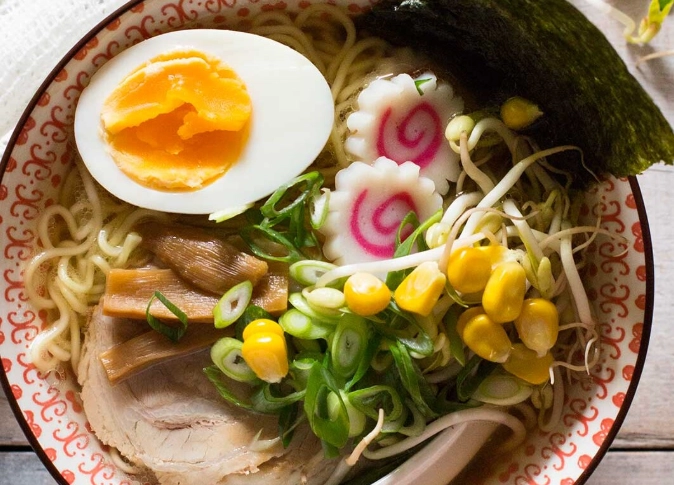
So, let's talk about shoyu ramen ingredients. Not just a list, but a proper breakdown of why each piece matters, where you can get it, and how it all comes together. This isn't about rigid rules—there are fantastic regional variations—but about understanding the foundation. Because once you get the foundation right, you can start playing and making it your own.
The Heart of the Matter: Deconstructing the Shoyu Ramen Bowl
Think of a great shoyu ramen as a symphony. It's not one loud instrument, but a harmony of five distinct sections working together. Miss one, and the music falls flat. Get them all right, and it's magic.
We're talking about the broth (the soul), the tare (the flavor commander), the noodles (the backbone), the toppings (the personality), and the aromatic oil (the finish). Every single one of these depends on specific, quality shoyu ramen ingredients.
The Broth: Where the Soul Resides
The broth is the base, the canvas for everything else. For shoyu ramen, you typically see a clear, golden-brown broth. It's usually a combination of two Japanese powerhouses: chintan and dashi.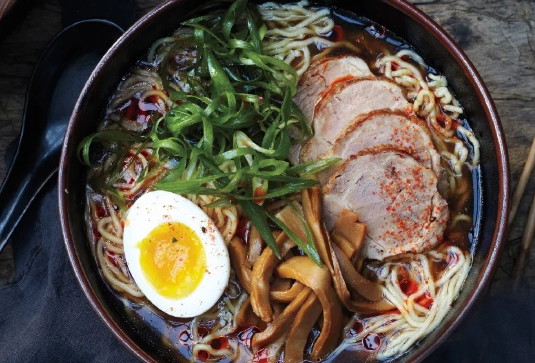
Chintan is your meat-based stock. You simmer chicken bones (carcasses, wings, feet for gelatin), sometimes with pork bones (like pork trotters or neck bones), for several hours at a low, gentle simmer. The goal is clarity and a deep, pure meat flavor. No rolling boils here—that makes it cloudy. I learned that the hard way on my first attempt. It looked like murky pond water. Not appetizing.
Dashi is the umami bomb. This is the secret weapon. It's a quick stock made from kelp (kombu) and smoked, dried bonito flakes (katsuobushi). You don't boil dashi; you steep it like tea to extract delicate flavors. This adds a profound, savory depth that meat broth alone can't achieve. You combine the chintan and dashi to create the final broth base. The ratio is up to you—more dashi for a lighter, more oceanic feel; more chintan for a richer, meatier body.
Other broth ingredients can include:
- Negi (Japanese long onion) and onion: For sweetness and aroma.
- Ginger: A small knob adds a bright, clean note.
- Garlic: Used sparingly, often charred first for a smoky background.
A pro tip from a ramen chef I met in Tokyo: save your vegetable scraps. Onion skins, carrot peels, mushroom stems. Toss them in a bag in the freezer and add them to your next chintan. It adds incredible complexity for free.
The Tare: The Flavor Commander (It's Not Just Soy Sauce)
This is where "shoyu" comes in. The tare is the concentrated seasoning paste added to the bottom of the bowl before the broth. It seasons the entire dish. And yes, shoyu (soy sauce) is the star, but it's rarely alone.
Making a proper shoyu tare is a project. It involves simmering soy sauce with other ingredients to mellow its saltiness and build layers. A basic shoyu tare might include:
- Shoyu (Soy Sauce): Not all are equal. For authenticity, seek out Japanese brands like Kikkoman or Yamasa. There are also artisanal koikuchi (dark) and usukuchi (light) varieties. Usukuchi is saltier but helps maintain a clear, light-colored broth.
- Mirin: Sweet rice wine. It balances the salt. Get hon-mirin (real mirin), not the "mirin-fu" seasoning stuff with corn syrup.
- Sake: Cooking sake adds alcohol-soluble flavors and another layer of complexity.
- Savory Elements: Dried shiitake mushrooms, more katsuobushi, maybe a piece of kombu, dried sardines (niboshi). These are simmered with the liquids to infuse insane amounts of umami.
- Aromatics: A bit of ginger, garlic, or even apple can be added for a fruitier, rounder note.
You simmer this mixture for 20-30 minutes, let it steep, then strain it. What you get is a powerful, fragrant liquid that's the true heart of your shoyu ramen flavor. You only need a tablespoon or two per bowl.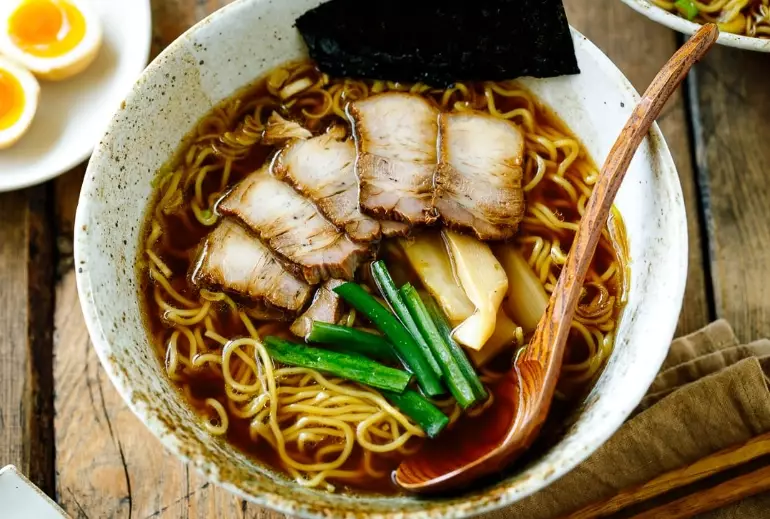
The Noodles: More Than Just Wheat and Water
Ramen noodles are alkaline noodles, thanks to an additive called kansui (usually a mix of potassium carbonate and sodium carbonate). This is what gives them their distinctive yellow hue, firm texture, and that slightly slippery, springy bite. You can't replicate it with Italian pasta.
For shoyu ramen, you typically want a straight, medium-thin noodle. The broth is clear and the flavors are precise, so a noodle that's too thick or curly can overwhelm. The key qualities are:
- Alkaline Level (Kansui): Defines the chew.
- Hydration: How much water is in the dough. Higher hydration (around 38-40%) often means a better, more delicate texture.
- Freshness: Fresh noodles, either homemade or from a specialty store, beat dried noodles every time. But good quality dried ramen noodles (like from Sun Noodle if you're in the US) are a fantastic, accessible option.
Can you make them at home? Absolutely. It requires bread flour, kansui (available online), water, and a pasta machine. But it's a labor of love. For most home cooks starting out, sourcing high-quality fresh or dried noodles is the smart move. Focus on mastering the broth and tare first.
The Toppings: The Personality on Display
This is the fun part. Toppings add texture, contrast, and visual appeal. The classic shoyu ramen lineup is elegant and purposeful.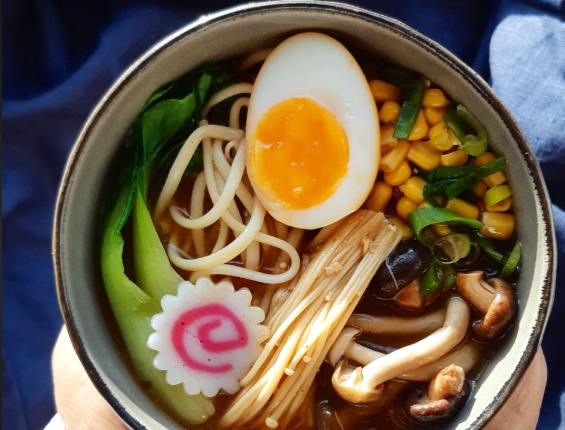
The Classic Shoyu Ramen Toppings Checklist
- Chashu (Braised Pork Belly or Shoulder): The king. Slow-braised until meltingly tender. The braising liquid often mirrors the tare (soy, sake, mirin, sugar).
- Menma (Seasoned Bamboo Shoots): Provides a crucial crunchy, fermented contrast. You can buy these pre-seasoned in jars.
- Negi (Finely Chopped Green Onions): Fresh, sharp, and colorful.
- Narutomaki (Fish Cake): The pink-swirled slice. It's mild, bouncy, and traditional.
- Ajitsuke Tamago (Marinated Soft-Boiled Egg): Non-negotiable for many. The yolk should be custardy, the white flavored from a soy-based marinade.
- Nori (Seaweed Sheet): A rectangle toasted nori adds a hit of the sea and a different texture.
You don't need all of them. A perfectly soft-boiled egg and some great chashu can be enough. But each one adds a dimension.
The Aromatic Oil: The Secret Finisher
Last but not least, a drizzle of fragrant oil on top of the broth. It seals in heat, adds richness, and carries aroma directly to your nose. For shoyu ramen, common choices are:
- Chicken Schmalz: Rendered chicken fat from making the broth. Incredibly savory.
- Toasted Sesame Oil: A few drops go a long way for nuttiness.
- Garlic Oil or Scallion Oil: Easy to make by infusing neutral oil with aromatics.
This is an easy step to skip, but it makes a noticeable difference in the final experience.
Sourcing Your Shoyu Ramen Ingredients: A Practical Guide
Alright, you're convinced. Now where do you find this stuff? It's easier than you think, even outside Japan.
Local Japanese/Korean/Asian Grocery Stores: Your best bet. They'll have fresh noodles (often in the fridge section), katsuobushi, kombu, mirin, sake, menma, nori, narutomaki, and a wide selection of soy sauces. You can often find bones for broth in the freezer section too.
Online Retailers: Amazon, specialty sites like The Japanese Pantry, or even Walmart's online store now carry a surprising range. This is great for kansui, specific soy sauce brands, or dried ingredients.
Local Butchers & Farmers Markets: For the best bones (chicken feet are gold for gelatin). Ask for chicken carcasses or pork neck bones.
Regular Supermarkets: You can find the basics: chicken wings, onions, ginger, garlic, green onions, eggs, pork belly. For soy sauce, look in the international aisle. Kikkoman is universally available and perfectly good.
Choosing the Right Soy Sauce: It Actually Matters
Since shoyu is the namesake ingredient, let's dive a little deeper. Walking down the soy sauce aisle can be confusing. Here’s a quick cheat sheet.
| Soy Sauce Type | Flavor Profile | Best Use in Shoyu Ramen |
|---|---|---|
| Koikuchi (Dark) | All-purpose, balanced salty-sweet, deep color. The most common type in Japan. | The default, safe choice. Provides a robust, classic flavor. |
| Usukuchi (Light) | Actually saltier, lighter in color due to using more wheat and less soy. | Great if you want a very clear, light-colored broth but strong seasoning. |
| Tamari | Thicker, richer, less wheat (often gluten-free), deeper umami. | Can be used in a blend for extra body and depth. Use sparingly as it's potent. |
| Shiro (White) | Very light, almost amber, very sweet and mild. | Not traditional for ramen, but could be experimented with for a very sweet, gentle tare. |
| Low-Sodium | Exactly what it says. | I'd avoid it for ramen. You're diluting the tare in broth, so control saltiness by using less tare, not weaker soy sauce. |
My personal go-to is a blend of 70% koikuchi and 30% usukuchi. It gives me the flavor I want with the color control. The Japan Soya Sauce Manufacturers Association has great resources on the different types if you want to fall down a rabbit hole.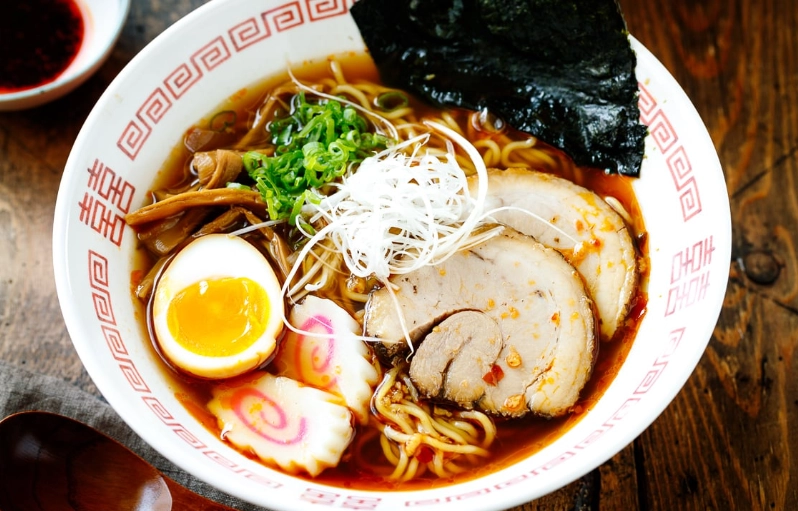
Experiment. Buy a few small bottles.
Common Pitfalls & How to Avoid Them
I've made most of these mistakes so you don't have to.
Pitfall 1: Overcooking the Dashi. Boiling kombu makes it slimy and bitter. Steep it in water just below a simmer (around 70°C/158°F) for 20 minutes, remove it, THEN bring to a boil and add the katsuobushi, then immediately turn off the heat.
Pitfall 2: Cloudy Broth. This comes from a violent, rolling boil when making chintan. Keep it at a bare simmer—just a few lazy bubbles. Also, blanch your bones first (cover with cold water, bring to a boil, dump the water, rinse bones) to remove impurities.
Pitfall 3: Tare Too Salty or Harsh. You didn't simmer and meld the flavors. Simmer your tare mixture for at least 20 minutes. Let it cool and taste. It should be powerful but balanced. If it's still too sharp, add a tiny bit of sugar or mirin.
Pitfall 4: Mushy Noodles. Cook them separately, to just under al dente, rinse briefly in cold water to stop the cooking, and add them to the hot broth right before serving. The residual heat will finish them perfectly.
Pitfall 5: Bland Overall Flavor. You likely under-seasoned. The tare in the bowl should be assertive. Don't be shy. Taste your broth after adding the tare but before adding noodles. It should be a little saltier than you think is perfect, because the noodles will soak up seasoning.
Answering Your Shoyu Ramen Questions
Wrapping It Up: Your Journey Starts Here
Look, mastering shoyu ramen isn't about a single recipe. It's about understanding the function of each component. The interplay between the clear, savory broth and the complex, soy-infused tare. The spring of the noodles against the melt of the chashu.
Start simple. Maybe just focus on making a great dashi and a simple shoyu tare. Use store-bought broth and noodles. That's still miles ahead of a flavoring packet. Next time, try the chintan. Then the noodles.
Each element of shoyu ramen ingredients is a skill you build. And the best part? Even your "practice" bowls are going to be delicious. So grab a pot, find your nearest Asian market, and start tasting the difference that real ingredients make.
Trust me, your taste buds will thank you.
Reader Comments