Flavor Journey: Quick Navigation
- Where This Unique Flavor Comes From: A Quick History Lesson
- Deconstructing the Taste: The Flavor Layers Explained
- How It Stacks Up: Japanese vs. Other Global Curries
- Not All Japanese Curries Taste the Same: Key Variations
- Answering Your Burning Questions (The FAQ)
- How to Experience the Real Taste (My Recommendations)
- The Final Verdict on What Japanese Style Curry Tastes Like
You've probably seen it in anime, heard friends rave about it, or spotted that distinctive golden-brown sauce on a menu. Japanese curry. It looks comforting, sure. But if you've never tried it, the big question hangs in the air: what does Japanese style curry taste like? Is it fiery like a Thai green curry? Is it complex and spiced like an Indian curry? Or is it something else entirely?
Let me tell you right now, it's its own beautiful, delicious thing. If I had to sum it up in one sentence? Imagine a thick, hearty, mildly spiced stew that's subtly sweet, deeply savory (umami, if we're being fancy), and hugs you from the inside out. It's less of a spice assault and more of a warm, flavorful blanket.
I remember my first bowl in a tiny Tokyo station restaurant. I was expecting heat. What I got was this rich, complex, and utterly comforting flavor that made me understand why it's a national obsession. It wasn't challenging; it was inviting. That's the magic.
Where This Unique Flavor Comes From: A Quick History Lesson
To really get the taste, you need to know its story. Japanese curry (kare, カレー) isn't an ancient tradition. It came from the British, who got it from India, during the Meiji era. The Japanese navy adopted it as a hearty, nutritious, and easy-to-make meal for sailors (it's famously resistant to spoilage on ships).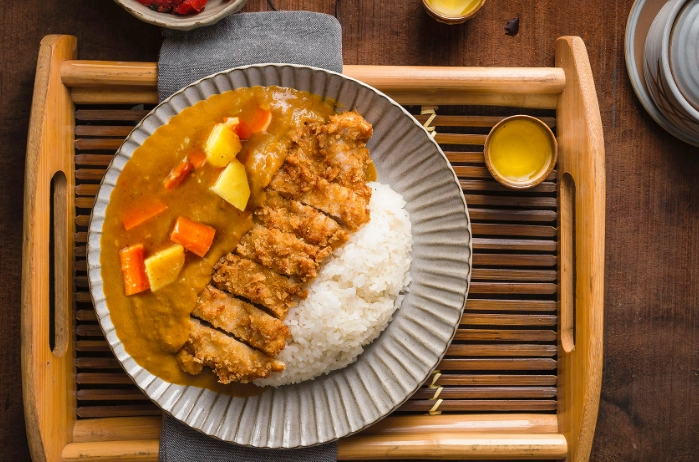
But here's the key: Japan made it its own. They tweaked the spice blends to suit local palates, which traditionally weren't used to heavy, dry spice mixes. They thickened it with flour (or, more commonly now, a roux) to create that signature gravy. And they started adding ingredients like potatoes, carrots, and onions—the classic nimono (simmered dish) vegetables. This fusion created a dish that was foreign in origin but fundamentally Japanese in its balance, simplicity, and focus on umami.
The invention of the curry roux block in the 1950s (by S&B Foods, if you're curious) sealed the deal. It made curry an accessible, foolproof weeknight meal for every household. This convenience factor massively shaped the standardized, beloved flavor we know today. For a deeper dive into this fascinating culinary history, the Kikkoman Institute for International Food Culture has some excellent, well-researched articles.
Deconstructing the Taste: The Flavor Layers Explained
Okay, let's get granular. When you ask "what does Japanese style curry taste like?", you're really asking about several flavors working together. Here’s the breakdown.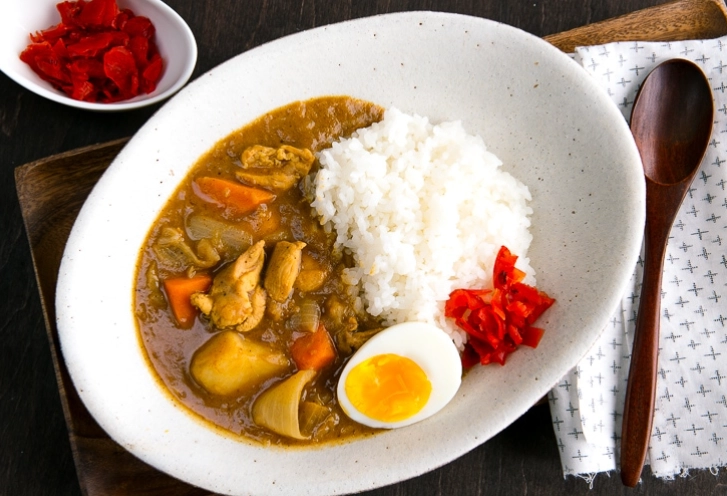
The Foundation: Sweetness
This is often the first note people notice, and it can surprise those expecting a savory-only profile. The sweetness isn't cloying like candy; it's a gentle, rounded background note. Where's it from?
- Fruit Purees or Additions: Grated apple, apple puree, or even banana is a classic "secret" ingredient in home recipes and many roux blocks. It adds natural fructose and complexity.
- Carrots & Onions: When these vegetables are slowly cooked down, their natural sugars caramelize, contributing a profound sweetness.
- Mirim or Honey: A splash of mirin (sweet cooking sake) or a bit of honey is common in recipes to balance the spices.
The Heart: Savory Umami & Saltiness
This is the body of the flavor. Without it, you'd just have sweet gravy.
- Dashi: This is the game-changer. Japanese curry is almost always made with a dashi (broth) base—either kombu (kelp) and katsuobushi (bonito flakes) or a simpler version. This infuses the entire dish with a deep, oceanic, savory umami that is distinctly Japanese. It's the soul of the flavor.
- Protein Fond: Browning your meat (typically pork, beef, or chicken) creates fond—those tasty browned bits at the bottom of the pot—which adds another layer of savory richness.
- Soy Sauce & Worcestershire: These are common seasoning agents, adding saltiness and a fermented, tangy depth (especially the Worcestershire).
- Tomato: Some recipes use tomato paste or ketchup, which adds umami (glutamates) and a touch of acidity.
The Character: The Spice Blend (But Not "Spicy")
This is where people get confused. Japanese curry is spiced, not necessarily spicy-hot. The heat level is generally very mild to moderate. The primary spices are warm, earthy, and aromatic:
- Curry Powder/Spice Mix: The base. Japanese curry powder is its own blend, typically heavier on turmeric (giving it that vibrant yellow-gold color), coriander, cumin, cardamom, cinnamon, clove, nutmeg, and ginger.
- Black Pepper & Chili: Provide the gentle warmth. The heat is a slow, building warmth in the back of your throat, not a front-of-the-mouth burn.
- Garlic & Ginger: Almost always used as aromatics at the start, providing a pungent, fresh base layer.
You see? The spice blend creates complexity and aroma, not fiery punishment. It's designed to be eaten in large, satisfying quantities, often by children.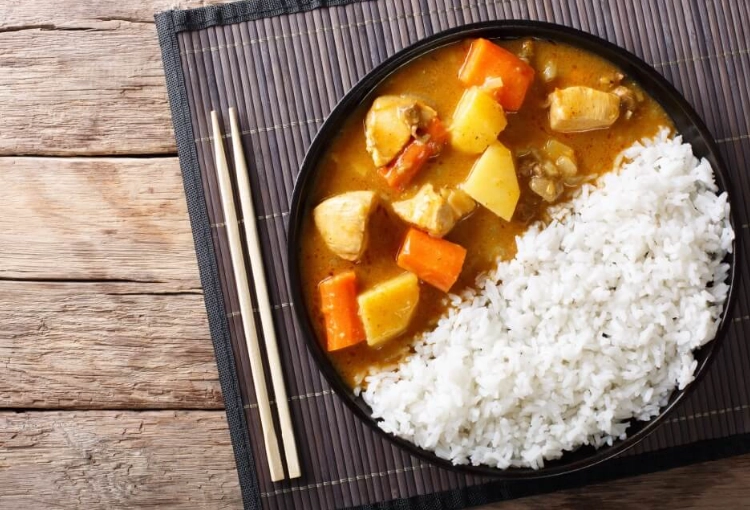
The Texture: Thick, Glossy, and Clingy
Taste isn't just flavor; mouthfeel is huge. Japanese curry has a thick, velvety, gravy-like consistency. It coats the back of a spoon. It clings perfectly to every grain of rice and piece of vegetable. This is achieved by the roux—a mixture of fat (butter, oil) and flour that's cooked and then dissolved into the stew. It's comfort in texture form.
How It Stacks Up: Japanese vs. Other Global Curries
The best way to understand what Japanese curry tastes like is to see what it's not. Here’s a quick comparison.
| Curry Type | Primary Flavor Notes | Heat Level | Texture & Key Ingredients | Overall Vibe |
|---|---|---|---|---|
| Japanese Curry | Sweet, savory (umami), mild aromatic spices. | Mild to Medium (gentle warmth). | Very thick, gravy-like. Uses roux, potatoes, carrots, onions, often served with pickles (fukujinzuke). | Hearty, comforting, home-style stew. Familiar and approachable. |
| Indian Curry (e.g., Butter Chicken, Rogan Josh) | Complex, layered dry spices (garam masala), tangy (yogurt, tomato), herbal. | Can range from mild to very hot. | Can be thin or creamy. Sauce often tomato/onion/yogurt based. Spices toasted and ground fresh. | Aromatic, complex, regionally diverse. Often a centerpiece dish. |
| Thai Curry (e.g., Green, Red, Massaman) | Fresh herbs (lemongrass, galangal, kaffir lime), pungent (fish sauce), creamy (coconut milk), SWEET-SOUR-SALTY-SPICY balance. | Often quite spicy (from fresh chilies). | Can be thin or creamy. Uses curry paste pounded from fresh ingredients, coconut milk. | Bright, vibrant, pungent, and explosive. A balance of extreme flavors. |
| British Curry (e.g., Chicken Tikka Masala) | Often creamy, tomato-based, sweet, with a recognizable "curry powder" flavor. | Usually mild to suit the British palate. | Thick and creamy. A product of the Anglo-Indian diaspora, adapted for UK tastes. | Rich, creamy, and familiar—the UK's national dish for a reason. |
See the difference? Japanese curry sits in its own cozy corner of the curry universe. It's less about high-heat or fresh-herb punch and more about that deep, rounded, stew-like satisfaction. If Indian curry is a symphony and Thai curry is a fireworks display, Japanese curry is a warm, familiar hug.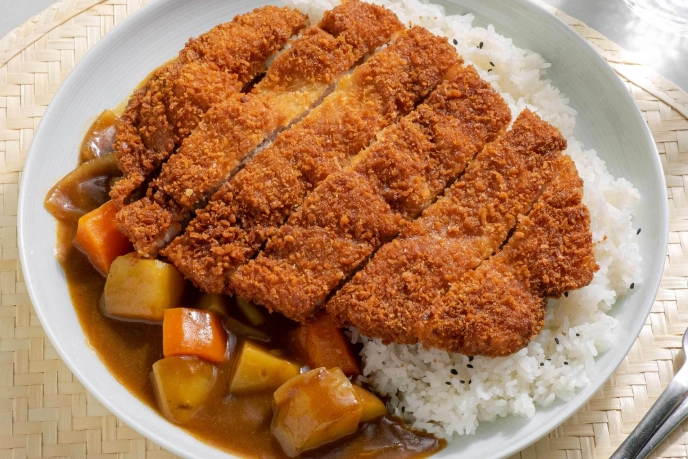
Not All Japanese Curries Taste the Same: Key Variations
Think Japanese curry is just one flavor? Think again. The taste can vary a lot depending on a few factors.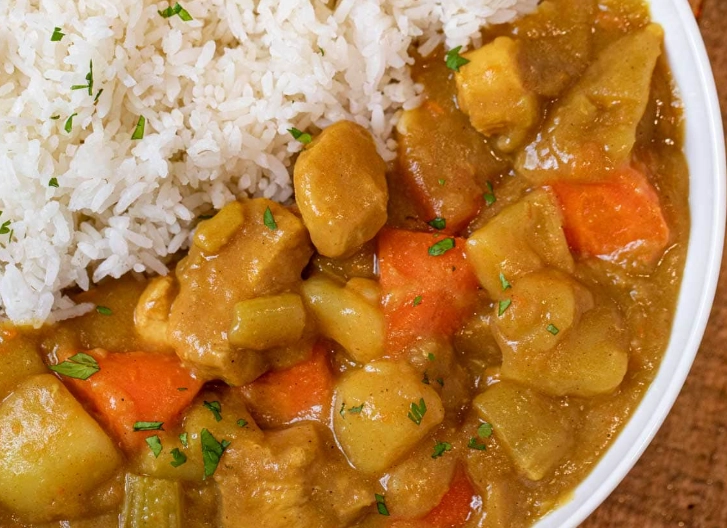
By Region & Style
- Standard Home/Chain Restaurant Curry: This is the sweet, savory, mild profile described above. Your baseline.
- Soup Curry (Hokkaido): A revolutionary style from Sapporo. It's a lighter, soupier broth (no roux!), packed with whole spices you can see (cinnamon sticks, cardamom pods). The flavor is more aromatic, herbal, and often spicier. The vegetables are usually served in big, chunky pieces. It's a completely different, more refreshing experience. If standard curry is a weighted blanket, soup curry is a brisk walk in a spice garden.
- Katsu Curry: The king of curry dishes. It's the standard curry sauce poured over a crispy, deep-fried pork or chicken cutlet (tonkatsu or chicken katsu). The taste experience here is about contrast: the hot, creamy, soft curry against the crunchy, savory, juicy cutlet. It’s textural heaven.
- Dry Curry: A minced meat "stir-fry" seasoned with curry powder, served with rice. It's less saucy, more granular, and the spice flavor is more forward and direct since it's not diluted in a gravy.
By Commercial Roux Brand
This is a huge factor in home cooking. Different brands have distinct flavor profiles. It's like cola vs. pepsi.
- S&B Golden Curry: The classic, most widely available overseas. Balanced, slightly sweet, with a recognizable "curry powder" aroma. A safe, delicious starting point.
- House Foods Vermont Curry: Famously uses apple and honey. It's noticeably sweeter and fruitier. Kids tend to love this one.
- House Foods Java Curry: The opposite end. Less sweet, more robust, with a stronger spice kick and a more "adult," savory flavor. Often uses more black pepper and chili.
- Glico Curry: Known for being less sweet and having a more "restaurant-style" taste, often highlighting the umami from dashi and tomatoes.
Answering Your Burning Questions (The FAQ)

How to Experience the Real Taste (My Recommendations)
Reading about it is one thing. Tasting is everything. Here’s how to get the best experience.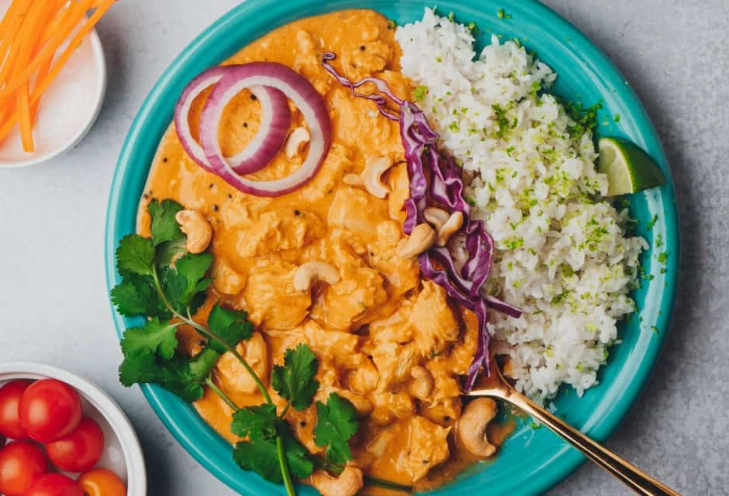
If You're Cooking at Home:
- Start with a Roux Block: Grab a box of S&B Golden Curry (Medium Hot) or House Java Curry (if you want less sweet). It's foolproof and delivers the authentic, classic taste.
- Use Dashi: Don't just use water. Use dashi stock. It makes a world of difference. You can use instant dashi granules (dashi no moto). This is the single biggest tip for elevating home-made curry.
- Brown Your Meat & Caramelize Onions: Take your time. This builds flavor foundations that a quick boil can't achieve.
- Add a Secret Ingredient: Try grating half an apple into the pot, or adding a square of dark chocolate (for depth, not sweetness), or a teaspoon of instant coffee. Experiment!
If You're Eating Out:
- At a Japanese Restaurant: Order the Katsu Curry. It's the ultimate introduction. The combination is unbeatable.
- Look for Specialty Shops: In bigger cities, seek out a Soup Curry restaurant. It's a revelation and shows you the other side of the Japanese curry coin.
- In Japan: Go to a kare-ya (curry shop) or a classic "shokudō" (diner). For a unique experience, try Navy Curry (kaigun kare) which is served on certain days at restaurants, replicating the historical recipe. The Japan National Tourism Organization (JNTO) guide is a great resource for food culture insights.
The Final Verdict on What Japanese Style Curry Tastes Like
So, let's circle back to the original question one last time. What does Japanese style curry taste like?
It tastes like comfort. It tastes familiar yet intriguing. It's a harmonious blend of gentle sweetness, profound savory umami, and warm, aromatic spices—all wrapped up in a thick, luxurious gravy that begs to be eaten with rice.
It's not trying to blow your head off with heat or confuse you with a hundred spices. Its goal is simpler: to satisfy, to warm, and to become a meal you crave again and again. It's the culinary equivalent of your favorite sweater.
Whether you make it from a box, from scratch, or order it at a restaurant, you're in for a uniquely delicious experience. Don't overthink it. Just get a spoon, dig into that steaming plate of rice and rich, golden-brown sauce, and taste for yourself why Japan fell in love with this adapted dish. You might just find a new comfort food favorite.
Really, that's the only way to truly know. Your own bowl is the best answer.
Reader Comments