That sound. The satisfying, airy crunch as your teeth break through a golden crust into a steaming, juicy piece of pork. That's the promise of a perfect tonkatsu. It seems simple—breaded pork cutlet, fried. But between a mediocre, greasy cutlet and a sublime one lies a world of subtle choices: the cut of meat, the type of panko, the temperature of the oil, the thickness of the cabbage shreds on the side.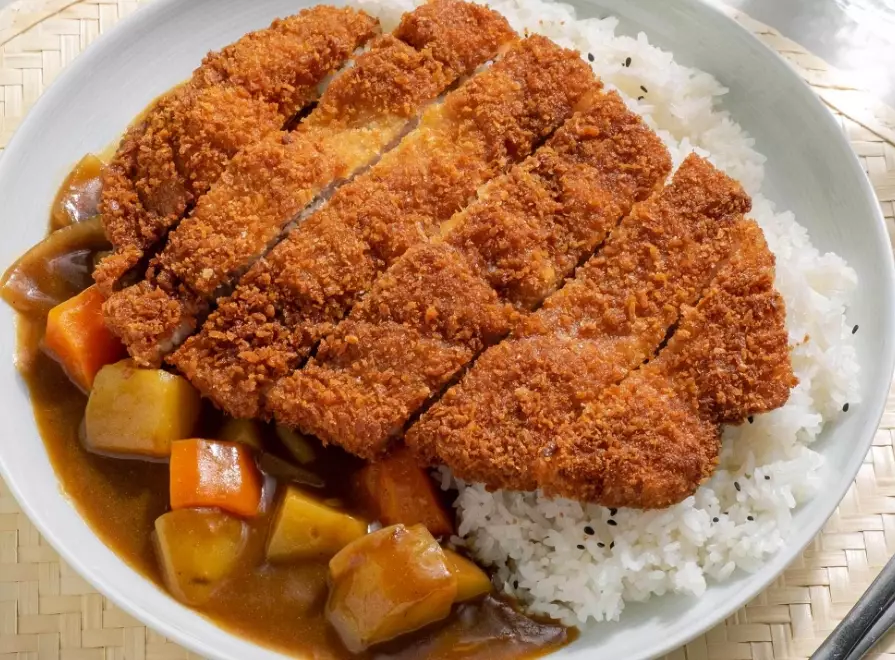
I've eaten tonkatsu in back-alley shops in Tokyo, in luxurious hotel restaurants in Kyoto, and have made more failed (and eventually successful) batches at home than I care to admit. This guide is what I wish I had when I started.
What's Inside This Guide
What Exactly Is Tonkatsu? A Brief Dive
Tonkatsu (豚カツ) is a Japanese dish of a breaded, deep-fried pork cutlet. It arrived in Japan in the late 19th century, inspired by European cuisine, and was quickly adapted into something uniquely Japanese. The name itself tells the story: "ton" means pork, and "katsu" is a shortened form of "katsuretsu," the Japanese pronunciation of "cutlet."
But it's not just any fried pork. The specific technique—using Japanese-style panko breadcrumbs for an extra-crunchy, flaky crust, served with a pile of finely shredded cabbage and a thick, savory-sweet sauce—is what defines it. You'll typically find two main types on menus:
Hire-katsu (ヒレカツ): Made from pork fillet or tenderloin. It's leaner, more tender, and often considered the more premium option. The texture is consistently soft.
Rōsu-katsu (ロースカツ): Made from pork loin. It has a ribbon of fat running along the edge, which keeps it incredibly juicy and packs more flavor. This is my personal favorite for its richer taste.
Walk into any tonkatsu-ya (specialty shop), and you'll be hit with the aroma of frying oil and hear the steady sizzle. It's comfort food at its finest, yet achieving that perfect balance at home is a craft.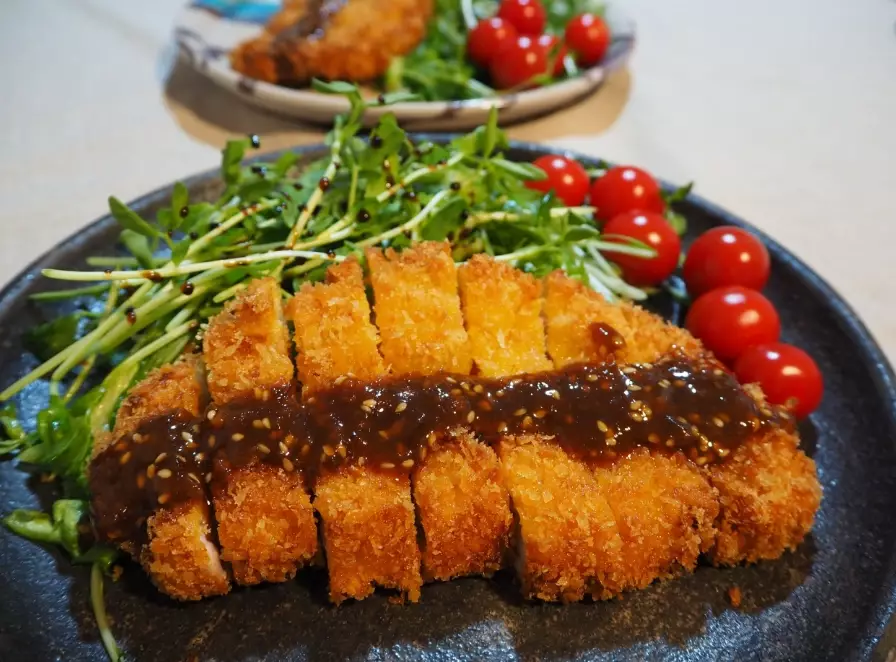
The Step-by-Step to Making Perfect Tonkatsu
Let's get practical. Here’s how to build your tonkatsu from the ground up, with the pitfalls I've learned to avoid.
1. Selecting and Preparing the Pork
You can't make great tonkatsu with mediocre pork. For hire, look for a pale pink, firm piece. For rōsu, you want visible marbling—those white streaks of fat within the meat.
Thickness is key. Aim for cuts about 1.5 to 2 cm thick (about 2/3 inch). Any thinner, and it'll cook too fast and dry out. Any thicker, and the crust might burn before the center is done.
Once home, tenderize the meat lightly with the back of a knife or a meat mallet. This isn't to beat it into submission, just to break up the fibers a bit for even cooking. Some purists skip this for hire, but I always do it for rōsu.
2. The Breading Station: Flour, Egg, Panko
This is where the magic—and the mess—happens. Set up three wide, shallow dishes in this order: all-purpose flour, beaten egg (with a tiny splash of water beaten in), and panko breadcrumbs.
The Flour: A light, even coat. Tap off every single bit of excess. This layer is the primer; if it's too thick, the egg won't stick properly.
The Egg: Dip the floured pork, let the excess drip back into the bowl. I mean, really let it drip for a few seconds.
The Panko: This is the star. Don't sprinkle. Place the pork cutlet onto the panko and then use your other (dry!) hand to scoop panko over the top, pressing gently but firmly to adhere. You want a generous, even coating.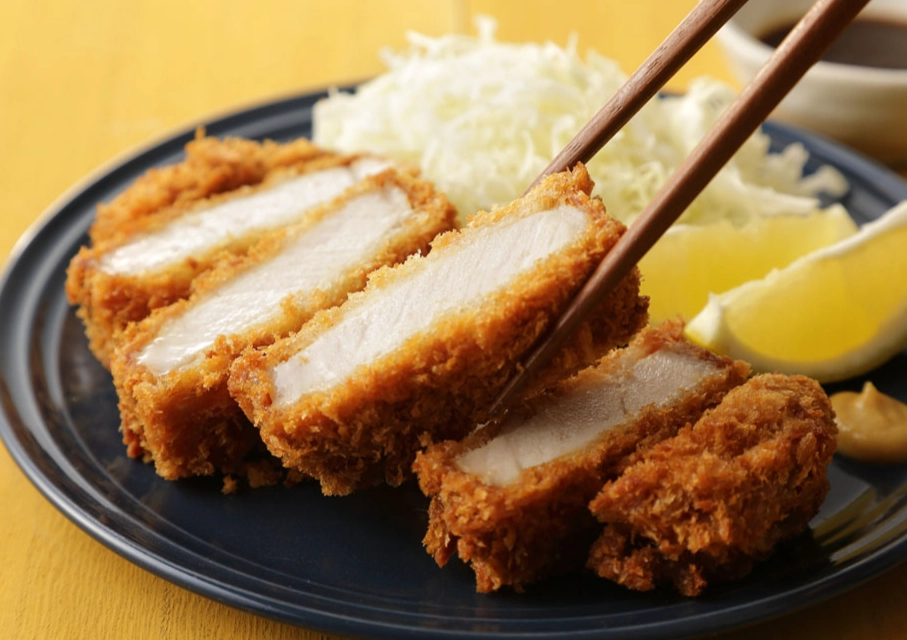
Let the breaded cutlets rest on a wire rack for at least 5-10 minutes. This lets the egg set and glue the panko on. Skipping this is a prime reason for breading falling off during frying.
3. Mastering the Fry
Use a neutral, high-smoke-point oil like canola or peanut oil. Fill your pot or fryer to a safe level.
Heat the oil to 170°C (340°F). This is the sweet spot. I use a clip-on thermometer. Guessing is a recipe for greasy or burnt tonkatsu.
Gently lower the pork into the oil. It should bubble actively but not violently. Fry for about 4-5 minutes per side for a 1.5cm cutlet, until it's a deep, uniform golden brown.
The double-fry method some experts use: Fry at 160°C until just cooked through (about 6 minutes), remove and rest for 3 minutes, then flash-fry at 180°C for 45 seconds to crisp up the exterior. It's more work, but the textural difference is noticeable.
Drain on a wire rack, never on paper towels. Paper towels trap steam and create sogginess.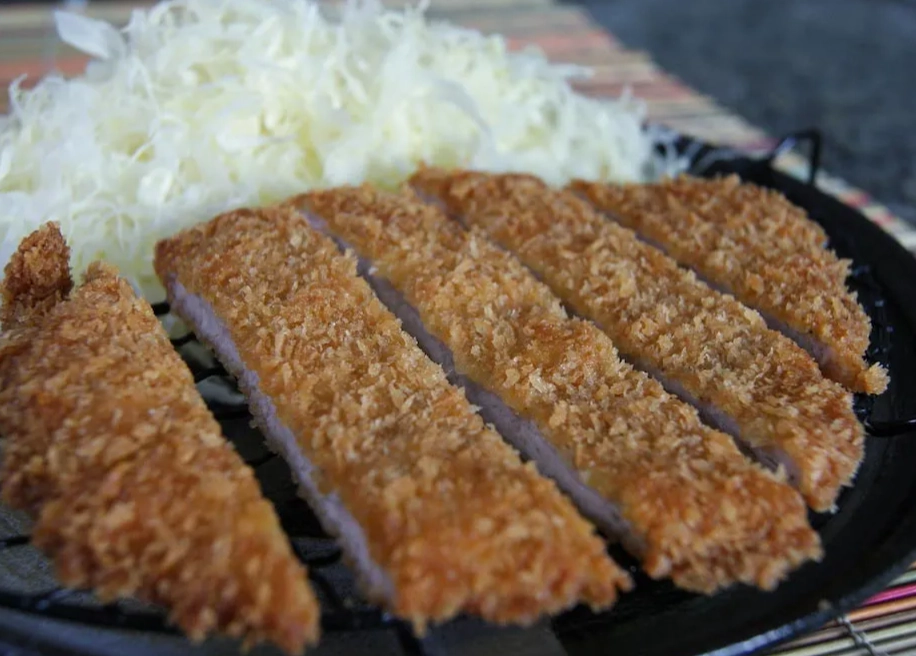
Tonkatsu's Essential Companions
The cutlet is the star, but the supporting cast is non-negotiable.
The Sauce (Tonkatsu Sōsu): The thick, brown, savory-sweet sauce. Bull-Dog brand is the ubiquitous standard in Japan. It's a blend of vegetables, fruits, and spices. You can buy it, or make a quick approximation with Worcestershire, ketchup, and a dash of soy sauce. For a more complex homemade version, simmer equal parts Worcestershire sauce and ketchup with a grated apple, a slice of onion, and a dash of soy sauce for 10 minutes, then strain.
The Cabbage (Kyabetsu no Sen-giri): Finely shredded raw cabbage. It's the crisp, clean counterpoint to the rich, fried pork. The shredding is an art—thin, uniform strands. A mandoline helps, but a sharp knife works.
The Rice: A bowl of perfectly steamed white Japanese short-grain rice. It soaks up the extra sauce and completes the meal.
Mustard (Karashi): Japanese hot mustard. A small dab on the side for dipping. It cuts through the fat.
Where to Eat Great Tonkatsu: A Curated Shortlist
Sometimes you just want to leave it to the pros. If you find yourself in Japan, or in a city with a serious Japanese food scene, here are the types of places to seek out and a few legendary names to know.
| Restaurant / Shop Type | What to Expect | Price Point (per cutlet) | Notable Example & Address (If Known) |
|---|---|---|---|
| The Classic Specialists (Tonkatsu-ya) | Dedicated to tonkatsu. Often one or two choices (hire/roosu), set meals (teishoku) with all the fixings. Focus on perfecting the core product. | ¥1,200 - ¥2,500 | Maisen (まい泉) in Tokyo. Famous for decades. 4-8-15 Jingumae, Shibuya. Expect a line. |
| The High-End Innovators | Premium breeds of pork (like Kurobuta), rare cuts, unique panko blends, refined sauces. An experience. | ¥3,000 - ¥5,000+ | Tonkatsu Aoki (とんかつ 青木) in Kyoto. Known for meticulous sourcing and presentation. |
| The Local Favorite (Jimoto no Ie) | Unpretentious, often family-run. Consistent, hearty portions. The place locals go for their fix. | ¥800 - ¥1,500 | Look for places with a steady stream of older Japanese gentlemen going in and out. A good sign. |
| Kushi-katsu Specialists | Not tonkatsu, but its cousin from Osaka: various ingredients skewered and fried. A different, fun experience. | Per skewer | Kushikatsu Daruma (串カツだるま) in Osaka. The originator of the style. |
In Kyoto, Katsukura (名代とんかつ かつくら) is another institution, known for its sesame-grinding ritual where you grind your own sesame seeds for the sauce. It's a gimmick, but a fun one.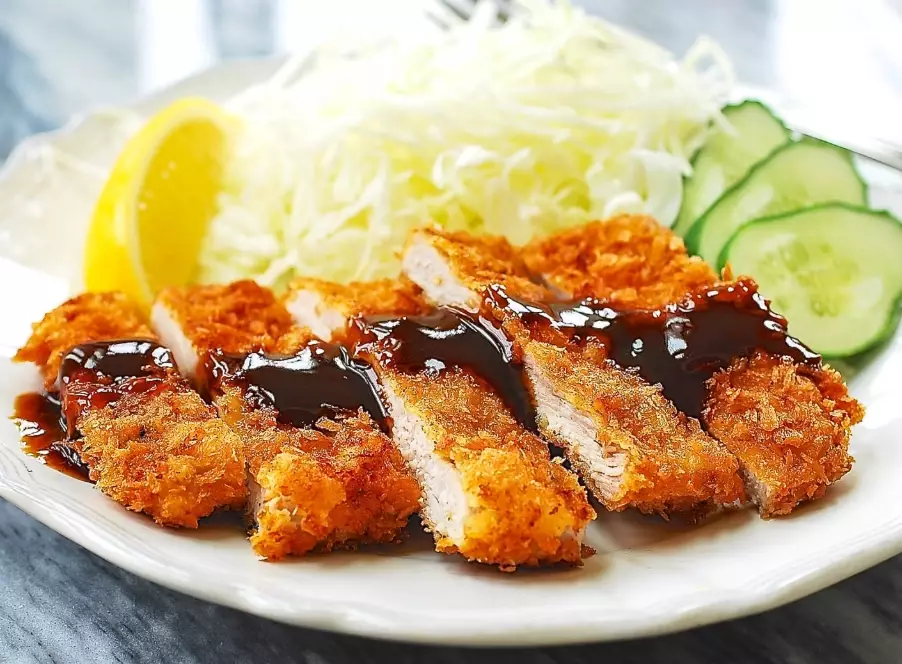
How to Eat Tonkatsu Like You Mean It
There's a loose protocol. The set meal (tonkatsu teishoku) arrives. You take a bit of hot mustard and mix it into your little dish of tonkatsu sauce to your preferred strength.
Cut a piece of tonkatsu with your fork (or chopsticks if you're adept). Dip it into the sauce. Place it on a bit of rice. Or take a forkful of the shredded cabbage, dip it in the sauce, and eat it as a palate cleanser between bites of the rich pork.
The key is to enjoy the contrast—the hot, rich, crunchy pork with the cool, crisp, lightly dressed cabbage. Don't let it get cold.
Your Tonkatsu Questions, Answered
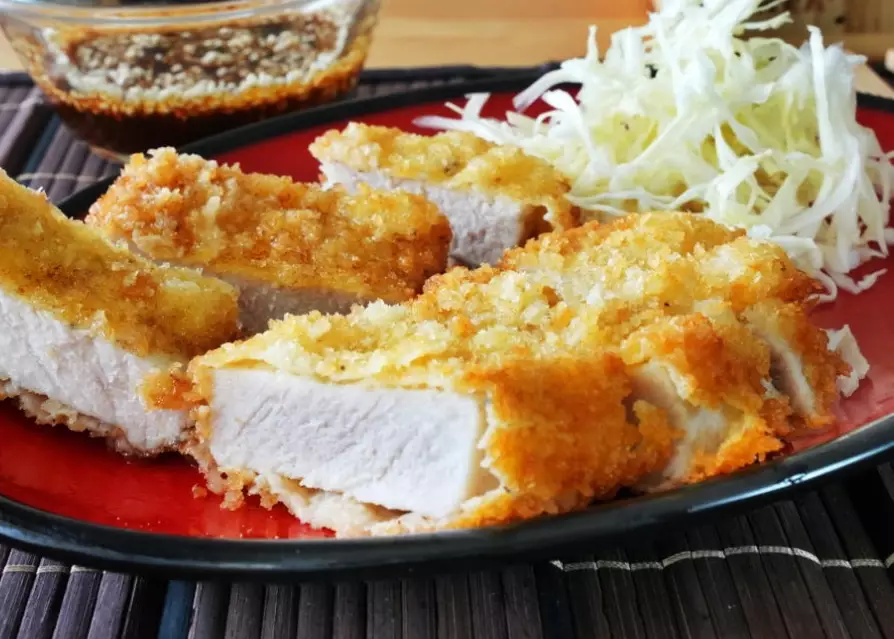 The quest for the perfect tonkatsu is endless. A new breed of pig, a different brand of panko, a half-degree difference in oil temperature. That's the fun of it. Start with a good piece of pork, respect the breading process, control your heat, and you're 90% there. The rest is just refinement, and eating a lot of very good tonkatsu along the way.
Reader Comments