Quick Guide to Tempura Dough
- What Exactly Is Tempura Dough? It's More Than Just Batter
- Crafting Your Tempura Dough: A Step-by-Step, No-Stress Method
- Tempura Dough Ingredients Deep Dive: A Comparison Table
- Why Does My Tempura Get Soggy? Troubleshooting Your Tempura Batter
- Beyond the Basics: Advanced Tempura Dough Techniques & Variations
- A Foolproof, Detailed Tempura Dough Recipe You Can Trust
- Your Tempura Dough Questions, Answered (FAQ)
- Final Thoughts: Embrace the Imperfection
Let's be honest. We've all been there. You follow a tempura recipe to the letter, you get the oil nice and hot, you dip your shrimp or sweet potato in that batter, and... it comes out kind of heavy. Maybe a bit oily. Definitely not that ethereal, shatteringly crisp lace you get at a good Japanese restaurant. What gives? The difference, my friend, almost always comes down to the tempura dough itself. It's not just a simple mixture of flour and water; it's a delicate, almost fleeting science. And once you understand it, you can stop chasing that perfect texture and start making it at home, consistently.
I remember my first attempt. I used ice water, I was gentle. I thought I had it. The result was a thick, bready coat that tasted fine but felt all wrong. It was a far cry from the light, crispy tempura I loved. That failure sent me down a rabbit hole of talking to chefs, reading old cooking texts (translated, of course), and a lot of trial and error. What I learned transformed my approach. This guide is that journey, condensed. We're going to move beyond the basic recipe and into the why and how of truly great tempura batter.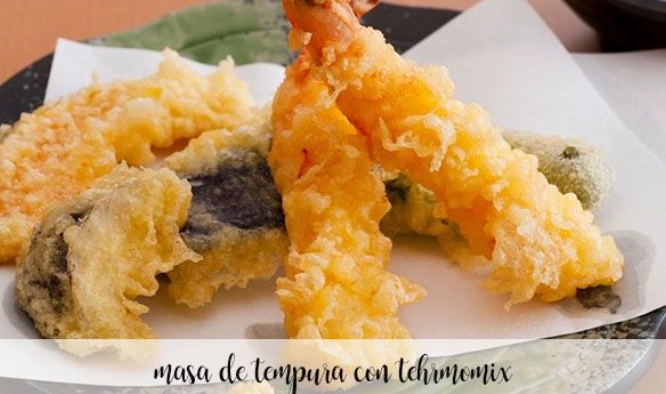
What Exactly Is Tempura Dough? It's More Than Just Batter
Tempura batter, or koromo in Japanese, is famously minimalist. Flour, cold water, sometimes an egg yolk. That's it. But that simplicity is deceptive. The magic happens in the technique and the specific qualities you're aiming for. But what exactly makes tempura tempura? It's that specific texture—a crunchy exterior that's almost lacy, with large, irregular bubbles, that remains crisp for a surprisingly long time without becoming tough or soggy. It should taste of the ingredient it coats, not of dough or oil.
Many Western batters (think beer batter or pancake batter) rely on chemical leaveners like baking powder for lift and a more cake-like structure. Tempura dough is different. Its lift comes almost entirely from the rapid vaporization of water in a very hot oil, and the unique way the gluten in the flour is (or rather, isn't) developed. The goal is minimal gluten formation. Gluten is the enemy of lightness here. It's what makes things chewy and dense.
The Core Trinity: Flour, Water, Temperature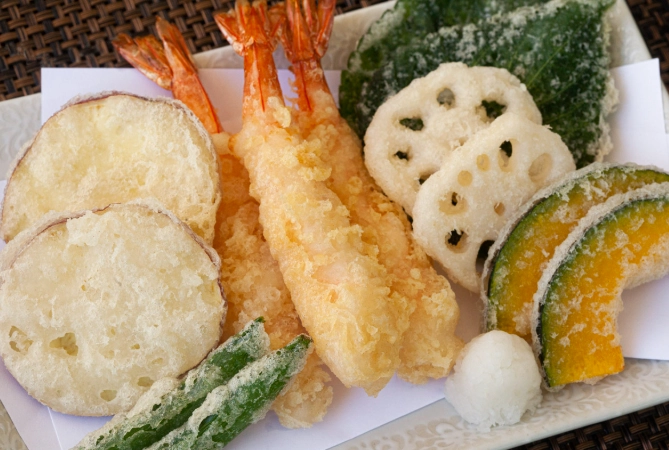
Every component in your tempura dough mix has a specific, non-negotiable role. Mess with one, and the final product suffers.
The Flour: Not all flours are created equal. In Japan, a low-protein, soft wheat flour is typically used. Its protein content is often around 8-9%, compared to all-purpose flour which can be 10-12%. Less protein means less potential gluten. You can use all-purpose flour, but the results will be slightly different—often a bit chewier. For the closest authentic result, seek out cake flour or a specific tempura flour blend. Some people even swear by a mix of all-purpose and cornstarch or potato starch to dilute the gluten further. Personally, I've had great success with a 50/50 blend of all-purpose and cake flour. It's a good compromise if you can't find specialty flour.
The Water: This is arguably the most critical factor. It must be ice cold. I'm talking about water with actual ice cubes in it, or water kept in the freezer until it's nearly slushy. Why? Cold water slows down gluten development the moment you mix. It also creates a greater temperature shock when it hits the hot oil, leading to more vigorous steam production and a puffier, crisper crust. Using room-temperature water is one of the top reasons for failure.
The Temperature (of Everything): It's not just the water. Your dry ingredients should be cold too. I often put my flour and bowl in the freezer for 20-30 minutes before I start. Even the ingredients you're frying should be pat-dried and cool. The goal is to keep everything as cold as possible until the moment of frying. This temperature discipline is non-negotiable for that signature texture.
Crafting Your Tempura Dough: A Step-by-Step, No-Stress Method
Forget the whisk. Ditch the electric mixer. Your hands, a pair of chopsticks, or a few forks are your best tools here. Over-mixing is the death of good tempura batter.
- Chill Everything: Place your flour (and any starches) in a large, wide bowl. Put this bowl, along with your beating utensils (chopsticks are ideal), in the freezer. Get your water icy cold, with ice cubes floating in it.
- Prep Your Station: Have your drying ingredients (on a rack with paper towels) and your frying oil (heated to 340-350°F / 170-175°C for most items) ready. Tempura is a fast-paced operation. You don't want your mixed batter sitting around.
- The Mixing Moment: Take the cold bowl out. Pour the ice-cold water (measure it by volume or weight for consistency) into the center of the flour. If using an egg yolk, lightly beat it into the water first. Now, here's the key: be lazy. Stir with your chopsticks in a few swift, zig-zag motions. You are NOT aiming for a smooth batter. A lumpy, streaky batter with visible dry flour pockets is PERFECT. This means the gluten hasn't been overworked. The consistency should be quite thin, like heavy cream or buttermilk. It will coat ingredients in a sheer layer. This thin tempura dough is what creates the lace.
- Fry Immediately: Dip your pre-dried ingredient, let the excess batter drip off for a second, and gently lower it into the oil. Don't crowd the pot. The batter should start bubbling and puffing up instantly.
- The Double-Dip (Optional Advanced Move): For an extra craggy, ultra-crispy coating, some chefs use the nobashi technique. Briefly dip the ingredient in the batter, then in a tray of dry flour, then back in the batter for a second before frying. This creates incredible texture but requires a bit more finesse.
See? The process for making tempura dough is simple. The discipline is what's hard. Resisting the urge to stir it smooth is a battle against every baking instinct we have.
Tempura Dough Ingredients Deep Dive: A Comparison Table
Let's break down the common flour choices and their impact. This table should help you decide what to use based on what you have and the texture you want.
| Flour Type | Protein Content | Best For | Texture Result | Personal Note |
|---|---|---|---|---|
| Japanese Tempura Flour | Very Low (~8%) | Authentic, classic tempura | Extremely light, delicate, lacy crisp. Dissolves almost instantly on the tongue. | The gold standard. If you're serious, seek it out online or at an Asian grocer. |
| Cake Flour | Low (~8-9%) | Excellent substitute for tempura flour. | Very similar to tempura flour—light and crisp. A fantastic accessible option. | My go-to when I can't get the real thing. Consistently great results. |
| All-Purpose Flour | Medium (~10-12%) | Accessibility, general use. | Crisp, but can be slightly thicker and chewier. Less “lace-like.” | It works, but you must be extra careful not to overmix. The margin for error is smaller. |
| 50/50 AP Flour & Corn/Potato Starch | Effectively Lower | Maximizing crispiness, gluten-free adaptation. | Exceptionally crisp and stays crisp longer, but can be a bit “hard” rather than “delicate.” | Great for vegetables that release moisture (like zucchini). The starch helps lock in crispness. |
| Gluten-Free Flour Blend | None | Gluten-free diets. | Can be very crisp but often lacks structure and can be fragile. Flavor can be off. | Tricky. Look for blends with rice flour and tapioca starch. Add a touch of xanthan gum for cohesion. |
You'll notice I didn't list bread flour. That's on purpose. Its high protein content makes it terrible for tempura—you'll end up with a tough, chewy shell. Just don't do it.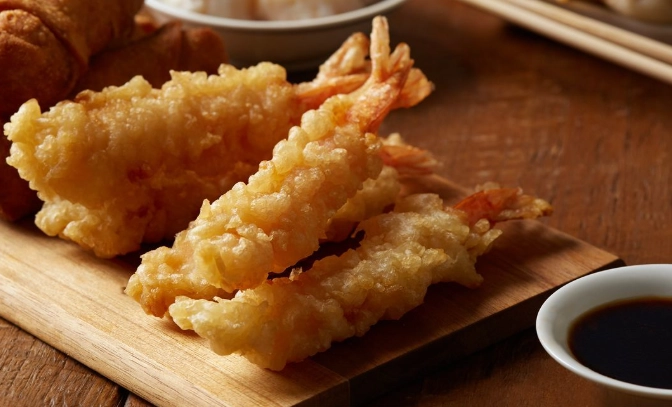
Why Does My Tempura Get Soggy? Troubleshooting Your Tempura Batter
This is the million-dollar question, right? You pull out a beautiful, golden piece of tempura, and by the time it hits the plate, it's already softening. Let's diagnose.
- Oil Temperature is Wrong: This is culprit number one. If the oil isn't hot enough (below 340°F/170°C), the batter will absorb oil instead of sealing instantly, leading to greasy, soggy tempura. If it's too hot, the outside burns before the inside cooks, and the batter can't form its proper structure. Use a thermometer. Seriously. Guessing doesn't work here.
- Wet Ingredients: Any surface moisture on your shrimp, vegetables, or whatever you're frying will create steam under the batter, causing it to separate and become soggy. Pat everything bone dry with paper towels.
- Overcrowding the Pot: Adding too many pieces at once drops the oil temperature dramatically. Fry in small batches to maintain a steady, high heat.
- Batter is Too Thick: A thick, pancake-like batter will steam the ingredient inside and create a dense, doughy layer that holds onto oil and moisture. Your tempura dough should be thin.
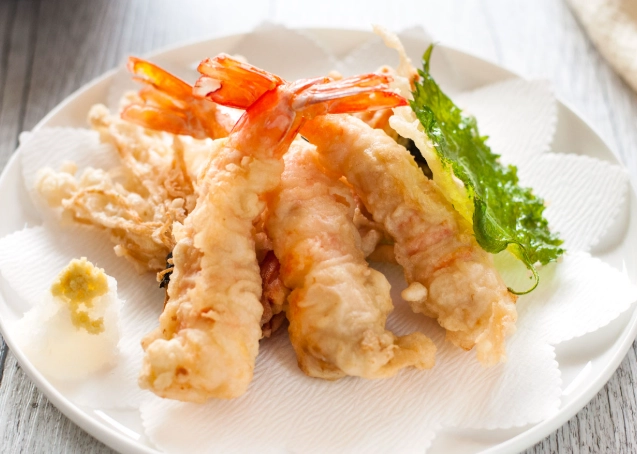
- Letting it Steam on the Plate: Never pile tempura on a plate. The residual heat and steam will ruin the bottom pieces. Always use a wire rack set over a sheet pan. This allows air to circulate and keeps everything crisp. A simple but transformative tip.
Beyond the Basics: Advanced Tempura Dough Techniques & Variations
Once you've got the classic method down, you can start to play. Different ingredients and occasions call for slight tweaks to your tempura batter recipe.
1. The Egg Yolk Debate
Some recipes include an egg yolk, some don't. What's the deal? The yolk adds richness, a deeper golden color, and a slightly more substantial, tender-crisp texture. It can also help the batter adhere a tiny bit better. Purists often skip it for the sheerest, most delicate crust. I like it for heartier vegetables like kabocha squash or for seafood, as it adds a nice flavor. Try both ways and see what you prefer.
2. Tempura for Different Ingredients
You might adjust your batter consistency slightly based on what you're frying. For delicate herbs (shiso leaves, parsley) or very thin slices of vegetable, a slightly thicker batter (a touch less water) can help it cling. For large, dense pieces like a whole shrimp or a chunk of sweet potato, the standard thin batter is perfect as it allows for thorough cooking without a doughy shell.
3. The "Secret" Ingredient: Vodka
This is a modern hack popularized by food science writers like J. Kenji López-Alt. Replacing a portion (say, 25-50%) of the ice water with 80-proof vodka works wonders. Why? Alcohol evaporates much faster than water. In the hot oil, it creates even more vigorous bubbling and steam, leading to a drier, crisper crust. The alcohol also inhibits gluten formation. It's a game-changer for home cooks and is now a staple in my own tempura dough. Just don't use your top-shelf stuff!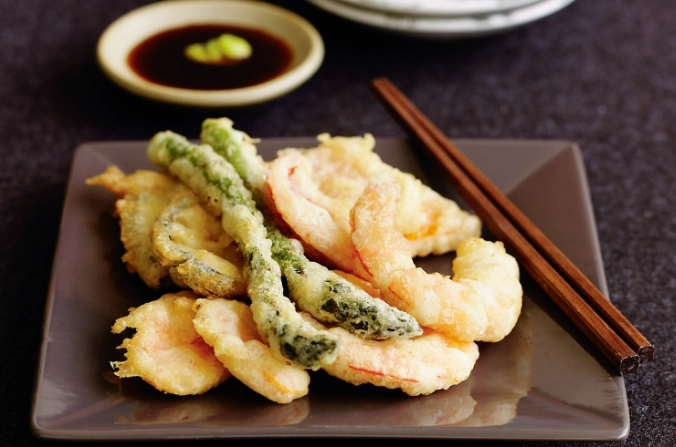
A Foolproof, Detailed Tempura Dough Recipe You Can Trust
Alright, let's put it all together. Here is my workhorse recipe, with weights for accuracy. This makes enough for a small batch to fry immediately.
Ingredients:
- 60g (about 1/2 cup) cake flour OR 50/50 blend of all-purpose and cake flour (chilled)
- 120g (1/2 cup) liquid, comprised of: 90g very cold water + 30g vodka (OR use all 120g ice water)
- 1 large egg yolk (optional, but recommended for beginners)
- Ice cubes
- Neutral, high-smoke-point oil for frying (canola, peanut, rice bran)
Method:
- Combine the water and vodka in a glass with several ice cubes. Let it sit.
- Place your flour in a wide, shallow bowl that has been in the freezer for 15 minutes.
- In a separate small bowl, lightly beat the egg yolk (if using).
- Heat 2-3 inches of oil in a heavy pot (Dutch oven is perfect) to 350°F (175°C). Set a wire rack over a baking sheet near your fry station.
- When the oil is nearly ready, finish the batter. Remove the ice cubes from the water/vodka mix. Stir the cold liquid into the beaten egg yolk, if using. If not using yolk, just use the cold liquid.
- Create a well in the center of the cold flour. Pour in the cold liquid all at once.
- Using chopsticks or a fork, stir in about 10-15 swift, zig-zag strokes. Stop the moment the liquid is incorporated, even if there are lots of lumps and dry flour streaks. The batter will be thin.
- Immediately dip your dried ingredients, fry in small batches (don't drop below 340°F), and drain on the wire rack. Serve instantly with tentsuyu (dipping sauce) or just sea salt and lemon.
This recipe, with its specific instructions for chilling and mixing, will give you a head start on perfect tempura dough every single time.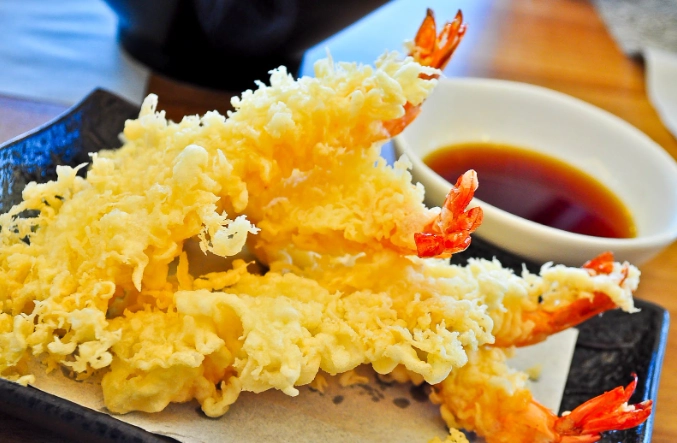
Your Tempura Dough Questions, Answered (FAQ)
Q: Can I make the tempura batter ahead of time?
A: I really, really don't recommend it. Even chilled, the flour will hydrate and the batter will become gluey. The best “make-ahead” is to have all your components measured and chilled. Mix the batter at the last possible second.
Q: What's the ideal consistency? It seems too thin!
A: It should seem too thin! It should coat the back of a spoon but be nearly transparent. A thick batter makes a thick, bready coating. Trust the thinness.
Q: Can I make gluten-free tempura dough?
A: Yes, but it's trickier. Use a gluten-free flour blend that's meant for frying (often contains rice flour and tapioca starch). You may need to add a binder like a teaspoon of xanthan gum to the dry mix to help it adhere. The texture will be different—often more brittle and very crisp—but still delicious. Expect a learning curve.
Q: Why do restaurants' tempura stay so crisp?
A: Professional, powerful fryers that recover temperature instantly after adding food, extreme discipline with batter mixing (often mixing each batch per table), and immediate service on racks. They also often use specialized oils and flours. But you can get 95% of the way there at home with the techniques above.
Q: Is there a difference between tempura batter and other fried batters?
A: Absolutely. As discussed, tempura is defined by its minimalism and goal of a light, lacy, non-greasy crust. Beer batter is thicker, leavened, and cake-like. Southern-style fried chicken batter is heavily seasoned and often includes buttermilk for tang and tenderness. They're all great, but they're different tools for different jobs.
Final Thoughts: Embrace the Imperfection
The beautiful thing about tempura is that it's meant to be slightly irregular. Those craggy bits, the uneven color, the delicate lace that breaks at a touch—that's the charm. It's not a perfect, uniform coat of breading. It's a fleeting, crispy cloud. Don't stress if every piece isn't a magazine photo. If it's light, crisp, and highlights the flavor of what's inside, you've succeeded brilliantly.
Mastering tempura dough is one of those kitchen skills that feels like a superpower. It transforms simple vegetables and seafood into something extraordinary. It takes practice, sure. Your first batch might not be perfect. My certainly wasn't. But once you feel that delicate crunch between your teeth and taste the pure, unadulterated flavor of the ingredient, you'll know it was worth the effort. So get your flour cold, your water icy, and give it a go. You might just amaze yourself.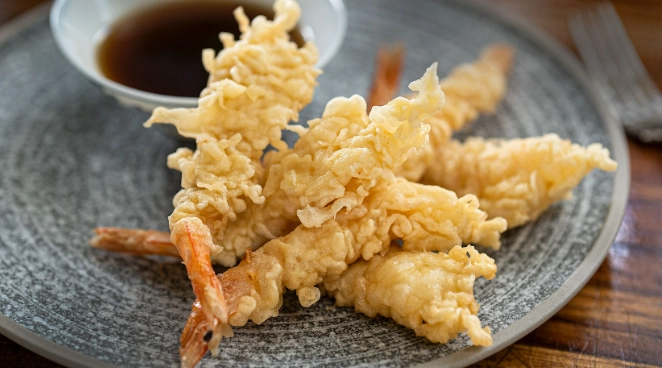
For further reading on Japanese culinary techniques and ingredients, reputable resources like the Japan External Trade Organization (JETRO) often have fascinating insights into food culture. And for a deep dive into the science of frying and batters, the research and writings by food scientists like those at Serious Eats are invaluable, as they rigorously test variables like vodka in batter and oil types.
Reader Comments