My first real encounter with Japanese sweets wasn't in a fancy cafe. It was in a cramped Tokyo depachika – the basement food hall of a department store. I picked up a small box of namagashi, the fresh, seasonal wagashi. It looked like a tiny, edible sculpture of a autumn maple leaf. I took a bite expecting overwhelming sugar. Instead, I got subtle sweetness from white bean paste, a hint of chestnut, and a texture that was somehow both soft and defined. That's when I realized the common Western misconception: reducing Japanese desserts to just green tea flavored things is like saying French cuisine is only about baguettes.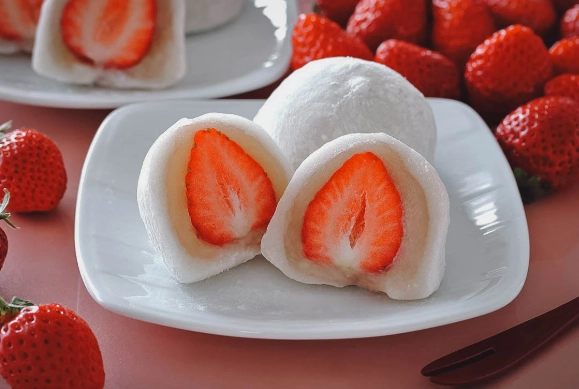
Japanese dessert culture is a deep, layered world. It's split between the ancient, poetic tradition of wagashi, designed to accompany bitter matcha tea, and a vibrant, innovative modern scene that borrows French technique, local ingredients, and a relentless focus on texture and balance. Let's get into it.
What's Inside This Guide
The Traditional Core: Understanding Wagashi & Classics
This is the soul of Japanese sweets. They're often tied to the tea ceremony and the seasons. The key here isn't just taste, but the five senses – appearance, texture, fragrance, and even the sound of their names.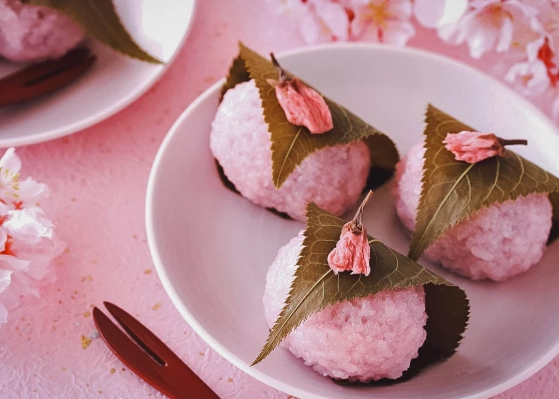
Wagashi: Edible Seasonal Poems
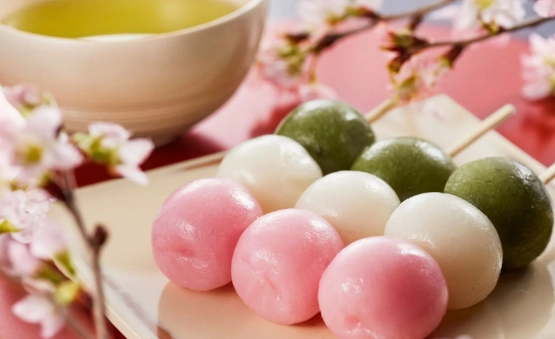
Wagashi are broadly categorized. Namagashi are the fresh, soft, artistically shaped ones (like my maple leaf), made daily with bean paste and mochi. They have a short shelf life. Higashi are dry confections, often made from pressed sugar and rice flour, like the beautiful rakugan. Then you have Han namagashi, which are semi-dry.
The most common types you'll encounter:
Daifuku: A soft mochi (rice cake) ball stuffed with sweet filling, usually anko (red bean paste). The classic is ichigo daifuku – a whole strawberry wrapped in anko and then mochi. The contrast of sweet bean, tart berry, and chewy dough is genius.
Dorayaki: Two small pancake-like patties sandwiching a layer of anko. It's Doraemon's favorite for a reason – portable, satisfying, not too sweet.
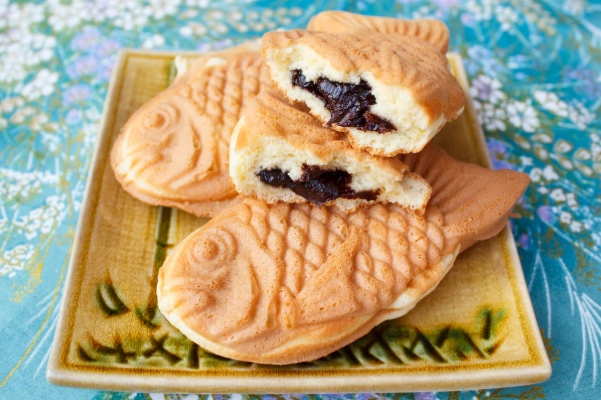
Taiyaki: Fish-shaped cakes (usually a sea bream, a symbol of luck) filled with anko, custard, or chocolate. Eaten hot from the griddle, the crisp exterior gives way to a warm, soft interior. Get one from a street vendor in Asakusa.
Beyond Wagashi: Everyday Comfort Sweets
These are the desserts you find in homes and casual restaurants.
Mochi in all its forms: Grilled and dipped in soy sauce and sugar (yaki mochi), floating in sweet red bean soup (oshiruko), or wrapped in seaweed and dipped in soy sauce for a savory-sweet snack.
Purin: Japanese custard pudding. It's creamier and more caramel-focused than French crème caramel. The caramel is slightly bitter, which cuts the rich egg custard perfectly. You can buy excellent ones in convenience stores like 7-Eleven (their 'Premium Purin' is legit).
Anmitsu: A parfait-like dessert with cubes of agar jelly, anko, fruits, mochi, and a sweet black sugar syrup (kuromitsu) poured over top. It's a textural playground in a bowl.
Modern Innovation: When Japan Meets Patisserie
Post-World War II, Western ingredients like butter, cream, and chocolate became widely available. Japanese pastry chefs didn't just copy; they adapted and refined.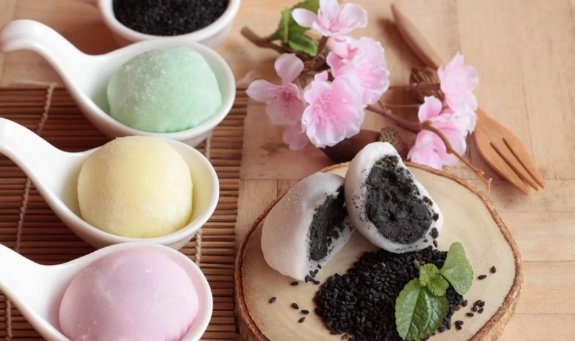
The result? A style that often prioritizes less sweetness, finer textures, and seasonal Japanese ingredients within French frameworks.
You'll see matcha not just in lattes, but in elegant opéra cakes, rolled into Swiss rolls, and blended into silky mousses. Yuzu, a fragrant citrus, finds its way into tarts and curds. Kinako (roasted soybean flour) adds a nutty depth to cream puffs and financiers. Black sesame creates stunning grey-hued creams and ganaches with a deep, toasty flavor.
This fusion isn't random. It's a deliberate dialogue between techniques. A French chef might focus on structural perfection. A Japanese chef might sacrifice a bit of that structure for a more delicate, melting mouthfeel that they prefer.
Where to Eat: Tokyo's Must-Visit Dessert Destinations
Talking abstractly is fine, but you need addresses. Here are specific spots that illustrate the different layers of the scene. Prices are approximate per item.
| Spot Name & Area | What to Get & Why It's Special | Price Range | Good to Know |
|---|---|---|---|
| Toraya (Various locations, main shop in Akasaka) | Seasonal Namagashi. This is a centuries-old wagashi house with imperial patronage. The craftsmanship is impeccable. Go for the tea set to experience wagashi as intended – with matcha. | ¥600 - ¥1,500 for set | More formal atmosphere. The Akasaka main store has a gallery. It's an institution, not a trendy cafe. |
| Nicolas fromage japonais (Omotesando) | Japanese-style Cheesecake (Fromage Japonais). The flagship of the modern movement. Incredibly light, jiggly, with a clean cream cheese flavor. It defines a category. | ¥500 - ¥800 per slice | Expect a line. They often sell out by afternoon. Takeaway available. |
| Higashiya (Ginza) | Modern Wagashi & Tea. A sleek, contemporary take on the wagashi shop. Their sweets are minimalist and beautiful. Try the kuzukiri (arrowroot starch noodles) with kuromitsu. | ¥1,200 - ¥2,000 for set | Reservations highly recommended. It's a design experience as much as a culinary one. |
| Nanaya Aoyama (Aoyama) | Matcha Gelato, specifically the level 7 richness. They grade matcha intensity from 1 to 7. Level 7 is intensely vegetal, bitter, and complex – for true matcha lovers only. | ¥400 - ¥700 | A great spot to understand the range of matcha flavor, from mild dessert-grade to powerful. |
| Usagiya (Ueno) | Dorayaki. Founded in 1913, this is arguably Tokyo's most famous dorayaki shop. The pancakes are fluffy, the anko is perfectly balanced. It's the classic benchmark. | ¥250 - ¥300 each | Old-school shop, takeaway only. Cash only. They wrap it in classic paper. |
For a deep dive into wagashi history and types, the Japan National Tourism Organization has a great introductory page on traditional culture.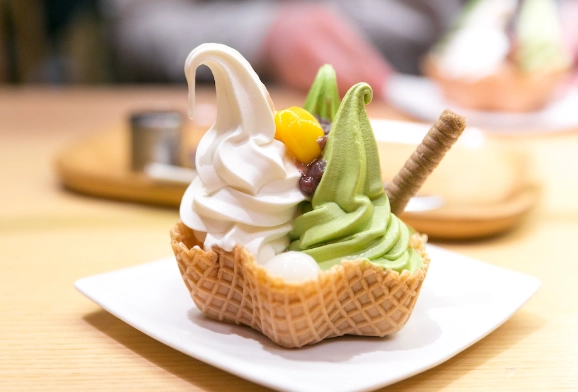
Can You Make Them at Home? Surprisingly, Yes.
Don't be intimidated. Some Japanese desserts are very approachable. Let's start with an easy, foolproof one: Matcha Latte Jelly.
You need: 2 tsp high-quality matcha powder, 500ml milk, 3 tbsp sugar, 5g gelatin powder. Whisk matcha with a splash of hot water to a smooth paste. Gently heat milk and sugar (don't boil). Dissolve gelatin in a little cold water, then mix into warm milk. Combine with matcha paste. Pour into glasses, chill for 4 hours. Top with whipped cream. You've made a dessert that feels fancy but takes 15 minutes of active work.
For the more ambitious, ichi is a fantastic project. You need shiratamako flour, anko (store-bought is fine!), and strawberries. The key is kneading the mochi dough while it's hot – use plastic wrap to avoid burns. The satisfaction of making that perfect, chewy, translucent wrapper is huge.
My biggest tip for home cooks? Invest in one good ingredient: a small tin of ceremonial-grade matcha from a reputable source like Ippodo or Marukyu-Koyamaen (available online). The flavor difference between that and culinary-grade powder is night and day, even in baked goods.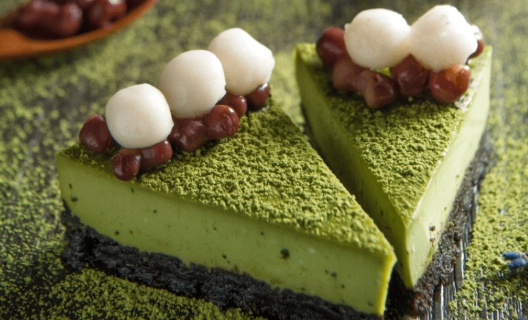
Your Japanese Dessert Questions, Answered
So, the next time you think of Japanese desserts, think beyond the green tea latte. Think of a hand-shaped maple leaf dissolving on your tongue with a sip of bitter matcha. Think of a fish-shaped cake warming your hands on a cold day. Or think of a wobbly, elegant cheesecake that challenges everything you thought you knew about the dessert. That's the real, delicious world waiting for you.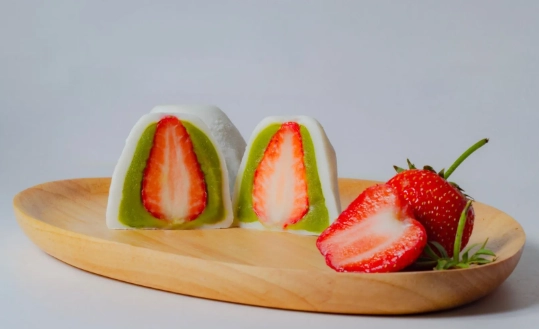
Reader Comments