Okay, let's be real. We all love sushi. But sometimes, you want something different. Something with a bit of a crunch, something you can actually hold without it falling apart, and maybe something that feels a little more... substantial. That's where the idea of Harumaki sushi comes in. It's not your everyday maki roll, that's for sure.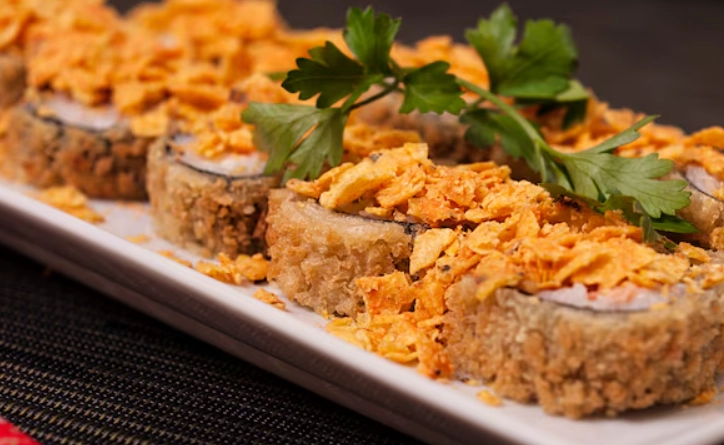
I first stumbled across this thing at a little fusion food stall in a night market. "Crispy Sushi Spring Roll," the sign said. I was skeptical. Sushi is about delicate rice and fresh fish, not about being deep-fried, right? But curiosity got the better of me. One bite later, and I was hooked. The warm, crispy shell giving way to cool, seasoned rice and savory fillings created a wild contrast I hadn't experienced before. It got me thinking—what exactly is this hybrid dish, and why isn't everyone talking about it?
At its core, Harumaki sushi is exactly what it sounds like: a marriage of Japanese sushi elements (vinegared rice, often with fish or vegetables) wrapped in a thin spring roll wrapper (harumaki) and then fried or baked until golden and crisp. Think of it as sushi's adventurous cousin who decided to wear a crunchy coat.
This guide is for anyone who's seen the term pop up on a menu or online and wondered, "What on earth is that?" We're going to break it down, from its murky origins to how you can make a killer batch in your own kitchen. We'll talk about the best fillings, the crucial dipping sauces, and even tackle the big debate: is it still sushi if it's fried? Let's dive in.
Your Quick Guide
- So, What Exactly Is Harumaki Sushi? Origins and The Great Fusion Debate
- How to Make Harumaki Sushi at Home: A Step-by-Step Guide for the Brave
- The Art of the Dip: Sauces That Elevate Your Harumaki Sushi
- Answering Your Burning Questions About Harumaki Sushi
- The Final Verdict: Is Harumaki Sushi Worth the Hype?
So, What Exactly Is Harumaki Sushi? Origins and The Great Fusion Debate
Let's clear this up first. You won't find harumaki sushi listed in any ancient Japanese culinary texts. It's a modern invention, a child of culinary fusion. The name gives it away: "Harumaki" (春巻き) is the Japanese word for spring roll, a dish with Chinese origins that was adapted in Japan. "Sushi" (寿司) refers to the vinegared rice preparation.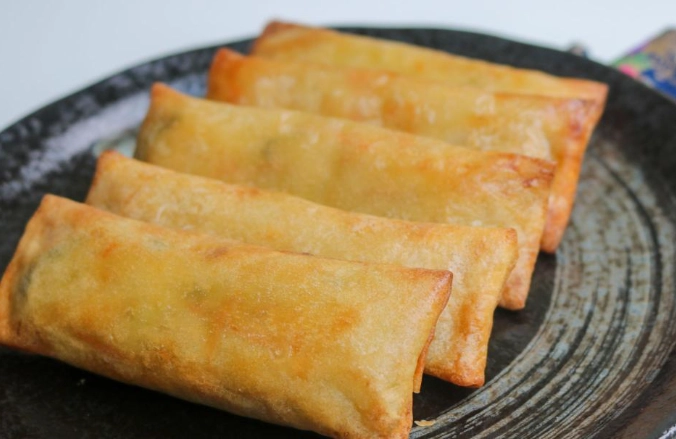
So who had the idea to put them together? The truth is, it's hard to pin down. It likely emerged from the creative kitchens of Japanese chefs abroad or within trendy fusion restaurants in major cities, looking for a new way to present familiar flavors. It taps into the global love for both sushi and anything fried and crispy. It's less about tradition and more about fun, texture, and convenience.
And that's perfectly okay.
Some purists might turn their noses up. I get it. Traditional sushi is an art form centered on showcasing the pristine quality of seafood and the perfect balance of rice. Frying it seems almost sacrilegious. But here's my take: food evolves. Harumaki sushi isn't trying to replace nigiri or sashimi. It's a different category altogether—a delicious, shareable, often more approachable snack or appetizer that borrows sushi's flavor profile.
Harumaki Sushi vs. Traditional Sushi: A Quick Side-by-Side
To really see where this dish fits, let's put it next to its more famous relative.
| Aspect | Traditional Sushi (e.g., Nigiri, Maki) | Harumaki Sushi |
|---|---|---|
| Texture | Soft, delicate, clean. Focus on the fish and rice. | Crispy, crunchy exterior with a soft interior. All about contrast. |
| Temperature | Typically served cool or at room temp. | Served warm or hot right after cooking. |
| Portability | Can be messy; rice falls apart easily. | Highly portable and less messy—great for finger food. |
| Preparation | Raw fish handling, precise rice seasoning. | Involves wrapping and frying/baking techniques. |
| Flavor Profile | Subtle, umami-forward, clean. | Bolder, often with added savory notes from the cooked wrapper and fillings. |
See? They're different beasts. One isn't better than the other; they serve different moods and occasions. Craving an elegant, refined experience? Go for traditional sushi. Hosting a game night or want a hearty, satisfying bite? Harumaki sushi might be your winner.
How to Make Harumaki Sushi at Home: A Step-by-Step Guide for the Brave
Alright, let's get our hands dirty. Making harumaki sushi at home is totally doable, and honestly, it's a fantastic party trick. It's more involved than ordering takeout, but the payoff is huge. I've had my share of failures—soggy rolls, bursting seams, bland fillings—so learn from my mistakes.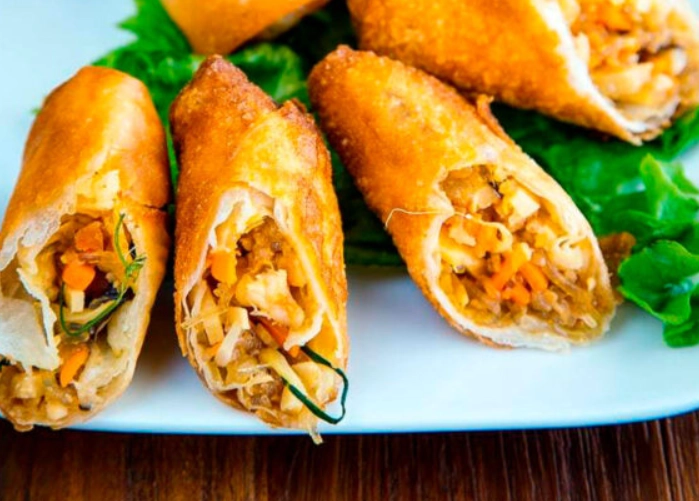
The Foundation: Gathering Your Tools and Ingredients
First things first, you need the right stuff. Don't try to use egg roll wrappers if you can find the real deal—they're often too thick. Look for "spring roll pastry" or "harumaki no kawa" at an Asian grocery store. They're the large, thin, almost translucent sheets. If you can't find them, the thinner the wrapper, the better.
Pro Tip: If you're a beginner, consider using rice paper wrappers (the ones for Vietnamese summer rolls) for a non-fried, fresh version. Just hydrate, fill, and roll. It's a completely different texture—chewy instead of crispy—but it's delicious and foolproof.
Here’s your basic shopping list for a classic cooked filling version:
- The Wrapper: Spring roll pastry sheets (about 20-25). Keep them covered with a damp cloth while working.
- The Rice: Short-grain sushi rice. This is non-negotiable. You need its stickiness. Cook and season it with the classic mix of rice vinegar, sugar, and salt. Let it cool completely. Warm rice will steam the wrapper from the inside and make it soggy.
- The Fillings (Cooked): This is where you get creative.
- Protein: Cooked shrimp (chopped), imitation crab (surimi) sticks, cooked and seasoned ground chicken or pork, canned tuna (well-drained).
- Veggies: Finely julienned carrots, cucumber (seeds removed), avocado (add right before rolling), scallions, sautéed mushrooms.
- Flavor Boosters: Cream cheese (a controversial but delicious addition), a smear of sriracha mayo, toasted sesame seeds.
- For Frying: A neutral oil with a high smoke point (like vegetable or canola oil). A deep fry thermometer is your best friend.
- For Baking (Healthier Option): A baking sheet, parchment paper, and a brush for oil.
A Word on Raw Fish: Can you use raw fish like salmon or tuna in harumaki sushi? Technically, yes, but I don't recommend it for home cooks, especially if you're frying. The intense, direct heat can overcook the exterior of the fish while leaving the center unpleasantly cool. If you insist, use the highest-quality sashimi-grade fish, cut it small, and consider a quick sear or bake instead of deep-frying. For beginners, stick with cooked fillings.
The Rolling Technique: Keeping It All Together
This is the part that can be frustrating. The wrapper is delicate. Here's my method, learned after several exploded rolls.
- Lay it out: Place one wrapper on a clean surface like a diamond (one corner pointing at you).
- Add filling: Put a small, oblong mound of cooled sushi rice (about 2 tablespoons) horizontally about one-third up from the bottom corner. Top with your other fillings. Less is more. Overstuffing is the number one cause of breakage.
- Fold and roll: Fold the bottom corner up and over the filling, tucking it in snugly. Fold the left and right corners inward over the center, like an envelope. Now, roll it upwards tightly, but gently. You don't want to tear the wrapper.
- Seal it: Before your final roll, use a little paste of flour and water (or just a dab of water) on the top corner to act as glue. Press to seal.
Place the finished roll seam-side down on a tray. Don't let them touch or they might stick. You can cover them with plastic wrap and refrigerate for a few hours before cooking, which actually helps them firm up.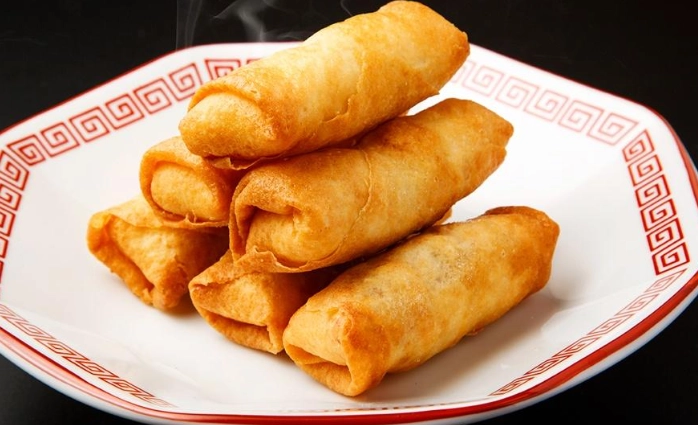
Cooking Methods: To Fry or To Bake?
This is the big decision.
Deep Frying (The Classic Method): Heat oil to 350°F (175°C). Gently lower rolls in, a few at a time, seam-side down. Don't overcrowd the pot. Fry for 2-4 minutes, turning occasionally, until they're a uniform golden brown. Drain on a wire rack over paper towels. This gives you the ultimate crispy, blistered, irresistible texture. It's a treat.
Baking (The Lighter Method): Preheat your oven to 400°F (200°C). Line a baking sheet with parchment. Brush or spray each roll lightly with oil. Bake for 15-20 minutes, flipping halfway, until crispy and golden. The result is still crunchy but leaner. It won't be as explosively crispy as the fried version, but it's a fantastic weeknight option.
The first time I successfully made a batch of crispy, golden harumaki sushi at home, the feeling of triumph was almost as good as the taste.
The Art of the Dip: Sauces That Elevate Your Harumaki Sushi
This is not an afterthought. The right sauce can transform your harumaki sushi from good to "can I have the recipe?" level. You need something that cuts through the richness and adds a punch of flavor.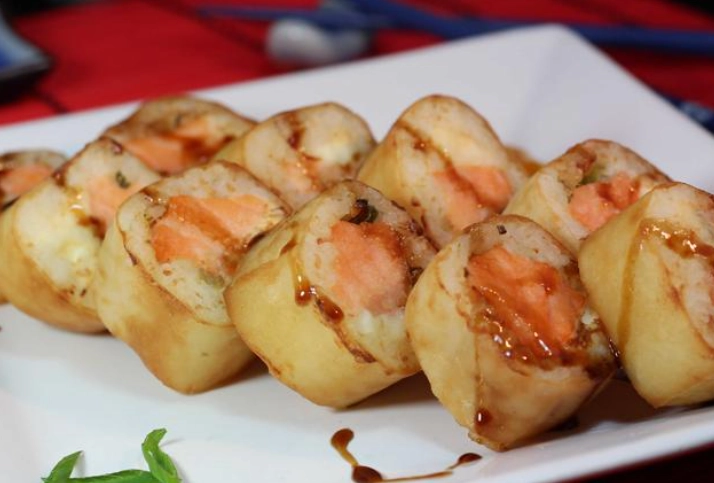
My Top 3 Dipping Sauces:
- Spicy Ponzu: This is my absolute favorite. Mix equal parts ponzu (a citrusy soy sauce) and mayonnaise, then add a big squeeze of sriracha or a sprinkle of chili flakes to taste. The creamy, spicy, tangy combo is magic.
- Simple Soy-Ginger: A classic for a reason. Mix soy sauce (use a light/low-sodium one if you're sensitive to salt) with a teaspoon of finely grated fresh ginger and a teaspoon of rice vinegar. A drop of sesame oil works wonders here too.
- Wasabi Mayo or Yuzu Mayo: Stir wasabi paste or yuzu juice (or concentrate) into Japanese mayonnaise (Kewpie is the gold standard). It's creamy with a sharp kick or a bright citrus note that wakes up the whole bite.
Serve the sauce in small individual bowls. Dunking is encouraged.
Answering Your Burning Questions About Harumaki Sushi
I've gotten a lot of questions from friends after serving this. Here are the most common ones.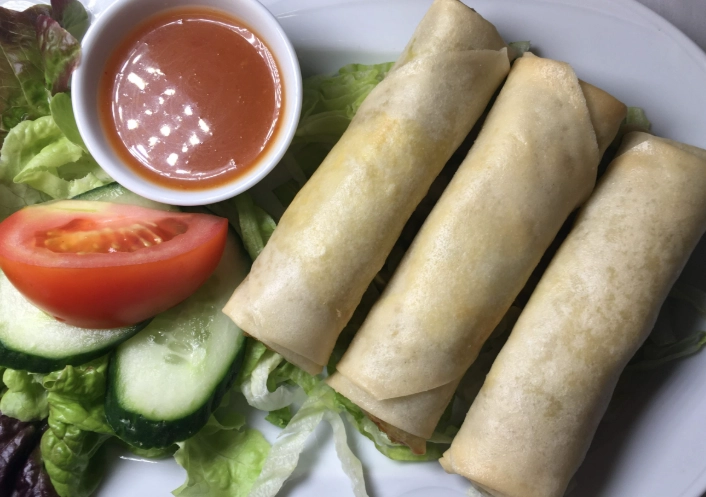
- Japanese or Asian fusion restaurants, especially those with an izakaya (pub) style menu.
- Food trucks and night markets that focus on creative, portable eats.
- Some higher-end grocery stores with a prepared sushi section might have them, but it's rare. Honestly, making it yourself is often the most reliable way to get it.
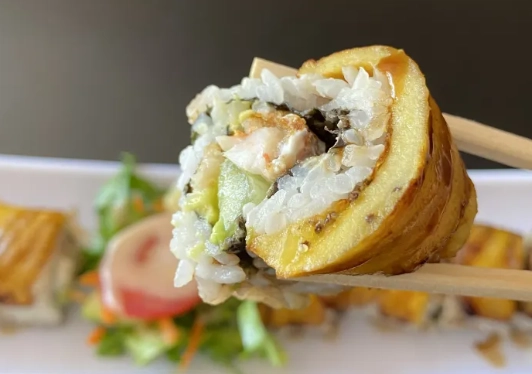
The Final Verdict: Is Harumaki Sushi Worth the Hype?
Look, it's not going to win over every traditionalist, and that's fine. But if you approach it for what it is—a fun, flavorful, texturally exciting fusion snack—it's absolutely worth trying.
Is it authentic Japanese cuisine? No. But is it delicious, shareable, and a great way to play with sushi flavors in a new format? One hundred percent. It solves a few practical problems: sushi that's easy to share at parties, sushi that travels well (picnic, anyone?), and sushi that offers a warm, comforting crunch.
My advice? Give it a shot. Start with a simple cooked shrimp and avocado filling, bake or fry it up, and whip up that spicy ponzu sauce. You might just find your new favorite way to enjoy the flavors of sushi. And if you're looking for more inspiration on traditional sushi techniques and ingredients to inform your fusion creations, the Sushi Encyclopedia is a fantastic resource to understand the foundation you're building upon.
So, what are you waiting for? Grab some wrappers and get rolling. Your next crunchy, savory, utterly moreish harumaki sushi adventure awaits.
Reader Comments