In This Article
Let's be real. You're craving that silky, crispy, savory bowl of Agedashi Tofu. You've got the tofu, the potato starch, maybe even some green onions and grated daikon ready to go. Then you hit the wall. The recipe calls for dashi, and you have none. No kombu, no katsuobushi, not even the instant granules. The craving hits, but the classic Japanese stock feels like a world away. So you type it into Google: can you make Agedashi Tofu without dashi?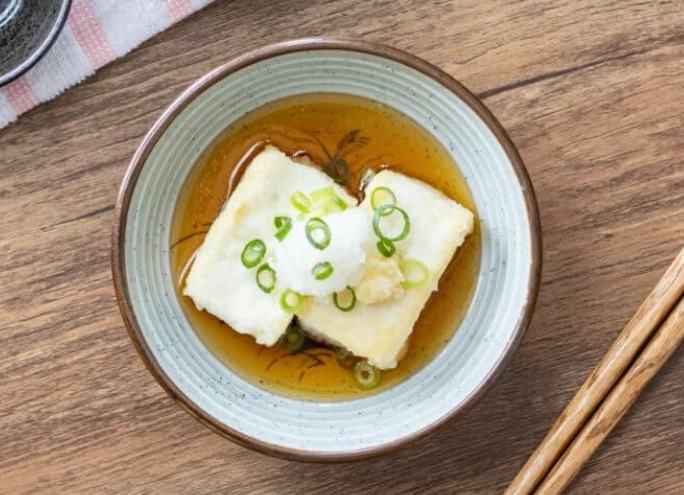
The short, definitive answer is yes. Absolutely. I've done it more times than I can count, often because I'm too impatient to make a proper dashi from scratch on a weeknight. But the longer answer is more interesting. It's not just about slapping any old broth in there. The real question becomes: how do you replicate that unique, deep, oceanic umami that dashi brings to the party? Because that's the soul of the dish. Without it, you just have fried tofu in sauce.
The Core Challenge: Dashi isn't just flavor; it's the foundational umami. Skipping it means you need to build that savory depth from the ground up with other ingredients. The good news? Your pantry is probably full of them.
I remember the first time I tried to make Agedashi Tofu without dashi. It was a disaster. I used plain water with a bit of soy sauce. The result was a sad, salty, watery pool that made the crispy coating soggy in seconds. It tasted nothing like the version I'd had at my favorite izakaya. That failure sent me down a rabbit hole of experimentation. I learned it's not about finding one perfect swap, but about understanding the role dashi plays and assembling a team of ingredients to play that role together.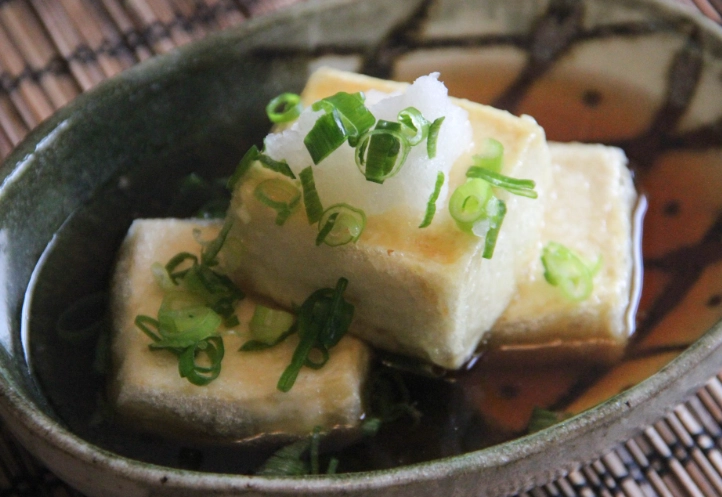
Why Dashi Matters (And What You're Actually Replacing)
Before we jump to substitutes, let's talk about what dashi does. This isn't just academic. Knowing *why* helps you choose a better *how*. Authentic Japanese dashi, often made from kombu (kelp) and katsuobushi (bonito flakes), is a masterclass in umami. It's subtle, aromatic, and has a clean taste that supports other flavors without overpowering them. In the Agedashi Tofu sauce (the tentsuyu), it provides the liquid base, a gentle saltiness, and that irreplaceable savory backbone.
When you ask can you make Agedashi Tofu without dashi, you're really asking how to build umami from scratch. You need to consider:
- Savory Depth (Umami): This is non-negotiable.
- Salinity: But it has to be balanced, not just salty.
- A Hint of the Sea: That oceanic note is characteristic, though not strictly mandatory for a tasty result.
- A Clean Finish: The sauce shouldn't be heavy or greasy.
If you're curious about the traditional methods and importance of dashi in Washoku (Japanese cuisine), the Japanese Ministry of Agriculture, Forestry and Fisheries has resources on its cultural significance. It's fascinating stuff, and it shows why the search for a substitute is such a common kitchen puzzle.
Your Pantry Arsenal: The Best Dashi Substitutes Ranked
Not all substitutes are created equal. Some are brilliant hacks, others are decent in a pinch, and a few... well, let's just say I don't recommend them. Here’s my personal ranking based on flavor, convenience, and how close they get you to the real deal.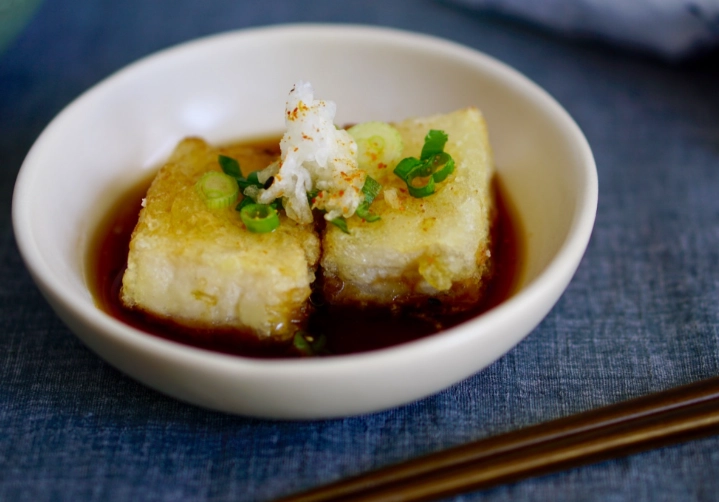
| Substitute | Best For | How to Use It | Taste & Texture Result | My Personal Take |
|---|---|---|---|---|
| Mushroom Broth (Shiitake) | Vegetarians, Deep Umami Lovers | Simmer dried shiitake mushrooms in water for 20+ mins. Use the strained broth 1:1 for dashi. | Incredibly savory, earthy, deeply umami. Missing the "sea" note but fantastic in its own right. | This is my go-to. It creates a rich, almost meaty base that works beautifully. It's a different profile, but a top-tier one. |
| Simple Soy-Mirin-Sake Blend | The Quickest Weeknight Fix | Mix 1 cup water, 3 tbsp soy sauce, 3 tbsp mirin, 1 tbsp sake. Heat to dissolve. | Balanced, sweet-salty, classic Japanese flavor. Lighter on umami, so you might want a boost. | Surprisingly effective. It's the base of the sauce anyway, so adding water works in a real pinch. Feels a bit like cheating, but it tastes good. |
| Vegetable Broth + Umami Boosters | Using What You Have | Use a light, low-sodium veg broth. Add a dash of soy sauce, a pinch of MSG, or a teaspoon of miso paste. | Can be great or mediocre, depending on your broth. Avoid anything with strong herbs like thyme or rosemary. | Hit or miss. A good-quality broth works. A cheap, salty cube broth will taste like... a cheap, salty cube. |
| Anchovy or Sardine Broth | Non-Vegetarian seeking "Marine" flavor | Simmer a few dried anchovies or a canned sardine (in water) in plain water for 10 mins. Strain thoroughly. | Brings the oceanic, fishy umami closest to katsuobushi. Can be strong, so use sparingly. |
That last one, the anchovy broth, is a game-changer if you eat fish but don't have bonito. It gets you remarkably close to the original flavor profile. The key is to strain it well so you don't get little bits in your delicate sauce.
The Secret Weapon: MSG (Don't Be Scared)
I need to have a quick word about MSG (monosodium glutamate). If you're building umami from scratch, this is your best friend. It's not a "substitute" on its own, but it's the ultimate booster for any of the broths above. A tiny pinch (like 1/8 teaspoon) in your soy-mirin-water mixture will elevate it from "flat" to "fantastically savory." It's the purified form of the umami found naturally in kombu and tomatoes. The fear around it is largely debunked. For a scientific perspective, resources like the Ajinomoto website, a leading producer, explain its safety and function. Adding a bit is my not-so-secret trick for making a dashi-less Agedashi Tofu sauce taste profoundly satisfying.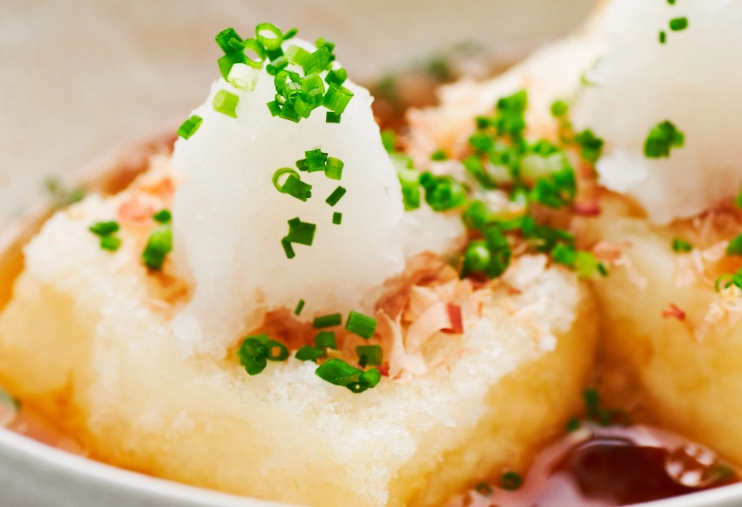
The Step-by-Step Method for Perfect Dashi-Free Agedashi Tofu
Alright, theory is over. Let's cook. Here’s my tried-and-true method, using the mushroom broth option (because it's my favorite).
Ingredients:
- 1 block (14-16 oz) firm or medium-firm tofu
- 1/2 cup potato starch (cornstarch works, but potato starch is crispier)
- Neutral oil for frying (like vegetable or canola)
- For the Mushroom "Dashi": 2-3 large dried shiitake mushrooms, 1.5 cups water.
- For the Sauce: 3 tbsp soy sauce, 3 tbsp mirin, 1 tbsp sake (or dry sherry).
- Toppings: Grated daikon, grated ginger, green onions, bonito flakes (if you have them!).
The Process, with Crucial Tips:
First, make your mushroom broth. Rinse the dried shiitakes, put them in a bowl with 1.5 cups of cold water, and let them soak for at least 30 minutes, preferably a few hours in the fridge. You can also gently heat them for 20 minutes. Squeeze the mushrooms out (save them for stir-fries!), and keep that gorgeous brown broth. This liquid is gold.
Pro Tip: The soaking liquid from dried mushrooms is packed with more umami than you can imagine. Never throw it away. It's the ultimate vegan flavor bomb.
Now, press your tofu. This step is non-negotiable if you want crispiness. Wrap the tofu block in paper towels, place it on a plate, put another plate on top, and balance something heavy (a can, a book) on it. Leave it for 20-30 minutes. You'll be shocked how much water comes out. Dry tofu = crispy tofu. Cut the pressed tofu into rough 1.5-inch cubes.
While the tofu presses, make your tentsuyu sauce. In a small saucepan, combine 1 cup of your strained mushroom broth with the soy sauce, mirin, and sake. Bring it to a gentle simmer for a minute to cook off the alcohol from the mirin and sake. Taste it. Is it savory enough? If it tastes a bit flat, that's where your tiny pinch of MSG or 1/2 teaspoon of white miso paste can save the day. Set this aside to cool. It should be served warm or at room temp, not piping hot.
The frying station. Coat each tofu cube thoroughly in potato starch. I mean, really coat it. Let them sit on a rack for 5 minutes after coating—this helps the starch adhere and creates a better crust. Heat about 1.5 inches of oil in a heavy pot to 340-350°F (170-175°C). If you don't have a thermometer, drop a tiny bit of starch in; it should sizzle and float up immediately.
Fry the tofu in batches. Don't crowd the pot. Fry for 3-4 minutes until they are a very pale gold and incredibly crisp. Drain on a wire rack, not paper towels (this keeps them crisp longer). The exterior should be shatteringly crisp, the interior soft and warm.
Assembly is key. Place a few tofu cubes in a shallow bowl. Pour a few tablespoons of your sauce around the tofu, not directly over the top, to preserve crispiness as long as possible. Pile on the grated daikon, a bit of ginger, and a heap of sliced green onions. If you somehow have bonito flakes but no dashi (weird, but possible), add them now for the classic look.
Common Pitfall: Soggy tofu happens if the tofu is too wet, the oil isn't hot enough, or you drown it in sauce immediately. Serve the sauce on the side for dipping if you're super worried about it.
And there you have it. You've successfully navigated the challenge of how to make Agedashi Tofu without dashi. The mushroom broth provides a deep, earthy umami that stands up to the frying, and the classic seasoning trio does the rest.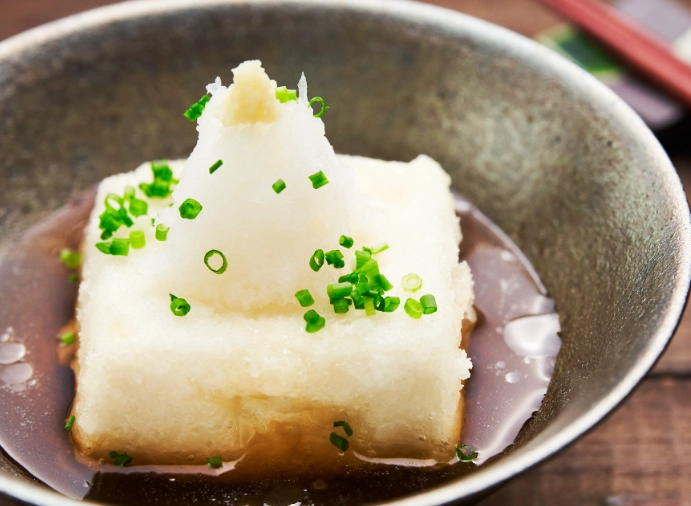
Answering Your Burning Questions (FAQ)
Final Thoughts: Embracing the Improv
At the end of the day, cooking is about problem-solving and adaptation. The question "can you make Agedashi Tofu without dashi?" is born out of a real, everyday cooking dilemma. The pursuit of an answer leads you to understand the dish on a deeper level. You stop just following a recipe and start understanding the why behind the ingredients.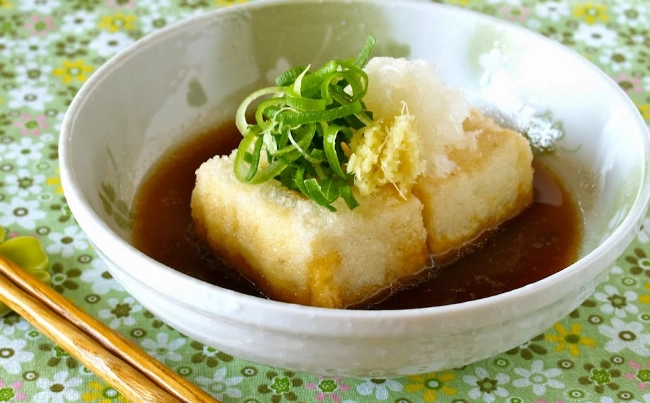
My kitchen experiments have taught me that the shiitake broth version is sometimes so good I choose it over traditional dashi. It has a deeper, earthier richness that pairs wonderfully with the tofu. It's not a lesser version; it's a variation. That's the real takeaway. You're not making a compromised dish. You're making a different, potentially delicious, interpretation of a classic.
So next time the craving hits and your dashi stock is empty, don't panic. Raid your pantry for dried mushrooms, or confidently mix up that soy-mirin-sake blend. You now have the knowledge to build that essential umami from the ground up. Happy cooking, and enjoy your crispy, savory, utterly satisfying bowl of dashi-less Agedashi Tofu.
Reader Comments