Let's talk about comfort food. I mean, real comfort food. The kind that hits you right when you need it. For me, that's often a steaming, generous bowl of tempura udon soup. There's something almost magical about it – the thick, chewy udon noodles swimming in a savory, yet delicate dashi-based broth, topped with a piece of crispy, golden-brown tempura that slowly softens as it soaks up the soup. It's a textural dream and a flavor bomb all in one.
I remember the first time I had a truly great bowl in a little back-alley shop in Tokyo. It was raining, I was tired, and that bowl fixed everything. The tempura was so light it practically dissolved on my tongue, but still had a bit of crunch left. The soup wasn't too salty, just deeply flavorful. I've been chasing that perfect bowl ever since, and through a lot of trial and error (some very error-filled attempts, trust me), I've learned a thing or two.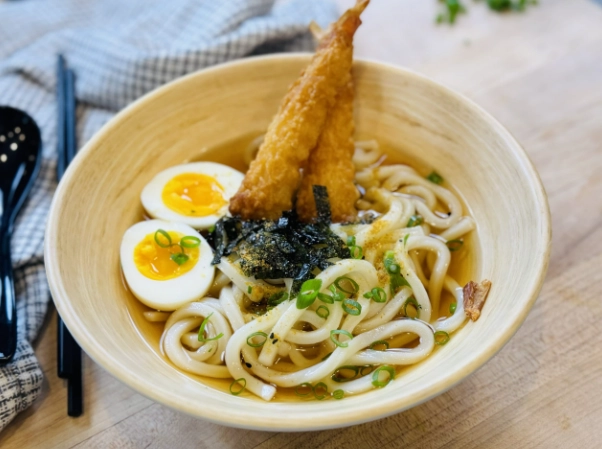
So, if you've ever searched for "tempura udon recipe" and felt overwhelmed, or wondered why your homemade version never tastes quite like the restaurant's, you're in the right place. This isn't just a recipe. It's a deep dive into everything that makes this dish special. We'll get into the history, break down the components, and I'll walk you through a method that actually works in a home kitchen, without needing professional gear.
Quick Navigation
What Exactly Is Tempura Udon Soup?
At its core, it's a dish of two famous Japanese culinary stars coming together. You have udon – those wonderfully thick, white wheat flour noodles known for their satisfyingly chewy texture. Then you have tempura – seafood or vegetables coated in a special light batter and deep-fried to a crisp. Put them together in a bowl of hot kakejiru (the soup broth), and you get tempura udon soup.
It’s a donburi style meal, meaning it’s served in a large bowl. The beauty is in the contrast. You start by eating the tempura while it's still a bit crispy, enjoying that fried goodness. Then, as it sits in the soup, it absorbs the flavors and changes texture, giving you a different experience with each bite. The noodles provide the hearty base, and the soup ties it all together.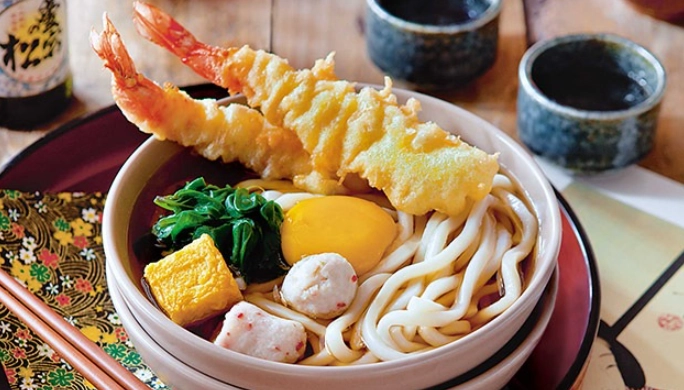
It's a staple on menus at Japanese soba/udon-ya (specialty noodle shops) and is considered a classic comfort food, especially popular in the colder months. But honestly, I crave it year-round.
Quick History Detour: Udon noodles are believed to have been introduced to Japan from China as early as the 9th century. Tempura's origins are often traced to Portuguese missionaries in the 16th century, who introduced a frying technique. The genius of combining them into one bowl is a more recent development, solidifying its place as a beloved yoshoku (Western-influenced) and then washoku (traditional Japanese) dish. For a deeper look into the official cultural aspects of Japanese food, resources from the Japan National Tourism Organization often touch on culinary history.
Breaking Down the Components: It's All in the Details
To make a great tempura udon soup, you need to understand and respect each part. Think of it like building a house – if the foundation (the soup) is weak, it doesn't matter how nice the furniture (the tempura) is.
The Soul: The Udon Soup Broth (Kakejiru)
This is where many home recipes go wrong. They make it too salty or too thin. The base is dashi, a Japanese stock. The most common for udon is awase dashi, made from kombu (kelp) and katsuobushi (bonito flakes). This isn't the place for a weak vegetable broth if you're aiming for authenticity. The dashi provides a profound umami depth.
To the dashi, you add mirin (sweet rice wine) for a hint of sweetness and complexity, and soy sauce (usukuchi/shoyu) for saltiness and color. The balance is key. It should be savory, slightly sweet, and utterly drinkable, not a salty soy sauce punch. Some recipes add a touch of sugar or sake. I find a good mirin does the job.
Get the broth right, and you're 70% of the way there.
The Heart: The Udon Noodles
You have options here, and your choice drastically affects the result.
- Fresh/Frozen Udon: The gold standard for home cooks. These are pre-cooked and have the best chew. You find them in the refrigerated or frozen section of Asian markets. Just blanch in hot water to heat through.
- Dried Udon: More shelf-stable and still very good. They require boiling like pasta. Look for good quality brands – the cooking time on the package is your guide.
- Instant Udon: The "emergency" option. The noodles are usually fine, but the soup packets are often overly salty and lack depth. I'd suggest using the noodles but making your own broth.
I almost always go for fresh/frozen. The texture is just superior, and it saves time.
The Star: The Tempura
This is the showstopper, and frankly, the part that intimidates people the most. The goal is a coating that is incredibly light, crispy, and almost lacy – not a thick, doughy blanket.
The secret? A very cold batter made with minimal mixing (lumps are good!), and the right oil temperature (usually around 340-350°F or 170-175°C). The classic protein choice for tempura udon soup is shrimp (ebi), often with the tails left on for presentation and flavor. But vegetables are fantastic too – sweet potato, eggplant, kabocha squash, shiso leaves, even mushrooms.
My Personal Tempura Frustration: Getting the batter consistency perfect took me ages. I'd either overmix it into a smooth paste (resulting in a heavy coating) or make it too thin so it wouldn't stick. The key is using ice-cold water (I even put the mixing bowl in the freezer beforehand) and accepting a lumpy, uneven batter. It feels wrong, but it fries up right.
Here’s a quick comparison of common tempura choices for your udon:
| Tempura Type | Flavor Profile | Best For | Prep Tip |
|---|---|---|---|
| Shrimp (Ebi) | Sweet, oceanic, classic | The purist's choice, great texture contrast | Devein and make shallow cuts on the belly to prevent curling. |
| Sweet Potato | Sweet, earthy, creamy when cooked | A hearty, satisfying vegetarian option | Slice thinly (¼-inch) so it cooks through before the batter burns. |
| Eggplant (Nasu) | Absorbs broth beautifully, becomes silky | Adding a melt-in-your-mouth element | Salt slices first to draw out bitterness, then pat dry. |
| Kabocha Squash | Nutty, sweet, similar to pumpkin | Autumnal flavor, holds its shape well | Slice into thin wedges, skin-on for color. |
| Shiso Leaf | Herbaceous, minty-basil flavor | A crispy, fragrant garnish | Dip whole leaf in a very thin layer of batter. |
The Complete Guide to Making Tempura Udon Soup at Home
Alright, let's get cooking. I'll walk you through my preferred method, which splits the work to make it less stressful.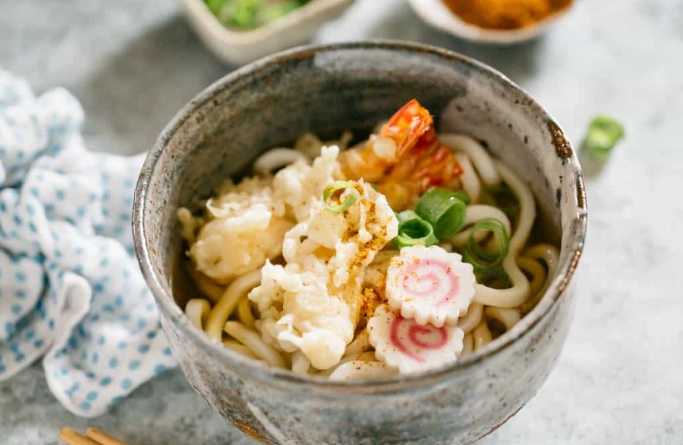
What You'll Need (Serves 2)
For the Soup Broth:
- 4 cups good-quality dashi (see note below)
- 3 tbsp soy sauce (I use a mix of regular and usukuchi)
- 2 tbsp mirin
- 1 tsp sugar (optional, to balance)
For the Tempura:
- 4-6 large shrimp, peeled and deveined, tails on
- Assorted vegetables (e.g., sweet potato, green beans)
- 1 cup all-purpose flour (plus extra for dusting)
- 1 large egg yolk
- 1 cup ice-cold water (I add an ice cube to the measuring cup)
- Neutral oil for frying (canola, vegetable)
For Assembly:
- 2 servings fresh or frozen udon noodles
- Finely sliced scallions (negi)
- Shichimi togarashi (Japanese seven-spice) for serving
Note on Dashi: Making dashi from scratch is ideal (soak kombu, heat to near-boil, remove, add bonito flakes, steep, strain). For a very good shortcut, I use dashi packets (like tea bags) or high-quality granulated dashi (like Hondashi), following packet instructions. It's a practical compromise that still delivers great flavor. The Japanese Ministry of Agriculture, Forestry and Fisheries (MAFF) has resources on traditional foodstuffs like katsuobushi and kombu.
Step-by-Step Process
1. Prep First, Cook Later. This is a fast-paced dish once you start frying. Have everything ready: broth simmering, noodles separated, tempura ingredients dried thoroughly (water is the enemy of crispy frying), and your batter station set up near the stove.
2. Make the Soup Broth. Combine the dashi, soy sauce, and mirin (and sugar if using) in a pot. Bring it just to a simmer, then turn the heat to the lowest setting to keep it hot. Taste it. It should be savory and pleasant to sip. Adjust with a drop more mirin or soy sauce if needed. Don't let it boil vigorously or it can become too strong.
3. Prepare the Tempura Batter. This is the crucial moment. Crack the egg yolk into a bowl. Add the ICE-COLD water and whisk just to combine—no need to froth it. Dump in the flour all at once. Now, using chopsticks or a fork, stir it maybe 10-12 times. Stop when there are still plenty of dry lumps of flour floating in a thin, messy batter. It should look runny and uneven. Put this bowl in the fridge while you heat the oil.
4. Heat the Oil and Fry. Pour oil into a heavy pot (like a Dutch oven) to a depth of about 2 inches. Heat it to 340-350°F (170-175°C). A thermometer is your best friend here. While it heats, lightly dust your shrimp and veggies with flour (this helps the batter stick). When the oil is ready, take your cold batter, quickly dip a piece of food, let excess drip off, and gently lower it into the oil. Don't crowd the pot. Fry until lightly golden and crisp, turning once. Shrimp take 2-3 minutes, thin veggies maybe 90 seconds. Drain on a wire rack, not paper towels (which can make them soggy).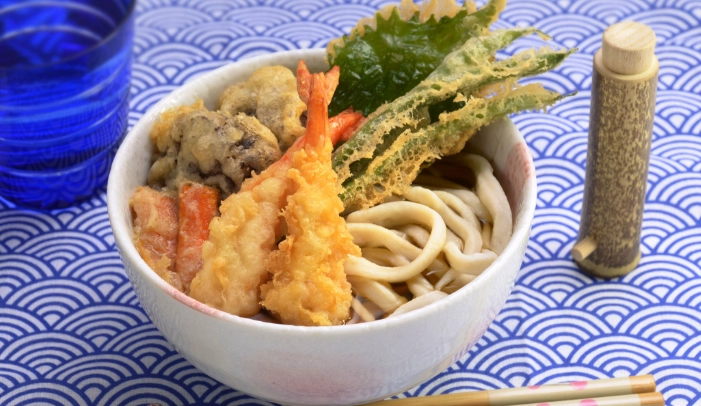
Listen for the sizzle. A gentle sizzle is good. A violent, sputtering sizzle means your food is too wet.
5. Cook the Udon Noodles. While the last batch of tempura fries, cook your udon according to package directions. For fresh/frozen, this usually means a 1-minute blanch in boiling water just to heat through. Drain well.
6. Assemble the Bowls. This is the fun part. Divide the hot noodles between two deep bowls. Ladle the hot broth over the noodles. Immediately top with the hot tempura. Sprinkle generously with sliced scallions. Serve immediately with shichimi togarashi on the side.
Pro-Tip for Extra Crispiness: For the ultimate experience, serve the tempura on a separate small plate next to the noodle bowl. This lets everyone add it to the soup themselves, ensuring maximum crispiness for the first few bites. It's how many traditional places serve it.
Common Questions About Tempura Udon Soup (Answered)
I get these questions a lot, and I had them myself when I started.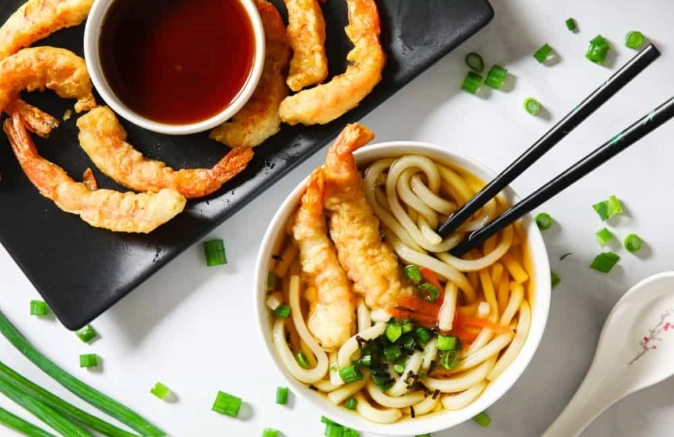
Beyond the Basics: Leveling Up Your Tempura Udon Game
Once you've mastered the classic bowl, why not play around?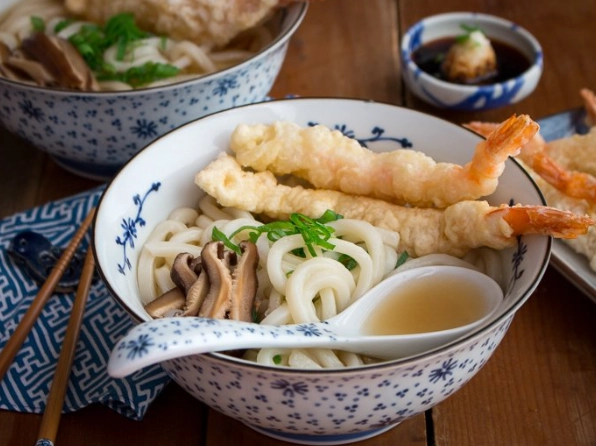
Regional Variations: In the Kansai region (Osaka, Kyoto), the broth (kansai-style) tends to be darker and stronger, using more koikuchi shoyu (dark soy sauce). In the Kanto region (Tokyo), it's often a lighter, clearer broth using usukuchi shoyu (light soy sauce). There's also kitsune udon (with sweet fried tofu), but that's a different dish.
Modern Twists: I've seen (and tried) versions with chicken karaage instead of tempura, or even a spicy miso-based broth. While not traditional, they can be delicious. The structure is versatile.
Pairing Ideas: A simple bowl of tempura udon soup is a complete meal. But if you're serving it as part of a spread, lighter sides work best: a small green salad with a ginger-sesame dressing, some tsukemono (Japanese pickles), or a few pieces of sashimi. It pairs terribly with heavy, creamy dishes—keep the flavors clean.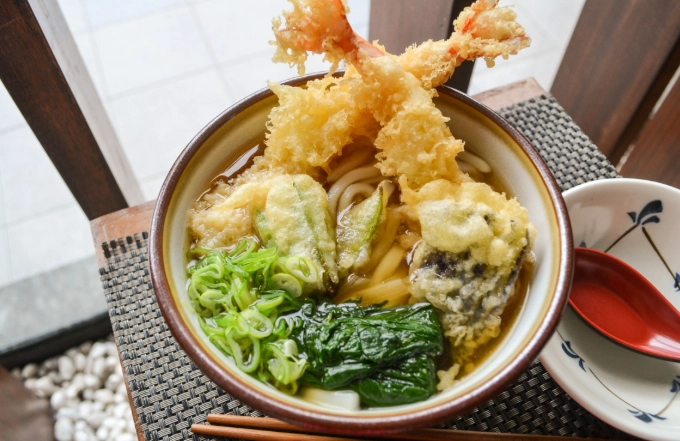
Look, at the end of the day, making a great tempura udon soup is about practice and paying attention to those three core elements: a flavorful broth, well-cooked noodles, and light, crispy tempura. Don't be discouraged if your first attempt isn't perfect. Mine certainly wasn't.
The goal is that comforting, satisfying bowl that makes everything feel right. Whether it's a rainy Tuesday or you're just craving something deeply good, this dish delivers. So grab your pot, get your oil hot, and give it a try. You might just find your new favorite kitchen project.
And remember, the best tempura udon soup is the one you enjoy eating.
Reader Comments