Let's be honest. When you think of Japanese food, you might picture intricate sushi rolls, delicate tempura, or multi-course kaiseki dinners. It feels like something you order, not something you make. I used to think that too, until I spent a summer living with a family in Osaka. The reality? Most nights, dinner was a humble, comforting, and ridiculously easy affair cooked in under 30 minutes. The secret is that Japanese home cooking is built on a few simple pillars: perfectly cooked rice, a flavorful soup, and one or two well-seasoned main or side dishes. You don't need fancy tools or impossible-to-find ingredients. You just need to know where to start.
What You'll Learn in This Guide
The Foundation: Perfect Rice (Without Stress)
Everything begins with the rice. Forget the packet stuff. Cooking short-grain Japanese rice is a skill, but it's not a difficult one. The biggest mistake I see? People treat it like pasta, boiling it in a giant pot of water and draining it. That washes away all the starch that gives it that lovely sticky, clingy texture.
Here's the foolproof method, whether you have a rice cooker or not.
See? No mystery. Just a simple process. A 2kg bag of good Japanese rice costs about $15-$20 and will last for dozens of meals. The per-serving cost is pennies.
Soup in Minutes: Classic Miso
Miso soup is the ultimate comfort food and takes less time to make than brewing a cup of tea. The base is dashi, a Japanese stock. You can buy instant dashi granules (look for brands like Hondashi) at any Asian market or online—it's a game-changer. A small jar is about $5 and makes liters of stock.
Here's how to build a basic miso soup, then customize it endlessly.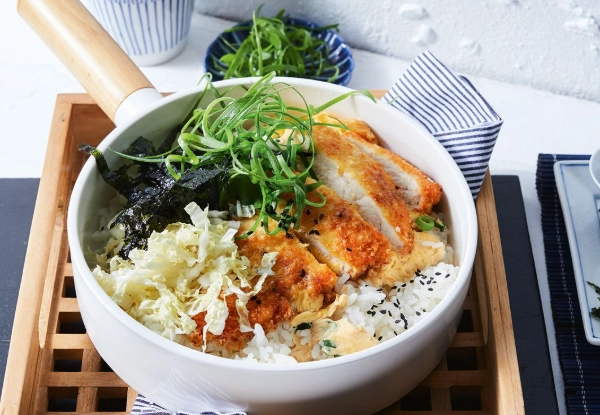
Basic Miso Soup Formula
For 2 bowls: 2 cups of water, 1 tsp instant dashi granules, 2-3 tbsp miso paste (white or red), and your choice of add-ins.
Bring the water to a simmer, dissolve the dashi granules. Turn the heat to low—you don't want it boiling now. Put the miso paste in a small bowl, ladle in a bit of the hot dashi, and whisk until smooth. This prevents lumps. Stir this slurry back into the pot. That's it. Soup's done.
Add-in Ideas (add to the dashi before the miso):
- Classic: Diced silken tofu and thinly sliced green onions.
- Hearty: Sliced mushrooms and a handful of spinach.
- From the Sea: A few clams or some torn pieces of nori (dried seaweed).
Total active time? Maybe 5 minutes. Cost per bowl? Less than 50 cents. It's the easiest way to make a meal feel complete.
Main Event: One-Pan Wonders
These are the workhorses. You cook everything in one pan or pot, and the sauce makes itself. They're forgiving, fast, and pack a huge flavor punch.
1. No-Fuss Teriyaki Chicken
Forget the bottled syrup. Real teriyaki is just three ingredients: soy sauce, mirin (sweet cooking rice wine), and sugar. Mirin is worth buying—a bottle is $3-$4 and lasts ages. If you're in a pinch, use a dash of sugar and a little extra water.
Cut two chicken thighs into bite-sized pieces. Pat them dry—this helps them brown. Brown them in a non-stick pan over medium heat. Once golden, add 2 tbsp each of soy sauce and mirin, and 1 tbsp of sugar. Let it bubble and reduce for 3-4 minutes until the sauce thickens and glazes the chicken. Serve over your perfect rice. Dinner is ready in 15 minutes.
2. Oyakodon (Chicken & Egg Bowl)
This is the ultimate lazy-night meal. "Oyako" means parent and child (chicken and egg). It's savory, sweet, and incredibly soothing.
Thinly slice 1/2 an onion and a small chicken breast. In a small skillet or donburi pan, combine 1/2 cup dashi (or water + 1/4 tsp dashi granules), 1.5 tbsp soy sauce, and 1 tbsp mirin. Bring to a simmer, add the onion and chicken, and cook for 5 minutes until the chicken is done. Beat two eggs and pour them evenly over the simmering mixture. Cover and cook on low for 1-2 minutes until the egg is just set but still soft. Slide the whole thing over a bowl of hot rice. The cost for this entire filling bowl? Maybe $2.
The Steamed Secret: Chawanmushi
This might sound fancy—a savory egg custard—but it's one of the easiest things you can make. It's steamed, so it's healthy, delicate, and feels like a restaurant dish. The trick is the broth-to-egg ratio and a gentle steam.
For two servings: Beat 2 large eggs gently—you don't want foam. In a separate jug, combine 1 cup of dashi (or light chicken broth), 1/2 tsp soy sauce, and a pinch of salt. Slowly whisk this into the eggs. Strain the mixture through a fine sieve into two small cups or ramekins. This ensures silky smoothness. Add a small shrimp or a piece of chicken to each cup if you like. Cover each cup with foil. Place them in a steamer over medium-low heat (or a pot with a rack and an inch of water) for 12-15 minutes until set but still jiggly in the center. Let it rest for 5 minutes. It's a side dish that will impress anyone.
Expert Tips & Common Mistakes
After cooking this way for years, here are the subtle things most guides don't tell you.
On Rice: Don't skip the rinse. That cloudy water is what makes rice gluey. Also, that 10-minute rest after cooking isn't optional. It's what separates okay rice from great rice.
On Miso: Never let the soup boil after adding the miso. High heat kills the beneficial enzymes and dulls the flavor. Keep it gently hot.
On Teriyaki/Sauces: Pat your protein dry. A wet piece of chicken or fish will steam instead of sear, and the sauce won't cling properly. Also, when reducing sauces with sugar (like teriyaki), keep the heat medium-low. High heat burns the sugar before the sauce thickens, giving you a bitter taste.
The Ingredient Shortcut: If you only buy three Japanese ingredients, make them soy sauce, mirin, and instant dashi granules. With these, you can make 80% of the home-cooked dishes in this article.
Your Questions Answered
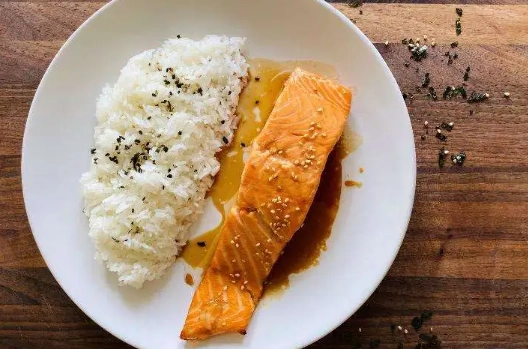
The real beauty of Japanese home cooking isn't in its complexity, but in its simplicity and respect for ingredients. It's about turning a few humble components into something greater than the sum of its parts. Start with the rice. Master the soup. Try one of the one-pan mains. Before you know it, you'll be whipping up a comforting, authentic Japanese meal on a random Tuesday night without a second thought. And that's the real goal, isn't it?
Reader Comments