Quick Navigation
- Why Japanese Home Cooking is the Ultimate Easy Weeknight Win
- Your First Japanese Pantry: The 10 Essential Ingredients
- Top 5 Easy Japanese Recipes to Start With (Really, Start Here)
- Leveling Up: Simple Sides & The Rice Question
- Your Easy Japanese Recipes FAQ (Stuff I Wondered Too)
- Putting It All Together: A Sample Weeknight Meal Plan
- Final Thoughts Before You Start Cooking
Let's be real. You see those beautiful bowls of ramen on TV, or the perfect sushi rolls at a restaurant, and you think, "I could never make that." I used to think the exact same thing. My first attempt at homemade sushi was a sticky, messy disaster that my dog wouldn't even eat. But here's the secret they don't always show you: real, everyday Japanese home cooking is nothing like that.
It's simple. It's fast. And it uses ingredients you can often find in a regular supermarket. We're not talking about spending hours making dashi from scratch on a Tuesday night (unless you want to, more power to you). We're talking about easy Japanese recipes that deliver big flavor with minimal fuss.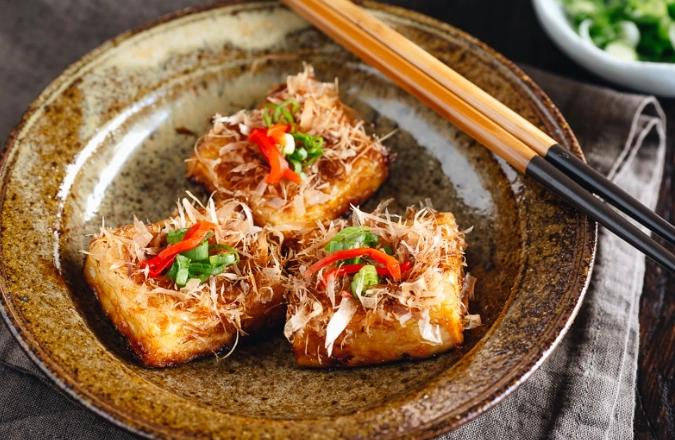
That's what this whole guide is about. I'm not a professional chef. I'm just someone who got tired of the same old dinners and fell in love with the clean, balanced, and honestly, pretty simple approach of Japanese home cooking. I've messed up plenty of times so you don't have to. So, grab a pot, and let's ditch the idea that Japanese food is complicated.
Why Japanese Home Cooking is the Ultimate Easy Weeknight Win
Before we get to the recipes, let's talk about the philosophy. It makes everything click. Japanese home meals, or washoku, often follow a simple template called "ichiju-sansai" (一汁三菜). That sounds fancy, but it just means "one soup, three dishes." In practice at home, it often simplifies to: a bowl of rice, a bowl of soup, one main protein dish, and maybe one or two small vegetable sides.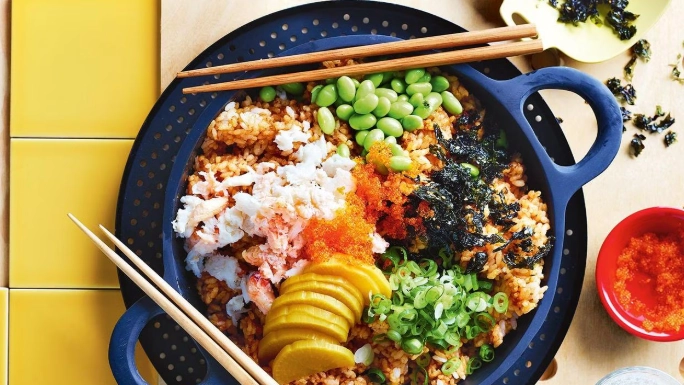
See the beauty? You're not making one massive, complex casserole. You're making a few small, simple things that come together into a complete meal. If one element is super simple (like just steamed greens with a drizzle of sauce), the meal still works. This structure is a game-changer for making easy Japanese recipes part of your routine.
Your First Japanese Pantry: The 10 Essential Ingredients
You don't need a kitchen full of exotic stuff. Start with these core items. Most are shelf-stable for ages, and once you have them, a world of simple Japanese food opens up. I've listed easier-to-find alternatives where I could.
| Ingredient | What It Is & Why You Need It | Where to Find & Substitutes |
|---|---|---|
| Soy Sauce (Shoyu) | The salty, umami backbone. Not all are equal. For general use, a regular koikuchi soy sauce is perfect. | Any supermarket. Look for a Japanese brand like Kikkoman. Avoid "light" soy sauce for now, it's different. |
| Mirin | Sweet rice wine. It adds a gentle sweetness and glossy finish to sauces. Crucial for teriyaki. | Asian aisle. If stuck, use a mix of 1.5 tsp sugar + 1 Tbsp dry sherry or white wine per Tbsp mirin. Not perfect, but works. |
| Sake (Cooking Sake) | Rice wine for cooking. It tenderizes meat and removes odors. Use cooking sake, it's cheaper and salted. | Asian aisle. Dry sherry or Chinese cooking wine are okay subs in a pinch. |
| Rice Vinegar | Milder and sweeter than Western vinegars. For sushi rice, dressings, and to brighten dishes. | Supermarket. If you can only find "seasoned" rice vinegar, reduce added sugar in the recipe. |
| Miso Paste | Fermented soybean paste. The soul of miso soup, but also great in marinades and sauces. | Health food stores, bigger supermarkets. Start with yellow or white (shiro) miso—it's milder and sweeter. |
| Dashi | The fundamental broth. It's a light, savory sea stock. Making from scratch (with kombu & bonito) is great, but... | ...use instant dashi granules or packets. It's the #1 shortcut for easy Japanese recipes. I use Hondashi brand. |
| Short-Grain Rice | Japanese rice sticks together and has a sweet flavor. It's the heart of the meal. | "Sushi rice" or "Calrose" rice work perfectly. Don't use long-grain like Jasmine or Basmati. |
| Toasted Sesame Oil | Used in small amounts as a flavor finisher. Nutty, fragrant, powerful. A few drops go a long way. | Supermarket. Make sure it says "toasted" or "roasted." Regular sesame oil is bland. |
| Panko Breadcrumbs | Airier, crispier, and flakier than regular breadcrumbs. Makes the best tonkatsu and katsu. | Most supermarkets have them now. In a real bind, pulse regular breadcrumbs for a lighter texture. |
| Japanese Mayonnaise (Kewpie) | Richer, tangier, and umami-ier than Hellmann's. It's a condiment, a sauce base, a secret weapon. | Asian markets, some supermarkets. If unavailable, mix regular mayo with a tiny bit of rice vinegar and sugar. |
See? Not so scary. With just half of these, you can make a ton of stuff. The official Japanese Ministry of Agriculture, Forestry and Fisheries (MAFF) even promotes the basics of washoku for its balanced nutritional approach, which is a nice bit of validation that we're on the right track.
Top 5 Easy Japanese Recipes to Start With (Really, Start Here)
These are my absolute go-tos. They've survived weeknight rushes, picky eaters, and my own occasional laziness. Each one teaches you a fundamental technique or flavor combination.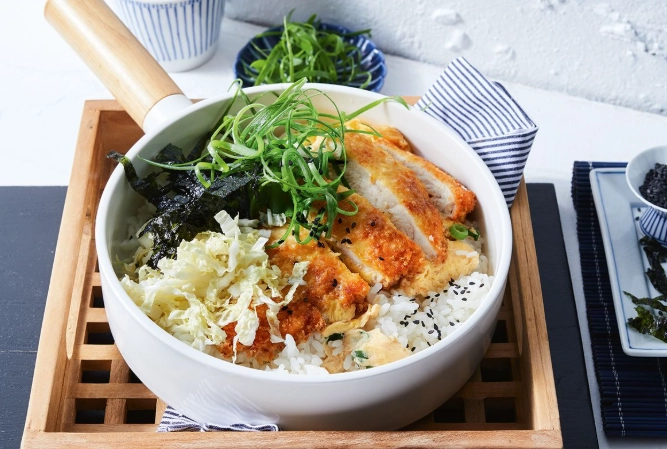
1. The 15-Minute Miso Soup (Beyond Just Tofu)
Forget the salty, bland soup from takeout packets. Real miso soup is alive, savory, and ridiculously easy. The key is not boiling the miso paste—it kills the good bacteria and mutes the flavor.
My tip: Try adding different things. Sliced mushrooms, a handful of spinach, or even some leftover cooked clams. It's a clean-out-the-fridge hero. For a deeper dive into miso's varieties and health aspects, resources like NCBI have scientific overviews on fermented foods, which is pretty cool context for your cooking.
2. Foolproof Yakitori (Japanese Grilled Chicken Skewers)
You don't need a fancy grill. Your oven's broiler or a grill pan works great. The sauce is everything, and it's just three ingredients.
Cut chicken thighs (thighs are more forgiving than breasts) into bite-sized pieces. Skewer them. Mix equal parts soy sauce, mirin, and sake (like 3 Tbsp each) with a spoon of sugar. That's your tare (glaze).
Serve with a squeeze of lemon. It's sticky, sweet, salty, and everyone will think you're a genius. This is a cornerstone of easy Japanese recipes for a crowd.
3. Oyakodon (Chicken & Egg Rice Bowl)
My personal favorite weeknight savior. "Oya" means parent, "ko" means child, "don" is rice bowl. Chicken (parent) and egg (child) over rice. It's poetic and delicious.
In a small skillet, simmer thinly sliced onion and bite-sized chicken in a mix of 2 Tbsp each of soy sauce, mirin, and dashi/water (about 1/2 cup total) until the chicken is cooked. Beat 2 eggs lightly—don't overdo it. Pour over the simmering chicken. Cover and cook on low for 1-2 minutes, just until the egg is softly set but still a bit runny. Slide the whole thing over a bowl of hot rice. The residual heat finishes the egg. The creamy egg, savory sauce, and rice all mix together. It's comfort in a bowl, ready in 20 minutes.
4. Teriyaki Anything (The Real, 3-Ingredient Sauce)
Bottled teriyaki sauce is often gloopy and one-note. The real deal is stupidly simple and so much better. The ratio is golden: 1 part soy sauce : 1 part mirin : 1 part sake. Add a little sugar to taste if you like it sweeter.
For salmon or chicken: Pat the protein dry. Pan-fry it until almost cooked through. Pour off excess fat, add the sauce mixture, and let it bubble and reduce until it thickens into a shiny glaze, spooning it over the meat. That's it. You just made authentic teriyaki. It works with tofu, beef, even meatballs. This formula is the workhorse of Japanese home cooking.
5. Japanese-style Potato Salad (Creamy & Crunchy)
This isn't your picnic potato salad. It's smoother, tangier, and has crunchy bits inside. Boil and mash potatoes (I leave some chunks). While warm, mix in rice vinegar, salt, and sugar. Let it cool completely. Then fold in diced cucumber (salted and squeezed to remove water), carrots, ham, and hard-boiled eggs. Bind it all with Japanese mayonnaise. The vinegar in the warm potatoes makes it incredibly flavorful. It's a perfect side that gets better overnight.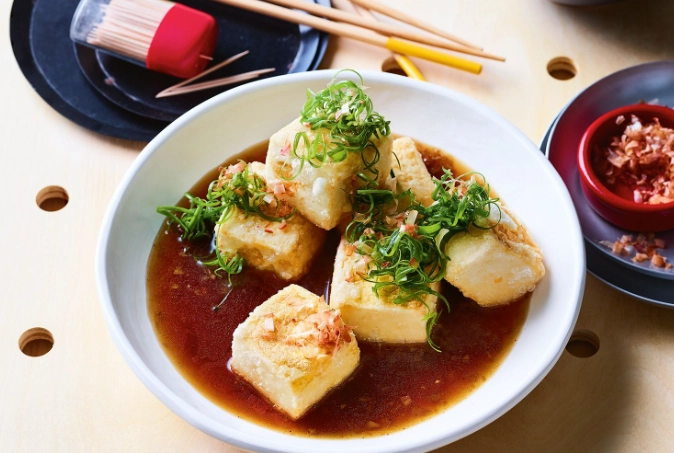
Leveling Up: Simple Sides & The Rice Question
A meal of just teriyaki chicken is fine. But adding one or two 5-minute sides makes it feel like a real spread. Here are my quick-hit favorites:
- Ohitashi (Steeped Greens): Blanch spinach or green beans. Squeeze out water. Marinate in a mix of dashi, soy sauce, and a sprinkle of bonito flakes for 10 minutes. Serve cold or room temp.
- Sunomono (Vinegared Salad): Thinly slice cucumber, salt it, squeeze. Toss with a dressing of rice vinegar, a little sugar, soy sauce, and a drop of sesame oil.
- Edamame: Don't overthink it. Boil frozen edamame in salted water for 4-5 minutes. Drain, sprinkle with coarse salt. The ultimate easy side.
Now, the rice. It's worth getting right. A rice cooker is the best investment for simple Japanese food, but a pot works fine.
Stovetop Method: Rinse 1 cup rice in a bowl, swirling until water runs mostly clear (this removes excess starch). Add to a pot with 1.25 cups water. Soak for 20-30 minutes if you have time (makes it better). Bring to a boil, then immediately reduce to the lowest possible heat, cover tightly, and cook for 12-15 minutes. Turn off heat and let it steam, covered, for another 10 minutes. Do not peek. Fluff with a rice paddle or fork. Perfect every time.
Your Easy Japanese Recipes FAQ (Stuff I Wondered Too)
Let's tackle the common hangups head-on.
Putting It All Together: A Sample Weeknight Meal Plan
Let's make this concrete. Here’s how you can use these easy Japanese recipes in real life.
- Monday (30 mins): Teriyaki Salmon. Make extra rice. Serve with simple steamed broccoli and store-bought sunomono salad from the Asian market if you're pressed for time.
- Tuesday (20 mins): Oyakodon. Use the leftover rice. The whole meal is in one bowl. Add a side of quick miso soup with just tofu and green onion.
- Wednesday (25 mins): Yakitori Skewers under the broiler. Use the leftover rice again (it keeps!). Make a cucumber sunomono while the chicken cooks.
- Thursday (Leftovers/Assembly): Turn any leftover chicken/ salmon into rice bowls. Flake the protein over hot rice, drizzle with leftover sauce or a bit of mayo, sprinkle with sesame seeds and nori strips. Instant donburi.
The goal isn't to cook Japanese food every night. It's to have these reliable, fast, and healthy options in your rotation. They're satisfying in a way that doesn't leave you feeling heavy.
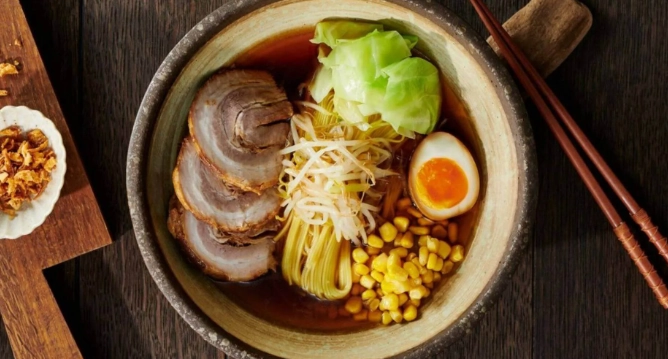 You've got this.
Final Thoughts Before You Start Cooking
I'll leave you with this. The biggest barrier to Japanese home cooking isn't skill or ingredients. It's the intimidation factor. We see the artistry of kaiseki or the precision of sushi chefs and think that's the standard. It's not. In homes across Japan, people are making these exact easy Japanese recipes—quick miso soup, simple grilled fish, rice bowls with whatever's in the fridge.
Start with one recipe. Maybe it's the 15-minute miso soup. Get comfortable with that. Then try the teriyaki sauce. Each success builds your pantry and your confidence. Before you know it, you'll be glancing at a recipe for katsu curry or gyoza and thinking, "Hey, I have most of that stuff. I could try that."
And that's the whole point. To make delicious, nourishing food without the stress. To expand your kitchen horizons one simple, flavorful bowl at a time. Now, go put on some rice. Dinner's waiting.
Reader Comments