Essential Curry Insights
- So, What Exactly Is a Roux, and Why Use a Block?
- Navigating the Aisle: A Deep Dive into Japanese Curry Roux Brands
- Beyond the Block: Pro Techniques for a Next-Level Curry
- Your Blueprint: A Step-by-Step, Foolproof Recipe
- Answering Your Curry Questions (The FAQ)
- Wrapping It Up: Your Curry Journey Starts Now
Let's be honest. The first time you saw a block of Japanese curry roux, you might have been a little skeptical. It looks like a chocolate bar, for crying out loud. How could that possibly turn into that rich, velvety, deeply comforting sauce that coats every piece of meat and vegetable so perfectly? I was right there with you. My first attempt years ago involved a sad-looking pot of boiled potatoes, carrots, and overcooked beef, and I just dropped that mystery block in. The transformation was nothing short of magic. That's the thing about roux Japanese curry – it's a shortcut that doesn't taste like one.
It's become my ultimate weeknight savior and a dish I'm genuinely proud to serve to friends. But after making it a hundred times (maybe more), I've learned there's a huge difference between just making a curry and making a great curry. The brand of roux you pick, the little tweaks you add, the techniques you use – they all matter. This guide is everything I wish I knew when I started, packed with the nitty-gritty details that turn a simple meal into something special.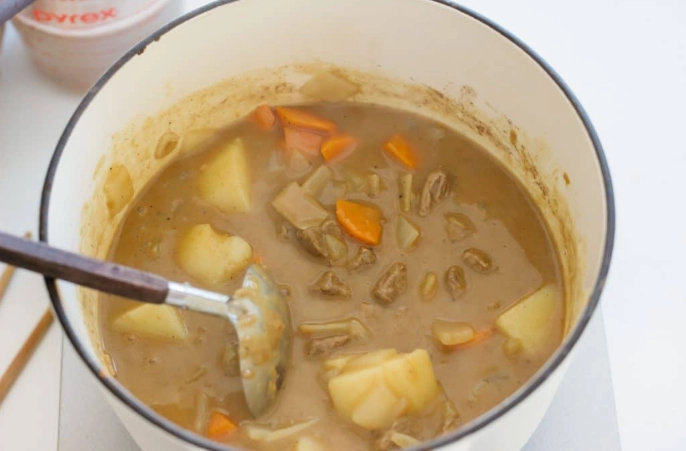
So, What Exactly Is a Roux, and Why Use a Block?
We should probably start at the beginning. In cooking, a roux is traditionally a cooked mixture of fat (like butter) and flour, used as a thickener for sauces and gravies. Japanese curry roux takes this idea and runs with it. The blocks you buy are a pre-cooked, solidified mixture of fats, flour, and a massive amount of seasoning – that's where all the curry powder, spices, salt, sugar, and umami components (like tomato paste, fruit purees, and yeast extract) are already perfectly blended in.
Think of it as the ultimate flavor and texture cheat code. Making a Japanese curry sauce from absolute scratch means toasting and grinding spices, making a separate roux, and balancing a dozen seasoning elements. It's a labor of love, but not exactly Tuesday-night-friendly. The roux block simplifies the entire process into one step: building your broth with ingredients, then melting in the block to instantly create a thick, flavorful sauce. The convenience is unbeatable, but as we'll see, not all blocks are created equal.
Navigating the Aisle: A Deep Dive into Japanese Curry Roux Brands
This is where most guides just list a few names. Let's actually break them down. The two giants are S&B and House Foods, but within their lineups, there are distinct personalities. Choosing the right one is the first major step to a curry that matches your taste.
I've made curries with all of these, side-by-side, to really taste the difference. It was a delicious, if slightly overwhelming, experiment.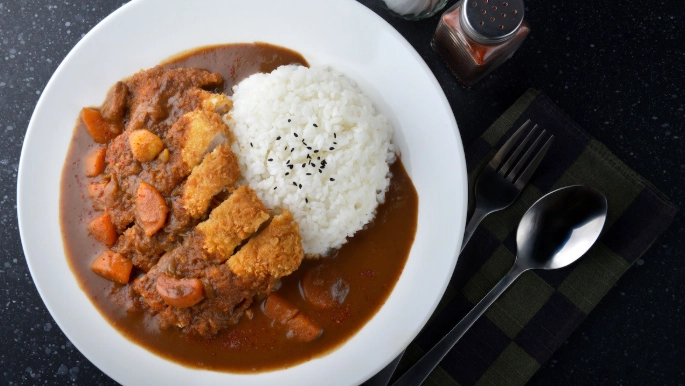
| Brand & Line | Flavor Profile & Personality | Best For... | My Personal Take |
|---|---|---|---|
| S&B Golden Curry | The classic, balanced intro. Medium sweetness, noticeable saltiness, a straightforward curry spice flavor. It's the dependable baseline. | First-timers, families with kids, anyone who wants a no-surprises, comforting classic. It's the gateway roux Japanese curry. | It's good, reliable, but can taste a bit one-dimensional and salty if you don't doctor it up. It's my "safe" choice when I'm not sure what people like. |
| House Vermont Curry | Famous for its added apple and honey. Noticeably sweeter and fruitier, with a milder spice kick. The texture is often a touch smoother. | Those with a sweet tooth, people sensitive to spice, or when you want a gentler, more aromatic curry. Kids usually love this one. | The sweetness is real. Sometimes too real for me if I'm craving something savory. But when I'm in the mood for that specific sweet-profile, nothing else hits the spot. |
| House Java Curry | The complex, grown-up sibling. Less sweet, more savory and robust, with a deeper, almost coffee-like bitterness (from its namesake). Higher umami. | Adults who find other curries too sweet. Perfect for beef or pork stews where you want a richer, more savory backbone. | This is my personal favorite for a standard meat-and-potatoes curry. It has more depth and feels less processed than Golden Curry. The bitterness balances everything beautifully. |
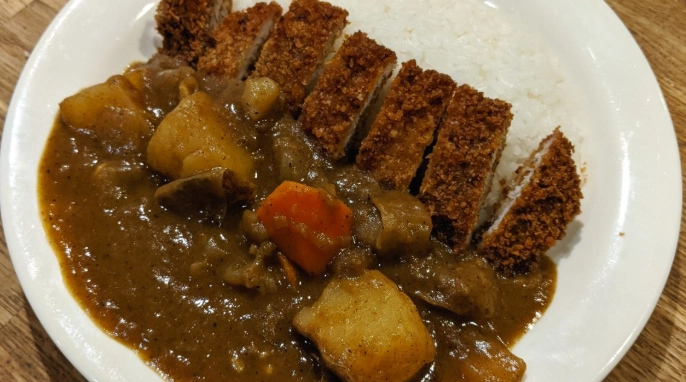
| S&B Torokeru Curry | Designed to be extra "melty" and smooth, creating a velvety, restaurant-style sauce that clings luxuriously. | When texture is king. If you love a super thick, glossy, coating sauce, this delivers. Great for katsu curry. | The texture is legitimately impressive. The flavor is similar to Golden Curry but the mouthfeel is a clear upgrade. It feels fancier. |
| Kokumaru Curry | A cult favorite among enthusiasts. Known for its intense beefy/umami flavor and unique spicing. Harder to find but sought-after. | The curry aficionado looking for a powerful, meat-centric, deeply savory experience. Not for the faint of heart. | It's intense. Almost like a beef stew concentrate crossed with curry. I find it amazing but overpowering if used as directed. I often use half a block mixed with another brand. |
See what I mean? Picking a Japanese curry roux isn't random. It's the first flavor decision you make. Most brands also come in heat levels: Mild, Medium Hot, Hot, and sometimes Extra Hot. Here's a pro-tip: The heat level often changes more than just spice. Hotter versions tend to be slightly less sweet and more savory to balance the heat. So even if you don't want it spicy, consider a Medium Hot for a more complex flavor and just use less of the block.
Beyond the Block: Pro Techniques for a Next-Level Curry
Okay, you've chosen your roux block. The standard instructions are simple: boil stuff, melt block, serve. But if you stop there, you're leaving so much flavor on the table. These are the steps that took my curry from "good enough" to "can I have the recipe?"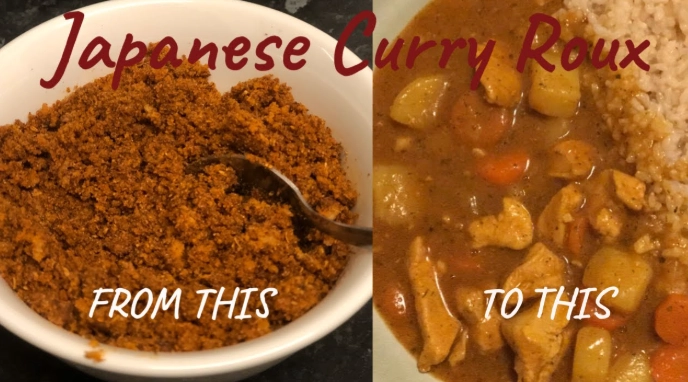
The Foundation: Building a Flavorful Broth
Don't just throw raw meat and veggies into water. You need to build a base.
- Sear Your Protein: Whether it's beef chuck, chicken thighs, or pork shoulder, get a serious sear on it in your pot. Those brown bits (fond) at the bottom are pure flavor gold. Do it in batches to avoid steaming.
- Sweat Your Aromatics: After removing the meat, sauté a finely chopped onion until it's deeply golden and soft, almost jam-like. This caramelization adds a crucial sweetness and depth. Add minced garlic and ginger for the last minute.
- Deglaze: Pour in a splash of water, broth, or even a bit of red wine to scrape up all those delicious browned bits from the bottom of the pot. This is your flavor foundation.
The Secret Weapons: Flavor Amplifiers
This is where you personalize your roux Japanese curry. The block is your seasoning base, but you can layer on top of it.
- Umami Bombs: A tablespoon of tomato paste (cook it with the onions), a splash of soy sauce, a teaspoon of Worcestershire sauce, or a dash of fish sauce (trust me, it won't taste fishy).
- Fruit for Complexity: Grate a small apple or pear into the pot along with the onions. It dissolves, adding a subtle background sweetness and fruitiness that's different from Vermont Curry's upfront sweetness.
- Spice It Up: Add a pinch of your own ground spices to accent the roux. A little garam masala, a smidge of cayenne, or some black pepper can make it feel more homemade.
The Final Act: Incorporating the Roux
Turn off the heat. Seriously, turn it off. Scoop out a ladleful of hot broth into a bowl and whisk in the broken-up pieces of your Japanese curry roux until it's completely dissolved into a smooth paste. Then, whisk this paste back into the main pot. This is the foolproof method to avoid any floury lumps. Only then do you return the pot to a very low simmer for 5-10 minutes to let the sauce thicken and the flavors marry.
Let it sit for 10 minutes off the heat before serving. The sauce will thicken further and the flavors will settle and harmonize. This resting period is a game-changer.
Your Blueprint: A Step-by-Step, Foolproof Recipe
Let's put it all together. This is my standard weeknight chicken curry blueprint, designed for maximum flavor with minimal fuss.
Ingredients:
- 1.5 lbs boneless, skinless chicken thighs, cut into chunks
- 2 large onions, thinly sliced
- 2 cloves garlic, minced
- 1" piece ginger, grated
- 2 carrots, cut into rolling wedges
- 2 potatoes, cut into chunks (soak in water to prevent browning)
- 1 box (approx. 3.5 oz) of your chosen Japanese curry roux (I'm using Java Medium Hot today)
- 1 tbsp tomato paste
- 1 tbsp oil
- 4-5 cups water or low-sodium chicken broth
- 1 tsp soy sauce (optional)
- 1 tsp instant coffee or 1 square dark chocolate (optional, but highly recommended)

The Process:
- Heat oil in a heavy pot or Dutch oven over medium-high heat. Pat chicken dry, season with salt and pepper, and sear until browned on all sides. Don't crowd the pan. Remove and set aside.
- In the same pot, reduce heat to medium. Add the onions with a pinch of salt. Cook, stirring occasionally, for a good 15-20 minutes until they are soft, golden brown, and reduced. This patience is key.
- Add the garlic, ginger, and tomato paste. Cook for 1 minute until fragrant.
- Return the chicken and any juices to the pot. Add enough water or broth to just cover everything (start with 4 cups). Bring to a boil, then reduce to a low simmer. Cover and cook for 20 minutes.
- Add the carrots and potatoes. Simmer uncovered for another 20-25 minutes, or until the vegetables and chicken are tender.
- Turn off the heat. Break the roux block into pieces. In a small bowl, ladle in some hot broth and whisk in the roux pieces, coffee/chocolate, and soy sauce until smooth. Whisk this mixture back into the main pot.
- Return the pot to the lowest possible heat and simmer gently for 5-10 minutes, stirring occasionally, until the sauce has thickened to your liking.
- Let it stand off the heat for 10 minutes. Taste and adjust seasoning (you likely won't need extra salt). Serve over steamed rice.
That's it. That's the method that never fails me. The long-cooked onions and the secret coffee/chocolate trick make it taste like you spent all day on it.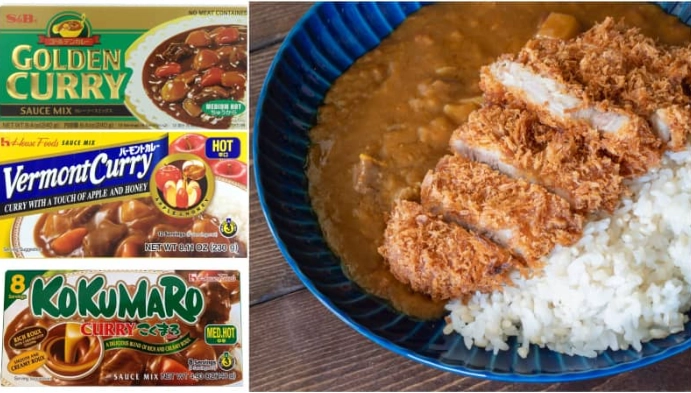
Answering Your Curry Questions (The FAQ)
Wrapping It Up: Your Curry Journey Starts Now
The beauty of roux Japanese curry is its incredible versatility. It's a framework. Start with a trusted brand like S&B Golden Curry or House Java, follow the basic steps, and you'll have a delicious meal. Then, start experimenting. Try a new brand next time. Caramelize those onions a bit longer. Throw in that square of dark chocolate. Add some mushrooms or green peas at the end.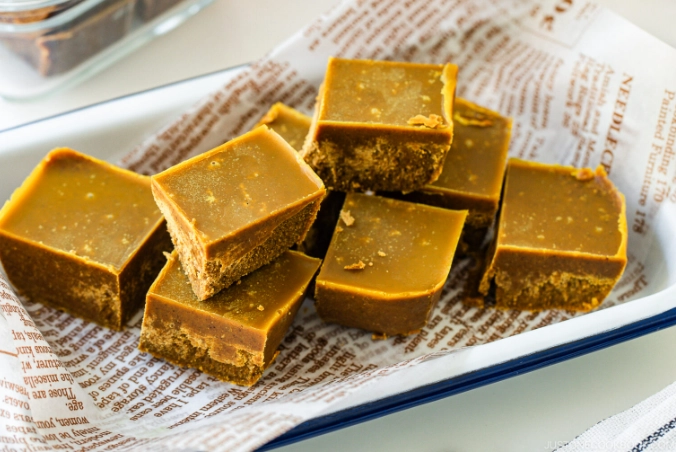
It's a dish that welcomes tinkering. It's forgiving. And it always, always satisfies. Whether you're a complete beginner or looking to elevate your usual routine, the humble roux block is your ticket to one of the world's great comfort foods. So grab a box, pick a protein, and get cooking. Your perfect pot of curry is waiting.
Oh, and one last thing – always make extra rice. You'll need it.
Reader Comments