Let's be honest. The thought of making Japanese food at home can feel intimidating. You see those perfect bowls of ramen on social media, the glistening sushi in documentaries, and think you need a decade of training and a pantry full of impossible-to-find ingredients. I thought the same thing when I started. My first attempt at miso soup tasted like salty pond water, and my sushi rice could have been used as wallpaper paste.
But here's the secret most cooking shows don't tell you: the heart of Japanese home cooking is simplicity, quality ingredients, and a few fundamental techniques. It's less about fancy knife skills and more about understanding balance—the balance of umami, salt, sweet, and sour. Once you get that, a whole world opens up.
This isn't just another list of recipes. It's a roadmap built from years of trial, error, and conversations with home cooks in Japan. We're going to skip the overly complex stuff and focus on the foundational dishes that will actually make you want to cook Japanese food regularly. We'll tackle the real questions: What's the one thing that ruins teriyaki sauce? Why does my sushi rice never taste right? And what can I actually find at my local grocery store?
What's Cooking in This Guide
- The Simple Philosophy Behind Japanese Home Cooking
- Recipe 1: Miso Soup – The Breakfast of Champions (And Everyone Else)
- Recipe 2: Teriyaki Chicken – Beyond the Bottled Gloop
- Recipe 3: Sushi Rice – The Foundation You're Probably Getting Wrong
- Next-Level Tips: Building Umami Without MSG
- Your Japanese Cooking Questions, Answered
The Simple Philosophy Behind Japanese Home Cooking
Forget the seven-course kaiseki meals for a moment. Everyday Japanese cooking, or washoku, follows a concept called "ichiju-sansai" (一汁三菜). It translates to "one soup, three dishes" and it's the basic template for a balanced meal. The soup is usually miso. The three dishes are a main protein (like fish or chicken), a vegetable side, and maybe something pickled.
The goal is variety and harmony, not complexity on a single plate. This is liberating. It means you can master one good soup, one solid protein recipe, and a way to prepare vegetables, and you're already 80% there.
The other pillar is dashi. Dashi is a stock, but calling it just "stock" is like calling champagne "sparkling grape juice." It's the soul of Japanese flavor. It's made from kombu (dried kelp) and katsuobushi (dried, smoked bonito flakes). The good news? You can now find instant dashi granules or packets in most international aisles or online. They're a perfectly respectable shortcut for home cooks. Using plain water or Western-style chicken stock is the single biggest reason your Japanese dishes taste "off."
Recipe 1: Miso Soup – The Breakfast of Champions (And Everyone Else)
How to Make Miso Soup (The Right Way)
Most recipes get the order of operations wrong. You don't just dump miso into boiling water with stuff in it. Here's the method that changed everything for me.
| Ingredient | Quantity | Notes |
|---|---|---|
| Water or Dashi | 3 cups (720ml) | Use dashi for authentic flavor. Instant is fine. |
| Miso Paste | 3-4 tbsp | Start with white/yellow miso (milder). Red miso is stronger. |
| Soft Tofu | 100g (3.5oz) | Cut into 1/2-inch cubes. Silken or soft works best. |
| Wakame (dried seaweed) | 1 tbsp | Rehydrates in the soup. No need to pre-soak. |
| Green Onion | 1 stalk | Finely chopped for garnish. |
- Heat the dashi. Bring your 3 cups of dashi or water to a gentle simmer in a pot. Not a rolling boil. If you're adding harder vegetables (like diced carrots), add them now to soften.
- Prepare the miso. This is the key step everyone skips. Ladle about 1/2 cup of the warm (not boiling) dashi into a small bowl. Add your miso paste to this bowl and whisk vigorously with a fork or chopsticks until it's completely smooth and dissolved. This is called "awakening" the miso. If you just plop it into the pot, you'll get grainy, uneven soup.
- Combine gently. Turn off the heat under your pot. Add the cubed tofu and wakame. Then, pour the dissolved miso mixture from your bowl back into the pot. Stir gently.
That's it. Ladle into bowls, top with green onion, and serve immediately. Total time: 10 minutes. The difference this method makes is night and day. The soup is fragrant, smooth, and deeply flavorful, not just salty.
Common variations? Add a handful of clams at the simmer stage. Throw in some sliced mushrooms. Use aburaage (thin fried tofu pockets) instead of regular tofu.
Recipe 2: Teriyaki Chicken – Beyond the Bottled Gloop
Real Teriyaki Chicken Thighs
The word "teriyaki" comes from "teri" (shine/luster) and "yaki" (grill/broil). The shine comes from the sugar in the sauce caramelizing. Bottled sauce is often just corn syrup and caramel color. Making it from scratch takes 5 extra minutes and tastes infinitely better.
For the Chicken & Marinade:
- 4-6 boneless, skin-on chicken thighs (skin is crucial for flavor and texture)
- 2 tbsp sake (or dry sherry)
- 1 tbsp neutral oil (like canola)
- 1 tsp grated ginger
For the Teriyaki Sauce:
- 3 tbsp soy sauce (use a Japanese brand like Kikkoman)
- 3 tbsp mirin (sweet cooking rice wine)
- 3 tbsp sake
- 1 1/2 tbsp sugar (I prefer light brown sugar for depth)
- Marinate. Pat the chicken thighs dry. Mix the 2 tbsp sake and grated ginger in a bowl, add the chicken, and let it sit for 15-20 minutes. This step removes any gamey smell and adds a subtle layer of flavor.
- Cook the chicken. Heat the oil in a cold skillet (non-stick or cast iron works great). Place the chicken thighs skin-side down. Cook over medium heat for 7-8 minutes until the skin is deeply golden brown and crispy. Don't move them around. Flip and cook the other side for 5-6 minutes until cooked through. Remove the chicken to a plate. The skin should be crackling crisp.
- Make the sauce. Pour off most of the excess fat from the pan. Add all the teriyaki sauce ingredients. Bring to a simmer over medium heat, scraping up the delicious browned bits (fond) from the chicken. Let it simmer for 2-3 minutes until it slightly thickens and becomes glossy.
- Glaze. Return the chicken to the pan, skin-side up. Spoon the bubbling sauce over the chicken for about a minute, letting it coat and glaze the meat. The sauce will continue to thicken as it cools.
Serve with rice and some quick-steamed broccoli. The sauce is the perfect balance of salty, sweet, and savory. It clings to the chicken, it's not a puddle on the plate.
Recipe 3: Sushi Rice – The Foundation You're Probably Getting Wrong
Perfect Sushi Rice (Sumeshi)
You can have the freshest fish in the world, but if your rice is bad, your sushi is bad. This recipe is for the vinegar seasoning that turns plain rice into sushi rice. The rice itself needs to be Japanese short-grain rice (like Koshihikari). Don't use Jasmine or Basmati.
For the Sushi Vinegar (Makes enough for ~3 cups cooked rice):
- 5 tbsp rice vinegar
- 2 tbsp sugar
- 1 1/2 tsp salt
- (Optional) 1 small piece of kombu (2-inch square)
- Cook the rice. Wash 1.5 cups (300g) of Japanese short-grain rice in a bowl, swirling with water until the water runs almost clear. This removes excess starch. Cook according to your rice cooker's instructions for white rice, or use the absorption method on the stove. The water-to-rice ratio is usually 1:1 to 1:1.1.
- Make the sushi vinegar. While the rice cooks, combine the vinegar, sugar, and salt in a small saucepan. Add the kombu if using. Heat gently over low heat just until the sugar and salt dissolve. Do not boil. Remove the kombu and let the mixture cool to room temperature.
- The Critical Mixing Stage. Transfer the hot, freshly cooked rice to a wide, shallow, non-metallic bowl (a wooden hangiri is traditional, but a glass or plastic bowl works). Sprinkle the cooled sushi vinegar evenly over the hot rice.
- Using a rice paddle or flat spatula, use a slicing and folding motion to mix. Don't smash or stir. You want to cool the rice while evenly distributing the vinegar. A common technique is to cut through the rice vertically and then fold it over from the sides. Fan the rice while you do this (a hand fan or a piece of cardboard works) to help it cool quickly and become glossy.
- Cover the rice with a damp cloth until ready to use. It's best used within a few hours.
This rice isn't just for raw fish. Make chirashi bowls (scattered sushi), onigiri (rice balls), or just eat it as a side. The taste is subtly sweet, tart, and enhances whatever you pair it with.
Next-Level Tips: Building Umami Without MSG
Umami is that savory, mouthwatering depth. Yes, MSG (monosodium glutamate) is a direct source, but Japanese cooking builds it naturally through ingredients. Here's how to incorporate them:
Kombu (Dried Kelp): The king of plant-based umami. Wipe it with a damp cloth (don't wash off the white powder—that's the flavor!). Use it to make dashi, or add a 2-inch piece to your pot when simmering soups, stews, or even when cooking rice.
Katsuobushi (Bonito Flakes): Smoky, fishy umami. After making kombu dashi, you can bring it to a boil, turn off the heat, add a handful of flakes, wait 30 seconds, and strain. Now you have full awase dashi (combined stock). You can also use them as a garnish on tofu, okonomiyaki, or takoyaki.
Shiitake Mushrooms: Dried shiitakes are umami bombs. Soak them in water to rehydrate, then use both the mushrooms and the soaking liquid (strained) in your cooking. The liquid is incredibly flavorful.
Miso & Soy Sauce: These fermented staples are your everyday umami workhorses. A small spoonful of white miso can deepen a Western-style cream soup or gravy beautifully.
Start by just adding a piece of kombu to your next pot of soup or rice. You'll notice the difference.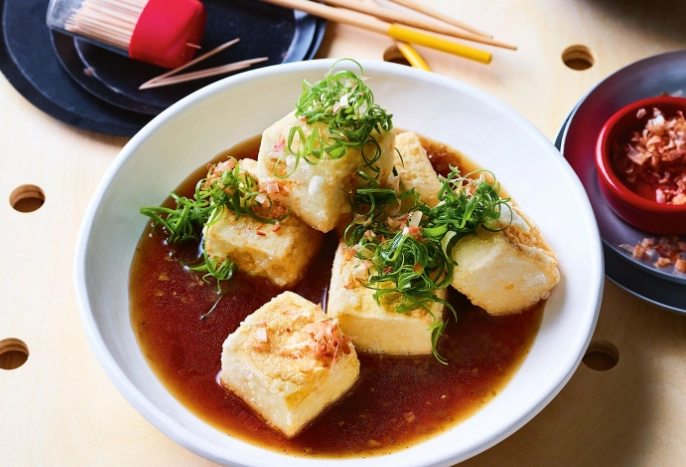
Your Japanese Cooking Questions, Answered
Reader Comments