Quick Navigation
- The Foundation: What Are We Actually Talking About?
- The Head-to-Head Breakdown: Flavor, Texture, and Everything Else
- Beyond the Big Two: Chutoro and Other Tuna Cuts
- Why is Otoro So Expensive? It's Not Just the Fat.
- How to Order and Eat Them Like You Know What You're Doing
- Answering Your Burning Questions (FAQ)
- The Final Verdict: Which One Should You Choose?
Okay, let's be real. You're sitting at a sushi bar, the menu is a mix of Japanese and English, and you see both "maguro" and "otoro" staring back at you. You know they're both tuna. Your wallet knows there's a big price difference. But what exactly is the difference between otoro and maguro? Is it just about fat? Is one always better than the other? I've been there, staring blankly, hoping the chef doesn't judge my eventual, slightly random point at the menu.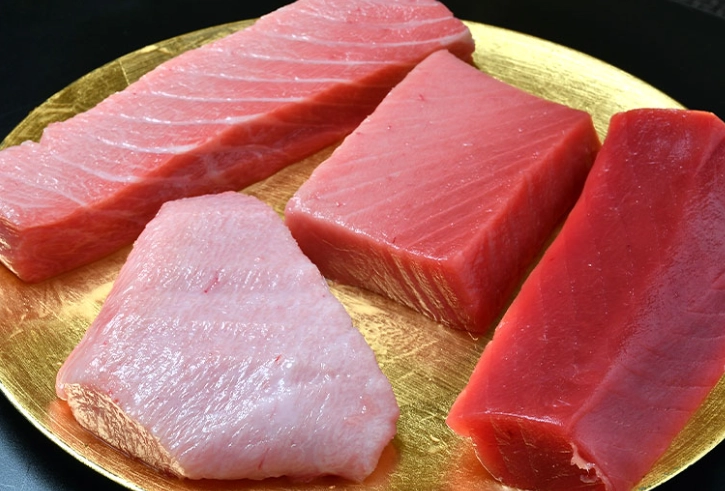
It's not just you. This is one of the most common points of confusion for anyone stepping beyond California rolls. And you know what? Even some regular sushi eaters aren't 100% clear on the details. They just know otoro is the expensive, melt-in-your-mouth one. But there's so much more to the story.
I remember my first real encounter with otoro. It was at a tiny, eight-seat counter in Tokyo. The chef placed a single, glistening piece on a small plate. It was almost translucent, with beautiful white marbling. I ate it, and honestly, it was less like eating fish and more like a rich, savory, oceanic butter that dissolved on my tongue. The maguro I had right after was a complete contrast – clean, meaty, with a subtle iron-like tang. That meal was my lightbulb moment. They're from the same animal, but they're worlds apart on the plate.
The Foundation: What Are We Actually Talking About?
Before we dive into the fatty depths, let's get our terms straight. This is where a lot of confusion starts.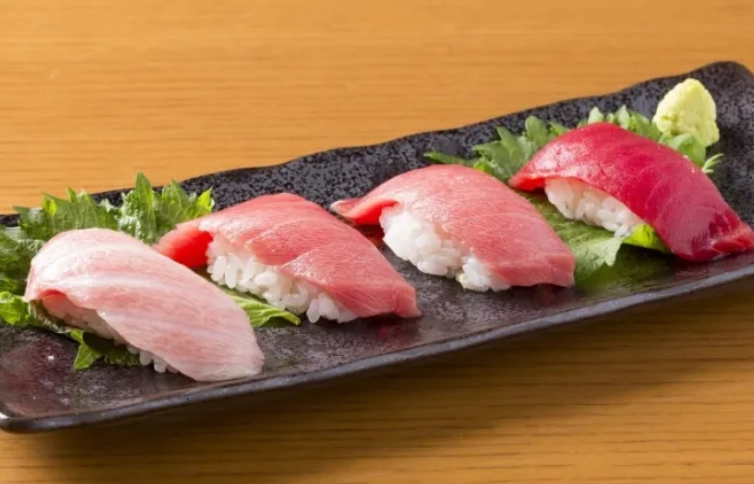
Maguro: The Umbrella Term
"Maguro" (鮪) simply means "tuna" in Japanese. In a broad sense, it refers to the bluefin tuna (kuromaguro), which is the king for sushi and sashimi. However, in the context of a sushi menu, when you see just "maguro," it's almost always referring to the lean, red meat from the bluefin tuna. This is the meat from the back and upper sides of the fish, away from the belly. It's the workhorse cut – versatile, flavorful in a straightforward way, and the most commonly served tuna in sushi restaurants worldwide.
But here's a twist. Sometimes, maguro is further broken down. You might see "akami" (赤身), which is the specific term for that lean, dark red meat. So, on a detailed menu, "maguro" might be the general category, and "akami" is the specific cut you're getting. For most practical purposes, especially outside high-end spots, "maguro" = the lean tuna.
Otoro: The Crown Jewel
"Otoro" (大とろ) translates to "large fat" or "great fat." That name tells you everything. This isn't a different type of fish; it's a specific part of the same bluefin tuna. Otoro comes from the belly of the fish, the ventral section. This is the part that does the least work and stores the most fat for energy. We're talking about the absolute most marbled, fattiest portion of the tuna's underbelly.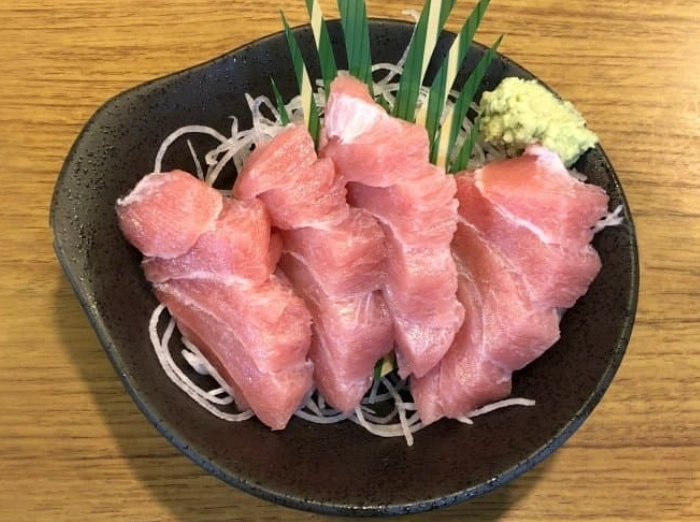
There's even a hierarchy within otoro. The very front part of the belly, near the pectoral fins, is sometimes called "jabara" or the fattiest of the fatty. It has the most intricate webbing of fat. The otoro from further back is still incredibly rich but might be slightly less insane. When you pay top dollar, you're paying for this specific, luxurious geography of the fish.
So, right off the bat, the core difference between otoro and maguro is this: Maguro is the general lean meat, otoro is the specific fatty belly cut. One is beef steak, the other is wagyu brisket.
The Head-to-Head Breakdown: Flavor, Texture, and Everything Else
Let's put them side by side. This is where the rubber meets the road, or rather, where the fish meets the rice.
| Characteristic | Maguro (Akami - Lean Tuna) | Otoro (Fatty Tuna Belly) |
|---|---|---|
| Part of Fish | Back, upper sides (dorsal & lateral muscles) | Lower belly (ventral section) |
| Fat Content | Low (2-5%) | Very High (30-50%+) |
| Color | Deep, ruby red to almost burgundy | Light pinkish-white with extensive white fat marbling |
| Texture | Firm, meaty, slightly dense. Has a distinct grain you can feel. | Buttery, tender, melts-in-your-mouth. Often described as "unctuous." |
| Flavor Profile | Clean, meaty, slightly metallic (in a good way), oceanic. Pure tuna flavor. | Rich, intensely savory (umami), sweet, fatty. The fat carries the flavor. |
| Mouthfeel | Requires a bit of chewing. Satisfying bite. | Coats the mouth. Dissolves with minimal effort. |
| Typical Price (per piece) | $$ ($3-$8) | $$$$ ($10-$25+) |
| Best Way to Eat It | Nigiri (with a light brush of soy), sashimi, tekka maki (tuna roll). | Nigiri (often with little to no soy sauce to appreciate the fat), sashimi. |
| Seasonality | More consistent year-round. | Peak in winter (tuna are fattiest in cold months). |
Looking at that table, the difference between otoro and maguro becomes crystal clear. It's a difference in kind, not just degree.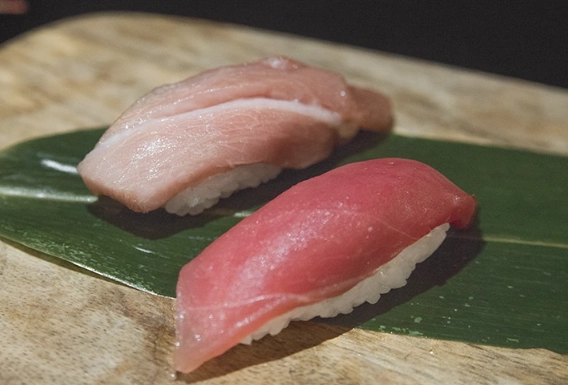
Diving Deeper into Flavor and Texture
Let's talk about that flavor more. Maguro tastes like what you imagine a powerful, fast-swimming ocean fish should taste like. There's a minerality to it, a clean protein flavor. It's refreshing. When you dip it in soy sauce and wasabi, those condiments complement it without hiding it.
Otoro is a flavor bomb. The fat is loaded with inosinic acid, a compound that delivers a huge umami punch. It's savory, almost meaty like a great steak, but with a distinct sweetness from the fat. The texture is what really defines it, though. A good piece of otoro should literally begin to soften as it hits the warmth of your tongue. It shouldn't be chewy at all. If it is, it might be lower-grade or not cut from the prime spot.
Here's a weird but true thing: because of the high fat content, otoro can sometimes be served slightly warmer than maguro. The fat solidifies when too cold, so letting it come closer to room temperature can make it even more unctuous and flavorful. A good sushi chef knows this.
Beyond the Big Two: Chutoro and Other Tuna Cuts
Now, if the difference between otoro and maguro is so stark, you might wonder—is there a middle ground? Absolutely. This is a key piece of knowledge that many basic guides miss.
Enter Chutoro (中とろ). "Chu" means "middle." This is the cut from the belly area, but between the ultra-fatty otoro and the lean akami (maguro). It's often from the side of the belly or the area where the belly meets the back. Chutoro has beautiful marbling—more than akami, less than otoro. It's pink in color. For many people, including myself on most days, chutoro is the sweet spot. It has the rich flavor and buttery texture of otoro but is more balanced and less overwhelming. The price is also usually in between.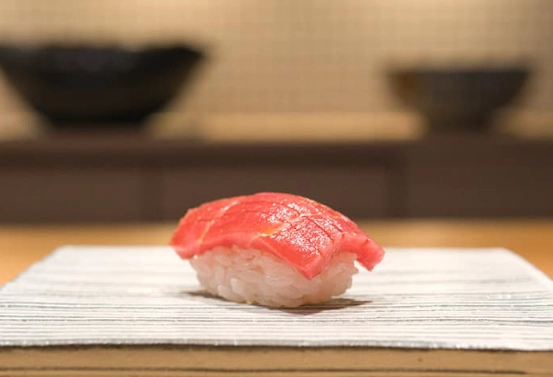
So, the full tuna hierarchy on a good sushi menu looks like this, from leanest to fattiest:
- Akami (what's typically called "maguro"): Lean, red, meaty.
- Chutoro: Medium-fatty, pink, balanced.
- Otoro: Very fatty, pale pink/white, luxurious.
Sometimes you might even see "kami" (jaw meat) or "negitoro" (scraped belly meat mixed with scallions), but akami, chutoro, and otoro are the holy trinity of bluefin tuna sushi cuts.
Why is Otoro So Expensive? It's Not Just the Fat.
You see the price difference. It's dramatic. But why? Understanding this helps you appreciate what you're paying for (or decide to stick with chutoro!).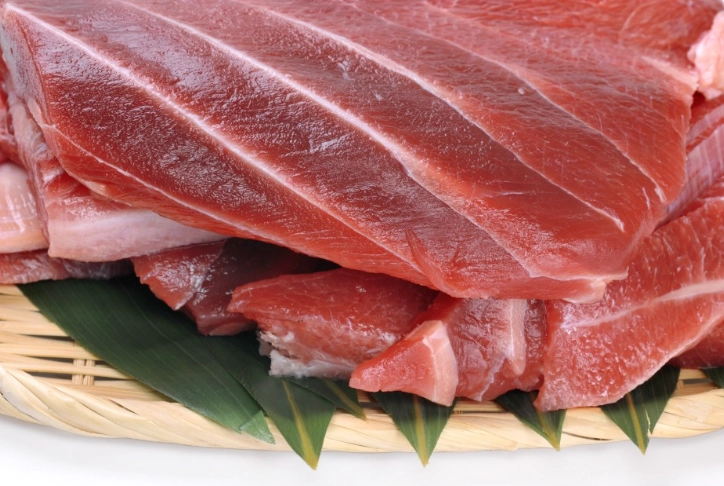
- Scarcity: A single bluefin tuna yields a very small percentage of otoro. Think about it—the belly is only so big, and only the very front part is the finest otoro. One large fish might only give enough otoro for 20-30 servings. The akami, from the large back muscles, yields many, many more servings.
- Demand: It's considered the pinnacle. Global demand, especially from luxury markets, has skyrocketed.
- The Fish Itself: Bluefin tuna, particularly Pacific Bluefin and Southern Bluefin, are massive, powerful fish that are challenging and expensive to catch. They are also notoriously difficult to farm sustainably to a high standard, though advances are being made. The wild-caught ones, especially from specific regions like Oma in Japan, command astronomical prices at auction. You can read about the complex status of Bluefin tuna from an authority like the Monterey Bay Aquarium Seafood Watch, which tracks seafood sustainability.
- Skill & Handling: Preserving the delicate fat of otoro requires impeccable handling from catch to plate. It's more perishable and sensitive than the leaner meat.
So, when you pay for otoro, you're paying for a rare, labor-intensive, highly coveted commodity. Is it worth it? For a special experience, absolutely. As an everyday thing? Probably not for most of us.
How to Order and Eat Them Like You Know What You're Doing
This is the practical stuff you came for. Let's cut through the etiquette myths.
For Maguro (Akami):
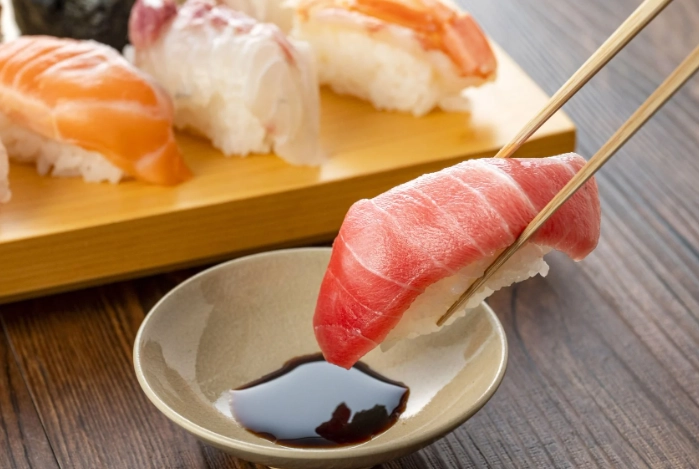
- Soy Sauce: It's fine to dip. A light dip, fish-side down, is perfect. Don't dunk the rice.
- Wasabi: The chef usually puts a bit between the fish and rice. If you want more, you can add a tiny dab to the fish before dipping.
- Garnish: Sometimes grated ginger or a bit of scallion pairs nicely, but often it's best pure.
For Otoro (and Chutoro):
- Soy Sauce: Often, no soy sauce is needed. The fat is so flavorful on its own. A good chef might brush a tiny, almost invisible amount of a special soy-based sauce (nikiri) on it. If you must, the tiniest touch on a corner. Dipping rich otoro in standard soy can mask its delicate sweetness.
- Wasabi: Again, the chef's amount is usually sufficient. The goal is to complement, not overpower.
- Temperature: Eat it quickly once served. Letting it sit warms it up, which can be good, but don't let it get warm and soggy on the plate.
A common mistake is treating otoro the same way you treat maguro. They are different beasts. Respect the fat.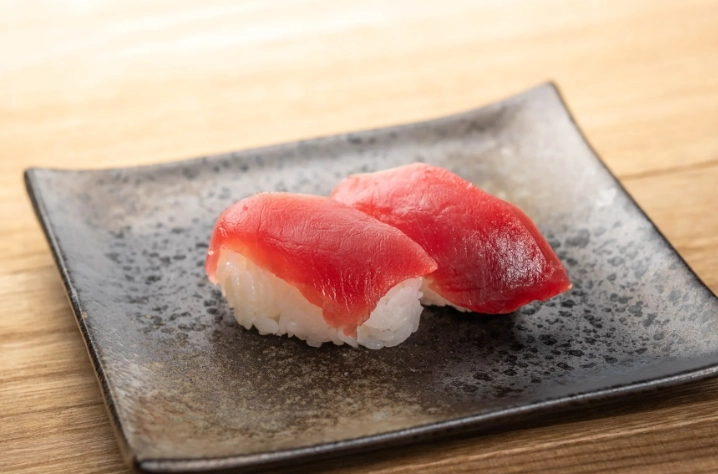
Answering Your Burning Questions (FAQ)
The Final Verdict: Which One Should You Choose?
So, after all this, what's the answer to the core question: what is the difference between otoro and maguro?
It boils down to this: Maguro is the essence of tuna; otoro is the luxury experience of tuna. One is foundational, the other is decadent.
My advice? Don't choose. Experience both. Start with a piece of maguro (akami) to set your baseline—this is the pure, oceanic taste. Then, if your budget allows, try a piece of chutoro to experience the balance. Finally, treat yourself to one piece of otoro as the grand finale. Feel how it melts, how the rich umami coats your mouth. You'll understand the hype, and you'll also understand why you wouldn't want a whole meal of it.
The beauty of sushi is in these nuances. Knowing the difference between otoro and maguro, and chutoro in between, transforms you from someone who just eats fish on rice to someone who appreciates a craft. It makes every bite more interesting. And hey, next time you're at the sushi bar, you can order with a lot more confidence. Maybe you'll even impress the chef.
Just remember to go easy on the soy sauce with the otoro.
Reader Comments