Quick Navigation
Okay, let's talk about ume sushi. You’ve probably seen it on a platter—a neat little roll or nigiri with a shock of pink or purple peeking out from the rice. Maybe you’ve ordered a mixed plate and wondered what that tangy, salty, slightly sweet one was. That’s the one. It’s a staple in many Japanese restaurants, but it doesn’t always get the spotlight compared to its tuna or salmon cousins. I think that’s a shame, because there’s a lot more to this simple-looking sushi than meets the eye.
For a long time, I just thought it was a “pickled plum thing” and left it at that. But then I started asking questions. What exactly is the “ume”? Why does it taste like that? Is it actually good for you, or is that just a food myth? And most importantly, how do you eat it to get the best experience? This guide is basically me dumping all the answers I found, plus a few opinions I formed along the way, onto the page for you.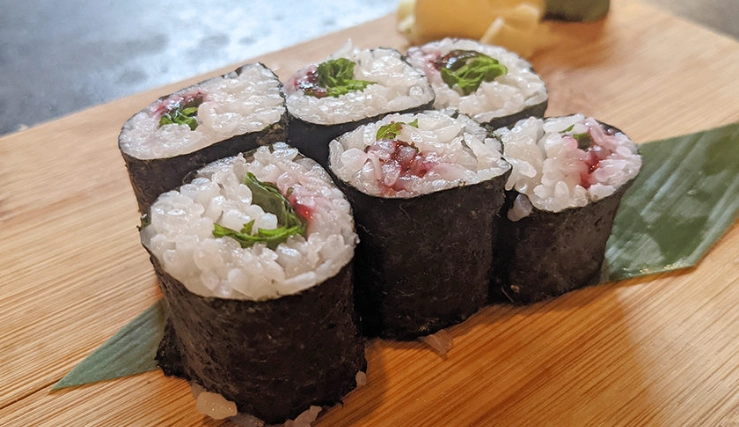
So, What Exactly Is Ume Sushi?
Let's clear up the biggest confusion right away. The star of the show isn't a fresh plum. Not even close. The core ingredient is umeboshi, which translates to “dried plum” but is really more of a pickled Japanese apricot. Yeah, it’s technically an apricot (Prunus mume), but centuries of calling it a plum have stuck. These little fruits are pickled with salt and red shiso leaves (that’s what gives it that vibrant pink or deep red color), then aged for months, sometimes years.
Ume sushi, then, is simply vinegared sushi rice paired with umeboshi. It comes in a few common forms:
- Ume Maki (Rolls): Thin strips or paste of umeboshi rolled inside nori and rice. Sometimes it's just the plum, sometimes it's paired with cucumber or shiso leaf for extra freshness.
- Ume Nigiri: A small oval of sushi rice topped with a whole or half piece of umeboshi. This is the purest form.
- Ume Temaki (Hand Rolls): A cone of nori filled with rice and umeboshi, often enjoyed at home.
The beauty of ume sushi lies in its simplicity. It’s often vegan-friendly (just check for dashi in the rice at some places), and it’s a powerhouse of flavor without any raw fish. That makes it a fantastic option for a lot of people.
The Flavor Profile: A Symphony in Your Mouth (Or a Shock to the System)
Describing the taste of ume sushi is an adventure. It’s not one-note. If you go in expecting just “sour,” you’ll miss the whole concert.
A Layered Taste Experience
The Opening Act – Salty & Sour: This is the immediate punch. The high salinity and intense acidity from the lactic acid fermentation hit your taste buds first. It’s bracing, refreshing, and makes your mouth water instantly. This is the part that can divide rooms.
The Middle Notes – Complex Umami & Sweetness: After the initial shock settles, you start to taste the deeper flavors. The aging process and the shiso leaves contribute a savory, almost earthy umami. Then, hiding behind all that salt and sour, there’s a subtle, natural fruity sweetness from the apricot itself. It’s faint, but it’s there, rounding everything out.
The Texture Play: Don’t forget the mouthfeel. You have the soft, slightly chewy flesh of the umeboshi against the distinct, separate grains of cool, seasoned sushi rice. It’s a fantastic contrast that purees or pastes can’t replicate.
Honestly, the first time I had a proper ume nigiri, my face probably did a little twitch. It was so much more intense than I anticipated. But by the second bite, I was hooked. It’s an acquired taste, but one that grows on you fast if you’re open to it.
Why Bother? The Surprising Perks of Ume Sushi
Beyond the unique flavor, people have been eating umeboshi for centuries in Japan for its perceived health benefits. Modern nutrition gives some credence to these traditional beliefs, though it’s good to keep a balanced perspective.
Let’s break down what’s in that pink bite and what it might do for you.
The Nutritional Powerhouse Inside
The main actor, umeboshi, is packed with a few key things. It’s famously high in citric acid—way more than lemons. This acid is thought to help combat fatigue and improve metabolism. It’s also a good source of dietary fiber (good for digestion) and contains minerals like iron, potassium, and manganese.
But here’s the big caveat everyone needs to know: it is VERY high in sodium. We’re talking about a preserved product here. One large umeboshi can contain a significant chunk of your daily recommended salt intake. So, while ume sushi can be part of a healthy diet, moderation is absolutely key. Don’t sit down and eat ten pieces thinking it’s a health food.
Traditional Uses and Modern Understanding
In Japan, umeboshi has a long history as a digestive aid and a preservative (it was packed in samurai lunchboxes to prevent rice from spoiling). The science behind some claims is still evolving. For instance, research into the specific probiotic qualities of traditional pickles is ongoing. Organizations like the Japan Society for Bioscience, Biotechnology, and Agrochemistry publish studies on fermented foods that can give you a more scientific grounding.
The bottom line? It’s a fermented food with a unique nutrient profile. Enjoy it for the taste, and consider any health perks a potential extra.
Your Go-To Guide for Eating Ume Sushi
Alright, so you’re at a restaurant or you’ve picked up some from the store. How do you tackle it to get the best experience? It’s not complicated, but a few tips can make a world of difference.
The Classic, No-Fuss Way
For nigiri, pick it up with your fingers or chopsticks. Eat it in one bite if you can. This lets all the flavors—the rice, the plum, the slight hint of wasabi that might be underneath—mix together perfectly in your mouth. Don’t dunk it in soy sauce. Seriously, don’t. The umeboshi is already plenty salty and flavorful. Dipping it will overpower its delicate balance and make it unbearably salty. This is the most common mistake beginners make.
For ume maki, you can dip the fish-free end very lightly in soy sauce if you must, but try it plain first. You might not need it.
Next-Level Pairings and Creative Ideas
Once you’re comfortable with the basic taste, you can start playing with combinations. The high acidity of ume sushi makes it a fantastic palate cleanser. That’s why you’ll often see it at the end of a sushi meal. But it also pairs brilliantly with certain flavors.
Here are a few combinations I’ve tried and loved (and one I didn’t):
| Pairing | Why It Works | My Personal Rating |
|---|---|---|
| With Green Tea | The slight bitterness of sencha or matcha contrasts and cuts through the saltiness beautifully. It’s a classic for a reason. | 10/10. Perfect match. |
| In a "Rainbow Roll" Style | Adding a thin slice of creamy avocado on top of an ume maki creates a fantastic fat-acid balance. The mild avocado tames the sour punch. | 9/10. A game-changer. |
| With Cucumber & Shiso (Kappa Ume) | The ultimate refreshing combo. Cucumber’s crunch and water content, plus shiso’s unique minty-herbal note, complement the ume perfectly. This is a standard roll in Japan for good reason. | 10/10. My go-to order. |
| With Fatty Fish (Experiment) | I tried a piece of ume sushi followed by a piece of otoro (fatty tuna). The ume completely reset my palate, making the tuna taste even richer. Eating them together in one bite? That was a messy, overly intense failure for me. | Sequential: 8/10. Combined: 3/10. |
You can also get creative at home. Mash a little umeboshi paste into softened cream cheese for a killer bagel spread, or mix a tiny bit into salad dressings for an umami kick.
Making Your Own Ume Sushi at Home
It’s easier than you think. You don’t need to pickle your own umeboshi for years (thankfully). You can buy them jarred at any Asian grocery store or online.
What you’ll need: Sushi rice (properly seasoned with vinegar, sugar, salt), nori sheets, and umeboshi. For extras: cucumber strips, shiso leaves, a bamboo rolling mat.
The basic process:
- Cook and season your sushi rice. Let it cool to room temperature.
- Place a nori sheet on your mat. Spread a thin, even layer of rice over it, leaving a small border at the top.
- Make a thin line of umeboshi paste or place a few small strips of the plum across the center of the rice.
- Add cucumber or shiso if using.
- Roll it up tightly using the mat, seal the edge with a bit of water, and slice with a very sharp, wet knife.
The biggest tip? Don’t overfill with the umeboshi. A little goes a very long way. Start with less than you think you need. You can always add more next time.
Answers to the Questions You’re Probably Asking (FAQ)
Is ume sushi vegan?
Most of the time, yes. The core ingredients are plant-based: rice, vinegar, nori, umeboshi. However, you need to check two things: 1) Some sushi rice recipes use dashi (fish stock) in the seasoning. 2) Some commercial umeboshi might use honey in the pickling process. If you’re strictly vegan, ask the chef or check the label on the umeboshi jar. When in doubt, the simplest nigiri form is your safest bet.
Why is it sometimes so expensive for a simple roll?
Good umeboshi is a product of time and care. The best ones are aged naturally for long periods. The shiso leaves used for coloring and flavor are also a specialty product. A jar of high-quality, traditionally made umeboshi can cost significantly more than a mass-produced one. That cost gets passed on. If the ume sushi tastes exceptionally complex and balanced, you’re probably paying for a better ingredient.
Can I eat it if I’m pregnant?
This is a big one. Because it’s a pickled, pasteurized product and contains no raw fish, ume sushi is generally considered safe from a parasitic standpoint. However, the extremely high sodium content is a major concern for pregnancy, as it can contribute to swelling and high blood pressure. You should absolutely consult your doctor. They might say a tiny piece is okay occasionally, but they will likely advise against making it a regular thing. The official dietary guidelines from health authorities, like those found on government health portals, always emphasize sodium moderation during pregnancy.
My store-bought ume sushi tastes bland and too sweet. Why?
You’ve likely encountered a mass-produced version that uses artificial coloring and flavorings, or a low-quality, overly sweetened umeboshi paste. This is my biggest gripe with some supermarket sushi. It gives ume sushi a bad name. The real deal should make your mouth pucker, not just taste faintly fruity. Seek out a reputable Japanese restaurant or specialty store for a better experience.
How should I store leftover umeboshi?
Keep them in their original brine, in a sealed jar in the refrigerator. They last for ages—we’re talking months to years. The salt is a fantastic preservative. Just make sure you use clean utensils to take them out to prevent contamination.
Wrapping It All Up
Ume sushi is more than just a colorful item on a sushi menu. It’s a taste of a long culinary tradition, a complex flavor experience, and a versatile little dish that can be enjoyed in so many ways. Is it an acquired taste? Sure. But what great food isn’t?
Next time you see it, don’t just pass it over for another piece of salmon. Give it a try. Eat it plain, in one bite. Let that salty, sour, umami wave hit you. Pair it with a sip of green tea. See if you can find that hint of hidden sweetness.
You might just find your new favorite sushi.
And if you don’t like it? That’s okay too. At least now you’ll know exactly what it is, why it tastes the way it does, and what all the fuss is about. And that’s really the point of any good food adventure, isn’t it?
Reader Comments