Let's clear something up right away. Soba isn't just "Japanese noodles." That's like calling champagne "sparkling wine." Technically true, but it misses the soul of the thing. For centuries in Japan, these slender, nutty strands made from buckwheat (soba) have been more than food. They're a symbol of longevity, a staple for New Year's Eve, and a test of craftsmanship. I remember my first "proper" soba experience in a tiny, standing-only shop in Tokyo's Shinjuku station. The chef handed me a bamboo tray of cold noodles with a small cup of dark sauce. I dunked the whole clump in, took a bite, and it was... way too salty. I'd missed the nuance entirely. That's what most guides don't tell you – how to actually eat them. This isn't just a recipe post. It's a field manual for appreciating soba, from its health claims (some legit, some overstated) to the quiet ritual of dipping just the right amount.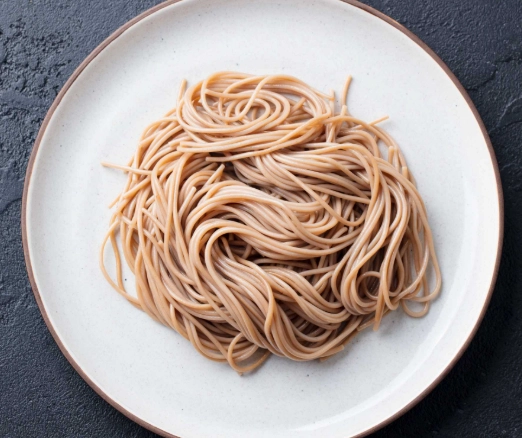
What's Inside?
- A Quick Bite of History & Culture
- Types, Labels, and The Real Health Story
- How to Cook Soba Noodles Perfectly (The Ice Water Rule)
- How to Eat Soba Authentically: Cold vs. Hot
- The Sauce Secret: Store-Bought vs. Homemade Tsuyu
- Beyond the Basics: Creative Pairings & Common Pitfalls
- Your Soba Questions, Answered
A Quick Bite of History & Culture
Buckwheat arrived in Japan over a thousand years ago. It thrived in poor soil and cold climates where rice struggled, becoming a crucial crop in mountainous regions like Nagano. The noodles themselves became popular during the Edo period (1603-1868). Fast-forward to today, and you'll find soba woven into tradition. Eating toshikoshi soba (year-crossing noodles) on New Year's Eve is meant to symbolize a long, healthy life – the noodles representing longevity. In my visits to soba-making workshops in Japan, the masters talk less about recipes and more about koshi – the ideal firm, elastic texture. It's a texture born from the ratio of buckwheat to wheat (pure buckwheat lacks gluten, making it fragile), the fineness of the grind, and the pressure of the cut. The best soba-ya (soba restaurants) often make noodles fresh daily, a practice called teuchi soba (hand-pounded soba).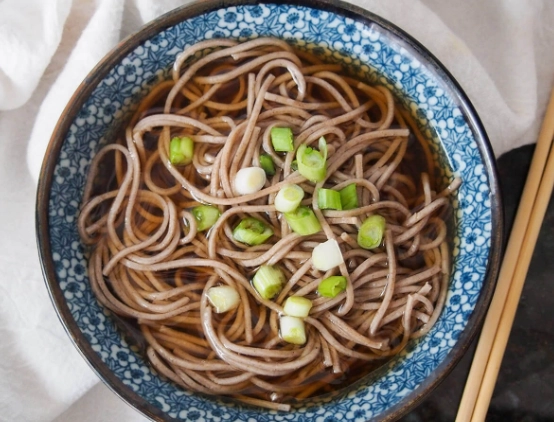
Local Insight: If you're ever in Tokyo, skip the flashy spots for a taste of history. Try Kanda Matsuya (1-13 Kanda Sudacho, Chiyoda City). It's been operating since 1884. Their seiro soba (cold soba on a basket) is a benchmark. No frills, just perfection in texture and a deeply flavorful tsuyu. Expect to wait in line, and it's worth every minute.
Types, Labels, and The Real Health Story
Walk down the noodle aisle in an Asian grocery, and you'll be bombarded with choices. Here’s how to decode the package.
The most important thing on the label is the buckwheat flour percentage, often called wari (割). A bag labeled "Juwari" (十割) means 100% buckwheat. It's gluten-free, has a stronger nutty flavor, and is more delicate to cook. More common is "Hachiwari" (八割), or 80% buckwheat, blended with about 20% wheat flour for elasticity. The higher the buckwheat percentage, the darker the noodle and the more pronounced the flavor.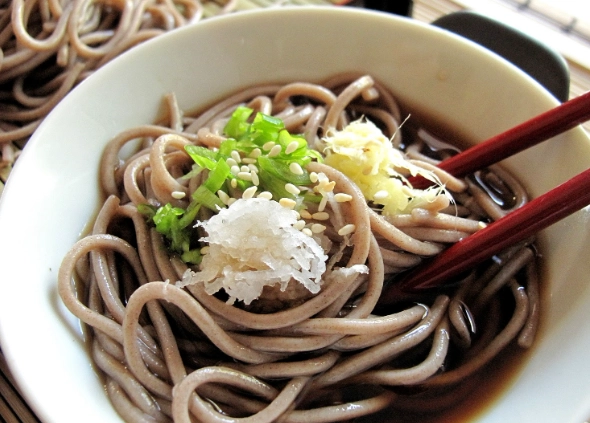
| Type (Japanese) | Buckwheat % | Key Characteristics | Best For |
|---|---|---|---|
| Juwari Soba (十割) | 100% | Gluten-free, robust nutty taste, fragile texture, often more expensive. | Cold dishes (zaru soba), gluten-free diets, pure flavor seekers. |
| Hachiwari Soba (八割) | ~80% | Excellent balance of flavor and springy texture (koshi). The "gold standard" for many. | Any application. A fantastic all-rounder. |
| Nihachi Soba (二八) | ~80% (same as Hachiwari) | Another name for the common 80/20 blend. "Ni" (2) and "Hachi" (8) refer to a historical 2:8 price ratio of wheat to buckwheat. | Same as Hachiwari. |
| Inaka Soba (田舎) | Varies, often lower | "Country-style." Thicker, rustic noodles, sometimes with bits of buckwheat husk for texture. | Hearty hot soups (kake soba). |
Now, the health angle. Is soba a superfood? Let's be practical. Compared to plain white wheat pasta, soba (especially high-percentage buckwheat) wins on several fronts:
- Protein & Fiber: Buckwheat is a complete protein, containing all nine essential amino acids. It also provides decent dietary fiber, aiding digestion.
- Minerals: It's a good source of manganese, magnesium, and copper.
- Gluten-Free: 100% buckwheat soba is naturally gluten-free. Always check the label if you have celiac disease, as most blends contain wheat.
The catch? The sauce. Traditional tsuyu is high in sodium. And you're still eating carbohydrates. The health benefit comes from choosing nutrient-dense buckwheat over refined wheat, not from eating unlimited amounts. A standard serving is about 80-100g of dry noodles.
How to Cook Soba Noodles Perfectly (The Ice Water Rule)
This is where most home cooks falter. Boiling soba isn't like boiling spaghetti. Buckwheat starch is different. It releases more foam and can turn the water into a cloudy, sticky mess that glues your noodles together if you're not careful.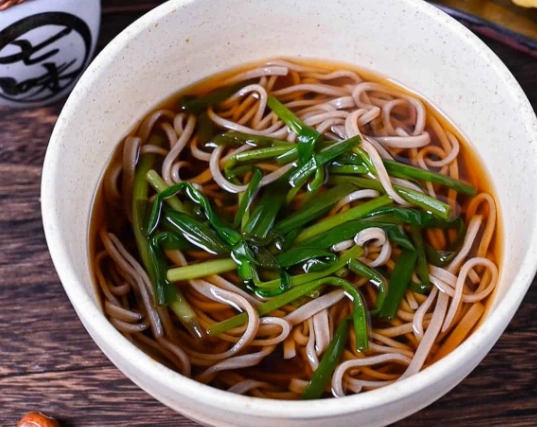
The Non-Negotiable Steps:
- Use a large pot with plenty of water. Don't crowd them.
- No oil, no salt. Unlike Italian pasta, you don't salt the water. The noodles will be seasoned by the sauce later.
- Boil vigorously. Add the noodles, stir immediately to separate, and keep the boil active.
- Watch the time. Dried soba cooks fast, usually in 4-6 minutes. Check the package. Start tasting a minute before the suggested time.
- THE CRITICAL STEP: The Ice Bath. Have a large bowl of ice water ready before you start boiling. The moment the noodles are done (al dente, with a slight bite), drain them and immediately plunge them into the ice water. Swirl them around. This shocking halt to the cooking process is what gives soba its signature firm, clean texture (koshi). Rinsing under cold tap water isn't cold enough. You need ice.
- Drain thoroughly. Shake the colander well. For cold soba, a little residual moisture is okay. For stir-fries, pat them drier.
That cloudy cooking water? In Japan, it's called sobayu. After your meal, it's often diluted with the leftover tsuyu and drunk as a warm, nutritious tea. Don't just pour it down the drain – try it!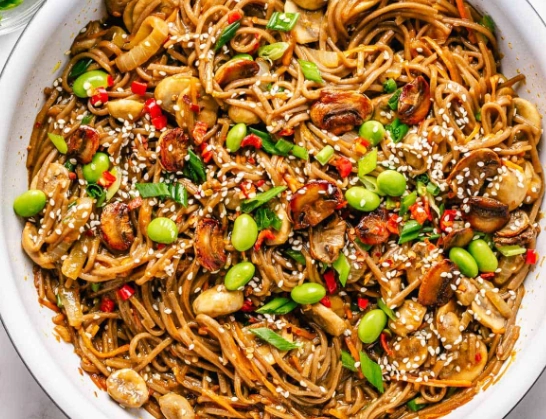
How to Eat Soba Authentically: Cold vs. Hot
Cold Soba (Zaru Soba / Mori Soba)
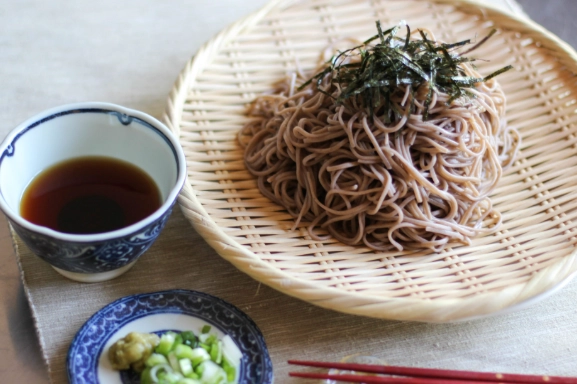
This is the purest test of a good noodle. The chilled noodles are served on a bamboo tray (zaru) or in a basket, often with a pile of shredded nori seaweed on top. On the side is a small cup of concentrated tsuyu dipping sauce, along with condiments like wasabi and finely sliced green onions (negi).
How to eat it (and avoid my initial salt-bomb mistake):
- Add a dab of wasabi and some green onions to your tsuyu cup.
- Using your chopsticks, pick up a small, bite-sized bundle of noodles.
- Dip only the bottom third to half of the noodles into the tsuyu. Don't submerge the whole clump. You're flavoring, not drowning.
- Slurp them up. Slurping is not just acceptable; it's encouraged. It aerates the noodles, enhancing the flavor.
- Enjoy the clean, refreshing taste. The goal is to taste the noodle itself, heightened by the salty-sweet-umami sauce.
Hot Soba (Kake Soba)
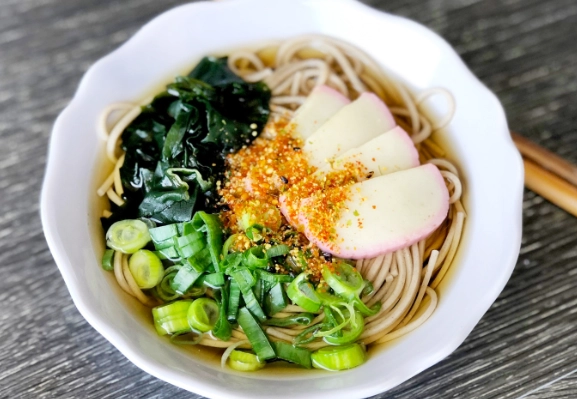
Noodles served in a hot, savory broth. It's comforting, especially in colder weather. The broth is a lighter, less concentrated version of tsuyu, often with a hint of sweetness from mirin.
Toppings vary: tempura shrimp (tempura soba), a slice of fried tofu (kitsune soba), or even a raw egg yolk (tsukimi soba). You eat this with a spoon and chopsticks, often drinking the broth directly from the bowl. It's less formal, more hearty.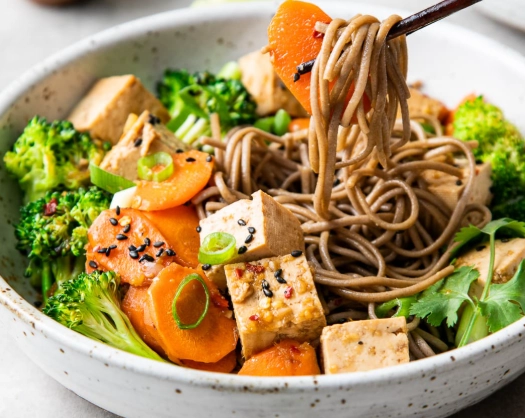
The Sauce Secret: Store-Bought vs. Homemade Tsuyu
The dipping sauce (tsuyu or men-tsuyu) is the flavor engine. It's a balance of dashi (Japanese soup stock), soy sauce, mirin (sweet rice wine), and a touch of sugar.
Store-Bought: This is your best friend for convenience and consistency. Brands like Mizkan or Yamaki are excellent. It comes concentrated. For cold soba, dilute it roughly 1:1 with water. For hot soba broth, dilute it more, about 1 part tsuyu to 3-4 parts hot water. Always taste and adjust. It's foolproof and 100% authentic for home cooking.
Homemade: This is where you can play. The core components are:
- Dashi: The soul. You can make instant dashi with hon-dashi granules, or make a batch from kombu (kelp) and bonito flakes for deeper umami.
- Soy Sauce: Use a good quality, all-purpose Japanese soy sauce like Kikkoman.
- Mirin: Real mirin, not "mirin-type" seasoning. It adds a crucial sweetness and gloss.
- Sugar: A small amount to round out the edges.
A simple ratio to start: 1 cup dashi, 1/4 cup soy sauce, 1/4 cup mirin, 1 tablespoon sugar. Simmer for 5 minutes to meld flavors and burn off the alcohol from the mirin. Let it cool. It will keep in the fridge for a week.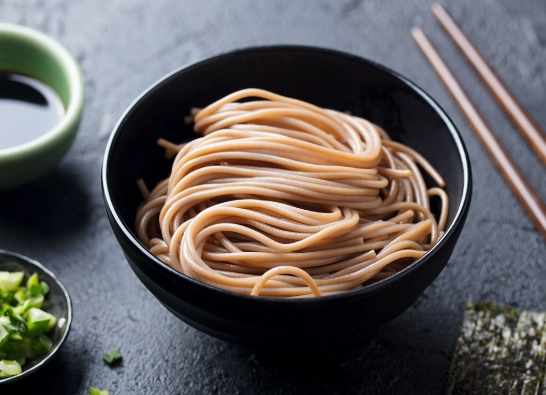
Expert Tip: If your homemade tsuyu tastes one-dimensional, you're likely missing layered umami. Try a two-stage dashi: steep kombu in cold water overnight, then heat it and add bonito flakes just before boiling. The difference is night and day.
Beyond the Basics: Creative Pairings & Common Pitfalls
Soba is incredibly versatile. Once you've mastered the classic presentations, try these:
- Soba Salad: Toss chilled soba with a sesame-soy vinaigrette, shredded chicken, cucumber, and carrot. Perfect for lunch.
- Stir-Fried Soba (Yaki Soba): Use pre-boiled, rinsed soba. Stir-fry with pork, cabbage, and bean sprouts in a savory-sweet sauce (often a thicker, Worcestershire-based sauce called yakisoba sauce). Note: Packaged "yakisoba noodles" are usually a different, oil-steamed wheat noodle, but dried soba works great for a nuttier twist.
- Western Pasta Substitute: Their firm texture holds up to pesto, olive oil, and garlic surprisingly well. Think of them as a heartier, more interesting alternative to whole-wheat pasta.
Three Common Pitfalls to Avoid:
- Skipping the Ice Bath: This leads to mushy, gummy noodles. Don't do it.
- Over-dipping: You'll overpower the delicate noodle flavor and get a sodium overload.
- Using the Wrong Sauce for the Job: Don't use the concentrated tsuyu straight as a soup. Always dilute it appropriately for hot dishes.
Your Soba Questions, Answered
Reader Comments