I still remember my first bite of grilled eel in a tiny Tokyo alley—crispy skin, tender flesh, and that sweet-savory glaze that made me wonder why I'd waited so long. Grilled eel, or unagi as it's known in Japan, isn't just food; it's an experience that blends tradition, technique, and taste. But here's the thing: most guides oversimplify it. After years of cooking and eating eel across Asia and Europe, I've seen too many home cooks end up with rubbery, bland results. This article cuts through the noise. You'll learn how to grill eel perfectly, discover top spots worldwide, and avoid the subtle mistakes even pros make.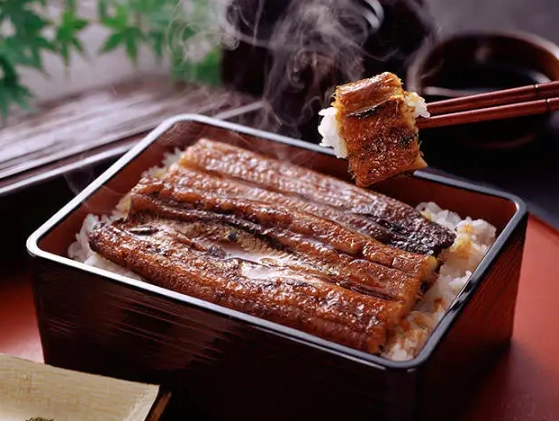
What You'll Find Inside
The Real Secrets to Grilling Eel at Home
Let's get practical. Grilling eel isn't hard, but it demands attention to details most recipes gloss over. Forget just slathering sauce—timing and prep make all the difference.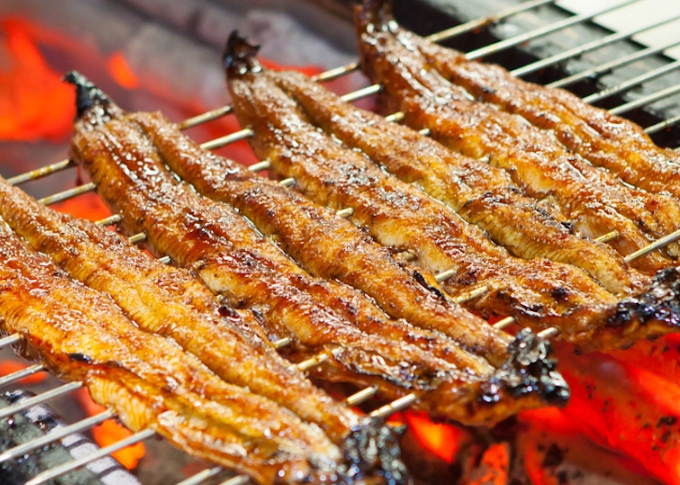
Choosing Your Eel: Fresh vs. Frozen
I always recommend fresh eel if you can find it. Look for live or freshly killed eel at Asian markets; it should have shiny skin and a firm texture. Frozen eel works too, but thaw it slowly in the fridge overnight. A common pitfall? Using frozen eel straight from the package—it'll steam instead of grill, turning mushy. According to the Japan Fisheries Agency, fresh eel retains more moisture and flavor, but frozen options have improved thanks to better processing techniques.
Step-by-Step Grilling Process
Here's my method, refined after a few disasters (like the time I set off the smoke alarm). First, pat the eel dry thoroughly—any moisture kills the crispiness. Score the skin lightly in a crosshatch pattern; this helps fat render and sauce penetrate. Grill over medium-high heat, skin-side down first, for 4-5 minutes until crispy. Flip, brush with a homemade tare sauce (mix soy sauce, mirin, sugar, and a dash of sake), and grill another 3 minutes. The key? Apply sauce late; if you do it too early, it burns and turns bitter. I learned this from a Kyoto chef who swore by this timing.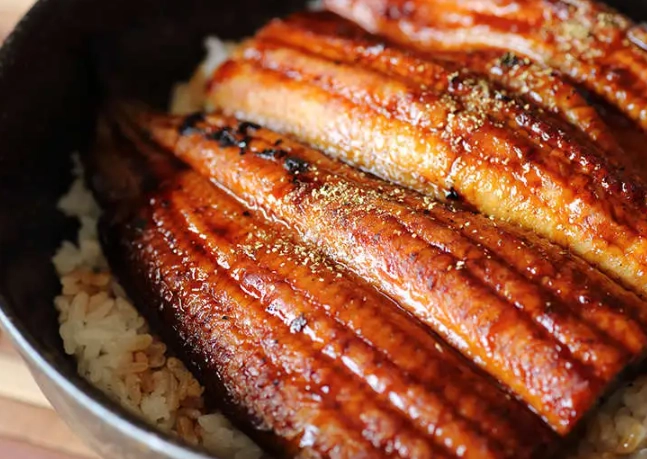
Pro Tip: Don't have a grill? Use a broiler. Place the eel on a rack over a baking sheet to mimic grill marks. It won't be identical, but it gets close.
Where to Eat the Best Grilled Eel Globally
Sometimes, you just want someone else to do the work. I've eaten grilled eel from New York to Osaka, and these spots stand out. Prices are approximate per serving.
| Restaurant | Address | Specialty Dish | Rating | Price Range | Hours |
|---|---|---|---|---|---|
| Nodaiwa (Tokyo) | 1-5-4 Higashiazabu, Minato, Tokyo | Unaju (grilled eel over rice) | 4.8/5 | $30-$50 | 11 AM - 9 PM |
| Unagi Pie (Kyoto) | Shimogyo Ward, Kyoto | Kabayaki-style eel | 4.6/5 | $25-$40 | 10 AM - 8 PM |
| Eel Kitchen (New York) | 123 Mulberry St, NYC | Spicy grilled eel bowl | 4.4/5 | $20-$35 | 12 PM - 10 PM |
| La Anguila (Madrid) | Calle de la Cruz, Madrid | Spanish-style anguila | 4.3/5 | $15-$30 | 1 PM - 11 PM |
Nodaiwa is legendary—their eel is buttery and smoky, but go early; lines get insane. Unagi Pie in Kyoto offers a more rustic vibe, with eel grilled over charcoal. In New York, Eel Kitchen adds a kick with chili glaze, though I found it slightly overpowering. Madrid's La Anguila serves a simpler, olive oil-based version that's lighter but delicious.
For sustainability, check if they source from farms like those certified by the Aquaculture Stewardship Council. Overfishing is a real issue; many top spots now prioritize farmed eel, which can be just as tasty if handled right.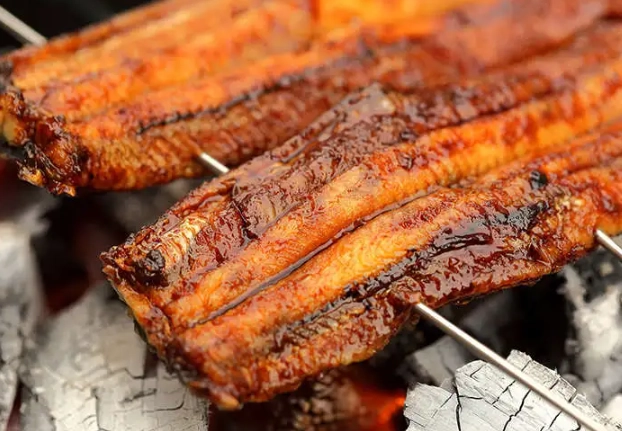
Why Grilled Eel Matters Beyond the Plate
Grilled eel isn't just a dish; it's woven into cultures. In Japan, eating unagi on the Day of the Ox in summer is believed to boost stamina—a tradition dating back centuries. European countries like Italy and Spain have their own versions, often grilled with herbs and lemon. This diversity shows how adaptable eel is, but also highlights regional quirks. For instance, Japanese unagi tends to be sweeter, while European styles are more savory.
I once visited a family-run eel farm in Shizuoka, Japan. They stressed that the best eel comes from clean, flowing water, not stagnant ponds. This affects flavor dramatically—eel from polluted waters can taste muddy. It's a nuance rarely discussed online, but it explains why some restaurant eel tastes off.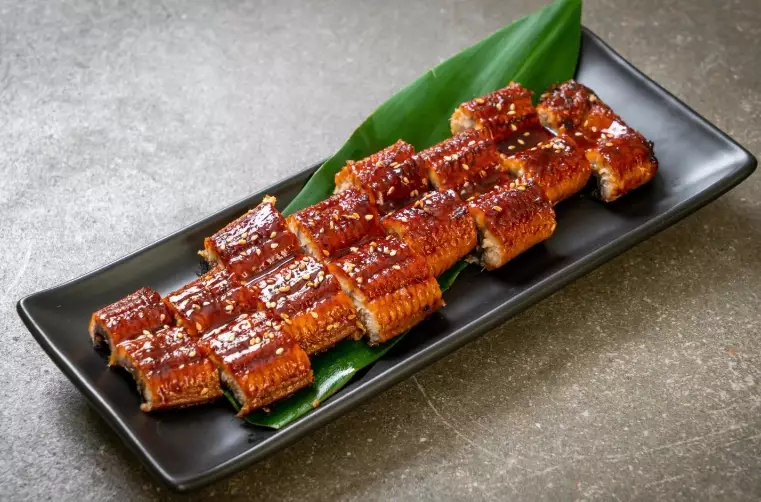
Avoid These Grilled Eel Blunders
Even experienced cooks mess up eel. Here are the top errors I've seen:
- Overcooking: Eel cooks fast. More than 8-10 minutes total, and it turns tough. Use a timer.
- Wrong heat: High heat sears the skin, but medium-high maintains tenderness. Too low, and it stews.
- Skipping the score: Without scoring, fat pools under the skin, making it greasy. A sharp knife makes a difference.
- Using low-quality sauce: Store-bought tare can be too salty. Make your own; it takes 5 minutes and elevates everything.
My own fail? I once tried grilling eel straight from the fridge—it cooked unevenly, with cold centers. Let it sit at room temperature for 15 minutes first. Small step, huge impact.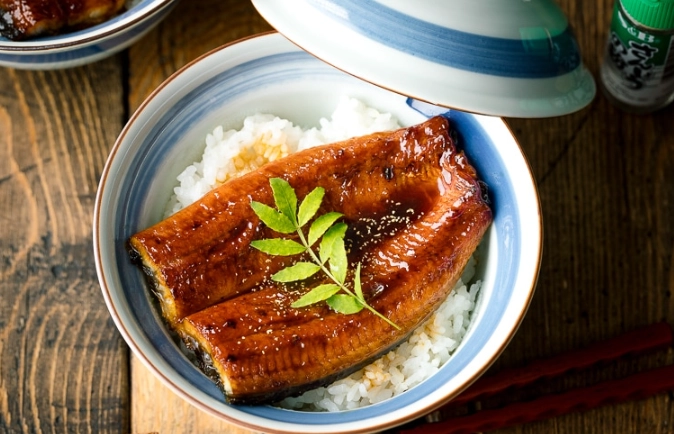
Your Grilled Eel Questions Answered
Grilled eel is more than a trend—it's a craft. Whether you're firing up the grill at home or hunting for the perfect restaurant bite, focus on quality ingredients and patience. Start with a simple recipe, maybe from a trusted source like the Michelin Guide's online cooking tips, and tweak it to your taste. Remember, the best eel leaves you craving another bite, not reaching for water. Go on, give it a try; your kitchen (or next meal out) will thank you.
Reader Comments