You smell it before you see it. That sweet, toasty aroma of batter hitting a hot griddle, mingling with the scent of caramelizing sugar and red beans. You follow the scent down a side street in Asakusa, and there it is: a vendor pouring golden batter into fish-shaped molds. That's your first taiyaki. Crisp on the outside, molten sweet bean paste on the inside, almost too hot to eat but impossible to wait for. It's not just a snack; it's a feeling. Warm, comforting, and unpretentiously delicious.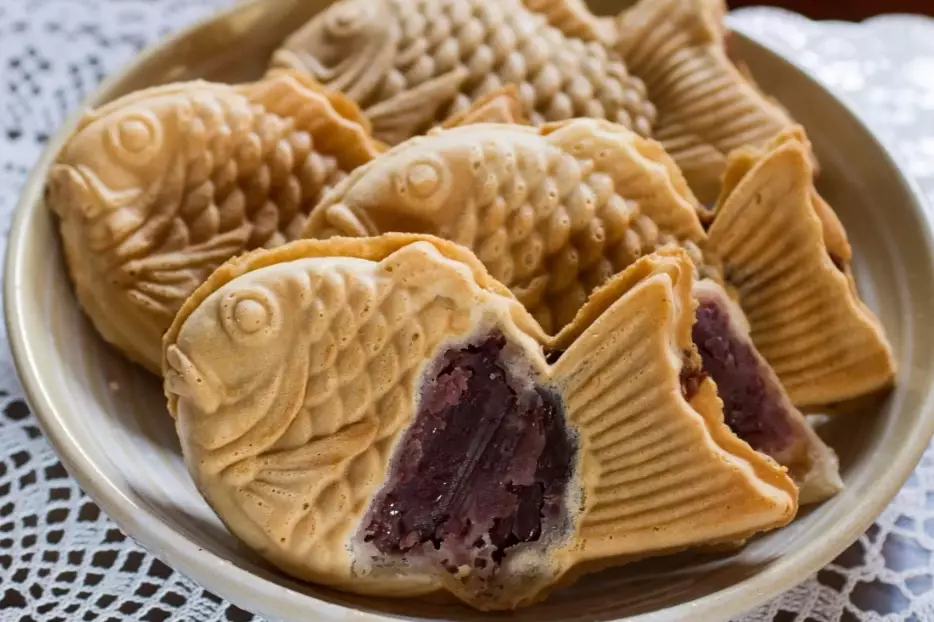
But there's more to this fish-shaped cake than meets the eye (or stomach). After years of chasing the perfect taiyaki across Japan and burning more than a few batches at home, I've learned its secrets—the good, the messy, and the utterly delightful.
Your Taiyaki Journey Starts Here
What is Taiyaki? A Bite of History
Taiyaki (鯛焼き) literally means "baked sea bream." The sea bream (tai) is a symbol of good luck and celebration in Japan. The story goes that around 1909, a clever confectioner at Naniwaya Sohonten in Tokyo's Azabu-Juban district looked at the popular round imagawayaki cakes and thought, "Why not make it a fish?" It was a marketing masterstroke. The lucky shape caught on instantly.
It was cheap, filling street food for the working class. The original filling was, and for purists still is, tsubuan—sweet red bean paste with the bean skins still intact, giving it texture. The genius is in the design. The fish shape isn't just cute. The thin, continuous crust around the edges ensures every bite has the perfect ratio of crispy shell to soft, sweet filling. No one end is all filling, no one end is all crust.
I made a mistake for years. I thought the fish shape was just a gimmick. Then I tried a round one from a lazy vendor. The texture was all wrong—doughy in the middle. The shape is functional. It's engineering.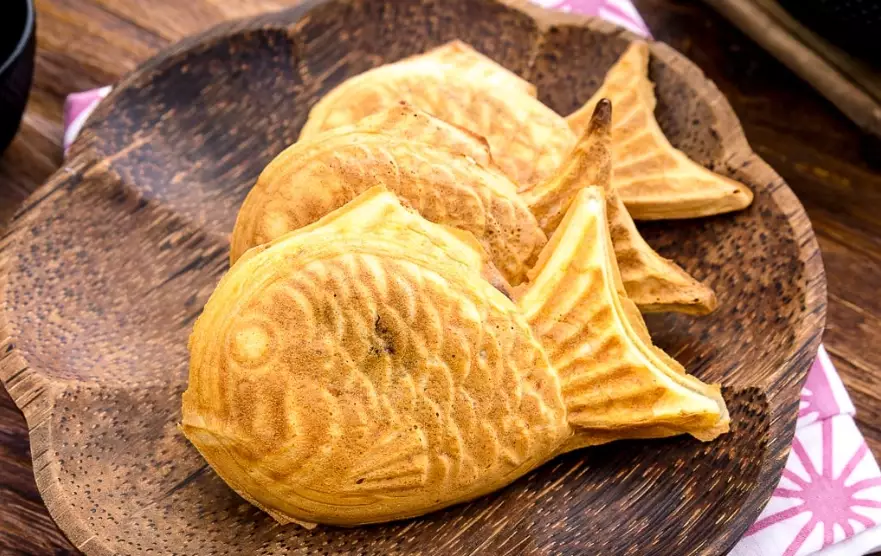
Anatomy of a Perfect Taiyaki
Let's break down what you're looking for, whether you're buying one or making it.
The Shell: This is non-negotiable. It must be crisp. Not hard, not cakey, but shatteringly crisp with a slight chew right next to the filling. The color is a deep, golden brown. A pale taiyaki is a sad taiyaki—it means the griddle wasn't hot enough. The shell should have a faintly sweet, vanilla-like flavor from the batter.
The Filling: The classic is anko (red bean paste). It should be generous but not explosive. A common beginner error is overfilling, which causes leaks and makes the shell soggy. The filling should be warm, almost fluid, and not too sweet. It should balance the plain batter. Modern shops have gone wild. You'll find custard (my personal favorite for its creamy contrast), chocolate, sweet potato, matcha, even cheese and sausage.
The Temperature: It must be served hot. The risk of a burnt tongue is part of the experience. A lukewarm taiyaki loses its magic; the shell turns tough and the filling becomes pasty.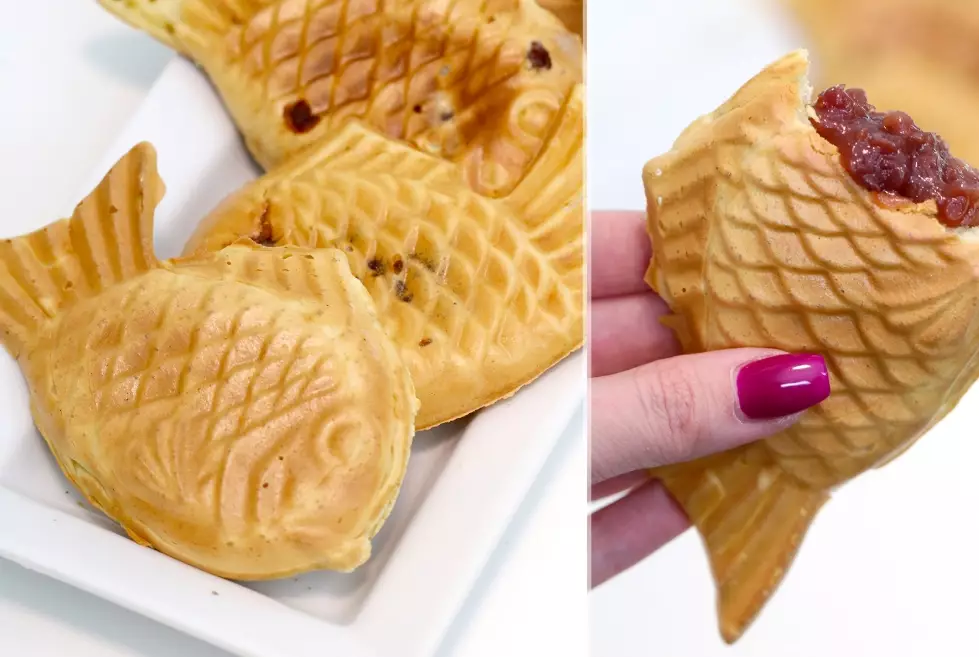
A Quick Note on Texture vs. Taste
Most people focus on the filling flavor. The real mark of quality is the shell's texture. A great shop masters the batter consistency and griddle temperature. A mediocre shop just buys decent bean paste. Judge with your ears first—a good crisp should have a slight audible crack when you break it.
Where to Find the Best Taiyaki in Tokyo
Tokyo is taiyaki heaven, but not all fish are created equal. Here are spots worth the trip, based on countless (delicious) research trips.
| Shop Name & Area | Address / Nearest Station | What Makes It Special | Price Range (per piece) |
|---|---|---|---|
| Naniwaya Sohonten (The Original) Azabu-Juban |
1-8-14 Azabujuban, Minato-ku. Near Azabu-Juban Station. | The birthplace. They use a rare, single-mold technique (kaiten-yaki) for an extra-thin, uniformly crisp shell. Only red bean filling. Historic and iconic. | ¥180 - ¥200 |
| Taiyaki Wakaba Shibuya |
1-12-5 Jinnan, Shibuya-ku. A short walk from Shibuya Station. | My top pick for classic texture. The shell is perfectly balanced—crisp yet light. Their red bean is subtly sweet and perfectly smooth (koshian). Always a line, always worth it. | ¥180 |
| Ginza Akebono Ginza |
5-7-19 Ginza, Chuo-ku. Near Ginza Station. | A high-end wagashi (Japanese confectionery) shop. Their taiyaki is refined, slightly smaller, with an incredibly delicate, flaky shell. Seasonal fillings like sweet white bean (shiroan) in spring. | ¥220 - ¥250 |
| Naniwaya Sohonten (Asakusa Branch) Asakusa |
1-22-8 Asakusa, Taito-ku. On Nakamise-dori leading to Senso-ji Temple. | Perfect for tourists. Same great original recipe as the main shop, but in the heart of Tokyo's classic sightseeing area. Be prepared for a long queue on weekends. | ¥180 - ¥200 |
| Modern Takes: Taiyaki Dorayaki Cafe Multiple locations |
Check their website for locations in Shinjuku, Ikebukuro, etc. | For the adventurous. They stuff taiyaki with everything from rich custard and whipped cream to pizza toppings. It's less about tradition, more about fun. The "Matcha & Red Bean" is a crowd-pleaser. | ¥200 - ¥350 |
A pro tip? Go on a weekday afternoon. The lines are shorter, and the griddle master has a steady rhythm, which often means more consistent results. I've found late-morning batches, when the pan is perfectly seasoned and hot, are usually the best.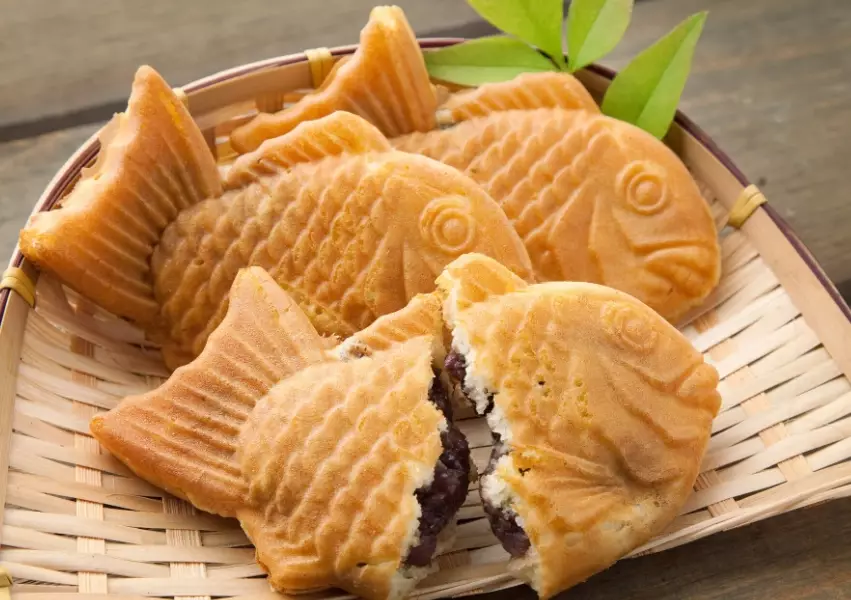
How to Make Taiyaki at Home (The Right Way)
You don't need to fly to Tokyo. Making taiyaki at home is a messy, rewarding project. The biggest hurdle is the pan. You have two options: a traditional stovetop cast-iron mold or an electric non-stick taiyaki maker. I've used both for years.
The Cast-Iron Route: This is for purists and masochists (I say with love). You need a well-seasoned pan. The learning curve is steep. Heat control is everything—too hot, the outside burns before the inside cooks; too low, you get a pale, doughy mess. You must flip the heavy pan perfectly. My first ten attempts were disasters. But when you get it right? The flavor and texture are unbeatable. It has a soul that electric makers can't replicate.
The Electric Maker Route: This is the smart choice for 99% of people. Brands like Zojirushi or Vitantonio make excellent ones. They control the temperature for you, have non-stick coating, and often come with plates for other shapes. The texture is slightly different—more uniformly cake-like than shatteringly crisp—but it's consistently good and stress-free.
The Can't-Mess-It-Up Batter Recipe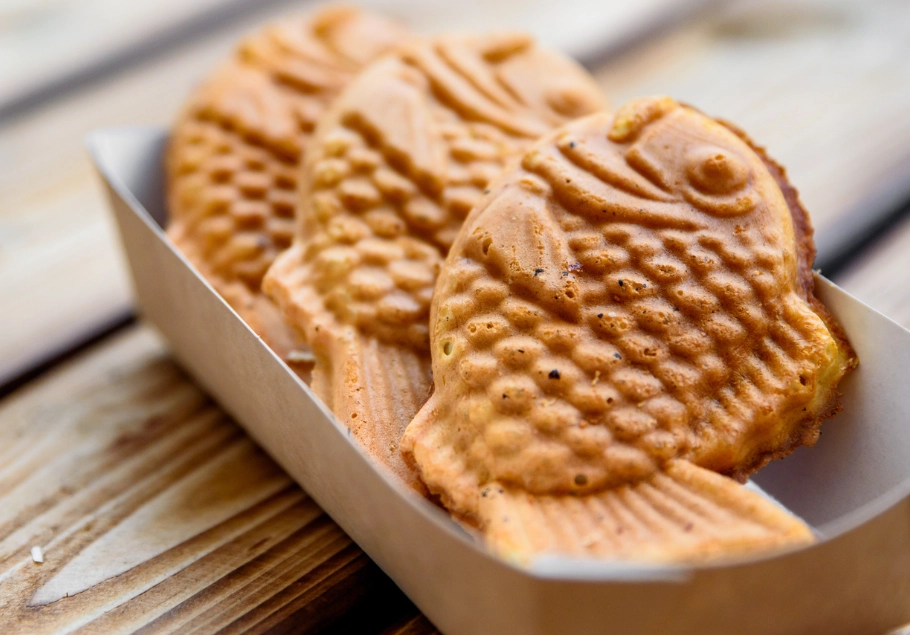
This is my adjusted recipe after many failed, gummy batches. The key is resting the batter.
- 150g all-purpose flour
- 1 tsp baking powder
- 1 large egg
- 40g granulated sugar
- 200ml milk (or water for a crisper, more traditional result)
- A tiny pinch of salt
Whisk the dry stuff. Whisk the egg, sugar, and milk separately. Combine them and whisk just until smooth. Lumps are okay. Let it rest for 30 minutes in the fridge. This relaxes the gluten and makes for a tender shell. This rest period is the single tip most online recipes skip, and it makes all the difference.
Heat your pan, brush with oil. Pour batter to cover about 70% of the fish cavity. Add a dollop of filling (store-bought anko is fine!). Cover with more batter to seal. Close the lid/mold. Cook for 3-4 minutes per side on cast iron, or as per your electric maker's instructions, until deep golden brown.
Let it cool on a rack for a minute. That steam needs to escape, or the shell gets soggy. Eating it straight off the griddle is a common mistake.
Taiyaki FAQs Answered by a Fan
So there you have it. Taiyaki is more than a fish-shaped cake. It's a piece of edible culture, a test of a cook's skill, and one of the simplest, most satisfying pleasures you can find on a street corner or create in your own kitchen. Don't just eat one—understand it. Then go eat another one. I know I will.
Reader Comments