Quick Guide
You know, it's one of those fish names you see on a fancy sushi menu or hear foodies rave about, but it can leave you scratching your head. What kind of fish is buri, really? Is it the same as yellowtail? And why does it sometimes get called hamachi? If you've ever found yourself asking these questions, you're in the right place. I used to be just as confused until I dug deep into it—partly out of curiosity, and partly because I kept ordering it without truly knowing what was on my plate. Let's clear up the mystery together.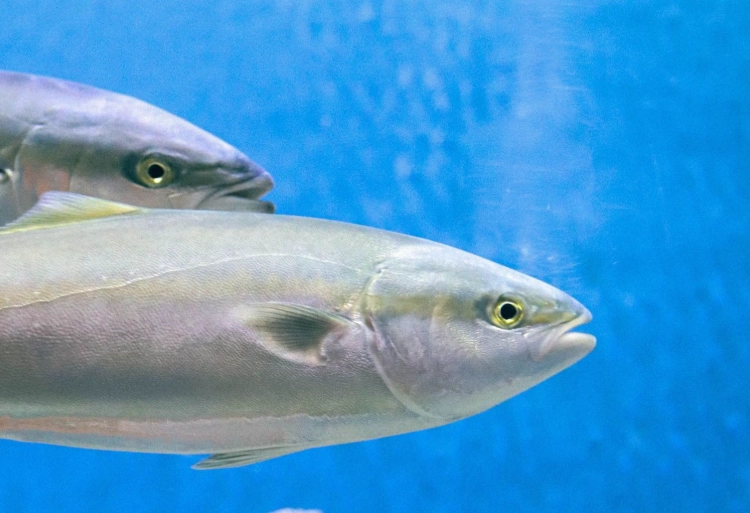
At its core, buri is the Japanese name for the adult Japanese amberjack or yellowtail, a fish scientifically known as Seriola quinqueradiata. It's a sleek, powerful predator found in the waters around Japan and other parts of the Northwest Pacific. But calling it just "amberjack" is like calling a fine wine just "grape juice"—it misses the whole cultural and culinary story. This fish is a heavyweight in Japanese cuisine, celebrated for its rich, fatty flesh and versatile nature. But here's the twist that trips everyone up: the name changes as the fish grows up. It's a tradition that's as confusing as it is fascinating.
So, What Exactly Is Buri? Let's Break It Down
Alright, let's get into the specifics. When you're trying to figure out what kind of fish is buri, you need to look at it from a few angles: biology, culture, and the plate in front of you.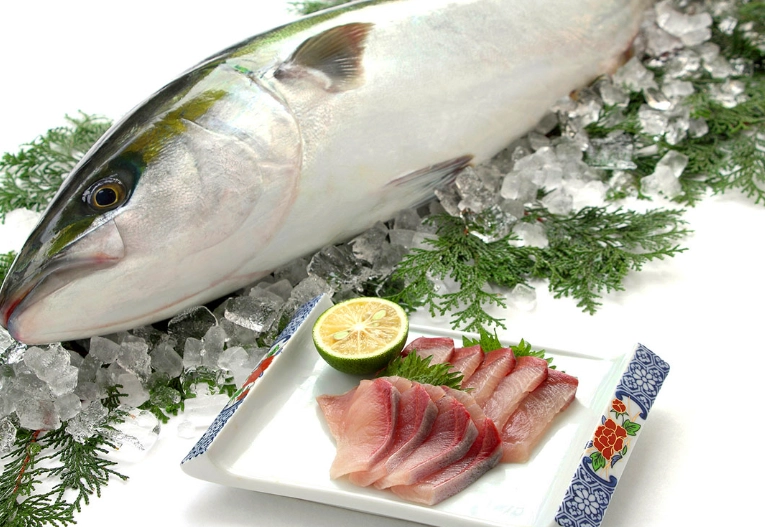
Biologically, it's a member of the Carangidae family, which includes jacks and pompanos. It's a fast-swimming, migratory fish that can grow quite large—think over a meter long and weighing more than 20 pounds for a fully grown adult. They've got a distinctive yellow stripe running from the eye to the tail, which is where the "yellowtail" name comes from. The Japanese government's Fisheries Agency provides detailed data on its catch and aquaculture, showing just how important it is to the country's food culture.
Culturally, this is where things get interesting. In Japan, the same fish is called different names at different stages of its life. This system, called shusse-uo (literally "promoting fish"), is rooted in old traditions. It's like the fish gets a promotion every time it grows bigger. A young, small fish isn't called buri. It has to earn that title. This is probably the single biggest point of confusion for anyone outside Japan wondering, "What kind of fish is buri?" You might be eating the same species but calling it something completely different depending on its size and where you are.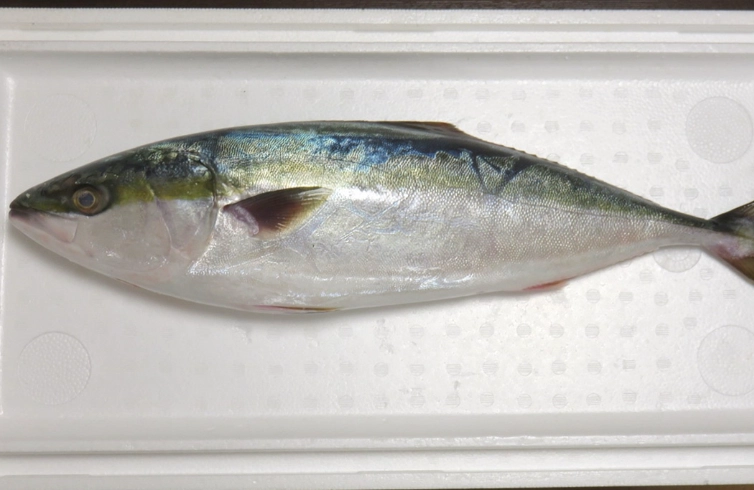
The Name Game: Buri, Hamachi, Inada, and More
This naming convention isn't just a quirky fact; it's crucial for understanding menus and fish markets. The names can even vary by region in Japan, but here's the general rundown you'll most commonly encounter:
| Japanese Name | Approximate Size / Stage | Primary Use & Notes |
|---|---|---|
| Wakashi / Mojako | Very small fry (under 15 cm) | Sometimes used whole for frying or as bait. |
| Inada | Small, young fish (15-40 cm) | Common in areas like the Kanto region. Meat is lighter and leaner. |
| Warasa | Medium-sized, growing fish (40-60 cm) | A transitional name used in some regions. |
| Hamachi | Medium-sized, young fish (up to ~60-70 cm) | **This is the critical one.** In modern contexts, especially in sushi restaurants worldwide, "hamachi" almost always refers to farmed yellowtail, served at a younger age. The flesh is tender, mild, and consistently fatty due to controlled farming. |
| Buri | Large, mature adult (over ~70-80 cm) | The fully grown, wild-caught fish. Flavor is more robust, complex, and seasonally fatty (peak in winter). This is the final, "promoted" name. |
See what I mean? It's a whole lifecycle with name tags. So when someone asks what kind of fish is buri, you can now say it's the final, adult form. In much of the world, especially in sushi bars outside Japan, the term "hamachi" has become a catch-all for farmed yellowtail served as sashimi or sushi, regardless of whether it's technically reached the buri stage. It's simpler for business, but it muddies the waters for anyone trying to learn.
Why Is Buri So Special in Japanese Cuisine?
It's not just another fish. It holds a place of honor, particularly in the winter. There's a famous saying: "Buri wa kan no uchi" meaning "Buri is at its best in the cold season." As the water temperature drops, the fish builds up incredible reserves of fat to survive, resulting in an unbelievably rich, buttery, and flavorful flesh. This winter buri, called kan-buri, is the ultimate prize. The fat content can be so high it almost melts on your tongue.
The taste is hard to describe if you haven't tried it. It's meaty and substantial, not flaky like a whitefish. It has a distinct, clean richness that's less "fishy" than salmon but more pronounced than leaner white fish. The high fat content (those healthy omega-3s) gives it a luxurious mouthfeel. You can find it prepared in countless ways:
- Sashimi and Sushi (Nigiri): This is the most famous preparation. Sliced raw, its flavor and texture shine. For kan-buri, the belly cut (toro of buri) is especially decadent.
- Teriyaki / Teriyaki Buri: The sweet-salty glaze complements the oily fish perfectly. It's a classic home-cooked meal.
- Shioyaki (Salt-Grilled): Simply salted and grilled whole or as a fillet. The crisp skin and juicy interior are sublime. This is my personal favorite way to eat it at an izakaya.
- Buri Daikon: A hearty winter stew where the fish is simmered with daikon radish in a soy-based broth. The daikon soaks up all the delicious flavors from the fish.
- Buri Sushi (Pressed Sushi): In regions like Toyama, it's cured and served as a type of pressed sushi (oshizushi).
It's also a staple for osechi ryori, the traditional Japanese New Year's food. Eating buri is considered auspicious, symbolizing success and promotion (again, that shusse idea).
Buri vs. Hamachi: The Eternal Question
This is probably the biggest source of confusion, so let's tackle it head-on. Are buri and hamachi the same fish? Yes and no. Biologically, they are the same species (Seriola quinqueradiata). But in practical, culinary terms, they often represent different products.
- Hamachi (in modern global usage): Almost synonymous with farmed Japanese yellowtail. It's harvested at a younger age (the "hamachi" life stage) for consistent size, tenderness, and year-round availability. The flavor is milder, cleaner, and reliably fatty due to controlled feed. This is what you'll find in 95% of sushi restaurants outside Japan. It's delicious in its own right—a fantastic, accessible introduction to the fish.
- Buri (in traditional/seasonal usage): Typically refers to the larger, wild-caught adult. Its flavor is more complex, can be more robust (some might say "fishier," but in a good way), and its fat content varies dramatically with the seasons. It's a seasonal delicacy, with winter being king.
Think of it like this: hamachi is the reliable, always-great crowd-pleaser. Buri, especially kan-buri, is the seasonal, connoisseur's trophy with more variable and intense character. Some purists will swear wild buri is infinitely superior. I enjoy both, but for different reasons. The farmed hamachi is my go-to for a reliable sushi night. The wild winter buri is a special occasion treat I actively seek out in December and January.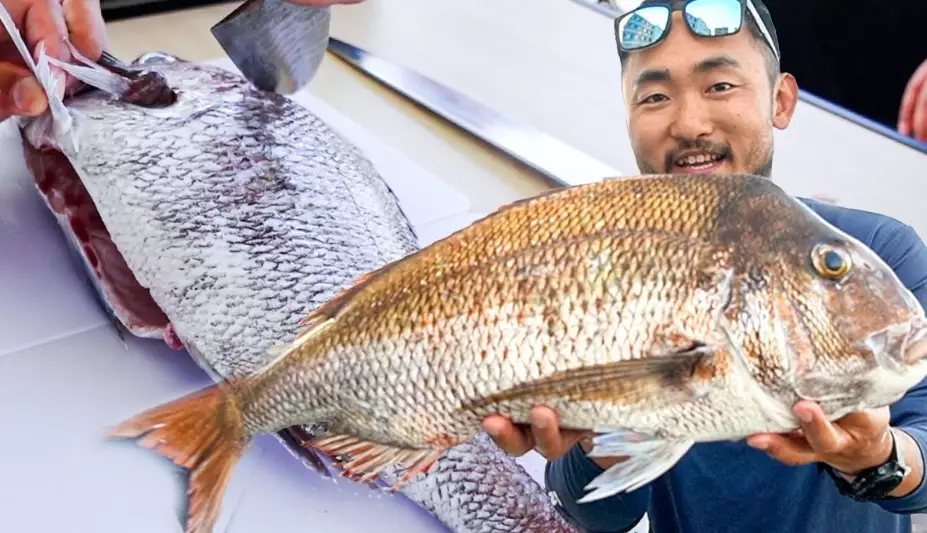
What About Other "Yellowtails"?
To make things even more fun, the term "yellowtail" in English can refer to other species too. In the US, "Yellowtail" or "Yellowtail Amberjack" often refers to Seriola lalandi (California yellowtail, Hiramasa in Japanese). Hiramasa is also farmed (notably in Australia) and is a fantastic fish—firmer, milder, and often considered a premium product. Then there's Kampachi (Seriola rivoliana), another relative. They're all in the same family and share similar qualities, but true Japanese buri/hamachi (S. quinqueradiata) has a specific taste profile and cultural history that sets it apart. The FishBase entry for Seriola quinqueradiata is a great resource for the scientific taxonomy.
Nutrition and Health: Is Buri Good for You?
Absolutely. All that delicious fat is the good kind. It's a nutritional powerhouse, which is another reason for its popularity.
- Omega-3 Fatty Acids (EPA & DHA): Off the charts. These are crucial for heart health, reducing inflammation, and supporting brain function. The winter buri has the highest levels.
- High-Quality Protein: A great source of complete protein for muscle maintenance and repair.
- Vitamin D: Essential for bone health and immune function, which many people are deficient in.
- Vitamin B12: Critical for nerve function and energy production.
- Selenium: An important antioxidant.
You're basically eating a superfood that tastes like luxury. The trade-off is that it's also higher in calories than lean fish like cod or flounder, but those calories come packed with nutrients. It's a far healthier choice than a fatty cut of red meat.
Buying and Cooking Buri/Hamachi: A Practical Guide
So you want to try cooking it yourself? Here's what you need to know.
Finding It: Outside of Japan, your best bet is a Japanese or Korean grocery store with a good fish counter. You'll most likely find farmed hamachi (labeled as yellowtail or hamachi) as fillets or steaks. Frozen sashimi-grade blocks are also available for home sushi enthusiasts. True wild buri is a rare find outside Japan and will be expensive and seasonal.
What to Look For: The flesh should be a translucent pinkish-beige, firm to the touch, with no gaping or discoloration. A shiny, moist appearance is good. It should smell clean and oceanic, not pungent or ammonia-like.
Simple Cooking Methods: Because of its high fat content, it's hard to ruin. It stands up well to grilling, broiling, and pan-searing.
- Pan-Seared Hamachi Steak: Pat dry, season with salt and pepper. Sear in a hot pan with a little oil for 2-3 minutes per side until just cooked through. The skin gets beautifully crispy.
- Miso-Marinated: Marinate fillets in a mix of white miso, mirin, and a little sugar for 1-2 days. Wipe off the excess and broil until caramelized. This is a restaurant classic for a reason.
- Sashimi at Home: Only if you have a trusted source for sashimi-grade fish. Slice against the grain into thin pieces. Serve with soy sauce, wasabi, and maybe a little grated ginger or yuzu.
My first time trying to grill it at home, I overcooked it slightly. It was still tasty because the fat kept it moist, but it lost that perfect silky texture. Lesson learned: it cooks fast. Better to err on the side of slightly underdone, as it will carry over cook.
Common Questions About Buri (FAQ)
Is buri safe to eat raw?
Yes, when handled and prepared correctly. Sashimi-grade buri/hamachi intended for raw consumption is flash-frozen to a temperature that kills parasites (as per FDA guidelines), making it safe. Always buy from a reputable source that guarantees the fish is for raw eating.
What does buri taste like?
Rich, buttery, meaty, and clean. It has a distinct umami flavor. Farmed hamachi is milder and more consistent; wild buri has a more complex, sometimes stronger flavor, especially in winter when it's at its fattiest.
Why is it so expensive?
Wild buri is seasonal and a prized catch. Farmed hamachi requires significant resources (space, clean water, specialized feed) over a long grow-out period. The high demand, especially for top-quality sashimi, drives the price. The winter catch commands a premium.
Can you eat the skin?
Absolutely! When grilled or pan-seared, the skin becomes deliciously crispy and is considered a delicacy. For sashimi, the skin is usually removed.
Is buri sustainable?
This is a complex one. Wild populations face pressure from fishing. According to resources like the Monterey Bay Aquarium Seafood Watch, some wild-caught Japanese amberjack comes from populations of concern. Farmed hamachi (from Japan) generally has a better rating, but it's important to check the specific source and farming practices. Closed-containment systems are considered more sustainable. It's a point to be mindful of as a consumer.
What's the difference between buri and salmon for sashimi?
Both are fatty, but the flavor profiles are different. Salmon is more overtly "fatty" and has a softer, more melting texture. Buri/hamachi is firmer, meatier, and has a cleaner, less oily aftertaste. It's a matter of personal preference, but they are distinct.
Final Thoughts
So, what kind of fish is buri? It's more than just an entry on a menu. It's a culturally rich, biologically fascinating, and supremely delicious fish that represents the pinnacle of winter dining in Japan. From its confusing naming traditions to its incredible versatility in the kitchen, it's a subject worthy of its fame.
The next time you see "hamachi" on a sushi menu, you'll know you're eating the farmed, younger version of the fish. And if you're ever in Japan in the winter and see "kan-buri" on a special board, don't hesitate. Order it. That experience—the rich, complex flavor of a wild fish at its peak—is the ultimate answer to the question, what kind of fish is buri. It's a culinary experience you won't forget.
It went from being a confusing menu item to one of my favorite fish to seek out and enjoy. I hope this guide helps you appreciate it a bit more too, whether you're ordering it out or trying your hand at cooking it. Just remember, if the recipe calls for yellowtail and you can't find it, a good substitute is a fatty cut of tuna or even salmon, but honestly, nothing quite replicates its unique character.
Reader Comments