I ruined my first katsudon. The pork cutlet was leathery, the eggs were rubbery, and the whole thing slumped into a sad, soggy mess on the rice. It tasted nothing like the steamy, savory, deeply comforting bowl I'd had at a tiny restaurant in Kyoto. That failure, though, sent me on a mission. I talked to chefs, read old Japanese cookbooks, and made a lot of mediocre (and a few terrible) katsudon. Now, I want to save you the trouble. This isn't just a list of ingredients and steps. It's the collected wisdom of what actually works in a home kitchen to produce a katsudon that would make a salaryman in Tokyo nod in approval.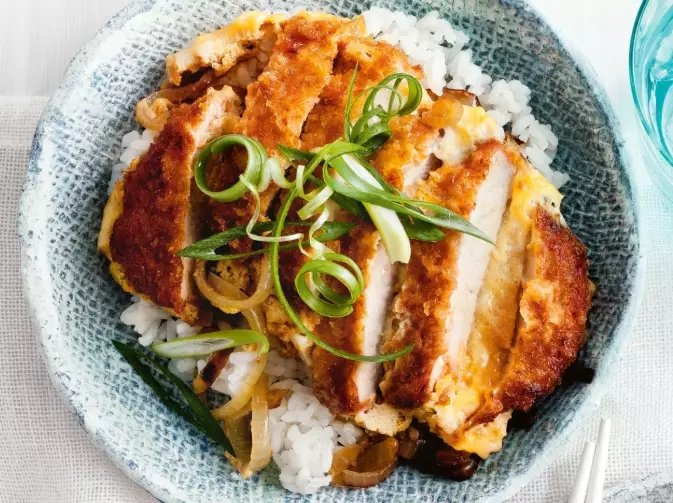
Katsudon is more than food. It's a feeling. The crunch of the panko giving way to juicy pork, all wrapped in a softly set, sweet-savory egg blanket, sitting on a pillow of steaming rice. It's the ultimate Japanese comfort food for a reason.
What You'll Learn in This Guide
The Non-Negotiable Ingredients (and Smart Swaps)
You can't build a great dish with mediocre parts. Let's break down what you need and why.
The Pork: Use boneless pork loin chops, about 1-inch thick. Don't get the super-lean center cuts. You want a little marbling for flavor and moisture. If you only have thinner cuts, that's okay, but reduce the cooking time or they'll dry out. Some prefer pork shoulder (buta bara) for more fat, but loin is the classic choice.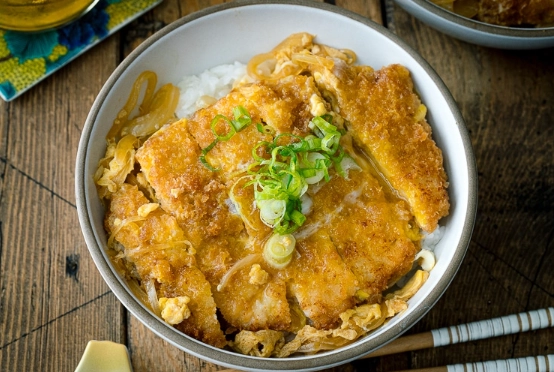
The Breading Trio (The Holy Trinity of Crunch):
1. Flour: All-purpose is fine. Its job is to dry the meat's surface so the egg sticks.
2. Egg: Beaten well. It's the glue.
3. Panko: This is non-negotiable. Japanese panko breadcrumbs are coarser, flakier, and airier than Western breadcrumbs. They create that signature shatteringly crisp, light crust that doesn't get heavy. I like Kikkoman Panko or any Japanese brand you find at an Asian market.
The Sauce & Egg Mixture:
- Dashi: This is the soul. Using powdered dashi (like Hondashi) dissolved in hot water is perfectly acceptable and what most home cooks in Japan use. If you have time, make awase dashi from kombu and katsuobushi. The depth is incredible.
- Soy Sauce: Use a regular Japanese soy sauce (koikuchi shoyu), not dark or light soy sauce.
- Mirin: Real mirin, not "mirin-style seasoning." It adds a complex sweetness and shine.
- Sugar: Just a bit to balance.
- Onion: Thinly sliced. It softens and sweetens in the broth.
- Eggs: Large eggs, lightly beaten. Don't overbeat them into a uniform foam; you want to see some distinction between white and yolk for texture.
How to Fry the Perfect Tonkatsu (Pork Cutlet)
This is the make-or-break step. A soggy or greasy tonkatsu ruins everything.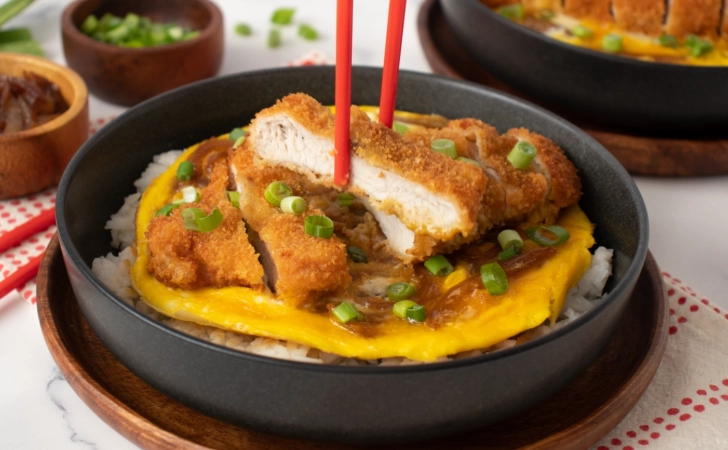
1. Preparing the Pork
Place your chops between two sheets of plastic wrap. Use a meat mallet, rolling pin, or even the bottom of a heavy pan to pound them to an even ¾-inch thickness. This ensures even cooking and tenderizes the meat. Don't pulverize it into mush. Season both sides generously with salt and pepper.
2. The Breading Station
Set up three wide, shallow dishes in this order: flour, beaten eggs, panko. Keep one hand dry (for the flour and panko) and one wet (for the egg) to avoid creating a gluey mess on your fingers. Dredge a chop in flour, shake off the excess. Dip it completely in the egg, let the excess drip off. Press it firmly into the panko, ensuring a thick, even, clumpy coating. Press the panko on. Place it on a wire rack. Repeat. Let them rest for 5-10 minutes before frying. This helps the coating set and adhere.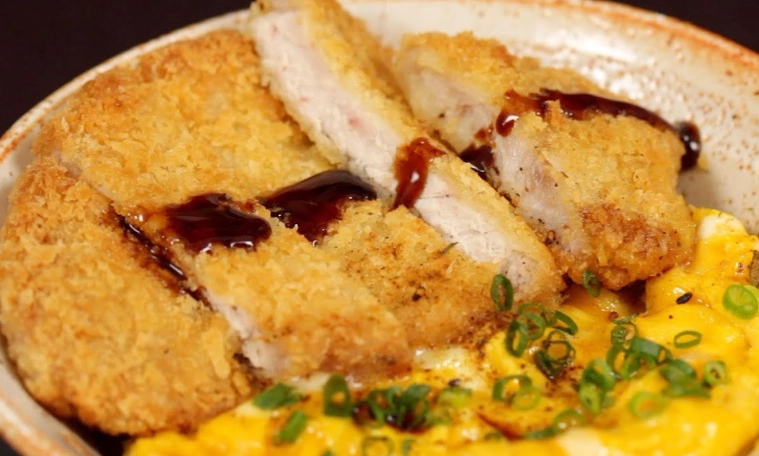
3. Frying for Perfection
Use a neutral oil with a high smoke point like canola, peanut, or vegetable oil. Fill a heavy-bottomed pot (Dutch oven is perfect) so it's deep enough to submerge the cutlet halfway. Heat the oil to 340°F (170°C). Use a thermometer. Guessing leads to greasy food.
Gently lower a chop into the oil. Fry for about 5-6 minutes, turning occasionally, until golden brown and the internal temperature hits 145°F (63°C). Don't crowd the pot. Fry in batches. The second batch might fry faster as the oil is hotter, so keep an eye on it.
Let it rest on the rack for a minute, then slice it into 1-inch wide strips against the grain. This makes it easier to eat in the bowl.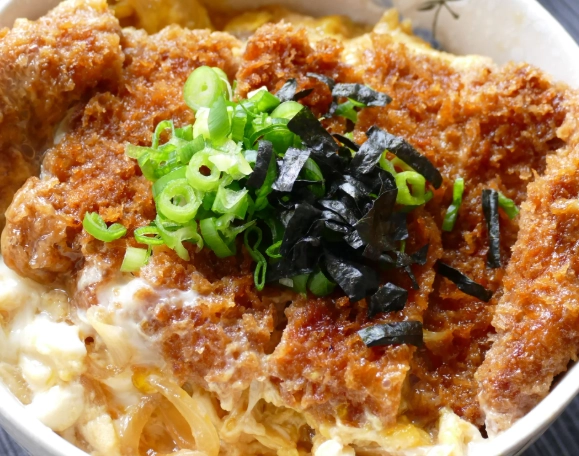
Building the Signature Sauce & Cooking the Eggs
While the tonkatsu rests, get your sauce going. This part is fast.
For one serving, combine in a small bowl or measuring cup: ½ cup dashi, 1 tablespoon soy sauce, 1 tablespoon mirin, and 1 teaspoon sugar. Stir until the sugar dissolves. Taste it. It should be savory, a touch sweet, and utterly drinkable. Adjust to your preference.
Take a small skillet (a 7 or 8-inch non-stick is ideal) that has a lid. Add about ¼ of a small onion, thinly sliced. Pour in the sauce mixture for one serving. Bring it to a simmer over medium heat and let the onions soften for 2-3 minutes.
Here's the critical moment. Lightly beat 2 large eggs in a bowl. You're not making an omelet, so just break them up. Slide your sliced tonkatsu pieces on top of the simmering onions in the skillet. Immediately pour about two-thirds of the beaten eggs evenly over everything. Cover the skillet with the lid.
Let it cook for about 1 minute, just until the eggs are 80% set—still slightly runny and glossy on top. Remove the lid and drizzle the remaining egg over the top, focusing on the pork. Cover again for just 30 seconds. This two-stage egg addition gives you layers of texture: set custardy egg below and soft, almost runny egg on top.
The Final Assembly: Bringing It All Together
Have a bowl of hot, freshly cooked short-grain Japanese rice ready. The rice is the foundation; make it good.
As soon as the egg is done to your liking, tilt the skillet and slide the entire contents—onions, pork, egg, and all the sauce—directly over the rice. The hot sauce will seep into the rice. The residual heat from the freshly fried tonkatsu will continue to cook the eggs slightly in the bowl.
Garnish with a sprinkle of thinly sliced scallions (negi) or a few snaps of mitsuba (Japanese wild parsley) if you have it. That's it. Serve immediately with chopsticks and a spoon. The first bite, where you get a bit of crispy pork, custardy egg, savory rice, and sweet onion all together, is the whole point.
Your Katsudon Questions, Answered
The beauty of katsudon is in its simplicity and its specific technique. It's a dish that rewards attention to detail. Get your oil hot, let your pork rest on a rack, and have everything prepped and ready to go before you start frying. That chaotic, last-minute scramble is part of the fun. Once you nail it, you have a deeply satisfying, restaurant-quality meal that comes together in under 30 minutes. It's the kind of dish that makes you wonder why you ever order takeout.
Reader Comments