You've probably had it as a starter at your favorite sushi spot—a warm, savory, slightly cloudy broth with little cubes of tofu and flecks of green onion. It's comforting, it's familiar. But if you've ever tried to recreate that perfect bowl at home and ended up with something that tastes flat, or just weirdly salty, you're not alone. The real question isn't just "what is miso soup made of?" but "what are the right things, and how do they work together?" Let's clear the fog.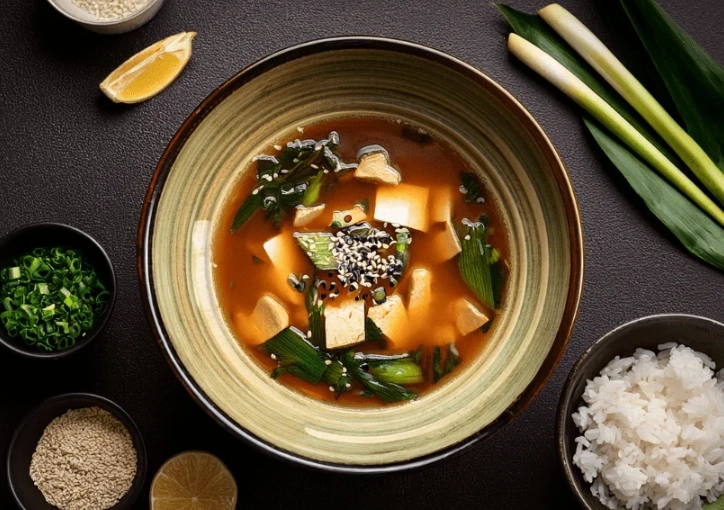
At its absolute core, traditional Japanese miso soup is built on two non-negotiable pillars: dashi (the soup stock) and miso (the fermented soybean paste). Everything else—tofu, seaweed, vegetables—is a welcome addition, but these two are the soul of the dish. Get them wrong, and the soup suffers. Most recipes online gloss over the dashi part, which is the biggest mistake home cooks make. They think the flavor comes mostly from the miso. It doesn't. The magic is in the synergy.
What You'll Find in This Guide
The Two Pillars: Dashi and Miso Explained
Think of building miso soup like building a house. Dashi is the foundation and framework—it provides the structural depth, the umami, the body. Miso is the interior finish and paint—it adds the dominant flavor, color, and personality. You wouldn't paint a house that has no walls, right? Same principle.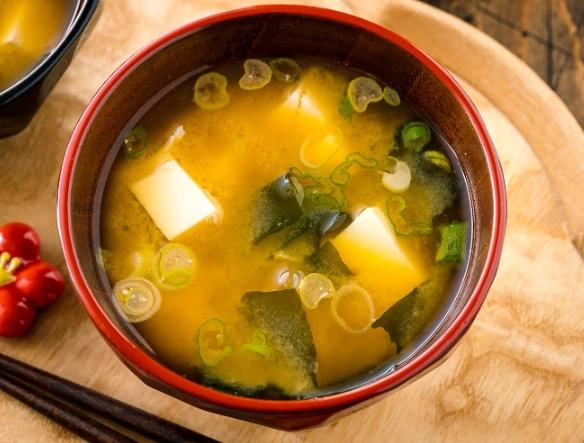
I learned this the hard way. My first attempts involved dissolving miso paste in plain hot water. The result was a one-dimensional, overly salty slurry that bore no resemblance to the complex, soothing soup I loved. It was missing the kokumi—the rich, savory mouthfeel that dashi provides. The Japan Ministry of Agriculture, Forestry and Fisheries even highlights dashi as the fundamental seasoning of Japanese cuisine, the backbone upon which other flavors are layered.
Dashi Deconstructed: The Foundation You Can't Skip
So, what is dashi made of? Traditionally, it's a simple infusion. You don't boil it for hours like Western stocks. You steep ingredients in hot water, just below a boil, to gently extract their flavors.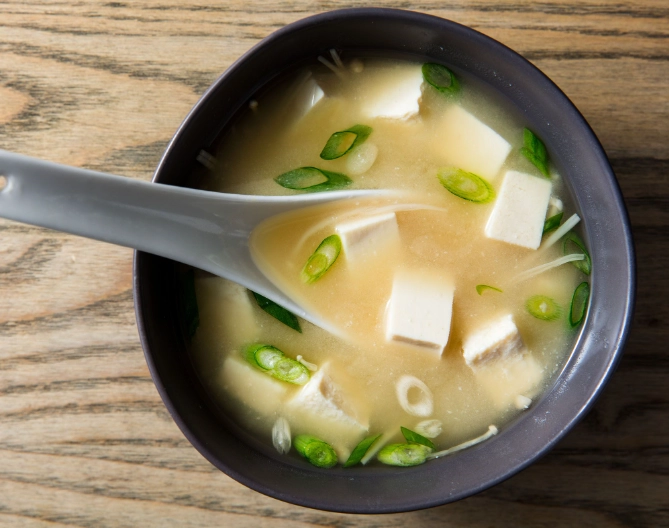
The Classic Kombu & Katsuobushi Dashi: This is the gold standard, used in most restaurants and homes. It's vegan until the fish flakes are added, offering a two-stage umami bomb.
Kombu (Dried Kelp)
This is your source of glutamic acid, the compound that creates umami. You're not looking to cook it, just hydrate it. A 10-30 minute soak in cold water, followed by gentle heating to about 140-160°F (60-70°C), does the trick. A common pitfall? Boiling the kombu. It makes the dashi slimy and can introduce a bitter note. Look for thick, dark kombu with a white, powdery substance on the surface—that's the good stuff, mannose, packed with flavor.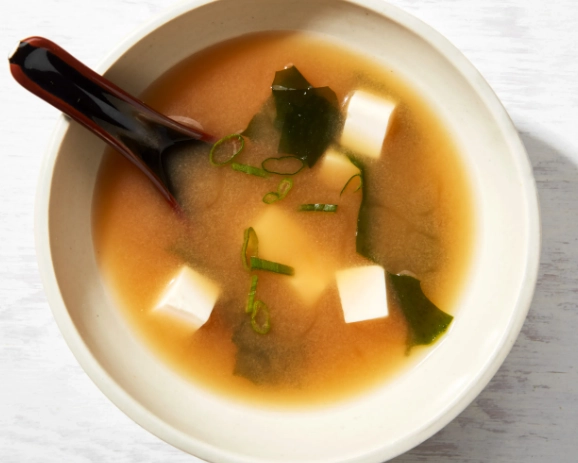
Katsuobushi (Shaved Bonito Flakes)
These are paper-thin shavings of smoked, fermented, and dried skipjack tuna. They contribute inosinic acid, another umami compound. When combined with the glutamates from kombu, they create a synergistic effect where the total umami sensation is greater than the sum of its parts. You add them to the hot kombu water, bring it just to a simmer, then immediately turn off the heat. Let them sink to the bottom—that's when the flavor is fully released. Strain, and you have primary dashi (ichiban dashi), clear and elegant.
Quick Tip: Don't have time? Quality instant dashi granules (hondashi) are a legitimate shortcut. Just read the label. Avoid ones with MSG listed as the first ingredient and artificial flavors. Look for brands where bonito extract and salt are primary.
Vegetarian & Vegan Dashi Options
Absolutely. The kombu from the first step already makes a fantastic vegan dashi (kombu dashi). You can amplify it by adding dried shiitake mushrooms during the soak. Shiitakes contain guanylic acid, a third type of umami compound. Soaking them overnight in the fridge yields the most depth.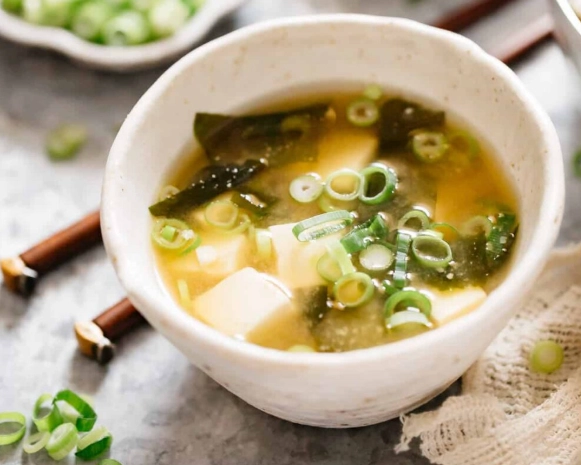
Miso Paste Deep Dive: Choosing Your Flavor Profile
Now for the star of the show—miso. This fermented paste is where the soup gets its name, color, and primary flavor. It's made from soybeans, a grain (usually rice or barley), salt, and a mold culture called koji. The type of grain and the length of fermentation create wildly different results.
| Miso Type | Main Ingredients | Color & Texture | Flavor Profile | Best For |
|---|---|---|---|---|
| Shiro Miso (White) | Soybeans, Rice Koji | Light beige, smooth | Sweet, mild, slightly tangy | Light soups, dressings, marinades |
| Awase Miso (Mixed) | Blend of types | Tan to reddish-brown | Balanced, versatile, savory | All-purpose; great for beginners |
| Aka Miso (Red) | Soybeans, Rice/Barley Koji | Deep red-brown, chunky | Salty, robust, deeply savory | Hearty soups, stews, braises |
| Mugi Miso (Barley) | Soybeans, Barley Koji | Yellow-brown, rustic | Earthy, full-bodied, less salty | Country-style soups, glazes |
My personal go-to is a medium-yellow awase miso. It's a blend, often of white and red, giving you the best of both worlds—enough depth without being overpowering. Don't be afraid to mix two types in your own bowl to find your perfect match.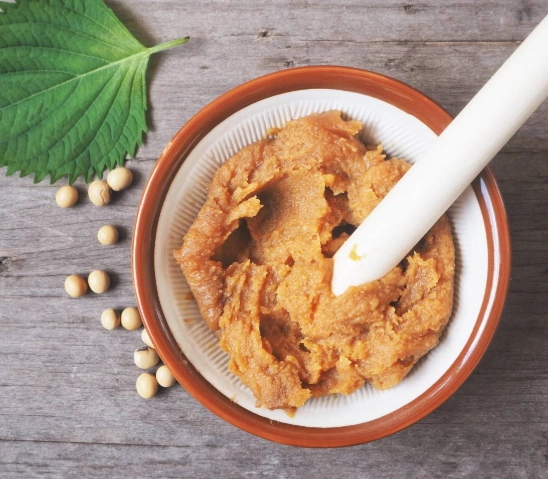
Critical Step: Never boil miso paste. The live, beneficial cultures and delicate aromas are heat-sensitive. Always dissolve the miso in a ladle with some hot dashi first, then stir it back into the pot after you've turned off the heat. This preserves its probiotic benefits and complex flavor.
The Common Add-Ins: Tofu, Wakame & Beyond
With your base built, it's time for the fun stuff. These ingredients add texture, nutrition, and visual appeal.
Tofu: Silken tofu (kinugoshi) is the classic choice for its delicate, custardy texture that melts in your mouth alongside the broth. Cut it into small cubes and add it at the very end, just to warm through. Firmer tofu works too, but it's a different experience—more chewy.
Wakame: This is the green, slippery seaweed you always find. Use dried wakame—a small pinch rehydrates into a lot. Soak it in cold water for 5 minutes before adding. It expands dramatically, so a little goes a very long way.
Green Onion (Scallion): The fresh, sharp crunch is essential. Thinly slice the green parts and use them as a bright garnish on top.
From here, the world is your oyster. Try sliced shiitake mushrooms, spinach, daikon radish, clams, or even a bit of potato. Regional variations in Japan are endless.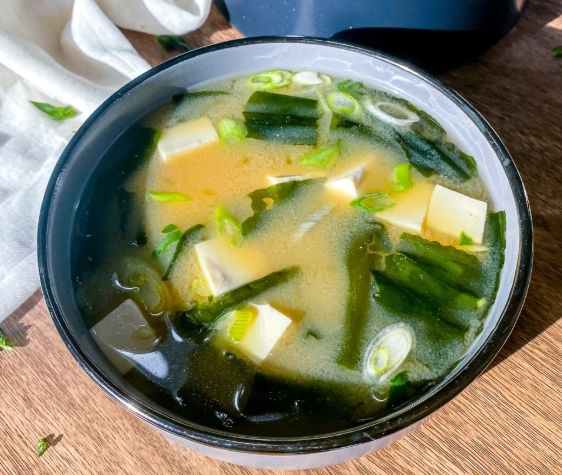
A Foolproof, Step-by-Step Recipe
Let's put it all together. This makes about 4 generous bowls.
For the Dashi:
- 4 cups cold water
- One 4x6 inch piece of dried kombu
- 1 cup loosely packed katsuobushi (bonito flakes) OR 2-3 tsp quality instant dashi granules
For the Soup:
- 4-5 tbsp awase miso paste (adjust to taste)
- 150g (about 5 oz) silken tofu, cubed
- 1 tbsp dried wakame
- 2 green onions, thinly sliced
Method:
- Make the Dashi: Wipe the kombu with a damp cloth (don't wash off the white powder). Add it and the cold water to a pot. Let it soak for 20-30 minutes if you have time.
- Slowly heat the pot on medium-low. Just before it reaches a boil (when small bubbles form at the edge), remove the kombu. If you boil it, the dashi gets slimy.
- Add the katsuobushi. Let the water come to a bare simmer, then immediately turn off the heat. Let it sit for 5-10 minutes as the flakes sink.
- Strain the dashi through a fine-mesh sieve lined with cheesecloth (or a paper towel) into a clean bowl. Don't squeeze the solids; just let it drain gently for a clear broth.
- Build the Soup: Return the dashi to the pot and warm it over medium heat. Soak the dried wakame in a small bowl of cold water.
- Place your miso paste in a small bowl. Ladle about 1/2 cup of hot dashi into the bowl and whisk vigorously until the miso is completely dissolved and smooth. This is the key to no lumps.
- Once the dashi in the pot is hot (but again, not boiling), turn off the heat. Stir in the dissolved miso mixture.
- Drain the rehydrated wakame. Gently add the cubed tofu and wakame to the pot. Let it sit for a minute just to warm them through.
- Ladle into bowls and garnish generously with green onions. Serve immediately.
See? The process respects each ingredient's needs. No boiling the miso, no overcooking the tofu.
Expert FAQs & Troubleshooting Your Miso Soup
This usually points to two issues. First, you might be using a very dark, aged red miso which is inherently saltier. Try switching to a lighter awase or white miso, or use a blend. Second, and more crucially, you might not have a flavorful enough dashi. If your broth is weak, the saltiness of the miso has nothing to balance it. The salt should be a supporting player to the umami, not the lead. Ensure your dashi is robust—don't skimp on the kombu or katsuobushi.
You can, but you'll be making a fundamentally different—and significantly less satisfying—soup. The miso will taste isolated and harsh. If you're in a true pinch, here's a hack: add a small pinch of sugar (just a pinch!) to the water before dissolving the miso. It won't create umami, but it can help round off the sharp salty edges. Better yet, keep a jar of good instant dashi granules in your pantry. It's a lifesaver.
When made with the traditional ingredients, miso soup is a nutritional powerhouse. The fermentation process creates probiotics beneficial for gut health. Miso is also a source of protein, vitamins, and minerals. Concerns about soy are often related to highly processed forms or excessive amounts of unfermented soy. Fermented soy products like miso, tempeh, and natto are widely considered part of a healthy diet. A study published in the Journal of the National Cancer Institute even suggested a potential link between miso soup consumption and reduced breast cancer risk, though more research is always needed. As with anything, moderation is key.
Store the broth (with any solid add-ins like tofu removed) in the fridge for up to 3 days. The tricky part is reheating. Boiling will ruin the flavor. Gently warm it on the stove over low heat, stirring frequently, and only until it's just hot enough to eat. Better yet, I often store the plain dashi and the miso paste separately. Then, each morning, I warm a portion of dashi, dissolve a spoonful of miso in it, and add fresh tofu and wakame. It takes 5 minutes and tastes like new.
Clarity comes from technique. For the dashi, avoid boiling the kombu (causes sliminess) and don't aggressively stir or squeeze the katsuobushi when straining—let gravity do the work. For the miso, always dissolve it completely in a separate ladle or bowl before adding it back to the pot. If you just plop a spoonful of paste into the hot broth and stir, you'll never get it fully incorporated, leaving tiny lumps that cloud the soup. Taking those extra 30 seconds makes all the difference.
Reader Comments