You've seen them. Those little white clusters with long, thin stems and tiny caps, usually packed in a tight plastic wrap. Enoki mushrooms. They're a staple in Asian soups and hot pots, but for a lot of home cooks, that's where the story ends. They get tossed in the broth, simmered, and forgotten. I think that's a shame. Handled right, enoki are one of the most versatile, quick-cooking, and interesting mushrooms in the produce aisle. But there's a catch—a few, actually. Get them wrong, and you're left with a soggy, flavorless, or worse, unsafe mess.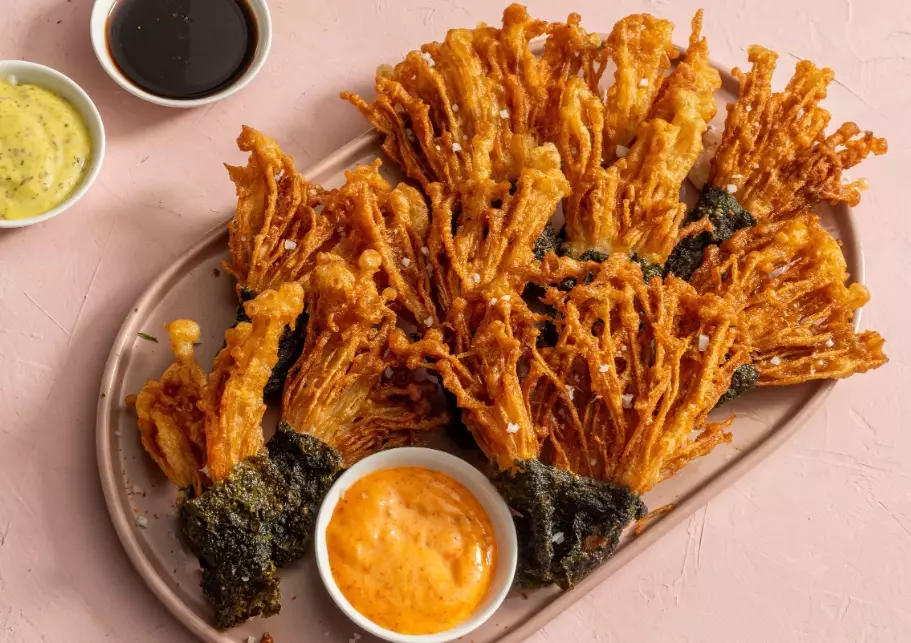
I've been cooking with them for over a decade, from street food stalls in Seoul to my own kitchen experiments. I've made every mistake so you don't have to. This isn't just a list of facts. It's a practical manual on how to buy, store, cook, and safely enjoy enoki mushrooms, moving them from a supporting actor to the star of your plate.
What’s Inside This Guide
- What Exactly Are Enoki Mushrooms?
- Buying & Storing: The First Step Most People Mess Up
- Prepping Enoki Mushrooms: More Than Just Chopping Off the End
- How to Cook Enoki Mushrooms: 3 Methods That Actually Work
- Nutrition & Health Benefits: Not Just Empty Calories
- Safety First: The Non-Negotiable Step You Can't Skip
- Your Enoki Questions, Answered
What Exactly Are Enoki Mushrooms?
Let's clear up the names first. You might see them labeled as enoki, enokitake, golden needle mushrooms, or lily mushrooms. Scientifically, they're Flammulina velutipes. The wild version looks completely different—it has a shorter, darker, velvety stem and a larger, caramel-colored cap. The pristine white ones we buy are a cultivated variety, grown in a high-CO2, low-light environment to encourage those long, slender stems and small caps.
Their flavor is mild—a clean, slightly fruity, and faintly earthy taste. But their magic is in the texture. When cooked properly, they have a delightful, gentle crunch that's uniquely satisfying. When overcooked, they turn into slippery, rubbery threads. Big difference.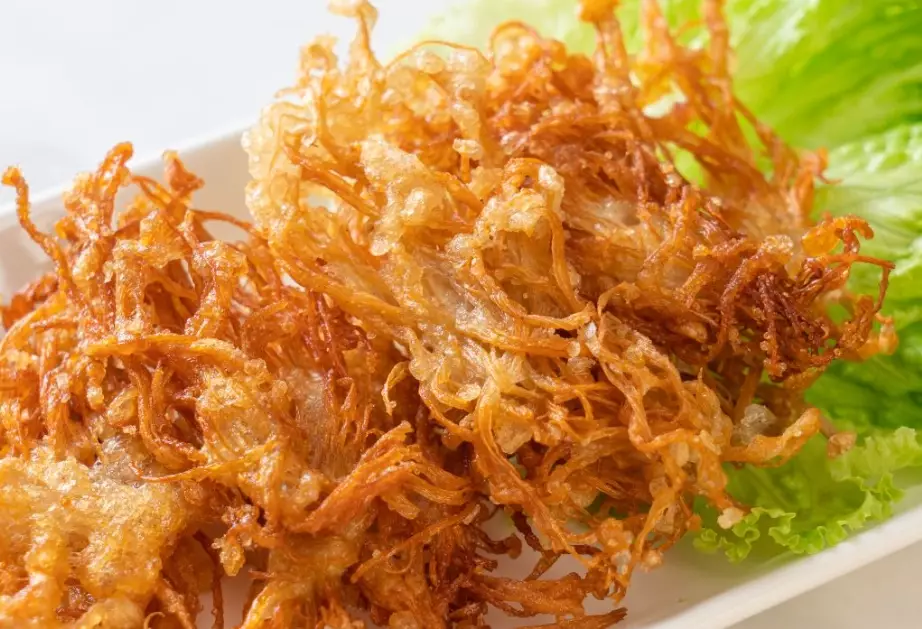
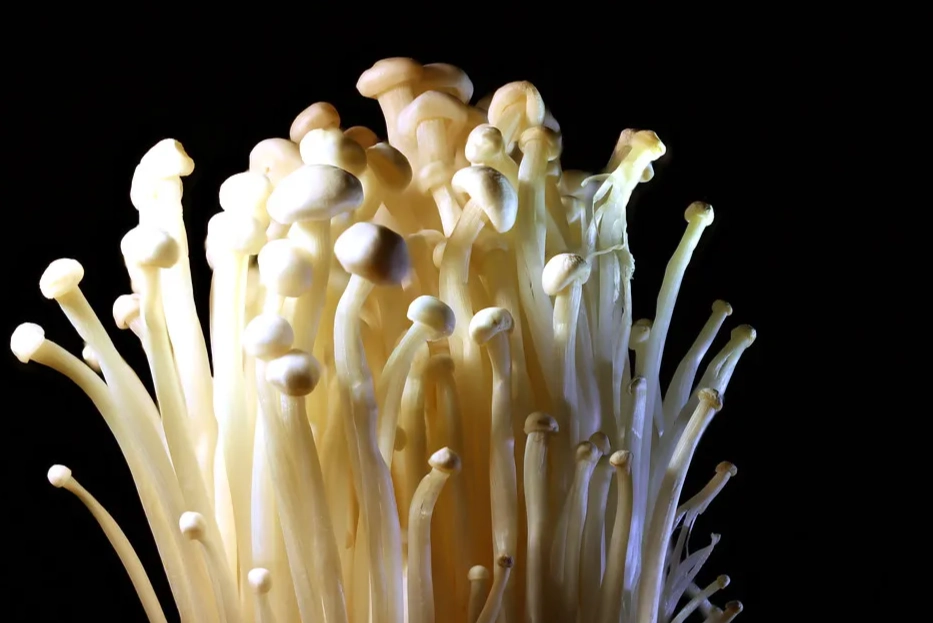
Pro Tip: Don't confuse them with bean sprouts or other thin mushrooms. Enoki have a distinct small cap on each stem and grow in a dense, connected cluster from a single base.
Buying & Storing: The First Step Most People Mess Up
You grab the first pack you see, right? That's mistake number one. Here’s what to look for:
- Color & Firmness: Stems should be pure white and firm, not yellowed or slimy. The caps should be tightly closed, not splayed open or blackened.
- The Base: Check the root end. It should look clean and fresh, not dried out or discolored.
- The Package: Avoid packs with excessive condensation inside the plastic. That trapped moisture is a breeding ground for spoilage.
Now, storage. The worst thing you can do is leave them sealed in that sweaty plastic wrap. They'll turn slimy in two days.
Here's my method, which can extend their life to over a week: Take them out of the plastic. Wrap the cluster loosely in a dry paper towel. This absorbs excess moisture. Then, place the paper-towel-wrapped bundle into a partially open plastic bag or a container with the lid not fully sealed. Store it in the main part of your fridge, not the crisper (it's often too humid). The paper towel trick is a game-changer.
Prepping Enoki Mushrooms: More Than Just Chopping Off the End
Everyone knows to cut off the tough, woody base where all the stems fuse together. Usually about half an inch to an inch. But here’s where people diverge.
Do you leave them as a tight bundle, or separate them into individual strands?
It depends on the dish. For a hot pot or soup where you want them to cook evenly and be easy to pick up? Leave a small, manageable cluster. For a stir-fry, salad, or omelet where you want them to integrate? Gently separate them with your fingers. Don't rinse them until you're ready to use them, and always pat them very dry with a clean towel afterward. Water is the enemy of good texture.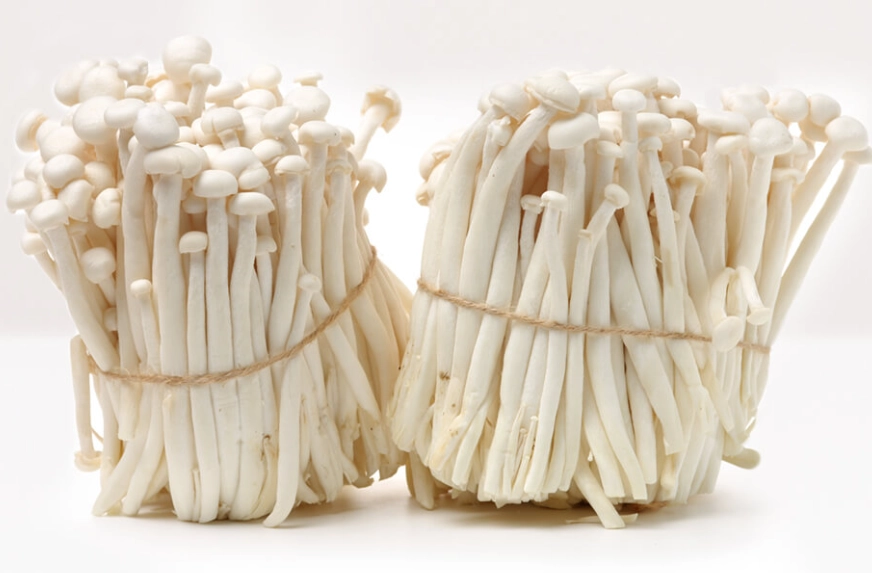
How to Cook Enoki Mushrooms: 3 Methods That Actually Work
Forget just boiling. These methods give you control and great results.
1. The Quick Blanch (The Safety & Salad Secret)
This is my go-to for any application where they won't get a hard sear. Bring a pot of salted water to a rolling boil. Drop in your enoki (clusters or separated) and cook for just 30 to 60 seconds. You'll see them wilt slightly. Immediately drain and plunge them into ice water to stop the cooking. This sets their color, slightly softens them, and—most importantly—ensures they are safely cooked through. Now they're perfect for cold salads, quick pickling, or as a ready-to-eat topping for rice bowls.
2. The High-Heat Sauté or Stir-Fry
This is where texture is won or lost. The key is high heat and no crowding. If your pan is packed, they'll steam in their own released water and get soggy.
- Heat your wok or skillet over high heat with a neutral oil.
- Add your aromatics (garlic, ginger) first, then other vegetables.
- Add the thoroughly dried enoki last. Spread them out in a single layer if you can.
- Let them sear for about 30 seconds without touching them.
- Then, toss everything together for another 60-90 seconds. Season with soy sauce, a dash of sesame oil, and maybe a pinch of sugar to balance. Done.
The result should be tender-crisp, not limp.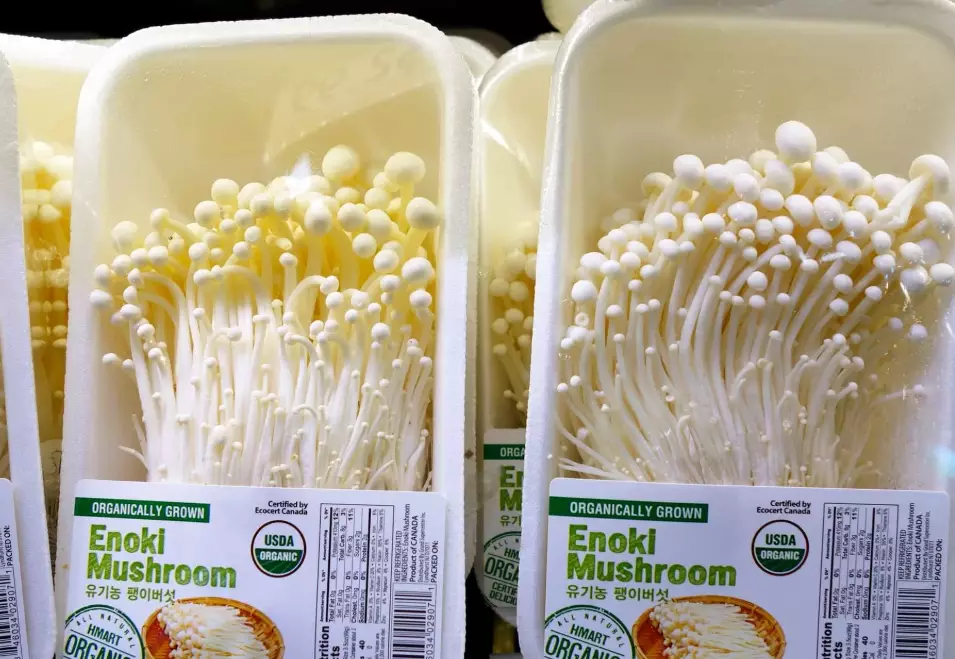
3. Roasting or Grilling
An underrated method. Toss separated enoki with a little oil, salt, and pepper. Spread on a baking sheet. Roast in a hot oven (425°F / 220°C) for 10-15 minutes. They'll shrink dramatically, crisp up at the tips, and develop an intense, nutty, almost bacon-like flavor. Seriously, try it. They become an incredible garnish for soups, steaks, or mashed potatoes.
| Cooking Method | Best For | Key to Success | Flavor/Texture Result |
|---|---|---|---|
| Quick Blanch | Salads, garnishes, safe prep | Ice bath immediately after | Clean, mild, tender-crisp |
| High-Heat Sauté | Stir-fries, noodle dishes, sides | High heat, dry mushrooms, no crowding | Savory, slightly caramelized, pleasant bite |
| Roasting/Grilling | Toppings, umami bombs, snacks | Spread in a single layer, high heat | Concentrated, nutty, crispy & chewy |
Nutrition & Health Benefits: Not Just Empty Calories
Enoki mushrooms are a legit functional food. According to the USDA FoodData Central database, they're low in calories and fat but offer a decent punch of nutrients per serving.
They're a good source of dietary fiber, which aids digestion. They contain B-vitamins like niacin (B3) and folate. But the star component is beta-glucans, a type of soluble fiber found in their cell walls. A lot of research, including a review published in the Journal of Clinical Biochemistry and Nutrition, points to beta-glucans having immune-modulating and potential cholesterol-lowering effects. They act as prebiotics, feeding the good bacteria in your gut.
So, you're not just adding texture; you're adding a layer of functional nutrition to your meal.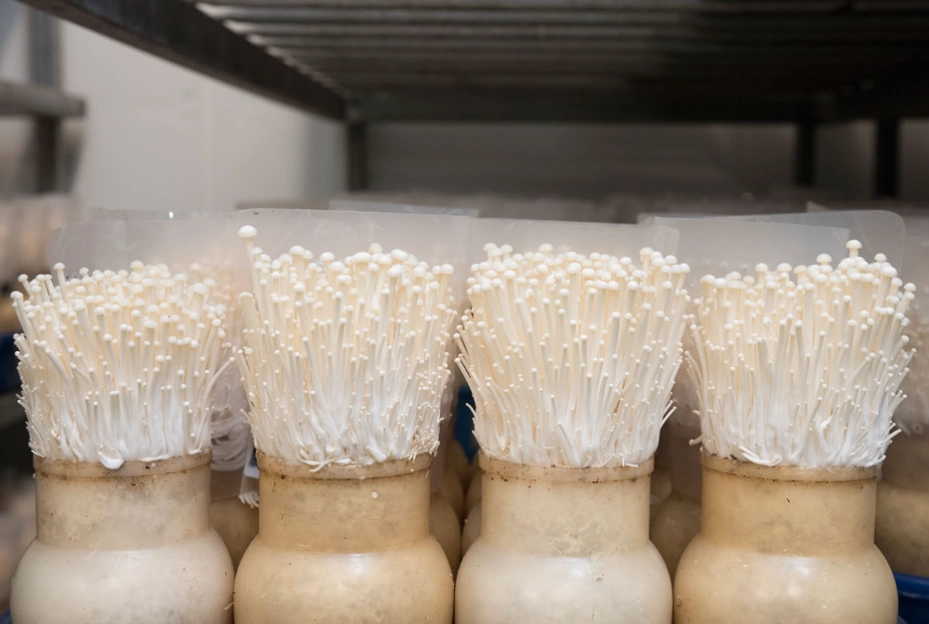
Safety First: The Non-Negotiable Step You Can't Skip
I can't talk about enoki without addressing the elephant in the room: Listeria monocytogenes.
Over the past few years, enoki mushrooms imported from certain regions have been linked to multiple listeria outbreaks and recalls, including prominent ones flagged by the U.S. Centers for Disease Control and Prevention (CDC) and the Canadian Food Inspection Agency. Listeria is particularly dangerous for pregnant women, older adults, and those with weakened immune systems.
This is critical: Always cook enoki mushrooms thoroughly. The CDC and other food safety authorities explicitly recommend this. Do not eat them raw. Proper cooking to an internal temperature of 165°F (74°C) kills harmful bacteria. The quick blanch or stir-fry methods described above achieve this. This single step transforms them from a potential risk into a completely safe and delicious ingredient. When in doubt, cook it.
Your Enoki Questions, Answered
Can I eat enoki mushrooms raw in salads?
Why do my stir-fried enoki mushrooms turn out soggy and watery?
What's the best way to store enoki mushrooms to make them last longer?
Are enoki mushrooms good for gut health?
 So there you have it. Enoki mushrooms are more than a hot pot accessory. They're a fast-cooking, nutritious, and texturally fascinating ingredient that deserves a permanent spot in your kitchen. Just remember: buy them fresh, store them smart, cook them hot and fast, and never skip the cooking step. Do that, and you'll unlock a world of crunch and flavor you never knew these little white threads could hold.
Reader Comments