Let's be honest. Most home-cooked udon is a disappointment. The noodles are either gluey or limp, the broth tastes like salty water, and you're left wondering why the bowl at your local izakaya costs $15 and tastes like heaven. I've been there. After years of trial, error, and a few frankly inedible batches, I cracked the code. Making great udon isn't about fancy techniques; it's about nailing a few non-negotiable fundamentals. This guide skips the fluff and gives you the exact steps, ratios, and little tricks that make the difference between a meh meal and a masterpiece.
What You'll Learn Inside
How to Cook Udon Noodles Perfectly (The Biggest Mistake Everyone Makes)
It all starts with the noodle. Get this wrong, and no broth can save you. Whether you're using dried, fresh, or frozen udon, the principle is the same: you want a firm, springy chew—what the Japanese call "koshi."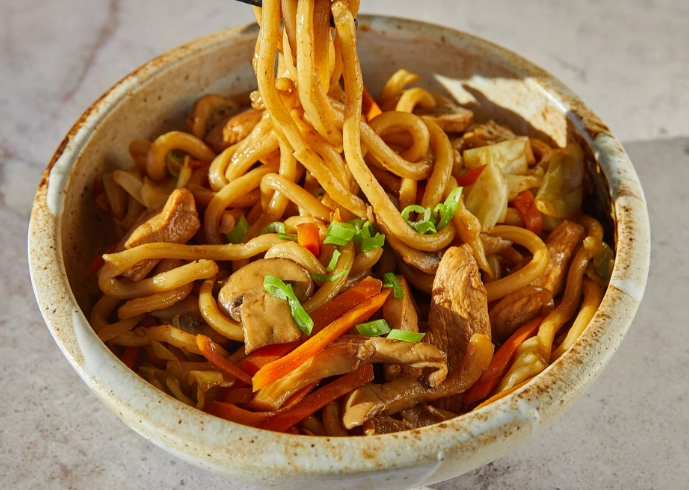
The universal mistake? Overcooking. Udon is not pasta. It doesn't need 10-12 minutes. Fresh or frozen udon cooks in 60 to 90 seconds. Seriously. Dried udon takes longer, maybe 8-10 minutes, but you still need to watch it like a hawk.
Here's your fail-safe method:
- Bring a large pot of water to a rolling boil. Lots of water prevents temperature drop and starch buildup.
- Add the noodles and stir immediately to prevent sticking.
- For fresh/frozen: The moment the noodles separate and float to the top (around 1-2 minutes), they are done. Taste one. It should be chewy, not soft.
- Immediately drain and rinse under cold running water. This is non-optional. It stops the cooking and washes off excess surface starch, which is what causes clumping and a gummy texture.
- Drain well and use immediately, or toss with a tiny bit of oil if holding briefly.

The Heart of Udon: Mastering the Broth
The broth, or "kakejiru," is where the soul of the dish lives. A good one is clear, deeply savory (umami), and perfectly balanced—not just salty. The foundation is dashi, a Japanese stock.
Your Dashi Decision
You have options, from instant to from-scratch.
- Instant Dashi Granules/Powder: The weeknight hero. Look for brands with bonito and kombu as the first ingredients, not MSG and salt. A teaspoon in hot water works. It's not the pinnacle, but it's 80% of the way there for 5% of the effort.
- Awase Dashi (Kombu & Bonito): The gold standard. Soak a 4x4 inch piece of kombu seaweed in 4 cups of cold water for 30 minutes. Gently heat until just before boiling, then remove the kombu. Turn off the heat, add a big handful of bonito flakes (about 15g), let it steep for 5 minutes, then strain. Don't boil after adding bonito—it turns bitter.
- Vegetarian Dashi: Replace bonito with dried shiitake mushrooms. Soak kombu and a few dried shiitakes together in cold water for a few hours or overnight, then gently heat and strain.
Once you have your dashi (4 cups), making the kakejiru is simple:
Basic Kakejiru Ratio: 4 cups dashi + 4 tbsp soy sauce + 2 tbsp mirin + 1 tsp sugar. Combine in a pot, heat until just simmering to dissolve the sugar and cook off the alcohol in the mirin. Taste. Adjust. More soy for saltiness, a drop more mirin for sweetness. This is your canvas.
Three Classic Udon Recipes You Can Master Tonight
Let's apply the basics. These three dishes cover the udon spectrum: simple, rich, and hearty.
| Recipe | Broth Style | Key Toppings | Difficulty & Time |
|---|---|---|---|
| 1. Kake Udon | Clear, hot kakejiru | Green onions, maybe tempura bits | Easy, 15 min |
| 2. Kitsune Udon | Clear, hot kakejiru | Sweetened fried tofu pouch (aburaage) | Medium, 25 min |
| 3. Curry Udon | Thick, rich Japanese curry broth | Meat, potatoes, carrots | Medium, 30 min |
1. Kake Udon: The Ultimate Comfort Test
This is the purest form. If your noodles and broth are good, this will be stunning. Heat your prepared kakejiru. Place perfectly cooked, hot udon in a deep bowl. Ladle the hot broth over it. Top with thinly sliced scallions and perhaps a sprinkle of shichimi togarashi (Japanese seven-spice). That's it. The simplicity forces quality.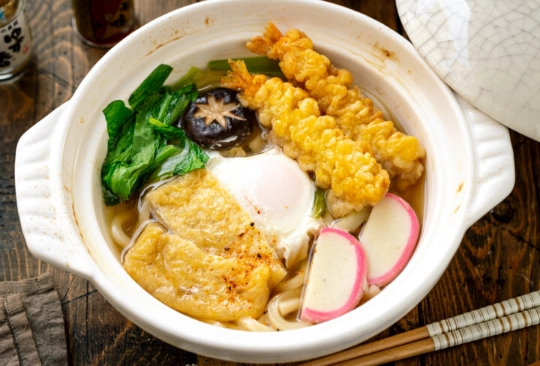
2. Kitsune Udon: The Sweet & Savory Star
Named after the fox ("kitsune") who supposedly loved fried tofu. The star is the "aburaage" (thin fried tofu pouch). Don't just slice it. Simmer it in a mix of soy, sugar, mirin, and dashi for 10-15 minutes until it's deeply flavored and sweet. Let it cool and squeeze out excess liquid before slicing. That simmering step transforms it from rubbery to sublime. Serve on top of your kake udon.
3. Curry Udon: The Hearty Winter Warmer
This is where udon meets Japanese curry. Sauté bite-sized chicken or beef, onions, carrots, and potatoes. Add water, simmer until veggies are tender. Add blocks of Japanese curry roux (like S&B Golden Curry) and stir until melted and thickened. Thin it out with some extra dashi or water to a soupy consistency. Pour over udon in a bowl. The thick, spiced broth clings to the thick noodles. It's addictive.
The Pro's Pantry: Toppings & Final Touches
Toppings aren't just garnish; they add texture and bursts of flavor. Keep these on hand:
- Tempura: Shrimp or vegetable tempura is classic. For home cooks, a store-bought frozen tempura, air-fried or baked, is a totally acceptable shortcut.
- Kamaboko (Fish Cake): The pink and white swirl. It's mild, slightly sweet, and adds visual pop. Slice it thin.
- Soft-Boiled Egg (Ajitsuke Tamago): Marinate a soft-boiled egg in soy-mirin sauce. The runny yolk enriches the broth.
- Nori (Seaweed): A sheet of roasted seaweed, torn or cut into strips. Adds a hit of ocean flavor.
- Condiments: Shichimi togarashi (for heat), grated ginger (for zing), grated daikon radish (for a fresh, sharp cleanness).
Assembly matters. Hot noodles in a pre-warmed bowl. Hot broth. Toppings arranged neatly, not dumped. It eats better, I swear.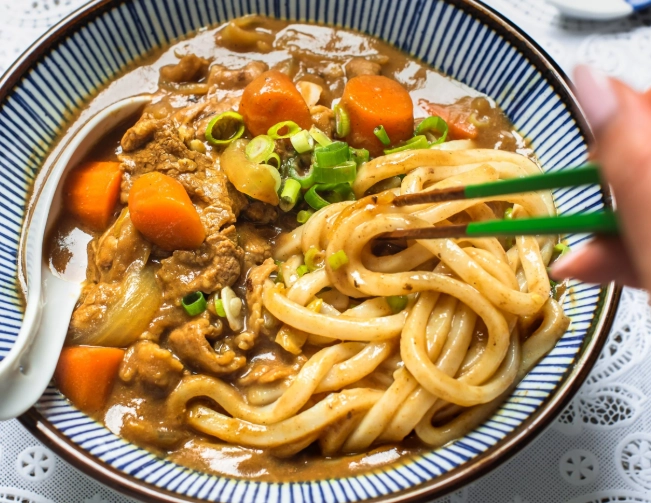
Your Udon Questions, Answered
Why do my udon noodles get mushy after cooking?
Mushy udon is almost always due to overcooking or not shocking them in cold water. Fresh or frozen udon cooks in 1-2 minutes. The moment they separate and float, they're done. Immediately drain and rinse under cold running water to stop the cooking process. This step also washes away excess surface starch, preventing clumps and giving you that perfect, springy chew.
What's the difference between the main types of udon broth (kakejiru vs. tsuyu)?
Kakejiru is the clear, hot broth served directly over noodles, like in Kake Udon. It's lighter, made from dashi, soy sauce, mirin, and a touch of sugar. Tsuyu is a concentrated dipping sauce, served cold on the side for dishes like Zaru Udon. It's much stronger, saltier, and sweeter, meant to be diluted by the noodles themselves. Never use tsuyu as a soup broth—it will be far too intense.
Can I make udon noodles gluten-free?
Traditional udon relies on wheat gluten for its signature chew, so a direct substitute is tricky. For a gluten-free version, blend rice flour with tapioca or potato starch. The texture will be softer, more like rice noodles. Focus on perfecting your broth and toppings—a fantastic dashi and fresh garnishes can make even an alternative noodle bowl deeply satisfying.
How long can I store homemade udon broth?
A well-strained dashi-based broth keeps for 3-4 days in a sealed container in the refrigerator. For longer storage, freeze it in ice cube trays or portions for up to 3 months. The flavor is best fresh, but frozen works great for quick meals. Avoid storing broth with noodles in it, as the noodles will absorb all the liquid and become bloated.
Reader Comments