Let's be honest. When you think of Japanese seafood, you probably picture perfect slices of tuna on rice, or maybe a steaming bowl of ramen topped with a soft-boiled egg. But there's so much more to it, and honestly, most guides get it wrong by focusing only on the obvious. I spent years living in Tokyo, eating at everything from back-alley izakayas to places where the bill made my eyes water. The real magic of Japanese seafood isn't just in the famous dishes; it's in understanding the culture behind them, knowing where to look beyond the tourist traps, and even learning how to bring a bit of that flavor into your own kitchen without needing a PhD in knife skills.
This guide is different. We're going past the sushi 101. We'll talk about how to order like you know what you're doing, where to find incredible meals that won't require a second mortgage, and the one thing about seasonality that most visitors completely miss. We'll also tackle the practical stuff—sustainability, allergies, and those unspoken rules that can make or break a meal.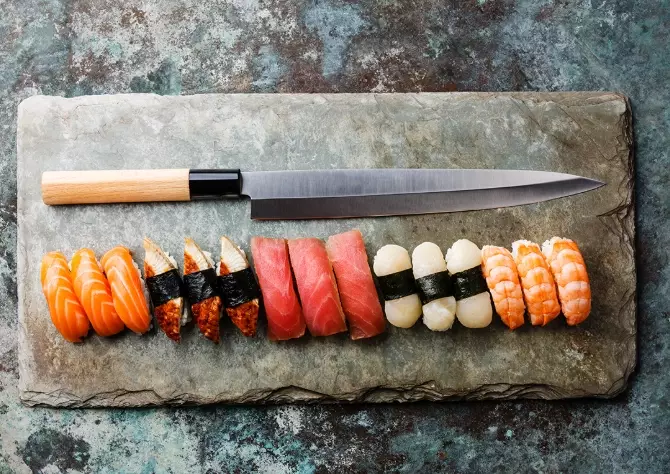
What You'll Find in This Guide
Why Japanese Seafood Culture is Different
It's not just about freshness. That's a given. The core of Japanese seafood culture is a concept called "shun" (旬). It means the peak season for any ingredient. Eating a fish during its "shun" is a completely different experience. The fat content, texture, and flavor are at their absolute best. A winter yellowtail (kanpachi) is rich and fatty. A summer one is leaner. Menus change, prices fluctuate, and chefs get genuinely excited about what just came in that morning.
This hyper-focus on seasonality and origin is why you'll see menus listing not just "tuna," but "Ōma bluefin tuna from Aomori." It matters. The water temperature, the diet, the fishing method—they all leave a mark on the final taste. It's a level of detail that can feel overwhelming, but it's the key to unlocking the best meals.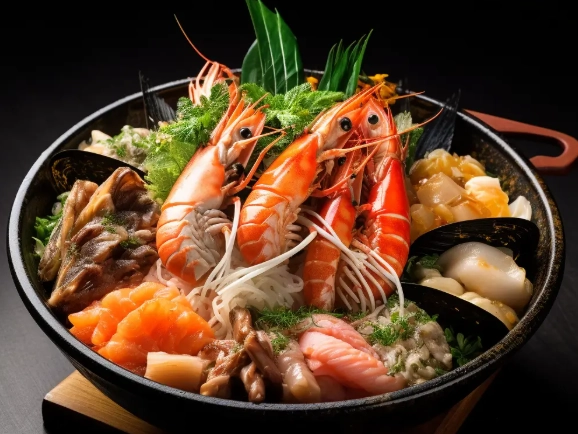
My personal turning point: I used to order salmon everywhere because it was safe. Then a sushi chef in Tsukiji (the old market) served me kohada (gizzard shad). It was cured, vinegared, and complex—sour, salty, umami. It looked simple but tasted like the ocean distilled. That's when I realized I'd been missing the whole point. The adventure is in the less familiar choices.
The Major Players: Tuna, Salmon, and Beyond
Let's break down what you're actually looking at on a menu or at a fish market.
The Big Three (And What to Expect)
| Fish (Japanese Name) | Key Characteristics & Best Way to Eat | Peak Season Note |
|---|---|---|
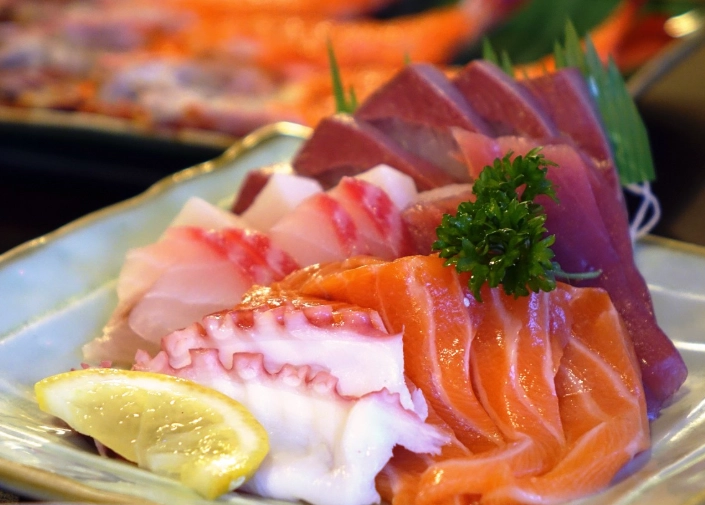
| Bluefin Tuna (Hon Maguro) | The king. Akami (lean red meat) is clean-tasting. Chūtoro (medium-fatty) is the sweet spot for many. Ōtoro (fatty belly) is rich, buttery, and expensive. Best as sushi/sashimi. | Winter for peak fat content. Northern varieties (like Ōma) are legendary. |
| Salmon (Sake/Shake) | Most salmon in Japan is farmed Atlantic salmon. It's reliable and fatty. For a treat, look for "sake harasu" (salmon belly) or "ruibe" (lightly frozen Hokkaido salmon). Great raw, grilled, or in donburi. | Available year-round, but wild varieties have more defined seasons. |
| Sea Urchin (Uni) | Creamy, briny, and divisive. Quality varies wildly. Bright orange, firm, and sweet is best. Brownish, slimy, and bitter is low-grade. Eat it straight on sushi or with a dab of soy sauce. | Varies by region. Hokkaido (bafun uni) is famous, typically best in summer. |
Now, the real fun starts with the supporting cast.
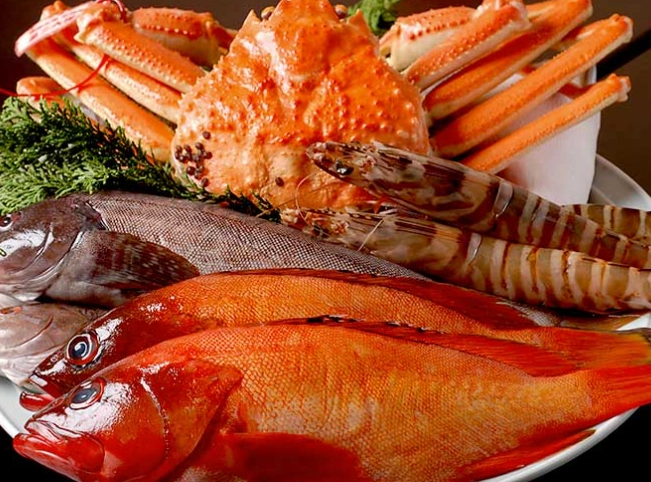
White Fish (Shiromi): This category includes Hirame(flounder) and Tai(sea bream). They're often delicate, slightly sweet, and have a clean finish. Tai is celebratory. They're perfect for appreciating subtlety.
Silver Skin Fish (Hikarimono): Fish like Aji(horse mackerel) and Saba(mackerel) are bold, oily, and packed with flavor. They're usually cured with vinegar or salt to balance the richness. Don't be scared of the fishiness—it's supposed to be there, and it's amazing when done right.
Shellfish & Others: Hotate(scallops) are sweet and often served alive. Ebicovers prawns and shrimp; botan ebi are sweet, raw, and a delight. Ikura(salmon roe) is all about the pop of briny juice.
Top Restaurant Experiences in Tokyo
Forget just finding a "good sushi place." The experience varies wildly by budget and style. Here are three distinct tiers, based on what you're after.
1. The Splurge-Worthy Omakase
You're not just paying for fish; you're paying for the chef's decades of experience, the access to the best auction fish, and the ritual. Reservations are mandatory, often months ahead.
- Sushi Saito: Often called the best in the world. Near-impossible for foreigners to book directly. Try a luxury hotel concierge. Expect around ¥50,000 per person. It's an investment in a flawless, quiet performance.
- Sawada: Another 3-Michelin-star titan. Intense, focused, and incredibly technical. The chef chooses everything for you. Around ¥40,000+. Silence your phone and just watch the master at work.
The common mistake here? Trying to chat too much. It's okay to ask a question or two, but let the chef guide the pace. And for heaven's sake, eat the nigiri with your hands if it's served that way. The rice is packed to dissolve perfectly with the warmth of your fingers, not the cold crush of chopsticks.
2. The Accessible High-Quality Counter
This is my sweet spot. Fantastic fish, skilled chefs, and a bill that doesn't cause nightmares.
- Sushi Dai (Toyosu Market): Famous for a reason. The queue is legendary (arrive by 5 AM or prepare to wait 3-4 hours). The omakase is about ¥5,000 and worth every yen for the freshness and energy. Go for the experience, not for a quiet meal.
- Uogashi Nihon-Ichi (Standing Sushi Bars): Multiple locations like Akihabara. This is fast, fresh, and fantastic value. You stand at a counter, order via tablet, and pieces are made to order. A full meal can be under ¥2,500. Perfect for lunch or a quick, quality fix.
3. The Izakaya & Specialist Scene
Not all great seafood is sushi. Izakayas (Japanese pubs) serve incredible cooked dishes.
- Gonpachi (Nishi-Azabu): Yes, the "Kill Bill" restaurant. Tourist? Sure. But the seafood donburi bowls and grilled fish are actually very reliable. A good, lively intro. Budget ¥3,000-¥5,000.
- Oyster Bars (Like Gulf Coast in Shimbashi): For oyster lovers. They serve massive, fresh oysters from Miyagi and Hiroshima, raw, grilled, or fried. A dozen and a beer for around ¥4,000.
Bringing It Home: Simple Japanese Seafood Dishes
You don't need to be a sushi master. Two dishes you can nail with supermarket ingredients.
1. Miso-Glazed Black Cod (Saikyo Yaki): This is the gateway drug to Japanese home cooking. The fish is sweet, savory, and falls apart.
Get: Black cod fillets (or sablefish), white miso paste, mirin, sake, sugar.
Do: Mix 3 parts miso, 2 parts mirin, 1 part sake, a little sugar. Coat the fish, marinate 1-2 days (not kidding, it needs time). Scrape off marinade, broil until caramelized and cooked through. Serve with rice.
2. Salmon Ochazuke: The ultimate comfort food. Leftover salmon + green tea over rice.
Get: Cooked salmon (leftover grilled is perfect), hot steamed rice, green tea (or dashi), nori strips, maybe some pickled plum (umeboshi).
Do: Flake salmon over rice in a bowl. Top with nori. Pour hot green tea or dashi broth over everything until the rice is just submerged. Eat immediately. It's soothing, easy, and feels deeply Japanese.
The Real Deal on Sustainability and Seasonality
Bluefin tuna is overfished. Everyone knows it. But boycotting it entirely in Japan is complicated—it's a cultural cornerstone. A more practical approach? Ask what's local and in season. Instead of defaulting to tuna, say, "Nano ga shun desu ka?" (What's in season right now?). You'll often get something more interesting, sustainable, and cheaper.
Check resources like the Japan Fisheries Agency for their sustainable seafood guides. Look for MSC-certified options where possible. And consider eating lower on the food chain—smaller fish like sardines (iwashi) or mackerel (saba) are plentiful, nutritious, and delicious.
Navigating Allergies and Dining Etiquette
This is crucial and often glossed over.
Allergies: Shellfish allergy is a big one. The Japanese word for allergy is "arerugii" (アレルギー). Write it down. Better yet, get a food allergy card in Japanese before your trip. Cross-contamination is a real risk in small kitchens. Be specific: "Ebi, kani, hotate ni arerugii ga arimasu" (I am allergic to shrimp, crab, scallops). In high-end omakase, tell them when you book.
Etiquette Myths & Realities:
- Mixing wasabi and soy sauce: In a casual setting? Do what you like. In a high-end place, the chef has already applied the perfect amount of wasabi. Dip only the fish corner of the nigiri lightly in soy sauce, not the rice.
- Ginger (gari): It's a palate cleanser, not a topping. Eat it between different types of fish.
- The biggest one: It's okay to not finish everything, but if you're at a counter and get a piece you genuinely dislike (texture, whatever), it's more respectful to quietly eat it than to leave it. Next time, you can say you prefer not to have that item.
Your Questions, Answered
Reader Comments