Let's clear something up right away. When most people hear "tempura," they think shrimp or vegetables. But chicken tempura? It's the unsung hero of the tempura world. A piece of juicy chicken encased in a shell so light, so ethereally crisp, it shatters at the slightest touch, giving way to tender, steaming meat inside. It's not just fried chicken; it's an exercise in textural contrast and delicate flavor. And honestly, most home cooks and even some restaurants get it wrong—too heavy, too oily, or just plain soggy. After years of eating my way through tempya joints in Tokyo and burning through gallons of oil in my own kitchen, I've figured out where everyone goes astray. This guide will get you to crispy nirvana.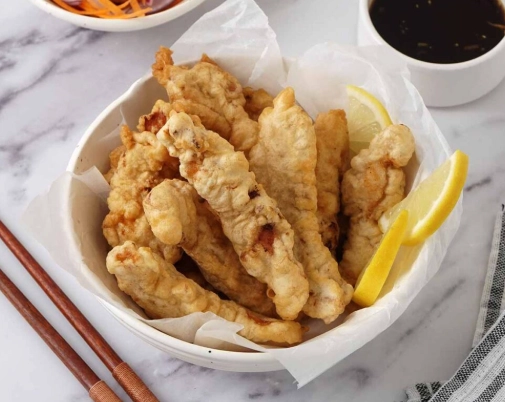
What's Inside This Guide
- What Exactly Is Chicken Tempura? (And What It's Not)
- The 3 Non-Negotiable Secrets for Perfect Chicken Tempura
- A Foolproof Classic Chicken Tempura Recipe
- Beyond the Classic: Creative Chicken Tempura Variations
- Where to Eat the Best Chicken Tempura: Tokyo & NYC Spots
- Your Chicken Tempura Questions, Answered
What Exactly Is Chicken Tempura? (And What It's Not)
First, a bit of history. Tempura's origins in Japan are traced back to Portuguese traders in the 16th century. The Japanese refined the technique into an art form. Chicken tempura, or tori no tempura, is simply bite-sized pieces of chicken (usually thigh for its juiciness) dipped in a specific batter and deep-fried.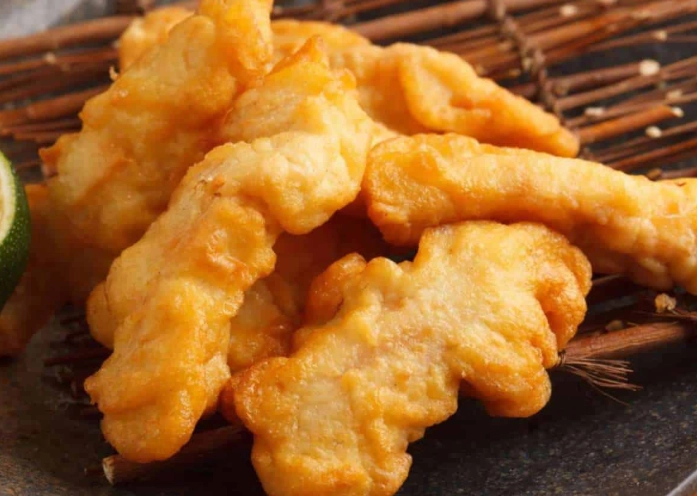
The key distinction? It is NOT karaage. This is the most common mix-up. Karaage is Japanese fried chicken where the chicken is marinated, then coated in flour or potato starch and fried. The coating is denser, craggier. Tempura batter is a wet batter made of flour, egg, and ice water, mixed minimally. The result is a lacy, translucent, and incredibly delicate shell that's all about crispness without heaviness.
The 3 Non-Negotiable Secrets for Perfect Chicken Tempura
Forget everything you think you know about frying. Tempura operates on a different set of rules.
1. The Temperature Tango: Oil, Batter, and Ingredients
This is the heart of it. Your oil needs to be between 170°C and 180°C (340°F to 355°F). Any hotter, and the outside burns before the chicken cooks through. Any cooler, and the batter absorbs oil like a sponge, becoming greasy. Use a thermometer. Guessing is for amateurs.
Now, the batter ingredients must be cold. I keep my flour in the freezer for 30 minutes before I start. The water must be ice-cold, often with an ice cube floating in it. Why? A cold batter hitting hot oil creates a violent, immediate reaction that forms countless tiny bubbles in the coating—that's where the legendary crispness and lightness come from.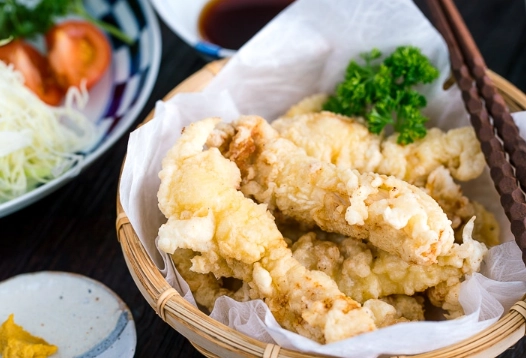
2. The Batter Philosophy: Embrace the Lumps
This is where 90% of people fail. You mix the batter with chopsticks or a fork for just 10-15 seconds. You stop when it's still streaky, with big lumps of dry flour floating in it. Do not make it smooth. A smooth batter develops gluten, which turns into a tough, bread-like coating. Those lumps are pockets of dry flour that will puff and create irregular, crisp points. Undermixing is your single most important task.
3. The Fry and Drain Protocol
Don't crowd the pot. Adding too many pieces drops the oil temperature drastically. Fry in small batches. And here's a game-changer: drain on a wire rack, not on paper towels. Paper towels trap steam against the bottom of the tempura, making it soggy. A rack allows air to circulate, keeping every inch crisp. I learned this the hard way after serving a plate of sad, limp tempura at a dinner party.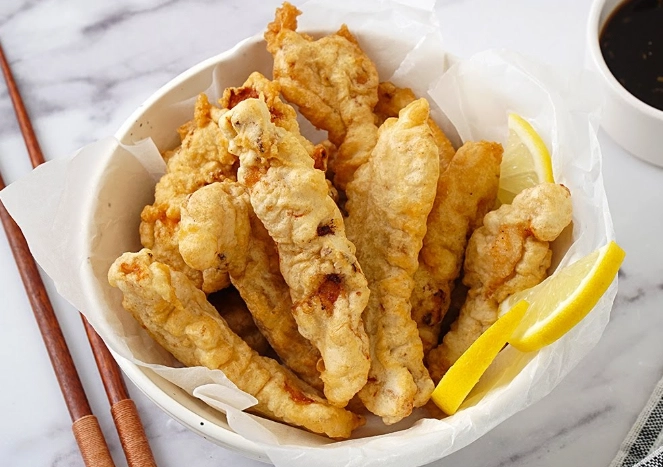
A Foolproof Classic Chicken Tempura Recipe
Let's make it. This recipe serves 2-3 as a main.
Ingredients:
- Chicken: 400g boneless, skinless chicken thighs, cut into 1.5-inch bite-sized pieces.
- For dredging: 3 tbsp potato starch or cornstarch (this creates a drier surface for the batter to cling to).
- Tempura Batter: 1 large egg yolk, 200ml ice-cold water, 100g all-purpose flour (chilled).
- For frying: 1 liter neutral oil with a high smoke point (canola, peanut, or vegetable oil).
- For serving: Tempura dipping sauce (Tentsuyu), grated daikon radish, grated ginger.
Steps:
1. Prep the Chicken: Pat the chicken pieces completely dry with paper towels. Moisture is the enemy of crispness. Lightly dust each piece with the potato starch, shaking off any excess. This is your "primer."
2. Make the Batter (AT THE LAST MINUTE): Heat your oil to 175°C (347°F). In a bowl, lightly beat the egg yolk with the ice-cold water. Don't create foam. Place the chilled flour in a separate, wide bowl. Just before frying, pour the cold wet mixture into the flour. Swirl and stir with chopsticks 10-15 times. It should look messy and lumpy.
3. Fry: Dip a piece of chicken into the batter, let excess drip off, and gently lower it into the oil. Fry 3-4 pieces at a time for about 4-5 minutes, turning once, until pale golden and puffed. The sound should be a steady, lively sizzle, not a violent splatter or a quiet simmer.
4. Drain and Serve Immediately: Transfer to a wire rack set over a tray. Sprinkle very lightly with sea salt. Serve within minutes with tentsuyu for dipping, a pile of grated daikon on the side to cut the richness.
Beyond the Classic: Creative Chicken Tempura Variations
Once you've mastered the basic technique, the world is your oyster (or, well, your chicken).
- Cheese-Stuffed Chicken Tempura: Wrap a small cube of mozzarella or a mild cheddar inside a thin slice of chicken before battering and frying. The ultimate molten surprise.
- Nanban-style Tempura: After frying, immediately toss the hot tempura in a sweet-and-sour vinegar-based "nanban" sauce. It soaks in slightly, creating a tangy, flavorful dish that's served cold or at room temperature.
- Tempura Chicken Katsu Sando: Use a large, thin chicken breast cutlet. Tempura-fry it, then place it between two slices of soft, crustless white bread with a swipe of tonkatsu sauce and shredded cabbage. A luxurious twist on the convenience store classic.
Where to Eat the Best Chicken Tempura: Tokyo & NYC Spots
Sometimes, you need to taste the benchmark. Here are places that do it right.
| Restaurant | Location | What Makes It Special | Price Point & Hours |
|---|---|---|---|
| Tempura Kondo | Ginza, Tokyo (9-8-8 Ginza, Chuo-ku) | Two-Michelin-starred temple of tempura. The chicken tempura is a course highlight—unbelievably light, served piece-by-piece. The batter is whisper-thin and perfectly seasoned. Reservations are essential and hard to get. | ¥20,000+ per person. Lunch & dinner seatings. Closed Sundays. |
| Tsunahachi | Shinjuku, Tokyo (Multiple branches, main store in Shinjuku) | A legendary, bustling tempura specialist since 1923. Their tori no tempura is a staple—reliable, crispy, and deeply satisfying. It's the quintessential "good tempura" experience without the Michelin price tag. | ¥2,000 - ¥4,000. Open 11:00-22:00. |
| Tempura Matsui | Murray Hill, New York City (222 E 39th St) | The first Michelin-starred tempura restaurant in NYC. An omakase-style counter experience. Their chicken tempura is a masterclass in control, with a featherlight crust that showcases the quality of the poultry. The ambiance is serene and focused. | $150-$250 omakase. Dinner only, Tuesday-Saturday. |
| Ootoya | Chelsea, New York City (8 W 18th St) | A reliable chain for authentic, home-style Japanese teishoku (set meals). Their chicken tempura set is a weekday warrior's dream—consistently well-executed, served with rice, miso soup, and pickles. It's not fancy, but it's genuinely good. | $18-$25. Open for lunch and dinner daily. |
For more inspiration on Tokyo's food scene, the Japan National Tourism Organization has excellent guides, and Michelin Guide is a trusted source for high-end recommendations.
Reader Comments