What's Inside This Guide
- Why Is Pan Frying Frozen Gyoza So Tricky (And So Popular)?
- The Foolproof, Step-by-Step Method
- Level Up: The Crispy Lacy Skirt (The Restaurant Secret)
- Your Burning Questions, Answered (The FAQ)
- Beyond the Basics: Pro Tips & Troubleshooting
- A Quick Guide to Different Frozen Gyoza Brands
- Let's Talk Safety and Quality
- Wrapping It All Up (Pun Intended)
Let's be real. We've all been there. You're tired after work, rummaging through the freezer, and that bag of frozen gyoza calls your name. It promises a quick, tasty dinner. But then the anxiety sets in. Will they stick to the pan? Will the bottom burn before the inside thaws? Will you end up with a sad, soggy mess instead of those perfect, crisp-bottomed dumplings you get at restaurants?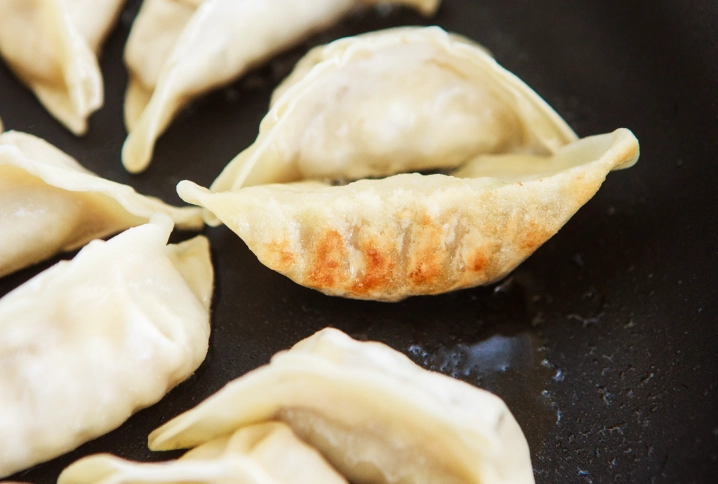
I've definitely created my share of gyoza failures. A fused-together block of dough and filling cemented to my non-stick pan comes to mind. Not pretty.
But after what feels like a hundred batches (and a few more ruined pans), I've cracked the code. Pan frying gyoza from frozen doesn't have to be a gamble. It's actually super simple once you understand the *why* behind each step. This isn't just a recipe; it's a foolproof method that works every single time, turning that freezer staple into a restaurant-worthy meal in under 15 minutes.
Why Is Pan Frying Frozen Gyoza So Tricky (And So Popular)?
First, understanding the enemy—or rather, the challenge—helps. A frozen gyoza is a little iceberg. You've got a cold, hard center wrapped in a dough that needs careful treatment. Applying high heat directly will scorch the outside while the inside remains frozen. The moisture from the ice crystals can also create a steamy layer that prevents browning, leading to pale, gummy dumplings.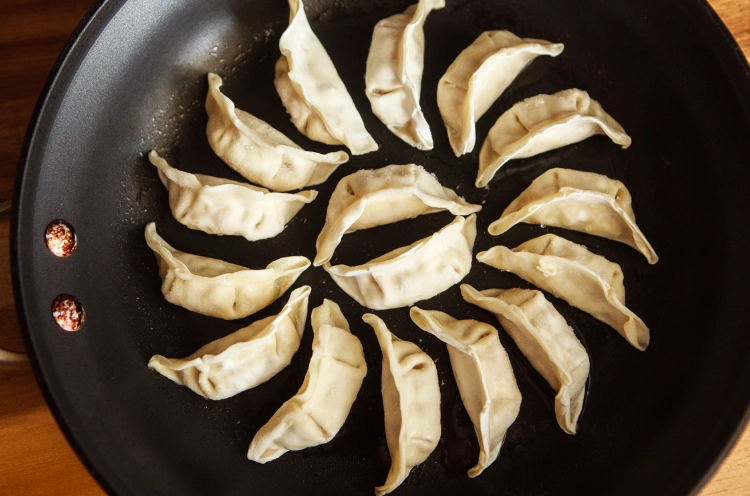
Yet, the desire to pan fry gyoza from frozen is huge because it's the ultimate convenience food. No need to thaw (which can make the wrapper soggy). No fussy pleating. Just straight from freezer to pan. When done right, it delivers that unbeatable textural contrast everyone craves.
The Foolproof, Step-by-Step Method
Forget the vague instructions on the back of the bag. They often say "pan fry until golden brown," which is about as helpful as saying "cook until done." Let's get specific.
What You'll Need (The Simple Setup)
- A good non-stick or well-seasoned carbon steel skillet. This is non-negotiable for beginners. Cast iron is great but retains heat so aggressively it's easier to burn. I love my non-stick for guaranteed no-stick results.
- A tight-fitting lid. A glass lid is best so you can spy on them.
- Neutral oil with a high smoke point. Canola, vegetable, or avocado oil. Olive oil can burn at the temps we need.
- Water. Just plain tap water.
- Optional: A mix of water and cornstarch or flour for an epic, lacy crispy skirt. More on this magic trick later.
Step 1: The Cold Start (No Preheating!)
This is the first big deviation from standard frying and your secret weapon. Do not preheat your empty pan.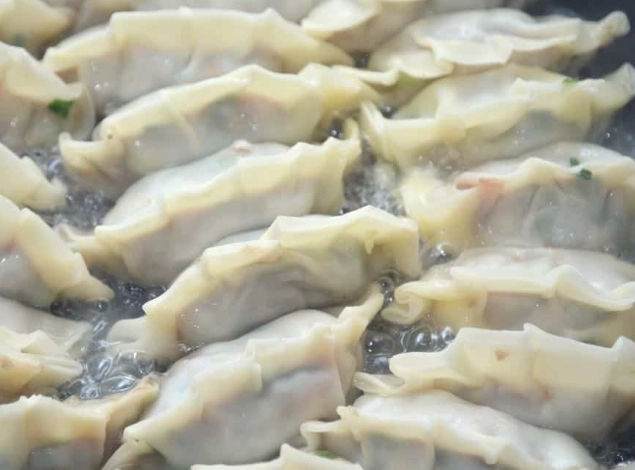
Place your cold pan on the stove. Add enough oil to just coat the bottom—about 1 to 1.5 tablespoons. Swirl it around. Now, arrange your frozen gyoza flat-side down (the flat side is usually the seam side) in a single layer. Don't crowd them. They shouldn't be touching. Give them a little personal space.
Step 2: The Sear & Sizzle
Only now do you turn on the heat. Set it to medium-high. Let the pan and the gyoza come up to temperature together. You'll hear them start to sizzle in about 2-3 minutes. Let them fry undisturbed for 3-4 minutes. Peek at one. You're looking for a deep golden-brown crust on the bottom. This direct heat is what creates that essential crispy texture.
Step 3: The Steam (The Magic Touch)
Here's the transformative step. Once the bottoms are beautifully browned, it's steam time. Have your lid ready.
Carefully pour in about 1/3 to 1/2 cup of water. It should come up about 1/4 inch in the pan, roughly halfway up the side of the dumplings. IMPORTANT: Pour the water down the side of the pan, not directly on top of the gyoza, to preserve the crispiness you just worked for.
Immediately clap the lid on tight. Reduce the heat to medium.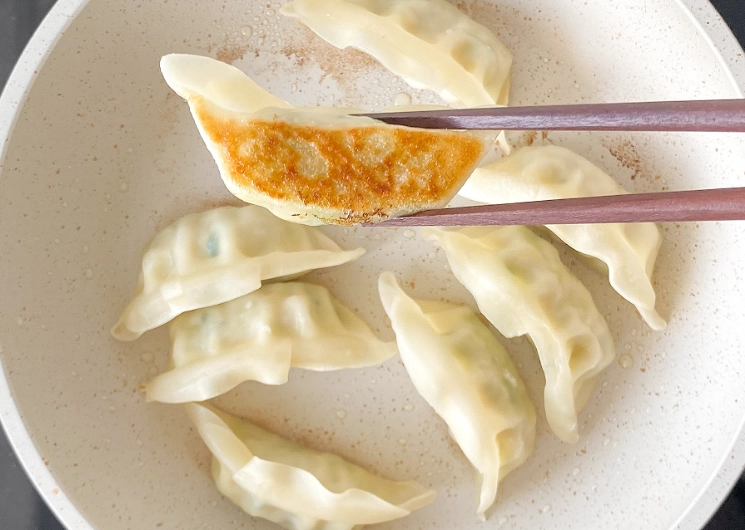
Let them steam for 6-8 minutes. This is the crucial phase where the hot steam penetrates the frozen dumpling, thoroughly cooking the filling and softening the wrapper without washing away the crispy base. The sound will change from a furious sizzle to a gentler simmer.
Step 4: The Final Crisp
After 8 minutes, lift the lid. Most of the water should be evaporated. If there's still a lot of water, let it cook uncovered for another minute. What you want is just a thin film of water/oil left.
Now, let them cook uncovered for another 1-2 minutes. This final fry re-crisps the bottom that may have softened slightly from the steam and ensures no sogginess.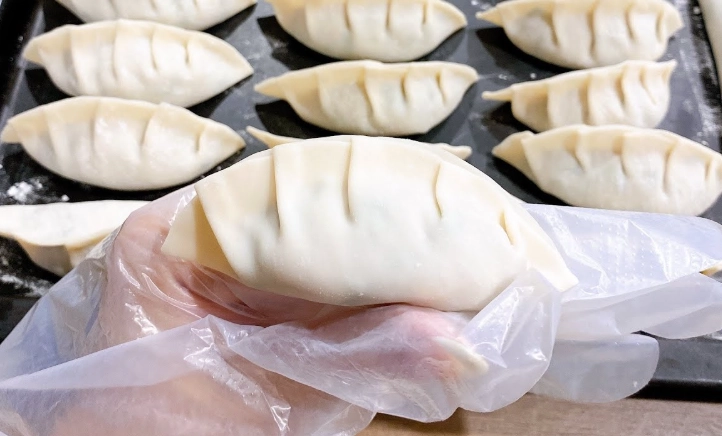
That's it. Slide them onto a plate, crispy side up. You've just successfully executed the classic pan fry gyoza from frozen method.
Level Up: The Crispy Lacy Skirt (The Restaurant Secret)
Want to go from great to mind-blowing? The iconic, web-like crispy skirt is easier than you think. The key is in the liquid you add for steaming.
Instead of plain water, mix:
- 1/2 cup water
- 1 teaspoon cornstarch OR all-purpose flour
- 1 teaspoon oil (from the pan is fine)
Whisk it until smooth. After browning the gyoza bottoms, pour *this mixture* into the pan and cover. The starch in the slurry cooks and fries in the remaining oil after the water evaporates, creating that gorgeous, delicate, crispy lattice that connects all the dumplings. When you flip the whole thing onto a plate (carefully!), it's a showstopper.
Your Burning Questions, Answered (The FAQ)
Let's tackle the common hurdles head-on.
No. Absolutely not. In fact, I recommend against it. Thawing can make the wrappers wet and sticky, causing them to tear easily when you handle them. Going straight from freezer to pan is the way. The steam phase is designed to cook them through from frozen.
Sticking usually boils down to three things: 1) The pan wasn't clean (even a tiny food particle can cause sticking), 2) The heat was too high too fast (seizing the wrapper to the metal), or 3) You moved them too early. Let them form a crust before you even think about nudging them. Following the cold-start method above solves 90% of sticking issues.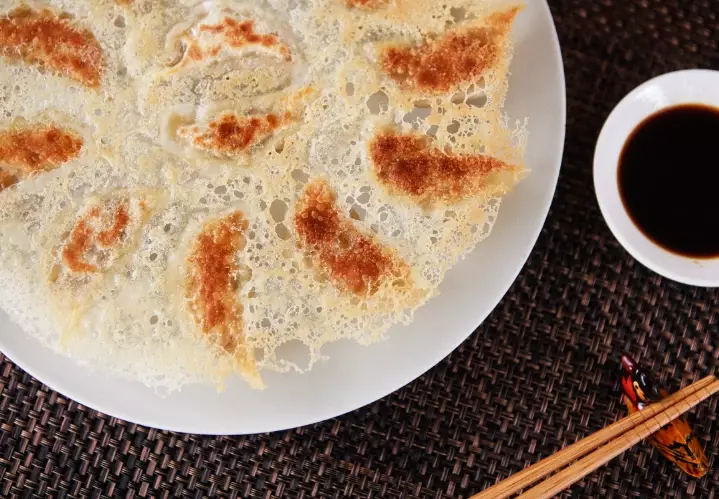
Enough to create a good burst of steam, about 1/3 to 1/2 cup for a standard 10-inch skillet. It should sizzle dramatically and come up about a quarter to halfway up the dumplings. Too little, and they won't steam through. Too much, and you'll boil them, losing the crisp base. If in doubt, start with 1/3 cup.
Yes! This pan fry from frozen technique works for potstickers, mandu, pierogi, and even frozen ravioli in a pinch. The principle is the same: crisp, then steam. Cooking times may vary slightly based on thickness.
This is often from too much heat too soon, causing the frozen filling to expand rapidly and burst the seam. The cold-start method helps. Also, ensure you're not poking or moving them aggressively during the initial fry. A gentle hand is key.
Beyond the Basics: Pro Tips & Troubleshooting
- The Lid Check: If you're unsure if they're steamed through, you can quickly poke one with a fork or skewer. The filling should be piping hot. If not, add another tablespoon of water and steam for 1-2 more minutes with the lid on.
- The Oil Slick: After adding water, you'll see oil droplets on the surface of the water. That's good! That oil will be what re-fries the bottoms in the final stage.
- The Soundtrack: Learn to listen. A fierce, sputtering sizzle means there's still water frying off. A quieter, steady crackle means you're in the final crisping stage.
- The Dipping Sauce: Don't forget this! A simple mix of soy sauce, rice vinegar, a dash of sesame oil, and some chili crisp or sliced scallions elevates everything. The Maangchi website, a fantastic resource for Asian cooking, has some great dipping sauce ideas that pair perfectly.
A Quick Guide to Different Frozen Gyoza Brands
Not all frozen gyoza are created equal. The wrapper thickness and filling size can vary. Here’s a little cheat sheet based on what I've tried. Your mileage may vary, but it's a good starting point.
| Brand / Type | Wrapper Note | My Recommended Adjustment |
|---|---|---|
| Typical Japanese-style (e.g., Ajinomoto) | Thinner, more delicate wrapper. | Be extra gentle. Stick to medium heat (not medium-high) after the initial sizzle to prevent burning. Steam time: 6 mins. |
| Typical Korean-style Mandu | Often a bit thicker, heartier wrapper. | They can handle a slightly higher heat. You might need an extra minute of steaming (7-8 mins) to ensure the thicker wrapper and filling are cooked through. |
| Store-Brand / Generic | Quality varies wildly. Often thicker-skinned. | Assume they need the full 8 minutes of steam. The cornstarch slurry trick works wonders here to add texture. |
| Vegetable-Filled Gyoza | Filling cooks faster than meat. | Reduce steam time slightly to 5-6 minutes to avoid mushy vegetables. The sear is extra important for texture. |
See? It's not one-size-fits-all, but the core method adapts easily.
Let's Talk Safety and Quality
Since we're cooking from frozen, ensuring the filling reaches a safe internal temperature is important, especially for meat or poultry fillings. The USDA recommends an internal temperature of 165°F (74°C) for poultry. While it's hard to temp a tiny dumpling, the 6-8 minute steam cycle from a hot pan is generally sufficient to bring a frozen dumpling to a safe temperature if your heat is correct. If you're ever unsure, sacrifice one dumpling to cut it open and check that the center is steaming hot and the meat is no longer pink. For more detailed food safety guidelines on cooking frozen foods, you can always refer to the USDA Food Safety and Inspection Service website.
Also, the quality of your frozen gyoza matters. Read the ingredients. The best ones have recognizable ingredients and aren't loaded with fillers. A good filling should have texture, not be a uniform paste.
Wrapping It All Up (Pun Intended)
So, the next time you stare into the freezer, don't see a bag of potential kitchen disaster. See an opportunity for a quick, delicious, and impressively textured meal. The method for how to pan fry gyoza from frozen is simple: cold start, crisp, steam, re-crisp. Remember that.
It's a technique that rewards a little patience and observation. Don't just set a timer and walk away. Stay nearby, listen, and peek. Before long, you'll develop a feel for it. You'll know exactly when to add the water just by the color of the crust, and you'll know they're done by the sound they make.
I still mess up occasionally—we all do. Sometimes I get distracted and the bottoms get a little too dark. But even those "mistakes" are usually still delicious. The beauty of this method is its forgiveness and consistency.
Now go forth, open that freezer, and make some perfect, crispy-bottomed magic. Your future self, enjoying a plate of golden dumplings with a perfectly balanced dipping sauce, will thank you.
Reader Comments