Quick Guide
Let's be honest. Most chicken soup recipes are, well, kind of boring. You boil a bird, throw in some carrots and celery, and call it a day. It's fine when you're sick, but it's not something you crave. That was me, until I completely botched a recipe and accidentally created what my friends now demand I make every time it rains: my ginger miso chicken soup.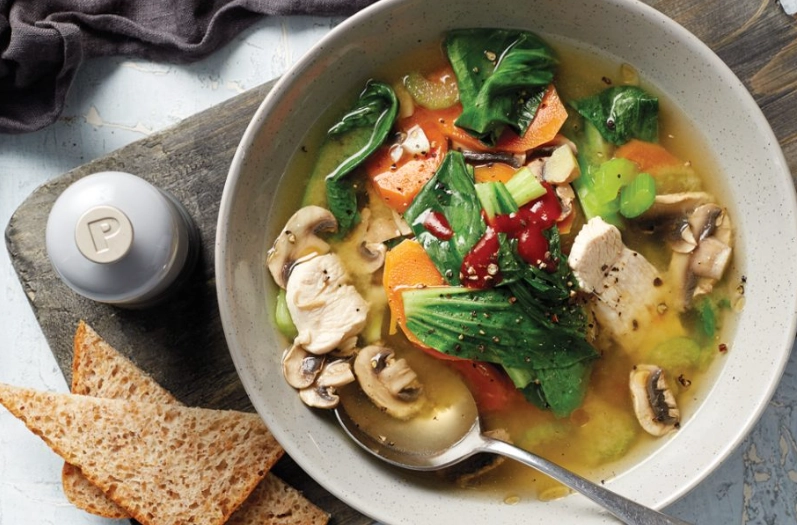
This isn't just soup. It's a hug in a bowl. It's the thing you make when you need warmth from the inside out. The ginger gives it a clean, sharp kick that wakes everything up, while the miso adds this deep, savory, almost buttery richness that regular broth just can't match. The chicken becomes unbelievably tender. It's comfort food, but it also makes you feel good after eating it, not sluggish.
I'm going to walk you through exactly how to make it, but more importantly, I'll explain the why behind each step. Why use this type of miso? Why add ginger at two different times? Why is my method for the chicken a bit unorthodox? Get these things right, and you'll have a ginger miso chicken soup that's your new secret weapon.
Gathering Your Arsenal: What You Really Need
You can't build a great house without good bricks, and you can't make great ginger miso chicken soup without understanding your ingredients. This isn't a fussy list, but each component plays a starring role.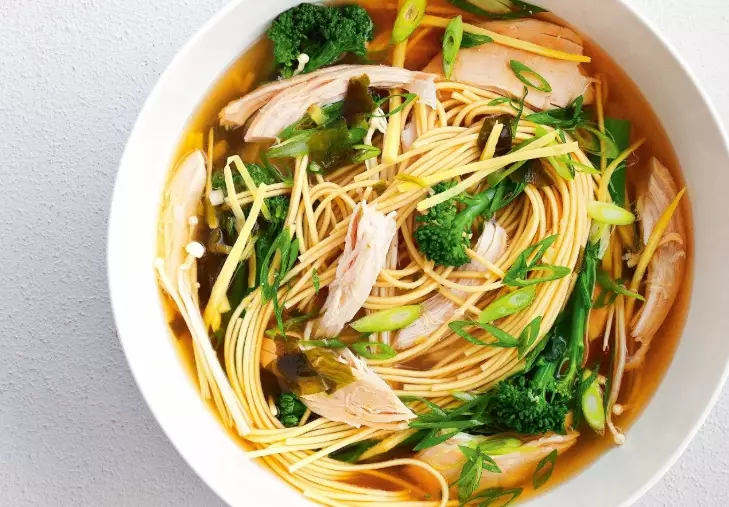
The Core Trio: Chicken, Miso, Ginger
Chicken: Forget boneless, skinless breasts for this. You want flavor, and that comes from bones, skin, and connective tissue. I strongly recommend using a mix. Get a whole chicken and cut it up, or use a pack of chicken thighs (bone-in, skin-on for maximum flavor). The dark meat stays juicier. You'll shred it later, so don't worry about perfect pieces. If you're in a pinch, a good quality store-bought rotisserie chicken can work for the meat, but you'll miss out on the incredible homemade broth.
Miso Paste: This is where people get nervous. Walk into any decent grocery store or Asian market, and you'll see a dozen types. For ginger miso chicken soup, you want white (shiro) miso or yellow (awase) miso. White miso is milder, sweeter, and fermented for a shorter time. Yellow miso is a bit stronger and saltier. Both are perfect. Avoid red (aka) miso for your first try—it's very strong and salty and can overpower the other flavors. I usually use yellow because I like the deeper taste. The Japan Miso Promotion Board has fantastic resources on the different varieties and their uses.
Ginger: Fresh. Non-negotiable. You need a knobbly hand of fresh ginger root. Powdered ginger will taste dusty and flat here. You'll use it two ways: smashed for the broth (to infuse) and finely grated or minced at the end (for a bright, pungent finish).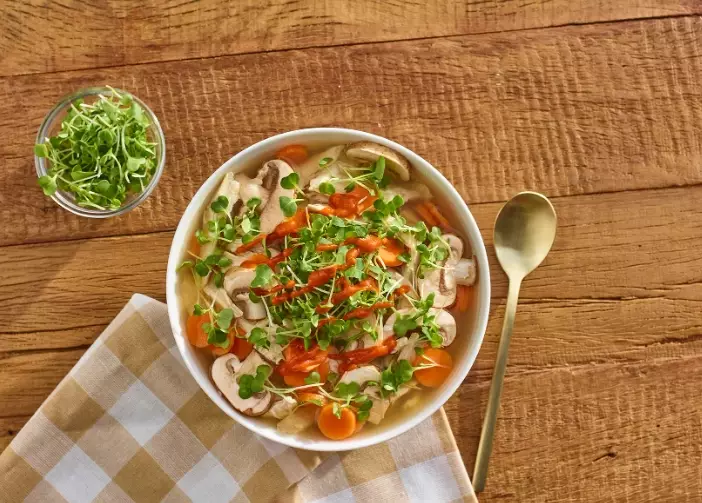
The Supporting Cast (Don't Skip These)
Aromatics: Onion and garlic are your base. I like a yellow onion for sweetness. A few cloves of garlic, smashed, do wonders.
Vegetables: Keep it simple. Carrots and celery are classics for a reason—they add a sweet, earthy foundation. Mushrooms are a game-changer. Shiitake mushrooms, if you can find them, add an incredible umami depth that pairs perfectly with the miso. Regular button mushrooms work too.
Seasoning & Finishers: Soy sauce or tamari (just a splash), a touch of rice vinegar or a squeeze of lime at the end to brighten everything up. Green onions and a sprinkle of sesame seeds for serving make it look and taste restaurant-quality.
| Ingredient | Why It's Here | Pro Tip / Substitution |
|---|---|---|
| Chicken (bone-in, skin-on thighs) | Provides rich, gelatinous broth and tender, flavorful meat. | Use a whole chicken, or for quickness, a rotisserie chicken + store-bought low-sodium broth. |
| White or Yellow Miso Paste | The soul of the soup. Adds complex umami, salt, and body. | Do NOT boil miso! It kills its beneficial enzymes and flavor. Stir in off heat. |
| Fresh Ginger Root | Adds spicy warmth, aids digestion, and brightens the soup. | No fresh? Don't make the soup. Freeze leftover ginger for next time. |
| Shiitake Mushrooms | Boosts umami to insane levels, great meaty texture. | Dried shiitakes (rehydrated) work even better—use the soaking liquid in the broth! |
| Soy Sauce / Tamari | Deepens color and saltiness, complements miso. | Use tamari for gluten-free. Start with 1 tbsp, you can always add more. |
| Rice Vinegar / Lime Juice | The secret weapon. A tiny bit at the end makes all flavors "pop." | About 1 tsp of vinegar or a big squeeze of lime per bowl. |
The Method: Building Flavor, Layer by Layer
This is where most recipes just say "put everything in a pot." That's a mistake. You build a ginger miso chicken soup like you're painting—layers of color and texture.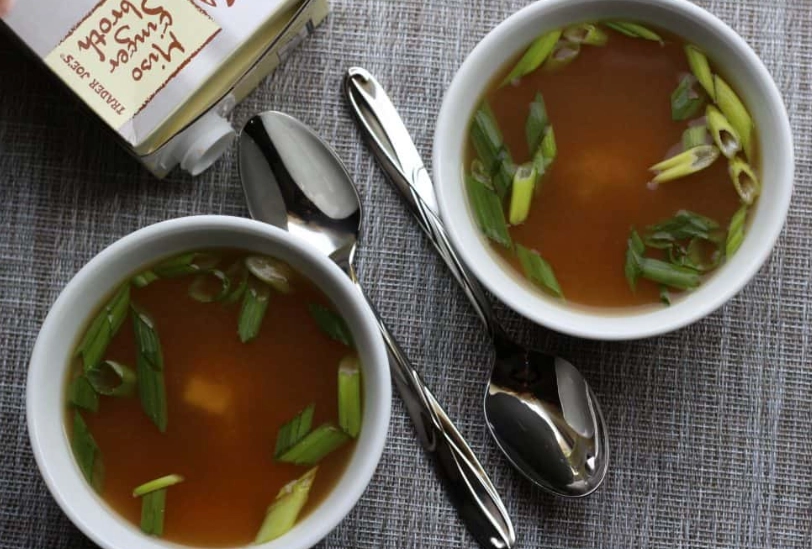
Step 1: The Foundation (The Broth)
If you're using raw chicken, start by browning it. Don't skip this. Take your chicken pieces, pat them dry, and sear them in your soup pot with a little oil until the skin is golden brown. This isn't to cook it through, it's to create fond—those delicious brown bits at the bottom of the pot. That's pure flavor. Remove the chicken, and in the same pot, toss in your chopped onion, carrots, and celery. Let them sweat and soften for 5-7 minutes. They'll pick up all that chicken flavor.
Now, add back the chicken, cover everything with cold water (about 10-12 cups for a standard pot), and throw in a big piece of smashed ginger and your garlic. Bring it to a very gentle simmer. Not a rolling boil. A few bubbles breaking the surface. Boiling makes the broth cloudy and can make the chicken tough. Let it barely whisper for about 45 minutes to an hour. Skim off any foam that rises at the beginning—it's just impurities and makes for a cleaner taste.
Step 2: The Transformation (Adding the Magic)
Once your chicken is cooked and tender, pull it all out. Let it cool slightly so you can handle it, then shred all the meat off the bones. Discard the skin, bones, and the big piece of ginger you used for simmering. Its job is done.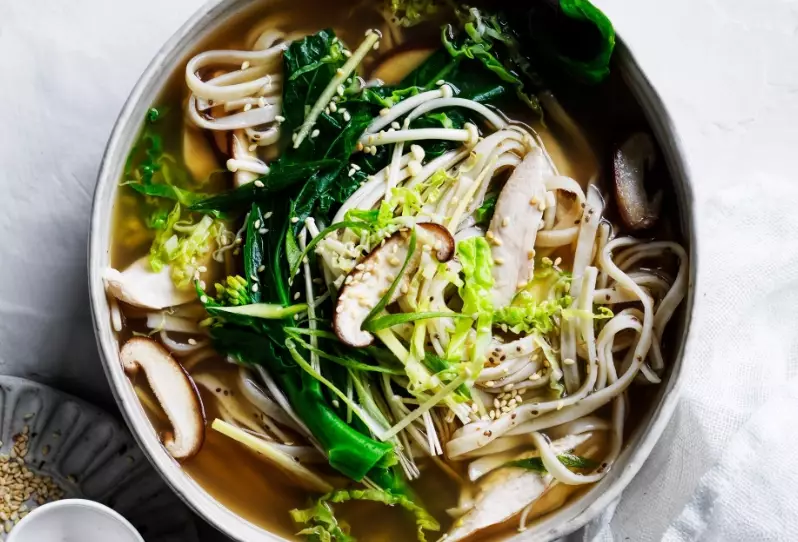
Strain your broth through a fine-mesh sieve into a clean pot or large bowl. You want that beautiful, clear liquid. This is your blank canvas. Return the clear broth to the pot.
Here's the critical part for the ginger miso chicken soup flavor. Bring the strained broth back to a gentle heat. Add your sliced mushrooms and let them cook for 5 minutes. Now, turn off the heat. Take about a cup of the hot broth and put it in a small bowl. To this, you'll add your miso paste—about 3-4 tablespoons for a large pot. Whisk it vigorously until it's completely dissolved and smooth. If you just plop miso into the big pot, you'll get clumps. Nobody wants miso clumps. Pour this slurry back into the big pot and stir. The residual heat is enough to incorporate it without boiling.
Step 3: The Finish Line (Bringing It All Together)
Now, add the shredded chicken back to the pot. Stir in a tablespoon of soy sauce. Here's where you add your fresh ginger—about a tablespoon of finely grated or minced ginger. This gives you that bright, upfront ginger flavor that the simmered ginger can't provide. Taste. Does it need more salt? A tiny bit more soy sauce. Does it feel flat? A teaspoon of rice vinegar or a squeeze of lime juice will work miracles.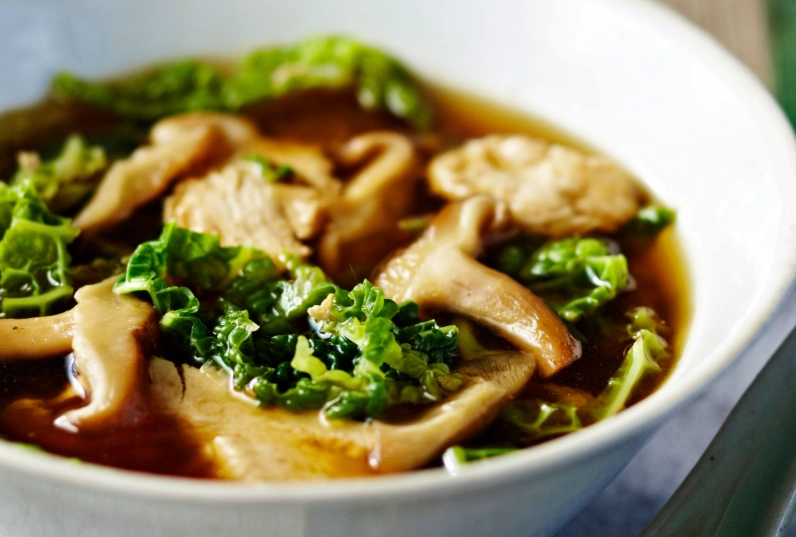
And that's it. Your ginger miso chicken soup is ready. Ladle it into bowls and top with sliced green onions and maybe a tiny sprinkle of sesame seeds or a drizzle of toasted sesame oil.
Why This Soup is More Than Just Dinner
Okay, it tastes amazing. But why do I feel so good after eating it? It turns out, this isn't just in my head. Each main ingredient brings something to the wellness table.
Chicken Broth: Long touted as "Jewish penicillin," there's some science behind the comfort. Homemade broth is rich in minerals like calcium and magnesium and contains gelatin from the bones, which can aid in gut health. It's also incredibly hydrating and easy to digest when you're under the weather.
Ginger: This root is a rockstar. It contains gingerol, a compound with powerful anti-inflammatory and antioxidant effects. Numerous studies, including research summarized by the National Center for Complementary and Integrative Health, suggest ginger is highly effective at reducing nausea and may help with muscle pain and osteoarthritis. That warming feeling? It's promoting healthy circulation.
Miso: A fermented food, miso is packed with probiotics that support a healthy gut microbiome. A healthy gut is linked to everything from improved immunity to better mood. Miso is also a source of essential minerals and B vitamins. It's worth noting that while miso is high in sodium, you're typically using a few tablespoons diluted in a large pot of soup, so the sodium per serving is manageable.
Your Ginger Miso Soup Questions, Answered
I've made this soup a hundred times, and I've gotten every question imaginable. Here are the big ones.
Taking It Further: Variations to Try
Once you've mastered the basic ginger miso chicken soup, the world is your oyster (or, well, your soup pot).
- The Citrus Zing: Add a few wide strips of lemon or yuzu peel to the broth while simmering, and finish with a squeeze of juice.
- The Spicy Kick: Add a thinly sliced Thai bird's eye chili or a spoonful of gochujang (Korean chili paste) when you add the fresh ginger.
- The Greens Boost: Stir in a couple handfuls of baby spinach or chopped kale right at the end, just until wilted.
- The Coconut Twist: For a Thai-inspired version, use coconut milk for half of the water/broth and add a stalk of lemongrass while simmering.
Honestly, the basic recipe is so solid you don't need to change a thing. But it's fun to play.
The Final Sip
This ginger miso chicken soup recipe is my go-to for a reason. It’s forgiving (except with the miso boiling rule—don’t break that one). It feels fancy but is built from humble ingredients. It makes your house smell incredible. And it delivers on its promise: deep, savory comfort with a clean, gingery finish that leaves you feeling nourished, not just full.
The first time I made it, I was just trying to use up some leftover miso. Now, it’s a ritual. A pot of this on the stove means someone needs taking care of, even if that someone is just me after a tough week. It’s the culinary equivalent of a weighted blanket.
So grab a pot, get that ginger, and give it a try. Don't just follow the steps—taste as you go. Adjust the ginger, the miso, the acid until it sings to you. Make this ginger miso chicken soup your own. I promise, your future self on a chilly evening will thank you.
Reader Comments