Quick Guide
I remember the first time I saw tamago sushi on a conveyor belt. It looked so different from the glistening pink salmon or the deep red tuna. It was this sweet, golden-yellow, almost cake-like rectangle perched on a little bed of rice. My friend, who was new to sushi, pointed at it and asked the million-dollar question: "Is tamago sushi raw? It looks cooked, but I'm not sure." And you know what? That's a fantastic question, and one that pops up way more often than you'd think.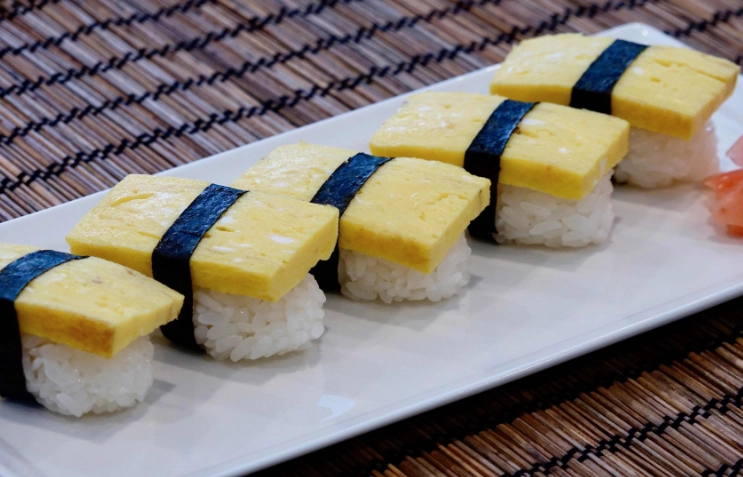
It's a gateway sushi for many people. The one you point to when you're not ready for the "fishier" options. But that doesn't make its origin any less mysterious. So, let's settle this once and for all. Is tamago sushi raw? The short, no-nonsense answer is a resounding no. Not even a little bit. But the *why* behind that answer, and what tamago sushi actually is, is a much sweeter and more interesting story. It's a story about Japanese culinary technique, comfort food, and a perfect entry point into a vast cuisine.
Quick Takeaway: If you're worried about eating raw fish, you can absolutely relax with tamago. The core ingredient—the egg—is fully cooked through a specific Japanese method. The question "Is tamago sushi raw?" stems from its placement among other sushi, but it's the outlier, the fully-cooked friend in a sea of raw delicacies.
What Exactly Is Tamago Sushi?
Before we dive deeper into the "raw or not" debate, we need to understand what we're actually talking about. "Tamago" (卵 or 玉子) simply means "egg" in Japanese. So, tamago sushi is, at its heart, egg sushi. But calling it just "egg sushi" is like calling a soufflé just "baked eggs"—it misses the artistry completely.
The star of the show is tamagoyaki (卵焼き), which translates to "grilled/fried egg." This is a specific type of Japanese rolled omelet. It's not your fluffy, American-style diner omelet. It's denser, slightly sweet, and has a layered, almost custardy texture. This tamagoyaki is then sliced into neat rectangles and placed atop a small hand-formed ball of vinegared rice (shari), sometimes with a thin strip of nori (seaweed) to bind it. That's your tamago nigiri.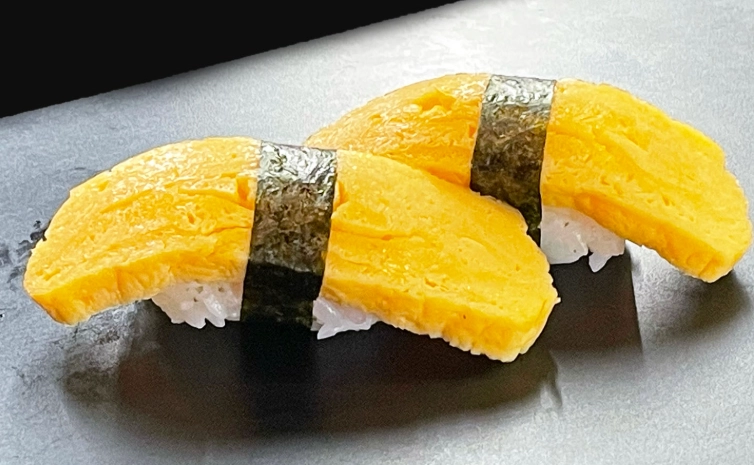
Sometimes you'll see it as a topping in a chirashi bowl (scattered sushi), or even as a filling in some rolled maki. But the nigiri form is the classic. The taste is subtly sweet, thanks to ingredients like mirin (sweet rice wine) and sugar, and it has a soft, firm texture that contrasts beautifully with the slightly tart rice.
The Art of Making Tamagoyaki: Why It Can't Be Raw
This is where the magic happens and where the question "Is tamago sushi raw?" gets definitively answered. Making tamagoyaki is a skill that sushi chefs (itamae) practice for years. They use a special rectangular pan called a makiyakinabe.
The process is a patient layering technique. A thin layer of the egg mixture (eggs, dashi stock, soy sauce, mirin, sugar, and sometimes a bit of rice vinegar or sake) is poured into the hot, oiled pan. Just as it sets, the chef rolls it up to one end of the pan. Then, another thin layer of egg is poured into the empty space, allowed to set slightly, and the existing roll is rolled back over the new layer to incorporate it. This is repeated multiple times—sometimes 4, 5, or even more layers.
Think about that. Each layer is cooked through before the next one is added. The entire log is then pressed into its signature rectangular shape, often using a bamboo mat, and allowed to cool before slicing. Every single cubic millimeter of that egg has been exposed to heat. There is zero rawness involved. In fact, achieving the perfect consistency—firm yet moist, sweet but not cloying—requires precise control of that heat.
Chef's Secret: The sweetness level can vary. In high-end sushi restaurants (sushiya), the tamagoyaki is often less sweet and more savory, focusing on the umami from the dashi. At more casual or conveyor belt spots, it tends to be sweeter, almost dessert-like, which is why it's such a hit with kids and beginners.
Tamago vs. Other Sushi: A "Raw-ness" Comparison
This might be the best way to visualize why tamago stands apart. Let's put it in a simple table. When someone asks "Is tamago sushi raw?", showing them this context makes it crystal clear.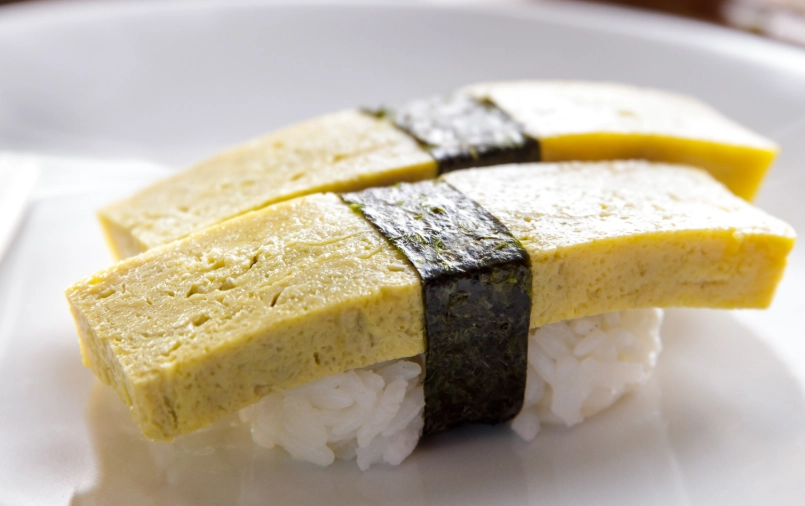
| Sushi Type | Main Ingredient | Typical Preparation | Answer to "Is it raw?" | Notes |
|---|---|---|---|---|
| Tamago Nigiri | Egg (Tamagoyaki) | Layered and fully cooked omelet | NO | The cooked exception. Sweet, firm texture. |
| Maguro (Tuna) Nigiri | Bluefin or Yellowfin Tuna | Sliced fresh, served raw | YES | The classic raw sushi experience. |
| Sake (Salmon) Nigiri | Salmon | Sliced fresh, often served raw | YES | Sometimes cured or lightly seared (aburi). |
| Ebi (Shrimp) Nigiri | Shrimp/Prawn | Typically boiled until cooked through | NO | Another cooked option, but savory, not sweet. |
| Unagi (Freshwater Eel) Nigiri | Eel | Grilled and glazed with sauce (kabayaki) | NO | Always cooked. Rich, sweet, and savory. |
| California Roll | Imitation Crab, Avocado, Cucumber | Imitation crab is cooked, veggies are raw | MOSTLY NO | A Western invention with mostly cooked ingredients. |
See? Tamago sushi sits firmly in the "cooked" column, alongside ebi and unagi. It's part of a small but important club. This table also highlights why the question about tamago being raw is so common—it's visually surrounded by raw fish on a sushi menu or platter, creating a natural point of confusion.
The Top Reasons People Love Tamago Sushi (And Why It's a Safe Bet)
So, if it's not the thrill of eating something raw, what's the appeal? Let me break it down, and you'll see why it's often my recommended first bite for newcomers.
- Zero "Fishy" Taste: This is the big one. The flavor profile is gentle, slightly sweet, and eggy—comforting and familiar. It doesn't challenge the palate the way a piece of mackerel (saba) might.
- Textural Comfort: The texture is uniformly soft and firm, with no chewiness, sliminess, or unexpected bits. For those wary of texture, it's a safe harbor.
- Inherent Safety: Because we've established that tamago sushi is not raw, the food safety concerns associated with consuming raw seafood (like parasites, though rare in sushi-grade fish) are completely absent. The eggs are cooked through, eliminating that risk factor. You can find more on general food safety principles for eggs from resources like the U.S. Food Safety website.
- A Touch of Sweetness: That hint of sugar and mirin makes it feel like a little treat, a palate cleanser even, between richer, fattier pieces of fish.
- The Chef's Test Piece: In the sushi world, there's an old saying that you can judge a sushi chef by their tamagoyaki. Making a perfect, consistently layered, and flavorful one requires immense skill and patience. Ordering it is a subtle nod to appreciating the craft.
It's the sushi equivalent of a warm blanket.
Addressing Your Burning Questions About Tamago Sushi
Alright, we've covered the basics. But I know you. You've got more specific questions bubbling up. I did too. Let's tackle some of the most common ones head-on.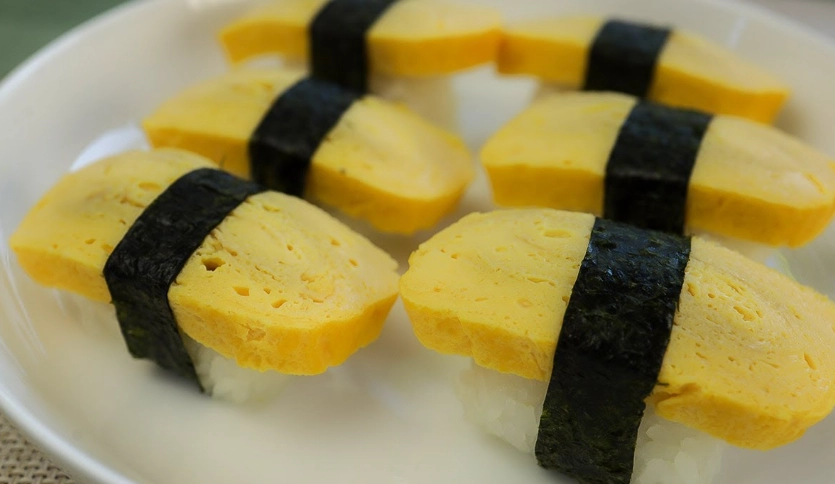
If it's cooked, is it still "real" sushi?
This is a fun philosophical debate. Purists might argue that the pinnacle of sushi is about showcasing the pristine, natural flavor of raw seafood. But that's a narrow view. Sushi, at its core, is about the seasoned rice (shari). The topping (neta) can be a vast array of things—raw fish, cooked fish, egg, vegetables, even fermented soybeans (natto). Tamago has been a part of sushi menus for well over a century. The Japanese Ministry of Agriculture, Forestry and Fisheries (MAFF) even highlights egg dishes as part of Japan's diverse culinary culture. So yes, it's absolutely "real" sushi. It's a classic, beloved component of the tradition.
I have an egg allergy. Can I eat tamago sushi?
Absolutely not. This is critical. Tamagoyaki is made primarily from eggs. If you have an egg allergy, tamago sushi is 100% off-limits. Always inform your server of any allergies. Cross-contamination in a busy sushi kitchen is also a risk, so be very clear about the severity of your allergy.
Is the egg in tamago sushi runny at all?
No, and a good tamagoyaki should never be runny. The goal is a firm, custard-like consistency that holds its shape when sliced and picked up. A runny center would indicate undercooking, which is not the standard technique. So, when wondering "is tamago sushi raw in the middle?"—the answer is still no. The layers ensure even cooking throughout.
Why does it sometimes taste so different from one restaurant to another?
Welcome to the beautiful variation of cooking! The ratio of egg to dashi, the amount of sugar and mirin, the number of layers, and the cooking time all change the final product. A high-end sushi-ya might use a richer dashi and less sugar, aiming for elegant umami. A kaitenzushi (conveyor belt) might make it sweeter and more uniform for mass appeal. Some even add a bit of grated mountain yam (nagaimo) for a fluffier texture. It's part of the adventure.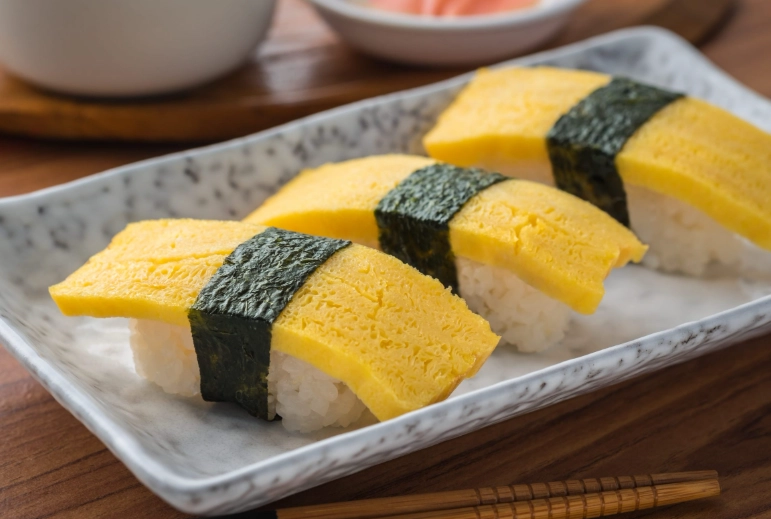
Can I make it at home safely?
You can! And it's a great way to prove to yourself that tamago sushi is not raw. Making tamagoyaki at home is a fun challenge. You don't necessarily need the special rectangular pan; a small non-stick skillet can work. The key is using fresh eggs and cooking each layer fully before adding the next. It's a surefire way to see the thorough cooking process firsthand. There are fantastic step-by-step guides from reputable cooking resources that can walk you through it.
The Verdict: Your Go-To Guide for Ordering
Let's wrap this up with some straight-to-the-point advice. Next time you're at a sushi bar, here’s what you should know.
- For Sushi Beginners: Tamago is your best friend. Order it first. It's a gentle, delicious introduction to the form of nigiri without any intensity. It answers the "is tamago sushi raw" worry with a comforting "no."
- For the Adventurous Eater: Don't skip it! Try it as a mid-meal palate cleanser. Appreciate the technique. Compare the tamago at different restaurants—it's a subtle way to gauge the kitchen's skill level.
- For Parents: This is often called "kids' sushi" for a reason. Most children adore the sweet, familiar egg flavor. It's a perfect way to get them interested in Japanese food.
- For the Health-Conscious: It's still sushi rice, so be mindful of carbs. The egg provides protein, but the recipe does include sugar. It's not the lightest option on the menu (that's probably sashimi), but it's a wholesome cooked choice.
So, the next time you or a friend looks at that sunny yellow block and wonders, "Is tamago sushi raw?" you can smile and give the full story. No, it's not raw. It's a meticulously crafted, fully cooked Japanese rolled omelet, a testament to skill, and one of the most accessible and comforting bites in the entire world of sushi. It's proof that sushi isn't just about the raw fish—it's about harmony, technique, and finding something for everyone. Now go ahead, order that piece with confidence.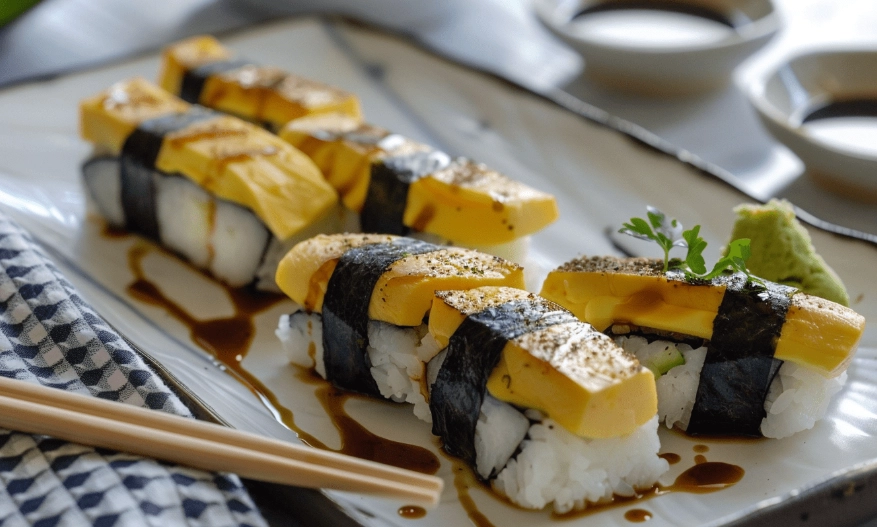
Honestly, writing this makes me crave a piece right now. The subtle sweetness, the soft layers against the vinegared rice... it's a simple pleasure that never gets old. Maybe that's the real truth about tamago sushi.
Reader Comments