Your Sauce Journey at a Glance
Let's be honest for a second. How many times have you spent an hour carefully pleating beautiful homemade gyoza, pan-frying them to crispy, golden perfection, only to ruin the experience by dipping them in some sad, store-bought sauce that tastes like salty water with ambitions? I've been there. More times than I'd like to admit. The dumplings deserve better. You deserve better.
That's why getting your gyoza sauce recipe right isn't just a side note; it's half the battle. A great sauce doesn't just add moisture, it adds a whole new dimension—balancing the rich, savory filling with acidity, umami, and a touch of heat. It can elevate a good dumpling to a memorable meal.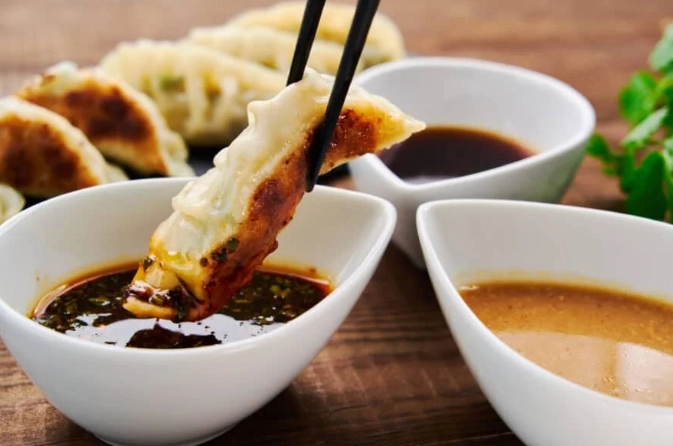
So, whether you're a potsticker novice or you've been folding gyoza for years, this guide is your deep dive into the world of dipping. We're going beyond the basic mix of soy and vinegar. We'll build the classic, authentic foundation, then play with it—spicy versions, sweet versions, even a killer vegan gyoza dipping sauce. I'll share the mistakes I've made (like the time I used balsamic vinegar... don't ask) and the little tweaks that make all the difference.
The Foundation: Deconstructing the Classic Gyoza Sauce
Before we start throwing ingredients together, it helps to understand what each one brings to the party. Think of a classic gyoza sauce recipe as a perfect quartet.
Soy Sauce: The backbone. It provides saltiness and deep, fermented umami. Not all soy sauces are created equal. For dipping, I prefer a Japanese soy sauce (shoyu) like Kikkoman or Yamasa. It's generally less aggressive and more balanced than some Chinese dark soy sauces, which can be overpowering for a delicate dip. The Japanese Ministry of Agriculture, Forestry and Fisheries even has pages detailing traditional Japanese foodstuffs, highlighting the cultural importance of ingredients like soy sauce.
Rice Vinegar: The brightener. This is the key to cutting through the fat of the fried dumpling. It adds a clean, mild acidity. Unseasoned rice vinegar is what you want. Seasoned rice vinegar has added sugar and salt, which will throw off your balance.
Sesame Oil (Toasted): The aroma. Just a few drops. This isn't a major flavor component by volume, but it provides that unmistakable, nutty fragrance that screams "Asian cuisine." Do not use plain sesame oil. The toasted version is non-negotiable here.
Rayu (Chili Oil) or Chili Flakes: The spark. This is optional but highly recommended. A little heat complements the other flavors beautifully. Rayu, which is chili-infused oil, adds both spice and a silky texture.
That's it. Four ingredients. The magic is in the ratio. The most common starting point you'll see is a 1:1 ratio of soy sauce to rice vinegar. And honestly, that's a solid, serviceable potsticker sauce. But I find it can be a bit sharp. After years of tweaking, my personal sweet spot leans a little differently.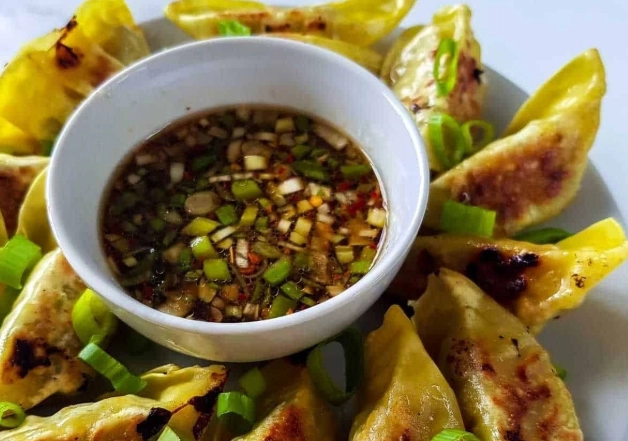
My Go-To, Never-Fail Classic Gyoza Sauce Recipe
This is the blueprint. Memorize this, and you can make it in your sleep.
- 3 parts Japanese Soy Sauce (that's 3 tablespoons if you're starting small)
- 2 parts Unseasoned Rice Vinegar (2 tablespoons)
- 1 part Water or Dashi (1 tablespoon) – This is my secret weapon! It dilutes the intensity just enough, making the sauce more sip-able and letting the umami shine. Plain water works, but if you have dashi (Japanese soup stock) on hand, use it. It adds a subtle layer of savory depth. A great resource for understanding dashi can be found on sites like Just One Cookbook, which focuses on authentic Japanese recipes.
- A few drops of Toasted Sesame Oil (start with ¼ teaspoon)
- Rayu or Chili Flakes to taste (I do about ½ teaspoon of rayu)
- Optional: A tiny pinch of sugar (seriously, just a pinch. It's not for sweetness, but to harmonize the salty and sour notes.)
How do I actually make it? It could not be simpler. Find a small bowl. Add all the ingredients. Whisk with a fork or chopsticks. Taste. That's it. No cooking required. The key is to taste. Dip a clean spoon in. Is it too salty? Add a tiny splash more water or vinegar. Not bright enough? More vinegar. Missing that "something"? Maybe another drop of sesame oil. Adjust to your tongue.
This basic formula is your canvas. Now let's start painting.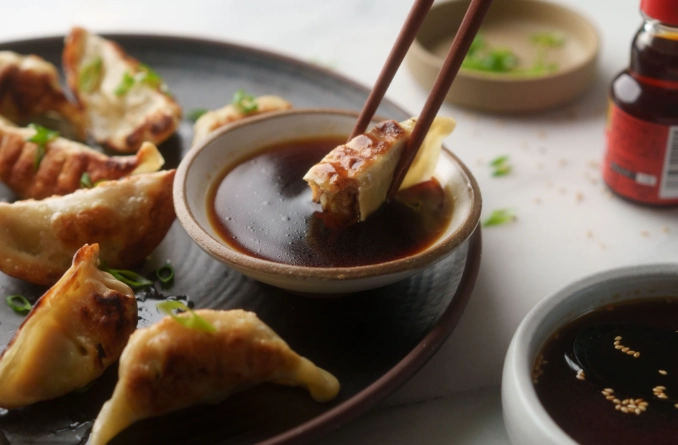
Beyond the Basics: Gyoza Sauce Variations to Match Your Mood
The classic is perfect, but sometimes you want something different. Maybe your dumplings are extra spicy, or you're serving vegans, or you just feel like experimenting. Here are my favorite spins on the classic gyoza sauce recipe.
The Spicy Dragon Breath Sauce
For when you want to feel alive. This isn't just about adding more chili oil.
- Start with the classic recipe above (3:2:1 ratio).
- Add ½ to 1 teaspoon of Doubanjiang (Chinese fermented chili bean paste). This stuff is a game-changer. It's not just heat; it's a deep, funky, savory heat. Mix it well.
- Add 1 finely minced garlic clove and/or 1 teaspoon of finely grated fresh ginger.
- Finish with a sprinkle of thinly sliced scallions.
It's pungent, complex, and incredibly addictive. Warning: It pairs dangerously well with cold beer.
The Sweet & Tangy Citrus Twist
This one surprises people in the best way. It's brighter and fruitier.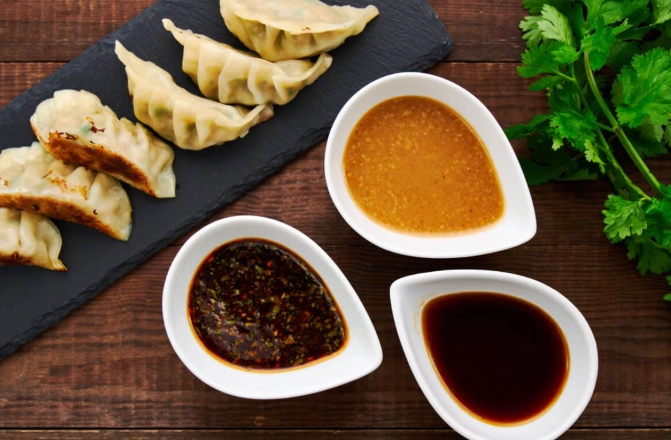
- Use 2 parts soy sauce, 2 parts rice vinegar, 1 part water.
- Add 1 part freshly squeezed ponzu sauce (or ½ part fresh lemon/lime juice + ½ part extra soy). Ponzu is a citrus-soy sauce, and it's brilliant here.
- Add ½ to 1 teaspoon of honey or agave syrup (adjust to your sweetness preference).
- A tiny bit of grated citrus zest (lemon or yuzu if you can find it) takes it over the top.
The Simple Vegan & Gluten-Free Friend
Dietary restrictions shouldn't mean missing out. This version is just as flavorful.
- Replace soy sauce with an equal amount of tamari (which is usually gluten-free) or a good-quality coconut aminos (for a soy-free option). Coconut aminos are sweeter, so you might reduce or omit any added sugar.
- Ensure your rice vinegar is labeled gluten-free (most are).
- Boost the umami with a tiny pinch of mushroom powder or a few drops of vegan "fish" sauce made from seaweed.
- Toasted sesame oil and chili oil are naturally vegan and gluten-free, but always check labels.
See? No compromises.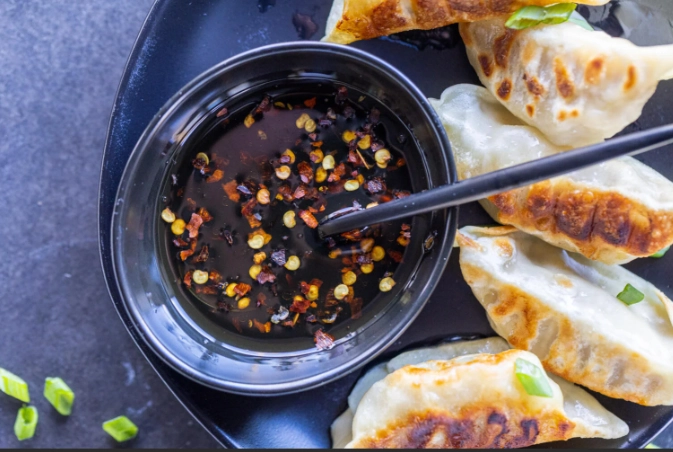
The Gyoza Sauce Pantry: A Quick Guide to Your Ingredients
Confused about which bottle to grab from the Asian market shelf? This table should help. It breaks down the common players in a gyoza sauce recipe and what they do.
| Ingredient | Best Brand/Type for Gyoza Sauce | What It Adds | Watch Out For / Substitutes |
|---|---|---|---|
| Soy Sauce | Japanese Soy Sauce (Shoyu) like Kikkoman, Yamasa. Light/All-Purpose variety. | Salty umami backbone. The core flavor. | Dark Soy Sauce is thicker, less salty, more for color. Not ideal here. Substitute: Tamari (gluten-free), Coconut Aminos (soy-free, sweeter). |
| Rice Vinegar | Unseasoned Rice Vinegar (Mizkan, Marukan). | Clean, mild acidity to cut through fat. | Seasoned Rice Vinegar has added sugar/salt. Will mess up your balance. Substitute: Apple cider vinegar (slightly fruitier), white wine vinegar (sharper). |
| Chili Oil (Rayu) | Lao Gan Ma Chili Crisp (has crunchy bits!), or any Japanese Rayu. | Spicy heat and aromatic oil. | Some are VERY spicy. Start small. Substitute: Sriracha (adds garlic flavor), crushed red pepper flakes soaked in a little hot oil. |
| Toasted Sesame Oil | Kadoya, Ottogi. Must say "Toasted" or "Roasted." | Pungent, nutty aroma. A finishing note. | Plain/light sesame oil is flavorless. Don't use it. No real substitute for that aroma. |
| Ponzu | Kikkoman Ponzu (Citrus Seasoned Soy Sauce). | Citrusy tang and umami. Great for variations. | Can be quite salty. Use as a partial replacement for soy sauce, not an addition on top. |
Armed with this, you can shop with confidence.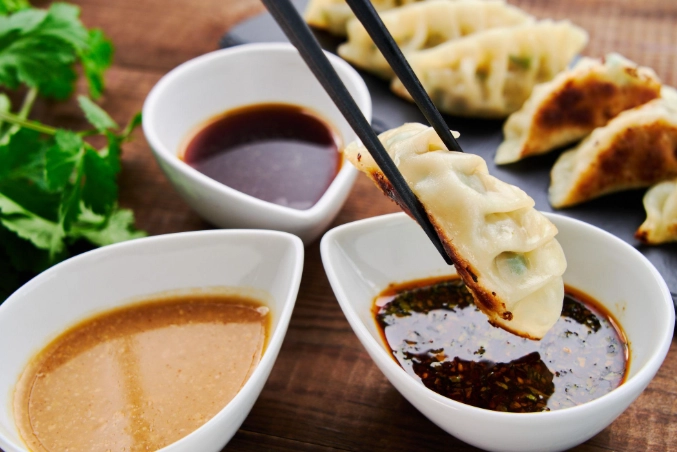
Answering Your Gyoza Sauce Questions (The Stuff People Really Want to Know)
- A few drops of fresh lemon or lime juice (brightness).
- A tiny pinch of grated fresh ginger (zing).
- A half-teaspoon of toasted white sesame seeds (nutty texture).
- A tiny, tiny drizzle of maple syrup (not for sweetness, but to round edges).

Leveling Up: Pro Tips and Pairing Ideas
You've got the recipes. Now let's talk strategy.
Texture is Key: A great gyoza sauce recipe isn't just about flavor. Add textural contrast with toasted sesame seeds, finely chopped peanuts, or the crispy fried garlic/onion bits from your jar of chili crisp. It makes every bite more interesting.
Match Your Sauce to Your Filling: This isn't a hard rule, but a fun guideline.
- Classic Pork & Cabbage Gyoza: The classic sauce or the spicy version. They're made for each other.
- Chicken or Turkey Gyoza: The citrus twist or a lighter classic sauce works well.
- Vegetable (Veggie) Gyoza: Go bolder. The spicy version or a sauce with extra garlic and ginger stands up to the earthier flavors.
- Seafood (Shrimp) Gyoza: The citrus twist is a winner here, complementing the sweetness of the seafood.
Don't Forget the Garnish: A final sprinkle of thinly sliced scallion greens or a few cilantro leaves right on top of the sauce in the bowl looks professional and adds a fresh aroma.
Look, at the end of the day, the best gyoza dipping sauce is the one that makes you happy. The one that has you reaching for just one more dumpling. It should be a joy, not a science project.
Start with the classic 3:2:1 ratio I gave you. Taste it. Then start tweaking. Make it yours. Add more heat if that's your thing. Dial back the vinegar if it's too sharp. That's how you go from following a recipe to owning it.
And the next time you pull a plate of crispy, steaming gyoza out of the pan, you'll have a sauce waiting that's worthy of them. No more sad, salty water. Just delicious, homemade perfection.
Reader Comments