I still remember my first kaisendon in Tokyo. I pointed at a picture, got a gorgeous bowl piled with glistening tuna, salmon, and uni, and then proceeded to drown the entire thing in soy sauce, mixing it into a salty, soggy mess. The chef looked pained. I missed the point entirely. Kaisendon (海鮮丼), the deceptively simple "seafood rice bowl," is a cornerstone of Japanese food culture. It's not just a quick lunch; it's a test of a restaurant's sourcing, a lesson in seasonal eating, and a deeply personal experience. Let's cut through the confusion and get you ordering and eating kaisendon like someone who knows what they're doing.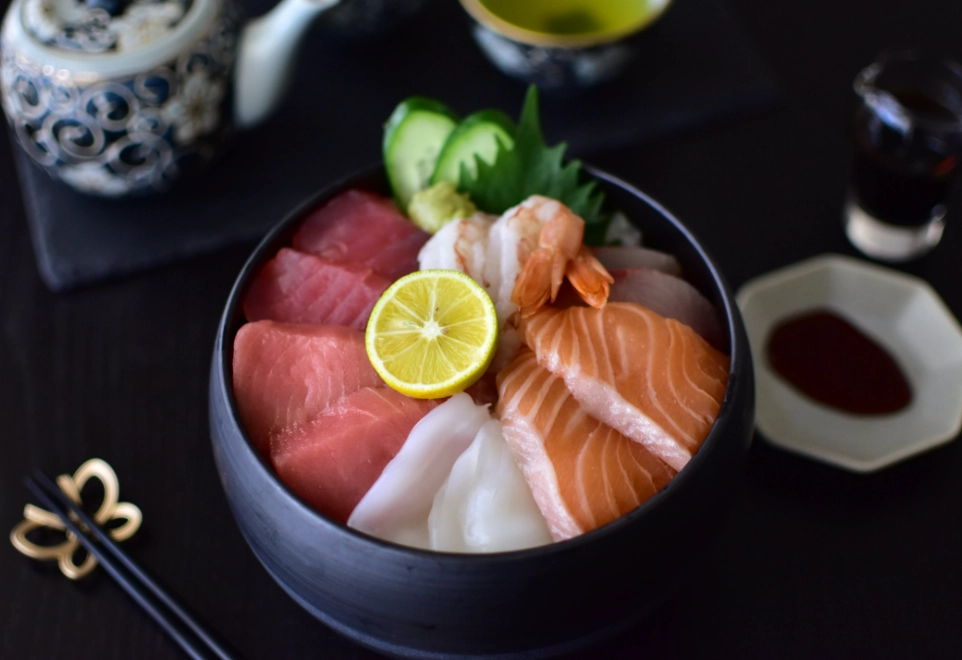
Your Quick Guide to Kaisendon Mastery
What Exactly Is Kaisendon? (It's Not Just 'Seafood Rice')
At its core, kaisendon is a donburi (rice bowl dish) topped with sashimi (raw seafood). But that's like calling a Ferrari "a car." The magic is in the details. Unlike chirashi-zushi, which uses vinegared sushi rice, kaisendon typically sits on a bed of plain, warm, perfectly cooked Japanese white rice. This is crucial. The rice acts as a neutral, comforting canvas that lets the natural sweetness and texture of the seafood shine.
Think of the rice as the stage and the seafood as the performers.
The selection of seafood tells a story. A classic tekka-don is all about tuna, often featuring different cuts like akami (lean red meat), chutoro (medium-fatty), and otoro (fatty). A kaisen-don is the mix you'll see most often—a colorful array of salmon, tuna, yellowtail, shrimp, maybe some ikura (salmon roe) and a dab of uni (sea urchin). Then there are regional and seasonal specialties. In winter, you might find kani-don (snow crab). In Hokkaido, it's all about the uni and ikura.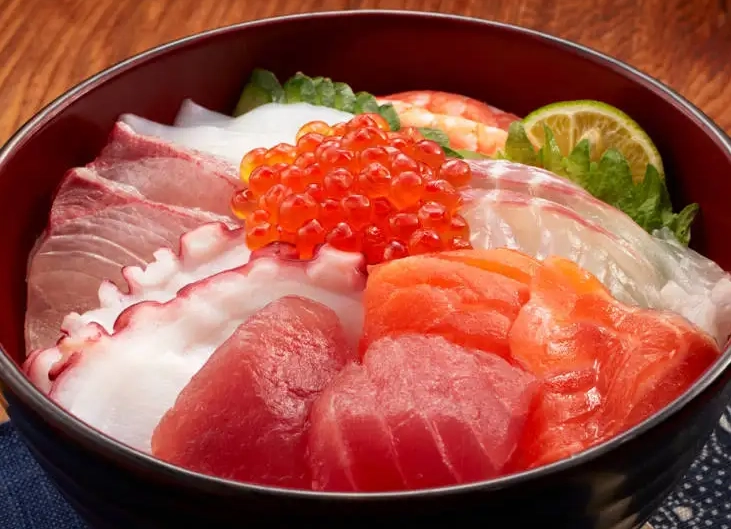
How to Order Kaisendon Like a Pro: Decoding the Menu
Walking into a specialized kaisendon-ya can be intimidating. Here’s how to navigate it without relying on the plastic food display.
Understanding the Key Menu Terms
Nama (生): Means "raw." You'll see this next to items like nama uni (raw sea urchin), which is a different, often more prized product than its processed counterpart.
Jō (上), Tokujō (特上), Tokusen (特選): These mean "premium," "special premium," and "special selection." They usually indicate better cuts, rarer fish, or more luxurious ingredients. A Tokujō Kaisendon costs more, but the difference in the quality of tuna belly or the sweetness of the scallop can be staggering.
~-bara (~ばら): Like "sake-bara" or "maguro-bara." This refers to minced or chopped seafood, often mixed with green onions and a bit of soy. It's incredibly flavorful and a great way to enjoy the fish on rice.
Kodawari (こだわり): Means "commitment" or "particular about." If a menu says "Shari ni kodawari" (particular about the rice), pay attention. It means they care deeply about that element.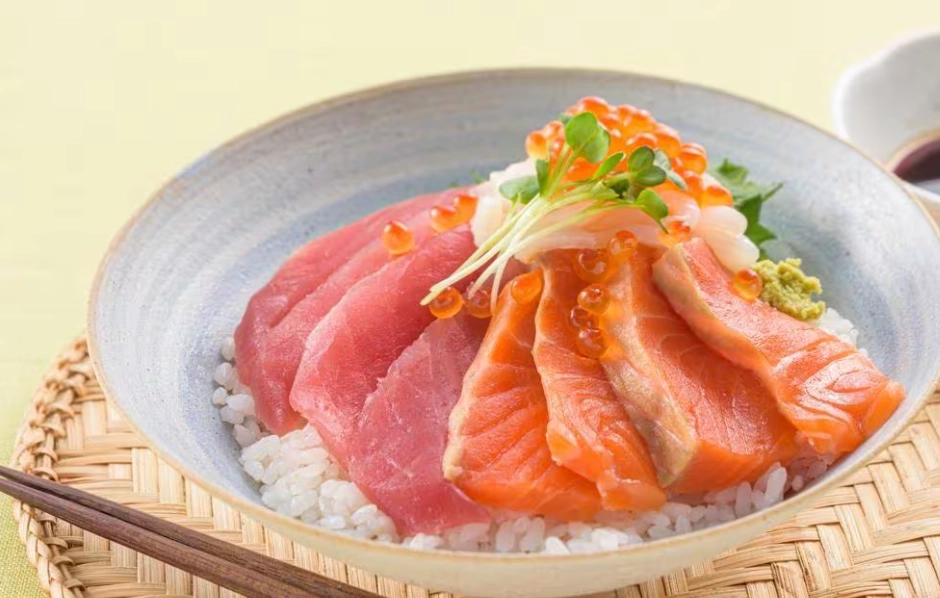
The One Question You Should Always Ask
If you're at a decent place, ask: "Kyō no osusume wa nan desu ka?" (What do you recommend today?).
This isn't small talk. You're asking the chef what fish came in best from the market that morning. It might be the horse mackerel (aji) that's in peak season, or some exceptionally good octopus. Ordering the osusume (recommendation) is the single fastest way to level up your meal from a standard order to a memorable one. I've had chefs bring me things I'd never have ordered myself that completely changed my perception of a fish.
Where to Find the Best Kaisendon in Tokyo: A Curated Shortlist
Forget the ultra-famous, three-hour-wait tourist traps. These are places where the focus is on the fish, not the Instagram backdrop. Location, price, and specialty matter.
| Shop Name & Area | Specialty & Vibe | Price Range (Bowl) | Key Info & Tip |
|---|---|---|---|
| Tsukiji Tamazushi (Near Toyosu/Tsukiji Outer Market) |
The classic market experience. Unfussy, incredibly fresh, fast turnover. Their Tokujō Kaisendon is a benchmark. | ¥2,500 - ¥4,500 | Arrive by 10:30 AM to avoid the worst lines. Cash only. It's about pure freshness, not ambiance. |
| Uogashi Nihon-Ichi (Standing Sushi Bar) Various locations (Shinjuku, Shimbashi) |
Affordable, quality, standing-room-only. Great for a quick, authentic fix without a huge time or money commitment. | ¥1,000 - ¥2,000 | Their Hokkaido Don (uni, ikura, crab) is a steal when in season. Expect to eat in 15 minutes. |
| Nihonbono Nihonbashi (Nihonbashi/Ningyocho) |
A more refined, sit-down restaurant. Known for exquisite sourcing and beautiful presentation. Their seasonal omakase don is an event. | ¥4,000 - ¥10,000+ | Reservations recommended. This is where you go to understand the high-art potential of a rice bowl. |
I have a soft spot for the standing bars. There's no pretense. You're there for the fish, period. The one in Shinjuku's Omoide Yokocho has about eight seats. You'll elbow salarymen and get a bowl that's better than most sit-down restaurants for half the price.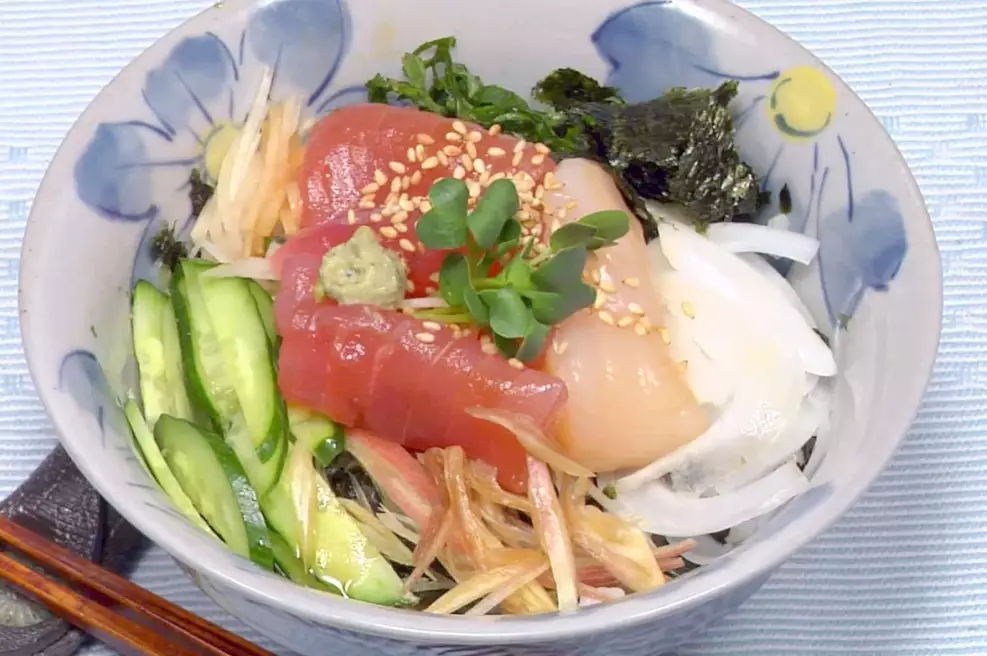
The Art of Eating Kaisendon: Etiquette and Flavor Maximization
Here's where most people, including past me, fail. You are not making seafood fried rice.
Step 1: Observe. Look at the bowl. Notice how the chef placed each item. There's intention there.
Step 2: Taste the seafood alone. Pick up a piece of tuna with your chopsticks. Eat it plain. Understand its natural flavor and texture.
Step 3: The Rice & Soy Sauce Dance. This is critical. Pour a small amount of soy sauce into the provided small dish. Do not pour it over the entire bowl. Pick up a bite-sized amount of rice with a piece of fish on top. Gently dip the fish-side only into the soy sauce, then bring it to your mouth. This keeps the rice pristine and prevents it from absorbing all the soy and becoming a salt bomb.
Step 4: Use the Wasabi Intelligently. Real wasabi (not the green paste mix) is fragrant and slightly sweet, not just fiery. If you have real grated wasabi, put a small amount directly on the fish before you dip it. Don't dissolve it in your soy sauce dish—that wastes its complexity.
Step 5: Alternate and Appreciate. Move between different fish. Cleanse your palate with a bit of gari (pickled ginger) between types, especially if going from a rich, oily fish like mackerel to a delicate white fish like flounder.
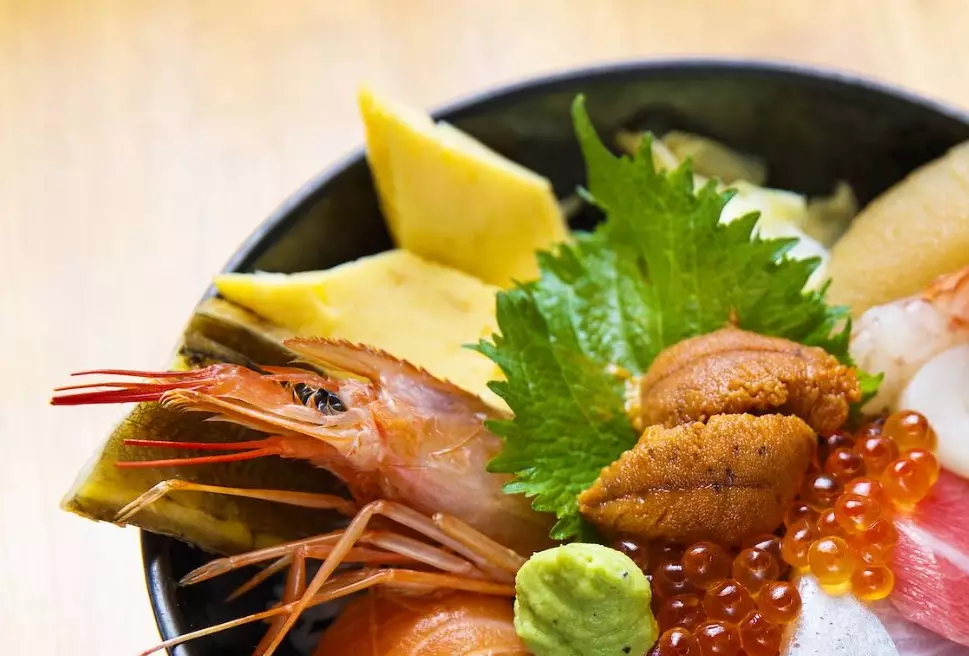 The biggest mistake isn't a faux pas; it's missing the flavors. When you mix everything, every bite tastes the same: salty and fishy. When you eat with attention, you discover that the scallop is sweet, the octopus has a satisfying chew, and the uni melts with an oceanic creaminess.
Kaisendon FAQs: Your Top Questions, Answered
What is the difference between kaisendon and chirashi?
How do I know if the seafood in kaisendon is fresh?
Is kaisendon safe to eat for pregnant women?
What is the proper way to eat kaisendon?
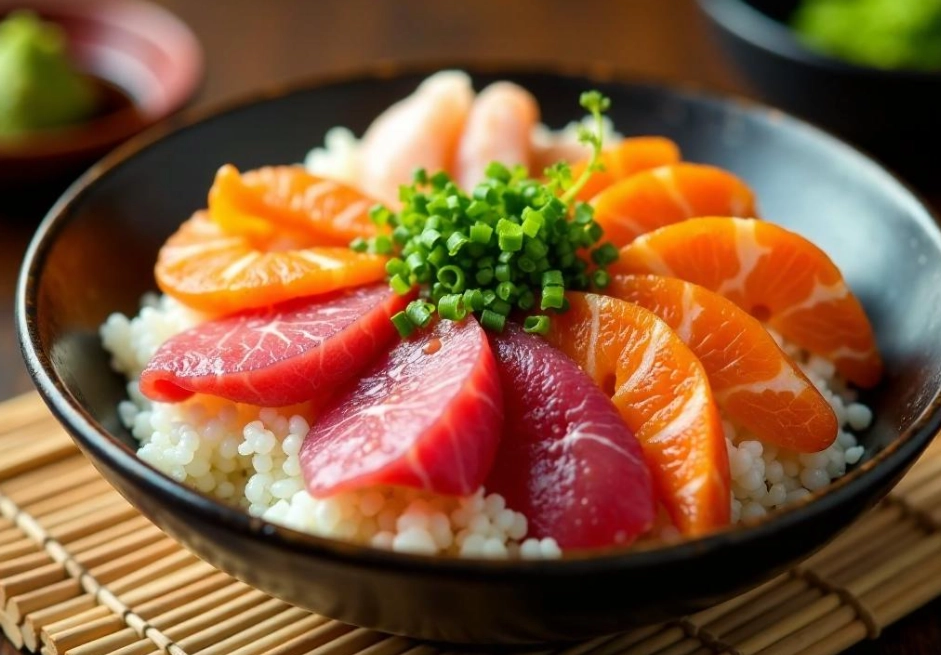 Kaisendon is more than a meal; it's a direct connection to the sea and the season. It rewards a little knowledge and attention. Skip the most hyped spot, ask what's good today, and take your time eating it. You'll move from just eating raw fish on rice to understanding why this humble bowl holds such an important place on the table.
Now go find your perfect bowl. And please, for the love of the chef, go easy on the soy sauce.
Reader Comments