Inside This Guide
So you're holding this warm, fish-shaped cake, and the first thing that pops into your head is probably, what are the fillings in the taiyaki? I get it. That crispy exterior gives way to something sweet (or sometimes savory) and wonderful, and you just have to know what makes it so good. Is it always the same red bean paste? Far from it.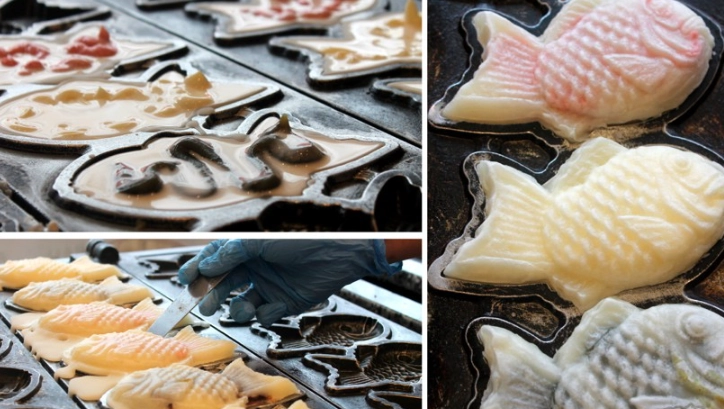
Let's be real for a second. If you've only ever had the classic one, you're missing out on a whole world of creativity. The story of taiyaki fillings is way more interesting than most people give it credit for. It's a journey from a simple street snack to a canvas for culinary experimentation. I remember the first time I bit into one expecting the usual and got a gooey, rich custard instead. Mind blown. It was a game-changer.
The Core Answer: Traditionally, the filling is anko (sweet red bean paste), made from adzuki beans. But today, the answer to "what are the fillings in the taiyaki?" can be almost anything: custard, chocolate, sweet potato, cheese, even curry or pizza toppings. The variety is staggering.
The Undisputed King: Anko (Red Bean Paste)
You can't talk about taiyaki without starting here. This is the OG, the classic, the filling that started it all. For over a century, this has been the default answer to what are the fillings in the taiyaki? It's like the vanilla ice cream of the taiyaki world—simple, timeless, and perfect when done right.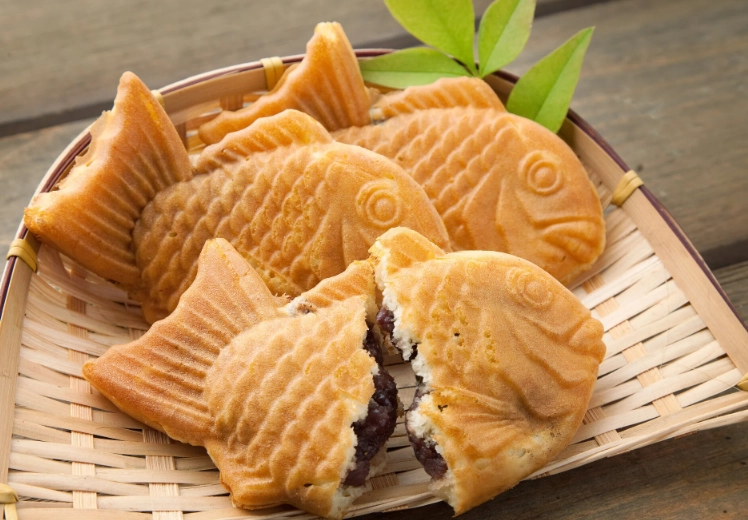
But not all anko is created equal. There are two main types, and the difference matters more than you think.
Tsubuan vs. Koshian: The Great Bean Paste Divide
This is where texture takes center stage. Tsubuan is the chunky one. The beans are cooked until tender but left whole or partially mashed. You get these little bursts of bean texture with every bite. It feels rustic, authentic, and has a more distinct bean flavor. Personally, I prefer this one. It feels more substantial.
Then there's Koshian. This is the smooth operator. The cooked beans are pushed through a sieve to remove the skins, resulting in a uniform, velvety paste. It's sweeter, silkier, and often has a finer, more refined taste. It's less about the bean and more about the sweet paste itself.
Which one is more traditional in taiyaki? Honestly, you'll find both. Street vendors might lean towards tsubuan for its heartier feel, while shops aiming for a sleek product might use koshian. There's no hard rule, which is part of the fun.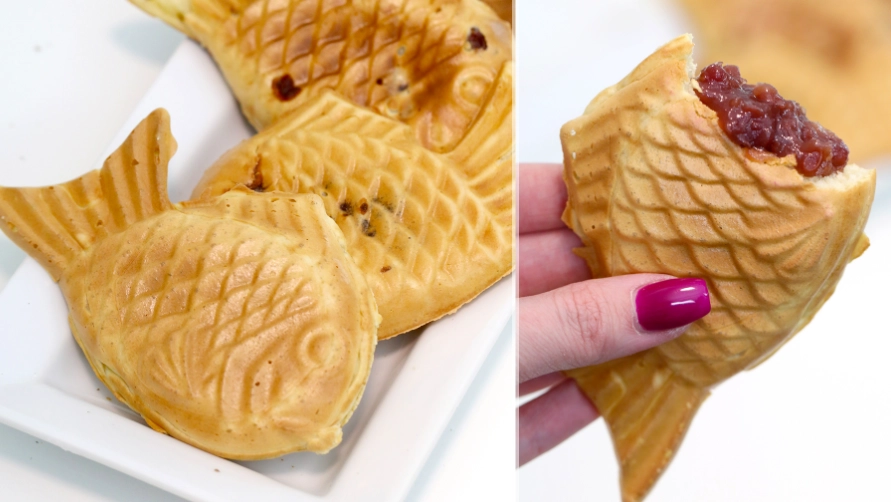
Making good anko is an art. It's not just boiling beans and adding sugar. The beans are often soaked, simmered gently, and sweetened with a specific type of sugar (like *wasanbon* for high-end versions) to achieve the right balance—sweet but not cloying, beany but not earthy. A great resource to understand the cultural depth of anko is the profile on Japan Travel's guide to traditional sweets, which places it within the wider *wagashi* (Japanese confectionery) tradition.
The Modern Royal Court: Popular Sweet Fillings
Okay, so red bean is the king. But the palace is full of other nobles now. Walk into any modern taiyaki shop, especially in trendy areas of Tokyo like Harajuku or Shinjuku, and the menu will make your head spin. This is where the simple question of what are the fillings in the taiyaki gets a deliciously complicated answer.
Let's break down the most common contenders you're likely to encounter, ranked by how often I see them and how much people seem to love them.
| Filling | Description & Taste | Texture | Popularity Note |
|---|---|---|---|
| Custard (カスタード) | Rich, eggy, and vanilla-sweet. Often a yellow pastry cream. The number one rival to anko. | Creamy, smooth, sometimes slightly runny when warm. | Ubiquitous. The "safe" modern choice. |
| Chocolate (チョコレート) | Can range from sweet milk chocolate ganache to dark chocolate. Sometimes includes chunks. | Gooey, fudgy, or firm depending on the blend. | Huge with kids and anyone with a sweet tooth. |
| Sweet Potato (さつまいも) | Made from *satsuma-imo* (Japanese sweet potato). Naturally sweet, earthy, and purple or yellow. | Dense, moist, and slightly fibrous. | A seasonal favorite in autumn, feels wholesome. |
| Matcha (抹茶) | Green tea flavored, usually mixed into a white bean paste or custard base. Bitter and sweet. | Similar to smooth anko or custard. | Tourist favorite, represents "traditional Japan." |
| Cheese (チーズ) | Often a sweet cream cheese filling, like cheesecake batter. Salty-sweet combo. | Incredibly creamy and rich. | Surprisingly popular, a "premium" option. |
I have to say, the chocolate one can be a hit or miss. Some places use a cheap, overly sweet oil-based filling that tastes artificial. It's a letdown. But when you find a shop that uses a good quality chocolate ganache, it's like a warm, fish-shaped brownie. Worth hunting for.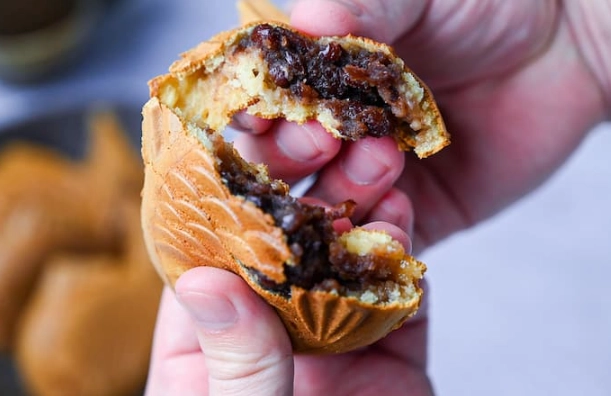
Custard, on the other hand, is almost always a win. It's hard to mess up. The warmth of the taiyaki shell makes the custard just ooze out perfectly. It's the filling that made me realize what are the fillings in the taiyaki could be more than just beans.
My Personal Take: I was skeptical about sweet potato at first. It sounded too... healthy? But I tried one on a cold day in Kyoto, and it was fantastic. The natural sweetness is different from sugar-sweet—it's deeper, more caramel-like. It pairs amazingly with the slightly salty batter. Don't skip it if you see it.
The Bold New World: Savory & Unconventional Fillings
Now we enter the wild west. This is where chefs and street vendors really let their imaginations run free. If you're only thinking of dessert, you're only seeing half the picture. The question what are the fillings in the taiyaki takes a sharp turn here.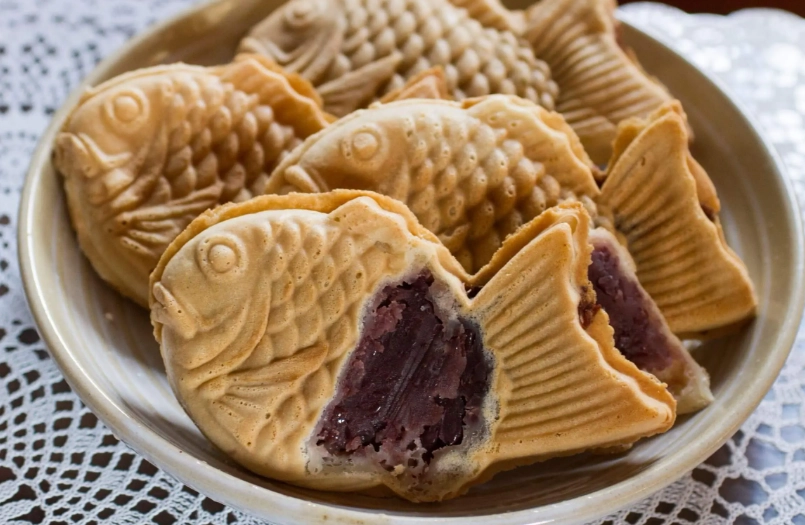
Savory taiyaki is a thing, and it's brilliant. It transforms the snack from a dessert into a full meal or a hearty side. The batter works just as well with salty and umami flavors as it does with sweet ones.
- Curry Taiyaki: Exactly what it sounds like. A thick, Japanese-style curry with bits of potato and carrot stuffed inside. It's like a portable curry bread but better because of the shape. Messy to eat, but 100% worth it.
- Pizza Taiyaki: Tomato sauce, melted cheese, and sometimes pepperoni or ham. It's a mini pizza in a fish shell. The crispness of the shell replaces the pizza crust perfectly.
- Okonomiyaki-style: Filled with cabbage, batter, and drizzled with okonomiyaki sauce and mayo. This is a niche one, but I've seen it in Osaka. It's chaotic and delicious.
- Cheese & Ham: Simple, classic, effective. Just gooey melted cheese and salty ham. A no-fuss crowd-pleaser.
Then there are the truly wild ones that blur the lines. I've heard of places doing mapo tofu fillings (spicy Sichuan dish) or carbonara cream sauce fillings. These are gimmicks, sure, but they show how far the concept can be pushed. I tried a teriyaki chicken one once. It was... fine. A bit confusing, honestly. The sweet teriyaki glaze fought with the slightly sweet batter. Not my favorite experiment.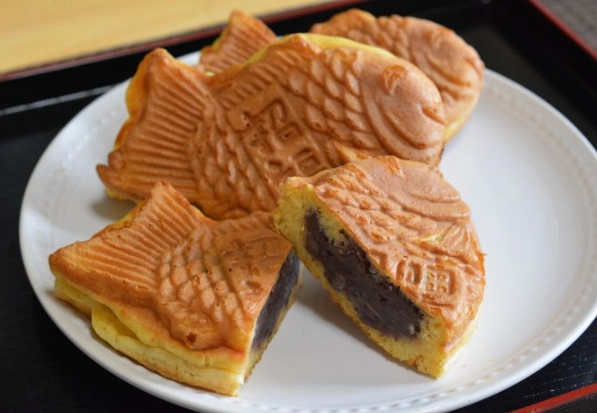
A word of caution: With these innovative fillings, temperature is key. A lukewarm curry or pizza filling is not pleasant. Always try to get them fresh and hot off the iron. If it's been sitting under a heat lamp, maybe give it a pass.
How to Choose Your Perfect Taiyaki Filling
With all these options, how do you decide? It's not rocket science, but a little guidance helps. Your choice should depend on your mood, the situation, and what you're hoping to get out of it.
For First-Timers & Purists: You have to start with the classic anko (I'd say go for tsubuan). It's the benchmark. This is the original taste, the history in your hands. You can't say you've tried taiyaki without it. It answers the fundamental what are the fillings in the taiyaki question in its purest form.
For a Comforting, Familiar Treat: Custard or Chocolate. These are universal flavors. If you're unsure or with someone picky, these are safe bets that almost always deliver satisfaction.
For an Authentic Seasonal Experience: Look for sweet potato in autumn or maybe a sakura (cherry blossom) flavored anko in spring. This connects the snack to the Japanese concept of *shun* (seasonal peak). The Kikkoman Cookbook's seasonal section, while about cooking, touches on this philosophy of enjoying ingredients at their best time.
For Adventurous Eaters & the Hungry: Dive into the savory options. Curry is my top recommendation here. It's a complete flavor bomb and turns the snack into legitimate lunch.
For the Instagram Crowd (no judgment): Matcha (for the green color) or anything with a dramatic double filling (like half custard, half chocolate). Some places even do a "taiyaki parfait" where they put ice cream and topping on top. It's over-the-top but fun.
Here's a pro tip I learned from a vendor in Asakusa: if the shop offers it, get one with two fillings. The classic combo is anko and custard in one fish. You get the best of both worlds—the traditional texture and the modern creaminess. It's the ultimate compromise.
Common Questions About Taiyaki Fillings (Answered)
Usually, yes. The batter is poured into a two-sided fish-shaped mold, filling is placed in the center, then more batter goes on top before it's sealed and cooked. So the filling is in the middle, distributed (hopefully evenly) throughout the body. However, some fancy places might do a "double" or "surprise" filling where the head has one flavor and the tail another. It's rare but cool when you find it.
Technically, that would just be a fish-shaped waffle or *imagawayaki* (the round version) without filling. I've never seen it on a menu. The filling is the whole point! The shell, while delicious, is designed to be a vessel. It's like asking for a doughnut without the hole—it's just not the same thing.
This is tricky. The batter is usually made with wheat flour, so it's not gluten-free. The fillings, however, can be. Traditional anko is typically just beans, sugar, and maybe salt, making it naturally gluten-free and vegan. But always ask. Some shops might add wheat-based thickeners or use non-vegan sugar (some sugar is processed with bone char).
Custard fillings contain dairy and eggs. Chocolate fillings may contain dairy. Savory fillings are a minefield of potential gluten (soy sauce in curry, flour in sauces) and animal products. If you have strict dietary needs, your best bet is to seek out a shop that specifically advertises vegan or gluten-free options, which are becoming more common in big cities. The Vegan in Japan guide sometimes lists such specialty sweet shops.
Fun Fact: The name "taiyaki" comes from "tai" (sea bream), a fish considered lucky in Japan, and "yaki" (grilled or baked). The lucky sea bream shape is why it's popular at festivals and as a good-luck snack, regardless of the filling inside!
That's not grittiness—that's the bean skin in tsubuan! If you're expecting a perfectly smooth paste and bite into one with texture, you've got the chunky style. It's intentional, not a mistake. Some people love that rustic quality. If you don't like it, remember to look for or ask for "koshian" (smooth paste) next time.
Making Taiyaki at Home: Filling Ideas
Maybe you've bought a taiyaki pan (they sell them online). The fun part is, you control the answer to what are the fillings in the taiyaki. You can go wild.
Beyond the classics, here are some homemade filling ideas that work surprisingly well:
- Nutella & Banana Slices: A no-cook filling. Just a dollop of Nutella and a couple thin banana slices. It's decadent and delicious.
- Apple Pie Filling: Use canned or homemade cinnamon-apple compote. Tastes like autumn in a fish.
- Peanut Butter & Jelly: Seriously. Swirl a bit of each in the center. It's a childhood classic in a new form.
- Leftover Stew or Chili: Thicken it up a bit first so it's not too runny. A fantastic way to use leftovers for a next-day lunch.
- Scrambled Egg & Bacon: Pre-cook them, then fill. A brilliant savory breakfast taiyaki.
The key with homemade fillings is consistency. It needs to be thick enough not to leak out during cooking but soft enough to be pleasant when eaten. Pre-cooking watery ingredients is essential.
So, what are the fillings in the taiyaki? It's a question with a simple answer that opens a door to a complex and delicious world. It starts with humble sweet red beans and expands to include almost anything a creative cook can imagine. From the traditional streets of old Tokyo to modern fusion kitchens, the taiyaki's belly is a space for both comfort and innovation. The next time you see that familiar fish shape, don't just assume. Ask. You might be in for a very tasty surprise.
And if you're ever in doubt, just get the one with two fillings. You can't go wrong.
Reader Comments