You walk into a small, bustling Tokyo shop. The air is thick with the scent of toasted sesame oil and roasted pork. You don't see the usual giant pots of broth. Instead, you're handed a bowl of steaming noodles, topped with chashu, a raw egg yolk, and some green onions, sitting in what looks like a shallow, dark sauce. This isn't ramen. This is aburasoba, or "oil noodles." It's a dish that strips everything back to the essentials: great noodles, a powerful savory sauce, and rich fat. No broth to dilute the flavor. Just pure, unadulterated umami punch.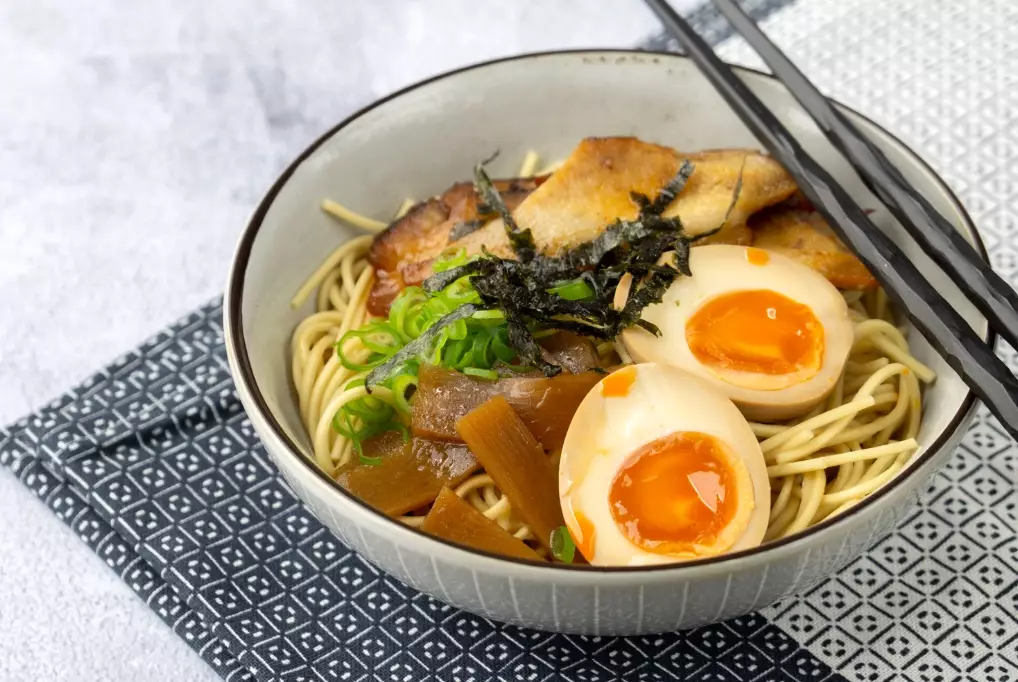
What's in This Guide?
What Exactly is Aburasoba?
At its core, aburasoba is a soupless Japanese noodle dish. "Abura" means oil, and "soba" here refers to the wheat noodles used (not buckwheat soba). The foundation is a tare, a concentrated seasoning sauce typically made from soy sauce, mirin, sake, and sometimes chicken or fish stock reductions. This tare is placed at the bottom of the bowl. Hot, chewy noodles are added on top. Then comes the "abura" – usually a flavored oil like roasted garlic oil, chili oil, or pure toasted sesame oil. Toppings like chashu (braised pork), menma (bamboo shoots), green onions, and a raw egg yolk complete the picture.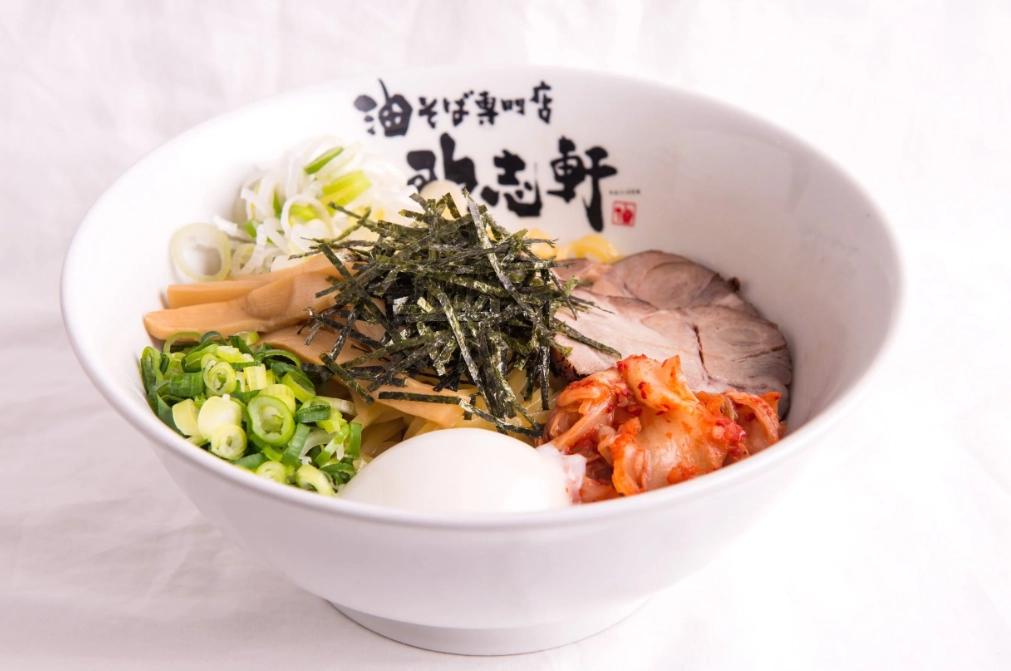
You mix it all together vigorously before eating. The goal is to coat every strand of noodle with the sauce and oil, creating a glossy, intensely flavorful bite. It's richer, more direct, and often more customizable than a bowl of ramen.
Quick History Note: While its exact origins are debated, aburasoba is widely considered a modern evolution from maze soba (mixed noodles) and a cousin of tsukemen (dipping noodles). It gained massive popularity in the 2000s, particularly in Tokyo's Kanda and Ogikubo areas, as a quicker, punchier alternative to ramen. The Japan National Tourism Organization (JNTO) often highlights it as a must-try for adventurous foodies looking beyond standard ramen.
Aburasoba vs. Ramen vs. Tsukemen: Clearing the Confusion
This is where most people get tripped up. They're all wheat noodles, but the delivery system is everything.
Ramen: Noodles served in a large quantity of hot, seasoned broth. The broth (shoyu, miso, tonkotsu) is the star. You sip it alongside the noodles.
Tsukemen: Cold or room-temperature noodles served completely separate from a small bowl of thick, concentrated, usually hot dipping broth. You dip a small bundle of noodles into the broth with each bite. The broth is often too strong to drink alone.
Aburasoba: Hot noodles served in the bowl with the sauce and oil. There's no separate dipping step. You mix the components in the bowl to create the final dish. It's a unified, saucy, dry noodle experience.
Think of it this way: Ramen is a soup. Tsukemen is a dip. Aburasoba is a stir-fry in a bowl, minus the wok.
How to Eat Aburasoba (The Right Way)
There's a technique. Doing it wrong means a mouthful of plain noodle followed by a shot of pure salt. Here's the drill, step-by-step.
First, admire the presentation. The egg yolk is a golden dome. The chashu is artfully placed. Now, ignore that and get mixing.
If your bowl comes with condiments on the side—usually vinegar and rayu (chili oil)—add them now. A splash of vinegar cuts the richness beautifully. Then, use your chopsticks to dig to the bottom of the bowl. Lift the noodles, folding the sauce, oil, egg, and toppings upwards. Do this for a good 30-45 seconds. You want every noodle coated, the egg yolk fully broken and emulsified into the sauce.
Now eat. The texture should be slick, savory, and deeply satisfying. About halfway through, the remaining sauce and bits at the bottom can be intense. Some places offer a soup-wari service. You can ask for a small ladle of hot broth or dashi to pour into the bowl, swirl around, and drink as a finishing soup. It's a game-changer.
The Sauce Ratio: Don't Guess, Measure
A common home cook mistake? Dumping soy sauce and oil on noodles and hoping for the best. The tare-to-oil-to-noodle ratio is critical. Too much tare, it's salty sludge. Too much oil, it's greasy and overwhelming. A rough starting point for one serving is 2-3 tablespoons of tare and 1-1.5 tablespoons of flavored oil for 150g of noodles. Adjust from there based on your noodle thickness and sauce potency.
The Best Aburasoba Toppings and Customizations
The base is just the beginning. The real fun is in the add-ons. Here are the classics and some next-level choices.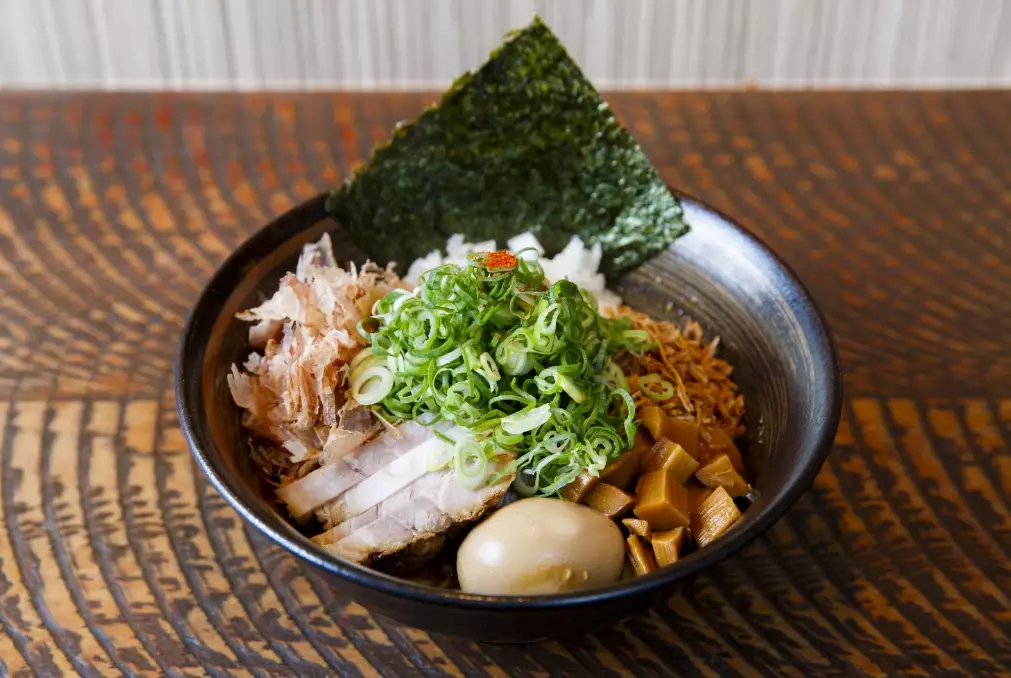
- The Essential Trio: Chashu (sliced braised pork), Menma(fermented bamboo shoots), Negi (finely chopped green onions).
- The Richness Booster: A raw egg yolk. This is non-negotiable for me. It creates a luscious, creamy sauce when mixed.
- The Crunch: Nori (seaweed) sheets or fried garlic chips.
- The Heat: Rāyu (chili oil) or fresh chili threads.
- The Umami Bomb: A spoonful of mentaiko (spicy cod roe). This is a secret weapon at some specialty shops. It adds a complex, briny, spicy punch.
- The Carb-on-Carb: A scoop of white rice. After you finish the noodles, you mix the remaining bits of sauce and toppings with rice. It's called o-chazuke style and it's the perfect finish.
Many shops operate on a check-box ticket system. You choose your base (soy sauce, salt, etc.), oil type, noodle thickness, and tick boxes for toppings. Don't be shy.
How to Make Aburasoba at Home
You don't need a professional kitchen. The key is in the tare and the oil.
For a simple, all-purpose tare: Combine 1/2 cup soy sauce, 1/4 cup mirin, 1/4 cup sake, 2 tablespoons sugar, a 1-inch piece of grated ginger, and 2 cloves of minced garlic in a saucepan. Simmer for 10-15 minutes until slightly reduced and the alcohol cooks off. Let it cool. This keeps for weeks in the fridge.
For the garlic chili oil: In a small pot, gently heat 1 cup of neutral oil with 4-5 smashed garlic cloves until the garlic is lightly golden. Remove from heat, let it cool for a minute, then pour over 3 tablespoons of chili flakes and 1 teaspoon of sesame seeds in a heatproof bowl. It will sizzle. Let it steep.
Assembly: Cook fresh or dried ramen noodles (the kind for soup, not instant). Drain well. Place 2-3 tablespoons of tare in a warm bowl. Add the hot noodles. Drizzle with 1 tablespoon of your garlic chili oil. Top with your prepared chashu (store-bought is fine, or use leftover roast pork), a soft-boiled egg (halved), green onions, and nori. Mix like your life depends on it.
My personal twist? I add a tiny dab of doubanjiang (Chinese fermented bean paste) to the tare while simmering. It adds a deep, funky backbone that cuts through the fat.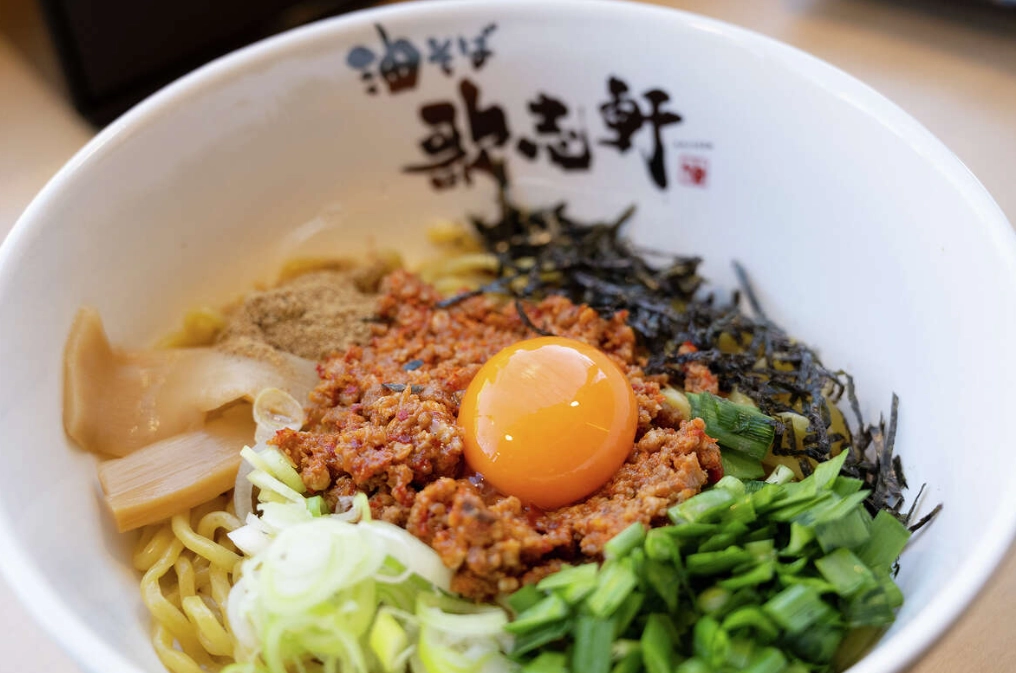
Where to Eat the Best Aburasoba in Tokyo
Talking about it is one thing. Eating it is another. Here are three Tokyo spots that define the genre, from a legendary queue to a hidden local favorite. I've eaten at all three multiple times.
| Shop Name (Area) | Address & Access | Signature Bowl & Price | Hours & Notes |
|---|---|---|---|
| Menchirashi (Kanda) | 1-13-9 Kajichō, Chiyoda City. 3-min walk from Kanda Station (JR, Metro). Look for the white curtain. | Tokusei Aburasoba (Special). Thick, chewy noodles, rich soy tare, minced pork, egg yolk, seaweed. ~¥950. | 11:00 AM - 3:00 PM, 5:00 PM - 9:00 PM (Closed Wed). Be prepared to queue 30-60 mins. They are militant about rules (no phones, eat fast). Worth it for the classic experience. |
| Abura Soba Kanda Shokudo (Kanda) | 1-4-8 Kajichō, Chiyoda City. Right near Menchirashi. | Kanda Shokudo Aburasoba. Lighter, more refined sauce. Offers a delicate chicken oil option. ~¥850. | 11:00 AM - 3:00 PM, 5:00 PM - 9:00 PM (Closed Tue). A less intense alternative to Menchirashi. Their soup-wari (finishing soup) is exceptional. |
| Kikanbo (Ikebukuro) | Multiple locations. Main: 2-10-9 Ikebukuro, Toshima City. | Abura Soba (Kara / Shibi Customizable). Famous for its "devil" level spice and numbing sansho pepper. You control the heat. ~¥1,100. | 11:00 AM - 10:00 PM. Not for the faint of heart. The atmosphere is loud, the flavors are aggressive. A theme park ride of a meal. |
A quick note on Kikanbo: Their aburasoba is a spin on the classic, leaning into their ramen brand's spicy identity. It's fantastic, but it's not the pure, balanced form you get in Kanda. Go to Kanda for the textbook version, to Kikanbo for a thrill.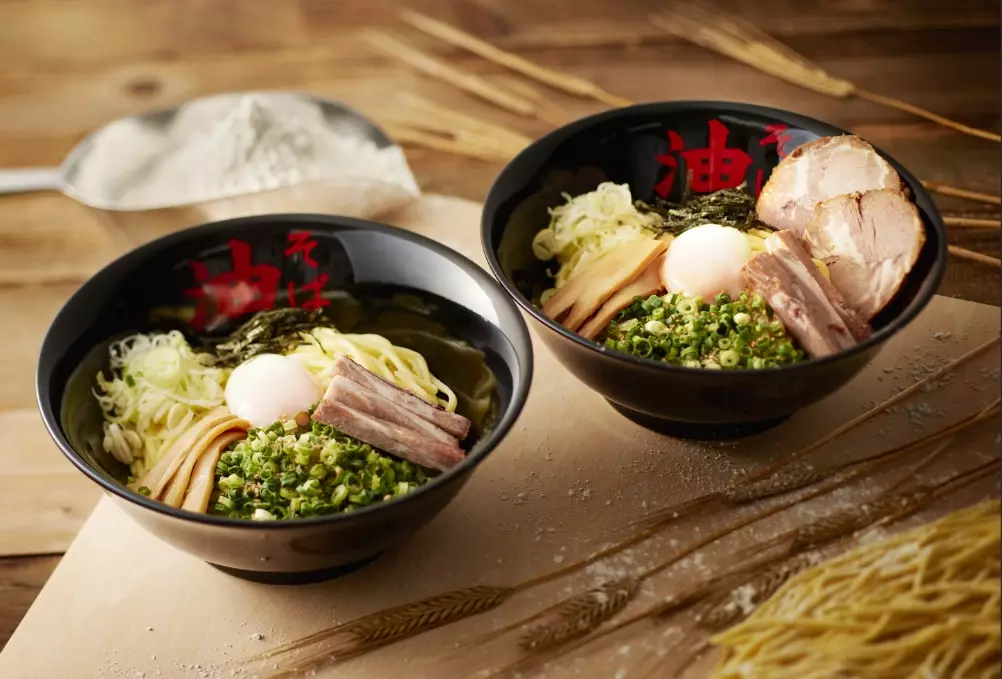
Reader Comments