Let's talk about Japanese Castella. You've probably seen it—that impossibly even, rectangular loaf of golden-brown sponge cake. It looks simple, maybe even plain. But one bite tells a different story. It's incredibly moist, subtly sweet with a distinct honey flavor, and has a texture that's both dense and cloud-like at the same time. It's a dessert that embodies wabi-sabi in cake form: profound perfection in apparent simplicity. But here's the thing most recipes don't tell you: achieving that iconic texture is less about fancy ingredients and more about a specific, almost meditative, technique. I've seen countless home bakers end up with a dry, crumbly, or collapsed loaf because they missed one critical step. We'll get to that.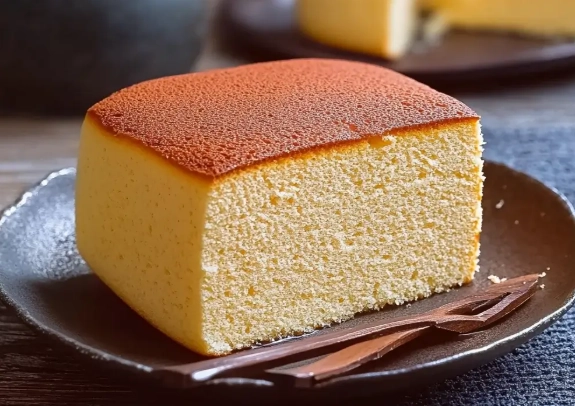
What's Inside This Guide
Where Did This Cake Really Come From?
Castella (kasutera in Japanese) isn't originally Japanese. It's a culinary immigrant with a fascinating history. In the 16th century, Portuguese merchants and missionaries arrived in Nagasaki, the only port open to foreign trade at the time. They brought with them a simple sponge cake called "Pão de Castela" (Bread from Castile). The Japanese adapted it, replacing the traditional yeast or wine with a meringue-like method using whipped eggs, and—crucially—adding local honey (mitsu) for sweetness and moisture. This wasn't just a substitution; it transformed the cake, giving it its signature flavor and legendary shelf life. Over centuries, it evolved from a foreign luxury to a beloved Nagasaki specialty (meibutsu) and then a nationwide favorite. You can delve deeper into Nagasaki's unique history as a cultural crossroads on the official Japan National Tourism Organization page for Nagasaki.
The Non-Negotiable Castella Ingredients
You can't cut corners here. The magic of Castella lies in its purity.
- Bread Flour: Yes, bread flour, not cake flour. The higher protein content gives the cake the structure it needs to support all those eggs without becoming tough. This is a common point of confusion.
- Fresh Eggs: Room temperature is non-negotiable. They whip to a much greater volume, which is the sole leavening agent in this cake.
- Japanese Honey (Mitsu): The star. Japanese honey tends to be milder and more floral. If you can't find it, a light, mild honey like acacia or clover works. Avoid strong, dark honeys like buckwheat—they'll overpower the cake.
- Granulated Sugar: For stabilizing the meringue.
- Mirin or Milk: A tiny bit of liquid to adjust the batter's consistency. Traditionalists use mirin for a subtle depth.
The Foolproof Castella Recipe (Step-by-Step)
This isn't a quick mix-and-bake. It's a process. Set aside time and focus.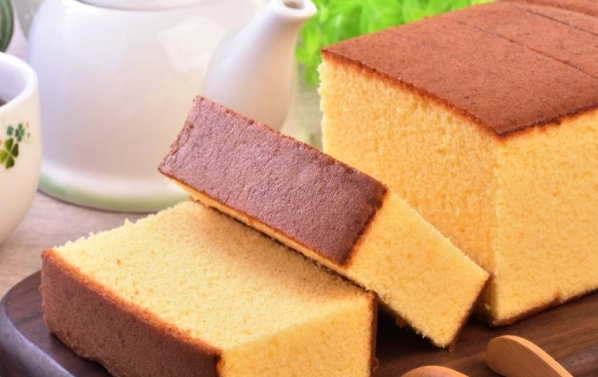
Gear You Absolutely Need
A stand mixer or powerful hand mixer, a wooden rectangular cake mold (approx. 18cm x 9cm x 9cm) lined with parchment paper, a fine-mesh sieve, and an instant-read thermometer. The wooden mold insulates the sides, promoting that classic even rise without a hard crust.
The Method: Patience is Your Secret Ingredient
1. The Warm Meringue. Heat your honey until it's just warm (about 40°C/104°F). Separate your eggs. Whisk the yolks with the warm honey until pale and thick—this "ribbon stage" is key for emulsification. In a clean bowl, whip the egg whites, gradually adding sugar, to a firm, glossy meringue with stiff peaks.
2. The Delicate Fold. Fold a third of the meringue into the yolk mixture to lighten it. Sift the bread flour over this mixture. Now, fold. Not stir, not beat—fold. Use a spatula and cut through the center, scooping from the bottom. Rotate the bowl. This takes time. Stop the second you see no dry flour streaks. Overmixing deflates the meringue and develops gluten, leading to a tough cake.
3. The Pan and Bake. Gently pour the batter into the prepared mold. It should be quite high. Smooth the top. Hold the mold about 6 inches above your counter and drop it a few times to release large air bubbles. Bake in a preheated 160°C (320°F) oven for 50-60 minutes. The top should be deep golden brown.
4. The Critical Post-Bake Step. Here's where most fail. Immediately after baking, take the cake (still in its mold) and invert it. Place it between two raised surfaces (like two cans or cups) so air can circulate all around the mold. Let it cool completely upside down. This uses gravity to stretch the cake's crumb downward, preventing collapse and creating that ultra-fine, even texture. Don't skip this.
The 3 Mistakes That Ruin Your Castella
After teaching this for years, I see the same errors repeatedly.
- Cold Eggs. They won't whip properly. Your cake will be dense and short.
- Rushing the Fold. Impatience leads to deflation or gluten development. The batter should be airy and almost fluffy, not runny.
- Skipping the Inverted Cool. You'll get a sunken, dense top third of the cake. It's not optional.
Finding Authentic Castella: Shops & Online
Maybe baking isn't your thing. That's fine. The commercial versions from century-old shops are masterpieces. Here’s where to look.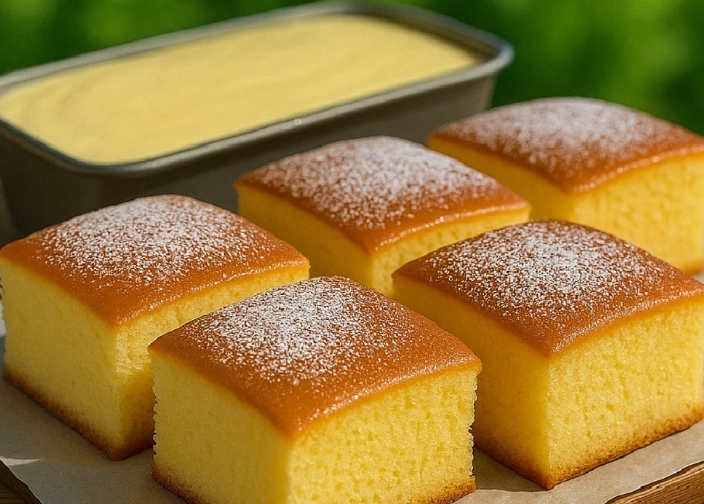
| Shop Name (Location) | Key Feature / Signature Style | What to Know |
|---|---|---|
| Fukusaya (Nagasaki, founded 1624) | The original. Uses a special blend of three honeys. Dense, moist, profoundly flavorful. | Considered the gold standard. Their main shop in Nagasaki is a pilgrimage site. They ship domestically in Japan. |
| Bunmeido (Nationwide, founded 1900) | The most accessible classic. Perfectly balanced sweetness, consistently excellent texture. | You'll find their distinctive red-and-white boxes in major train stations and department stores across Japan. |
| Castella Yamagataya (Tokyo, Ginza) | Known for a slightly lighter, fluffier texture and a beautiful, dark caramelized top. | A great option if you find the Nagasaki style too dense. Popular as a Ginza souvenir. |
Buying Online Outside Japan: Search for "Japanese snack online store" or use platforms like Amazon. Look for sellers shipping directly from Japan for freshness. Expect to pay a premium for shipping and import. Keywords like "Nagasaki Castella" or "Fukusaya Castella" will yield the most authentic results, though stock fluctuates.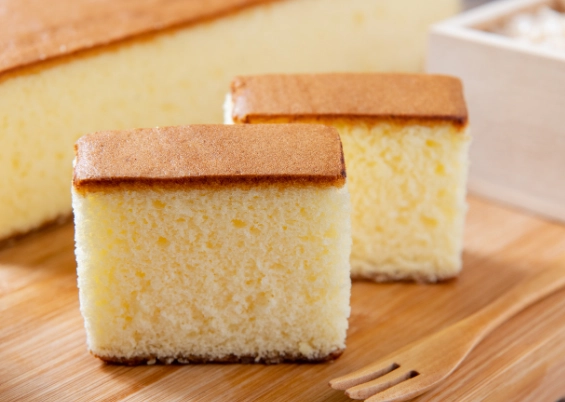
Your Castella Questions, Answered
Why did my Castella cake sink in the middle after cooling?
Nine times out of ten, it's underbaking or improper cooling. The center might look set, but the structure hasn't fully solidified. Use a skewer—it should come out completely clean, with no sticky crumbs. And you must cool it inverted, as described. If you cool it right-side-up, the still-soft center collapses under its own weight.
My Castella is too dry. Can I fix it or prevent it next time?
Once it's dry, it's hard to fix. Prevention is key. First, check your oven temperature with a separate thermometer—an oven running hot will dry it out. Second, ensure you're using enough honey and not over-substituting with sugar. Third, don't overbake. The moment the skewer is clean, take it out. Finally, wrap the completely cooled cake tightly in plastic wrap and let it rest at room temperature overnight. This allows the moisture from the honey to redistribute evenly throughout the loaf.
Where can I buy a real wooden Castella mold, and is it worth it?
You can find them on Japanese e-commerce sites like Rakuten Global or Amazon Japan. Search for "kasutera nabe" (カステラ鍋). They are expensive and require seasoning (rubbing with oil and baking empty). Is it worth it? For a once-a-year baker, probably not—a heavy-gauge, light-colored metal loaf pan lined with parchment will work. For someone serious about mastering Castella and making it regularly, the wooden mold makes a noticeable difference in achieving that perfect, crustless, even bake. It's the tool of the purist.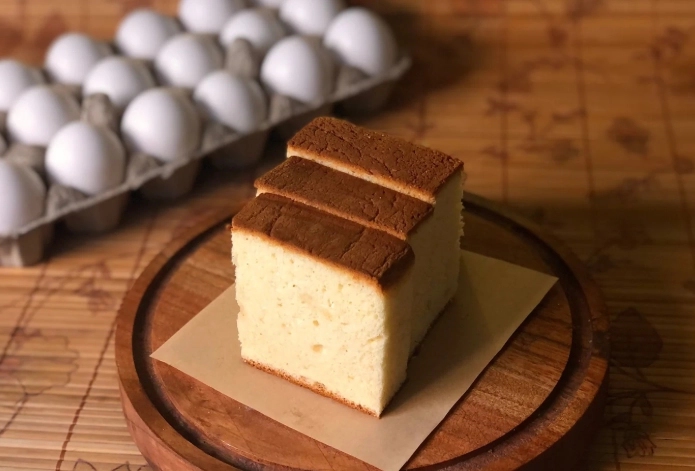
I see "Nagasaki Castella" and "Tokyo Castella"—what's the difference?
This is a subtle but real distinction. Nagasaki Castella is the original style: darker in color (from more honey or longer baking), denser, moister, and with a more pronounced honey flavor. Tokyo Castella (or sometimes just "Castella") is a modern adaptation that tends to be lighter in color and texture, slightly sweeter with plain sugar, and often a bit fluffier. Think of it as the difference between a classic Neapolitan pizza and a New York slice—related, but adapted to local tastes over time.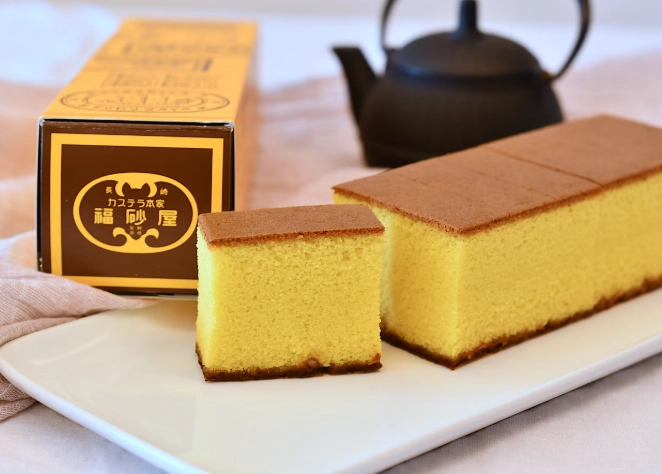
Reader Comments