Quick Guide
Let's talk about one of the most satisfying combos in the world of food: Japanese chicken and rice. It's everywhere in Japan, from the buzzing lunch counters in Tokyo to the quiet family kitchens in Kyoto. There's something deeply comforting about a hot bowl of rice topped with perfectly cooked chicken, a savory sauce, and maybe a softly cooked egg. It hits the spot every single time.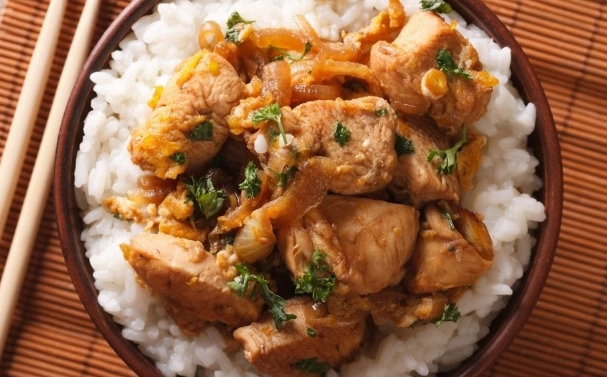
I remember my first real encounter with this world wasn't in a fancy restaurant. It was in a tiny, steamy shop under a train station. The smell was incredible—sweet, salty, savory all at once. I pointed at something on the plastic menu display, and a few minutes later, I had a steaming bowl of what I later learned was Oyakodon. That first bite was a revelation. Simple, affordable, and incredibly delicious. It made me want to try every single one of these Japanese chicken dishes with rice I could find.
The Classics: Homestyle Japanese Chicken Rice Bowls (Donburi)
If you're new to this, the "donburi" or rice bowl is where you should start. A deep bowl, a mountain of white rice, and a glorious topping. It's a complete meal in one dish. Let's break down the big three.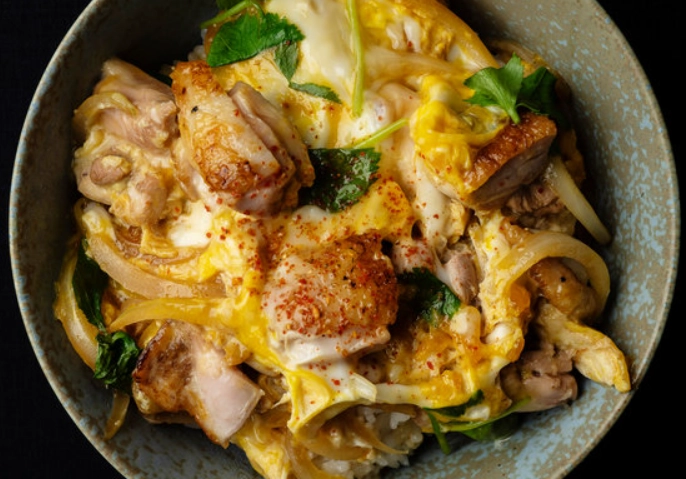
Oyakodon: The Ultimate Parent-and-Child Bowl
The name itself tells a story. "Oyako" means parent and child, referencing the chicken and the egg. It's a bit darkly humorous, but it's a classic for a reason. Thinly sliced chicken and onions are simmered in a sweet-and-salty broth made from dashi (Japanese soup stock), soy sauce, and mirin (sweet rice wine). Just before it's done, beaten egg is poured over the top and cooked until just set, but still wonderfully soft and creamy.
The magic is in the texture. The silky egg mingles with the savory sauce and drapes over the tender chicken and rice. Every spoonful is a mix of soft, savory, and slightly sweet. It's the definition of comfort food. I've had versions where the egg was cooked too hard, almost scrambled, and it just isn't the same. You want that custardy, barely-set consistency.
Chicken Teriyaki Don: The Sweet and Glossy Star
You know this one. Maybe you've even made it at home. But a truly good chicken teriyaki rice bowl is a thing of beauty. The key is the teriyaki sauce—"teri" means luster or shine, and "yaki" means grilled or broiled. So you're aiming for that gorgeous, glossy glaze.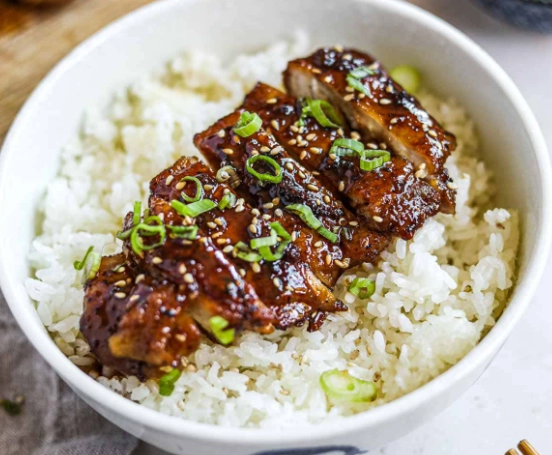
The chicken (thighs are best, more on that later) is usually grilled or pan-fried until the skin is crispy, then glazed or simmered in the sauce. The sauce reduces, thickens, and clings to the chicken. Served over rice, often with some steamed broccoli or a simple salad on the side, it's a crowd-pleaser. It's one of those Japanese chicken and rice dishes that feels both familiar and special.
But here's a common pitfall: the sauce can be cloyingly sweet. A good balance is crucial. The soy sauce must provide enough saltiness to counter the sugar and mirin. A splash of sake in the sauce doesn't hurt either.
Tori Soboro Don: The Minced Chicken Topping
This is the unsung hero of the chicken rice bowl world. "Soboro" means crumbled or minced. Ground chicken is cooked down in a similar sweet-salty seasoning until it becomes a flavorful, crumbly topping. It's often cooked with shiitake mushrooms and maybe some green peas for color and texture.
Why is it great? First, it's incredibly easy and fast to make. Second, the minced texture means the flavor gets into every single grain of rice. It's also a fantastic option for kids or anyone who prefers a less chunky texture. It's not the most glamorous dish to look at, but what it lacks in looks, it makes up for in pure, unadulterated flavor penetration.
| Dish Name | Key Feature | Best For | Skill Level |
|---|---|---|---|
| Oyakodon | Silky, barely-set egg over simmered chicken | Ultimate comfort, quick dinners | Beginner to Intermediate |
| Chicken Teriyaki Don | Glossy, sweet-savory glaze on grilled chicken | Family meals, impressive yet easy | Beginner |
| Tori Soboro Don | Savory minced chicken coating every rice grain | Weeknight speed, kid-friendly meals | Beginner |
See? Three completely different experiences, all centered around that perfect pairing of chicken and rice.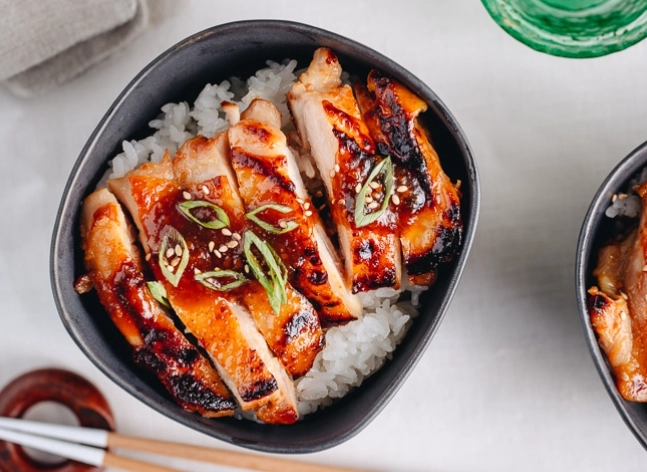
The Crispy Contender: Karaage and Rice
Now let's shift gears from simmered and glazed to something fried and utterly irresistible. Karaage, or Japanese fried chicken, is a phenomenon. And when paired with a bowl of rice, it transforms from a snack into a proper, deeply satisfying meal.
Karaage isn't just fried chicken. The chicken (again, thigh meat is king here) is cut into bite-sized pieces, marinated in a mix of soy sauce, ginger, and garlic, lightly coated in potato starch or flour, and then fried until it's impossibly crispy on the outside and juicy on the inside. The potato starch creates a uniquely delicate, craggy, and non-greasy crust that's unlike any other fried chicken coating.
How do you eat it with rice? You can simply have a plate of karaage next to a bowl of plain white rice. But the real move is to make it a "teishoku" or set meal. This means your plate holds a bowl of rice, a serving of karaage, a small salad or portion of cabbage, a cup of miso soup, and maybe some pickles. It's a complete, balanced, and incredibly satisfying lunch or dinner.
You'll also see karaage as a topping in bento boxes, sitting proudly on a bed of rice. It's one of those Japanese chicken rice dishes that travels well and tastes great even at room temperature, which is why it's such a bento staple.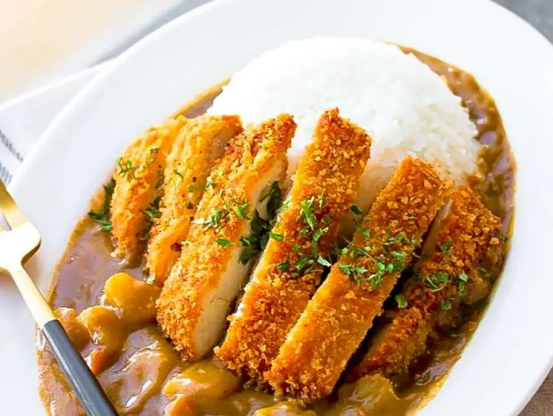
Is it healthy? Well, it's fried. Let's be real. But as an occasional treat, it's unbeatable. The quality of the crunch and the juiciness inside is worth every calorie.
Beyond the Bowl: Other Chicken and Rice Scenarios
The donburi and karaage plate are the headliners, but the world of Japanese chicken and rice is bigger. Here are a few other ways you'll see this duo come together.
Tori Gohan (Chicken Rice)
This is rice cooked *with* the chicken, not topped with it. Pieces of chicken (sometimes with skin for fat), vegetables like carrots and shiitake mushrooms, and sometimes burdock root are cooked together with the rice in the rice cooker. The chicken fat and juices seep into the rice as it cooks, flavoring every single grain. It's fragrant, moist, and a one-pot wonder. You scoop it directly from the rice cooker into bowls. It's the ultimate lazy Sunday dinner that feels anything but lazy.
Chicken Curry with Rice
Japanese curry is a national dish, and chicken is one of the most popular proteins in it. This isn't your Indian or Thai curry. Japanese curry is thicker, sweeter, and milder, with a stew-like consistency. Chunks of chicken, potatoes, and carrots simmer in the rich, brown curry roux until tender. It's then served over a large portion of white rice. The contrast between the mild, fluffy rice and the deeply savory, spiced curry is magical. It's another perfect example of a complete Japanese chicken dish served with rice that families eat weekly.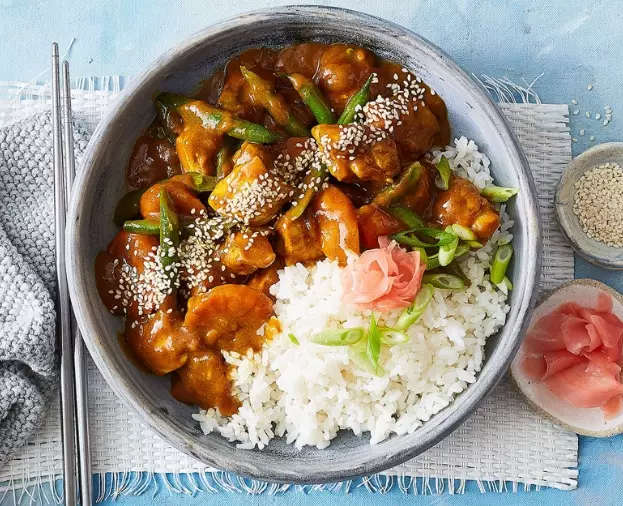
Yakitori over Rice? Sometimes!
Yakitori, skewered grilled chicken, is usually bar food, eaten with a beer. But at some yakitori-ya (restaurants), you can order a bowl of rice and enjoy your skewers as a topping or side. Think of a simple bowl of rice with a couple of sticks of juicy, salty-sweet "tare"-glazed chicken thigh or crispy chicken skin laid across the top. It's a more deconstructed, interactive way to enjoy the combination.
So you've got simmered, fried, cooked-in, and stewed. The variety is pretty amazing for what seems like a simple concept.
How to Make It at Home: Tips from My Kitchen (and My Mistakes)
Okay, so you're inspired. You want to make one of these Japanese chicken and rice dishes yourself. Fantastic. Let me save you some trouble and share what I've learned, often the hard way.
First, the chicken.
For almost all of these dishes, use chicken thigh meat (boneless, skin-on or skin-off). I know breast meat is leaner, but thigh meat has more flavor and, crucially, it stays juicy and tender even through simmering or quick frying. Breast meat can easily become dry and stringy. The fat in the thigh is your friend—it carries flavor and ensures a moist result. For teriyaki and karaage, the skin-on thigh is a game-changer for texture.
Second, the rice.
This is non-negotiable. You need Japanese short-grain rice (like Koshihikari or Calrose). It's stickier, plumper, and has a subtle sweetness that forms the perfect base. Long-grain rice like Jasmine or Basmati just won't give you the right texture or experience. Wash it well until the water runs almost clear to remove excess starch. A good rice cooker is a worthy investment, but you can make it perfectly on the stovetop with a heavy-bottomed pot with a tight lid.
Third, the pantry.
You don't need a huge arsenal, but a few key Japanese condiments are essential:
- Soy Sauce: Use a naturally brewed Japanese soy sauce (like Kikkoman). It's less salty and more complex than some other types.
- Mirin: This sweet rice wine is crucial for that signature sweet-savory balance. Don't substitute it with just sugar. The flavor is different. If you're in a real bind, a tiny bit of sugar mixed with a splash of dry sherry or white wine can be a *very* rough stand-in, but it's not the same.
- Sake: Cooking sake (ryorishu) adds depth and removes any gamey taste from the chicken.
- Dashi: The soul of many simmered dishes. Instant dashi granules (hondashi) are perfectly acceptable for home cooking and are a great pantry staple.
With these four items, you can make the base for Oyakodon, Teriyaki sauce, and the marinade for Karaage. It's the foundation.
FAQs: Your Questions, Answered
What's the easiest Japanese chicken and rice dish for a beginner to cook?
Hands down, Chicken Teriyaki Don. It's essentially pan-frying chicken and making a simple sauce. The steps are straightforward, and it's very forgiving. Tori Soboro Don (minced chicken) is also incredibly easy and almost impossible to mess up.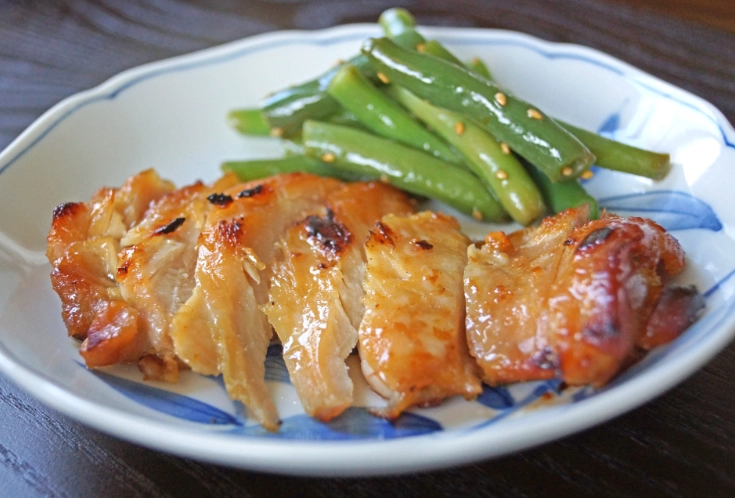
Can I make these dishes with chicken breast instead of thigh?
You can, but I really don't recommend it for the simmered dishes (Oyakodon) or fried (Karaage). Breast meat will almost certainly overcook and become dry. If you must use breast, consider cutting it very small (like for Soboro) or marinating it in a little grated onion or yogurt to help tenderize it before cooking. For Teriyaki, if you use breast, be vigilant and don't overcook it.
What's a good side dish to serve with these meals?
Keep it simple and Japanese-style. A small, fresh salad with a ginger-sesame dressing. A bowl of miso soup (instant packets are fine!). Some quick pickles (like cucumber sunomono) or just a few slices of takuan (yellow pickled daikon). The idea is to have something light, acidic, or salty to cleanse the palate between bites of the rich chicken and rice.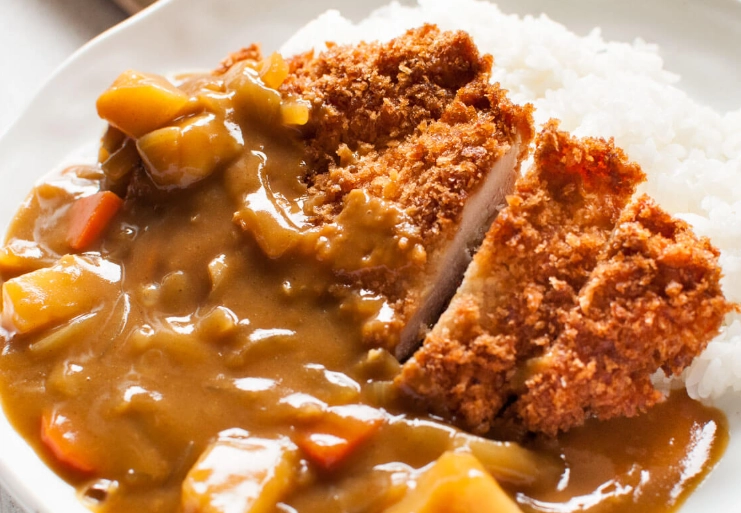
Is there a vegetarian alternative to these dishes?
It's tricky because the chicken is the star. However, for dishes like Oyakodon, some creative cooks make "Tanindon" (unrelated person bowl) using tofu or mushrooms instead of chicken. The egg part remains. For a karaage-like experience, you can try frying large, meaty king oyster mushrooms using the same karaage marinade and potato starch coating. It's surprisingly good and gives a great texture.
Where can I find authentic recipes?
For reliable, tested recipes from Japanese sources, I often turn to websites like Just One Cookbook (run by a Japanese home cook) or the English recipe section of major Japanese food corporations like Kikkoman. They provide clear instructions and explain the "why" behind the steps.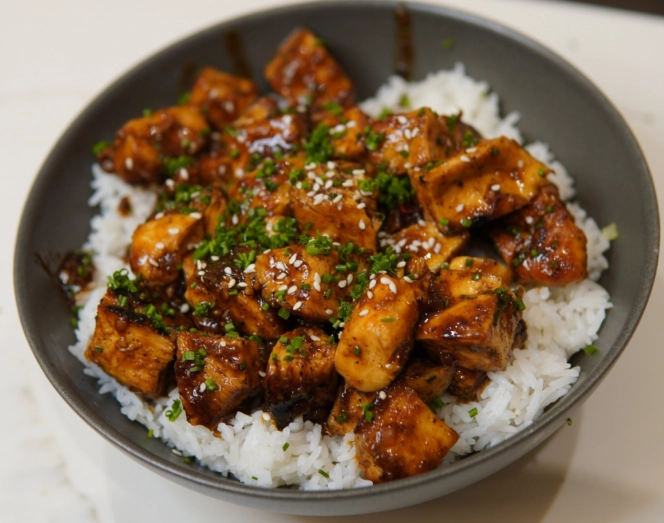
The Final Scoop
Exploring Japanese chicken dishes with rice is like taking a delicious tour of Japanese home cooking. It's not always about fancy sushi or intricate kaiseki. It's about warmth, comfort, and incredible flavor built from a few simple, quality ingredients.
You've got the creamy comfort of Oyakodon, the glossy satisfaction of Teriyaki, the fun crunch of Karaage, and the hearty simplicity of Tori Gohan. Each one solves the eternal question of "what's for dinner?" in a deliciously different way.
The best part? They're all achievable in your own kitchen. Start with a bag of good Japanese rice, some chicken thighs, and a few key bottles from the Asian market. Your first successful bowl will make you feel like a pro. And honestly, once you get the hang of it, you might find yourself craving these more than ordering takeout.
Go on, pick one, and give it a try. You might just find your new favorite weeknight meal.
Reader Comments