Your Agedashi Sauce Journey
Let's be honest. You saw a picture of that gorgeous, crispy fried tofu sitting in a pool of savory, glossy sauce, topped with spring onions and maybe a bit of grated daikon. It looked incredible. You wanted to make it. Then you started looking up recipes and saw words like "dashi," "mirin," "soy sauce ratios," and maybe even "katsuobushi." Suddenly, that simple agedashi sauce recipe didn't seem so simple anymore.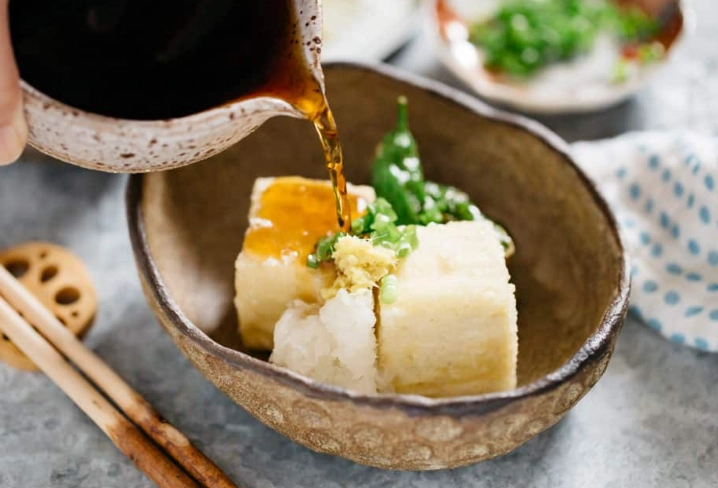
I get it. I've been there. The first time I tried to make agedashi tofu, I completely botched the sauce. It was way too salty, thin, and just... sad. The tofu was perfect, but the sauce ruined it. It felt like a waste.
But here's the thing. A great simple agedashi sauce recipe is actually within reach. It doesn't require a pantry stocked with fifty different Japanese ingredients, and you don't need to be a sushi master to get it right. This guide is here to strip away the confusion. We're going to walk through exactly what agedashi sauce is, why each ingredient matters, and how you can make a fantastic version with what you probably already have at home. No fancy jargon, just clear, actionable steps.
By the end of this, you'll have a reliable, delicious sauce that will make your homemade agedashi tofu taste restaurant-worthy. Promise.
What Even Is Agedashi Sauce, Anyway?
Before we dive into making it, let's understand what we're aiming for. Agedashi tofu (揚げ出し豆腐) is a classic Japanese appetizer. The name gives us clues: "age" means fried, and "dashi" refers to the broth it's served in. So, it's essentially "fried tofu served in broth."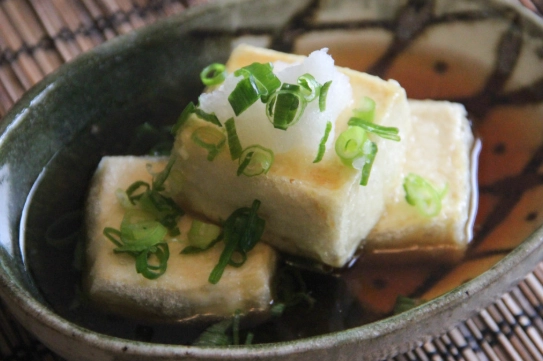
The sauce isn't just a random mixture. It's a carefully balanced, warm, umami-rich broth that serves multiple purposes. It keeps the crispy tofu moist (but not soggy if you serve it right away), adds a huge depth of flavor, and ties all the garnishes together. It's savory, slightly sweet, and incredibly comforting.
The core of any authentic simple agedashi sauce recipe is a trio of Japanese staples. Think of them as the holy trinity for this dish.
The Non-Negotiable Trio: Dashi (the soul), Soy Sauce (the salt & depth), and Mirin (the sweetness & shine). Getting the balance between these three is the secret. Too much soy sauce and it's like a salty puddle. Too much mirin and it's cloyingly sweet. Weak dashi and the whole thing tastes flat.
Deconstructing the Ingredients for Your Simple Agedashi Sauce
Let's break down each component. Knowing why we use something makes it easier to know what you can swap out if you're in a pinch.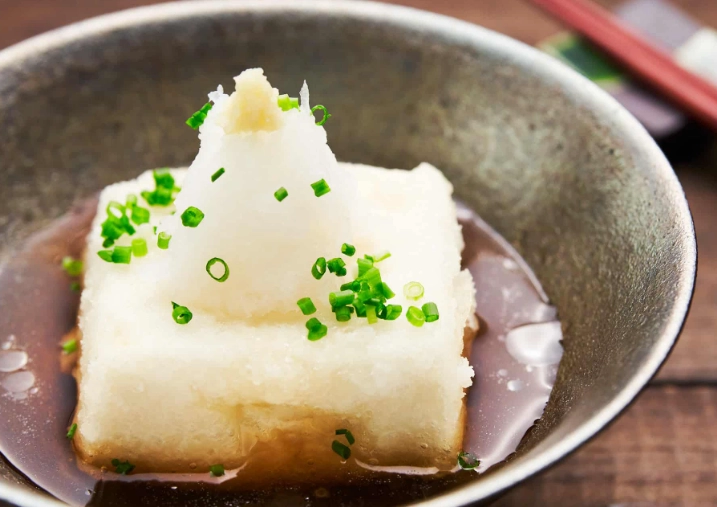
The Heart: Dashi
Dashi is Japanese soup stock. It's the foundational flavor. For agedashi sauce, the most common type is Awase Dashi, made from kombu (dried kelp) and katsuobushi (dried, smoked bonito flakes). This combo delivers a clean, savory, oceanic umami that is unmistakable.
But what if you don't have time to make dashi from scratch?
You have options, and they're all perfectly valid for a simple agedashi sauce recipe.
- Instant Dashi Granules/Powder (Dashi-no-moto): This is the home cook's best friend. It's like Japanese bouillon. Just dissolve it in hot water. Look for "hon-dashi" (which contains bonito) or even a kombu-only version if you're vegetarian. This is what I use 90% of the time for weeknight cooking. It's consistent and fast.
- Dashi Packs (Dashi-pon): These are tea-bag-like sachets filled with bonito and kombu. You steep them in hot water for a few minutes. Slightly more "from-scratch" flavor than granules, still very convenient.
- Homemade Dashi: If you have 20-30 minutes, making a quick kombu and bonito dashi is rewarding. It has a purer, more delicate flavor. The official website of the Japan External Trade Organization (JETRO) often highlights dashi as a cornerstone of Japanese culinary culture, which speaks to its importance.
The Salt & Umami: Soy Sauce
Not all soy sauces are the same. For this sauce, you want a Japanese-style soy sauce (shoyu). They are generally less viscous and saltier than some Chinese varieties. Koikuchi (dark soy sauce) is the most common all-purpose type in Japan and works perfectly here. It provides color, saltiness, and fermented umami.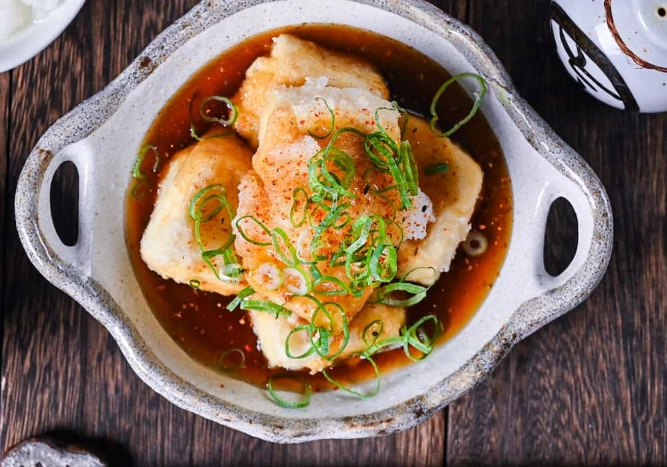
Avoid using "dark soy sauce" meant for Chinese cooking, as it's often sweeter, thicker, and less salty. If you only have a light/low-sodium soy sauce, you may need to use a touch more, but taste as you go.
The Sweetness & Gloss: Mirin
Mirin is a sweet rice wine with a low alcohol content. It's crucial for three reasons: it adds a gentle sweetness to balance the salty soy, it gives the sauce a beautiful glossy sheen, and it helps mellow out any harsh edges in the flavor.
There's a common substitute of sugar + a splash of regular wine or water, but it's not quite the same. Real mirin has a unique flavor. Look for "hon-mirin" (true mirin) for the best results. If you must substitute, use 1 teaspoon of sugar dissolved in 1 tablespoon of water or sherry for every tablespoon of mirin the recipe calls for. It'll work in a pinch for your simple agedashi sauce recipe, but try to get the real thing next time.
The Ultimate Simple Agedashi Sauce Recipe (My Go-To Version)
Alright, enough theory. Let's make the sauce. This is my baseline, no-fail recipe. It scales up easily if you're serving more people.
Ingredients:
- 1 cup (240ml) Dashi: Made from 1 cup hot water + 1 tsp instant dashi granules. Or use homemade.
- 2 tablespoons Soy Sauce: Regular Japanese soy sauce (koikuchi).
- 2 tablespoons Mirin: Hon-mirin if possible.
- 1 teaspoon Sugar (optional): I sometimes add this if my mirin isn't very sweet or if I want a slightly more rounded flavor. Start without it, then taste.
Steps:
- Combine. In a small saucepan, combine the dashi, soy sauce, and mirin. If using sugar, add it now.
- Heat. Place the saucepan over medium heat. Bring the mixture just to a simmer. You'll see small bubbles forming around the edges. Don't let it come to a rolling boil.
- Simmer. Once simmering, reduce the heat to low and let it cook gently for 2-3 minutes. This step is key! It allows the flavors to meld, cooks off the raw alcohol from the mirin, and reduces the sauce slightly, concentrating the flavor.
- Taste & Adjust. This is the most important step. Turn off the heat. Dip a spoon in, let it cool for a second, and taste. Is it too salty? Add a tiny splash of water or dashi. Not savory enough? A pinch more dashi granules. Not sweet enough? A tiny pinch of sugar. Your taste buds are the final judge.
- Serve. Pour the warm sauce into a shallow bowl, then immediately place your hot, crispy fried tofu in it. Garnish and serve right away to maintain the tofu's texture.
See? That's a truly simple agedashi sauce recipe. Four ingredients, one pot, five minutes. The hardest part is waiting for it to simmer.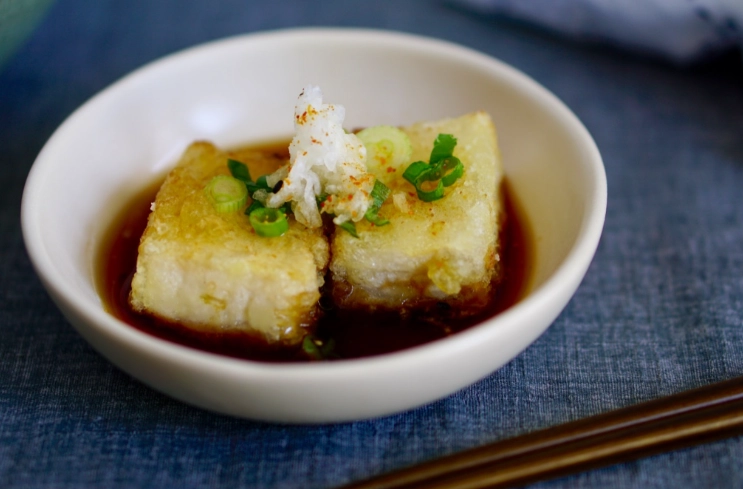
Ingredient Substitutions: When You Don't Have the "Right" Stuff
Life happens. You're craving agedashi tofu but you're out of mirin. Or maybe you want a vegetarian version without bonito. Can you still make the sauce? Absolutely. Here’s a quick-reference table for common swaps.
| Ingredient | Ideal For | Best Substitute | Notes & Ratio |
|---|---|---|---|
| Dashi (Bonito-based) | Traditional flavor | Vegetarian Dashi (Kombu-only) | Use same amount. Steep 10g kombu in 1.5 cups warm water for 30 min, gently heat (don't boil), remove kombu. |
| Dashi (Any kind) | Umami base | Vegetable Broth + Soy | Use low-sodium broth. Add 1/2 tsp soy sauce per cup to boost umami. Taste will differ but be tasty. |
| Mirin | Sweetness & sheen | Sugar + Liquid | Per tbsp mirin: 1 tsp sugar dissolved in 1 tbsp water, sake, or dry sherry. |
| Soy Sauce | Salt & umami | Tamari (GF option) | Use same amount. Tamari is slightly thicker/richer. Low-sodium soy sauce also works. |
| Sugar (for balancing) | Rounding flavor | Maple Syrup or Honey | A tiny drop (1/4 tsp) can work. Adds distinct flavor, so use sparingly. |
The goal of a simple agedashi sauce recipe is accessibility. Don't let a missing ingredient stop you. Use the table above and experiment. Your sauce might not be 100% traditional, but it can still be 100% delicious.
Common Pitfalls & How to Avoid Them
Even with a simple recipe, things can go sideways. Let's troubleshoot the usual suspects.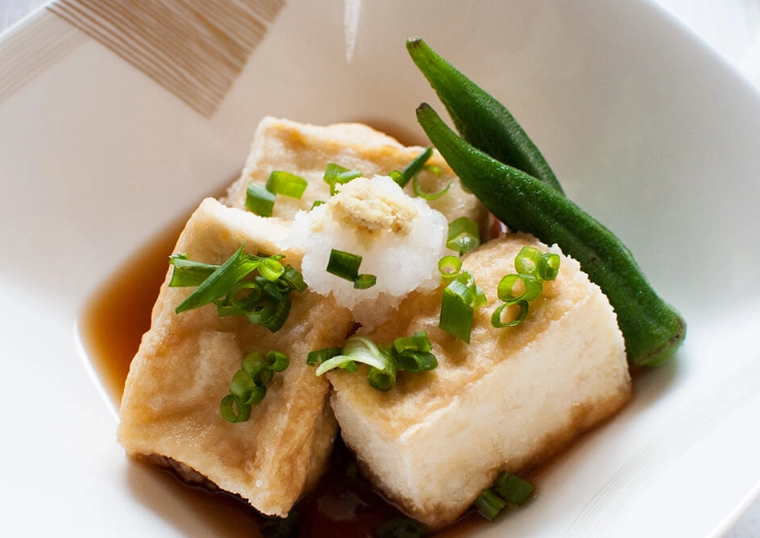
The sauce is too salty. This is the number one complaint. The fix? Dilution. Add a bit more plain dashi or warm water, a tablespoon at a time, until the saltiness recedes. Next time, use a light/low-sodium soy sauce, or reduce the soy sauce by 1/2 tbsp and add a tiny pinch of dashi granules to keep the umami up.
The sauce is too thin/watery. Did you skip the simmering step? That gentle reduction is important. If it's already simmered and still too thin, you can make a slurry. Mix 1/2 teaspoon of cornstarch or potato starch with 1 tablespoon of cold water until smooth. While the sauce is simmering, stir in the slurry. It will thicken almost immediately. Don't overdo it—you want a light coating, not gravy.
The sauce is too sweet. Balance it with a few drops of soy sauce or a squeeze of fresh lemon or yuzu juice. The acidity cuts the sweetness beautifully.
The tofu gets soggy immediately. This is often a serving issue, not a sauce issue. Make sure your tofu is fried until truly crispy and well-drained on a rack. Pour the warm sauce into the bowl first, then add the hot tofu. Serve immediately. Don't let the tofu sit in the sauce for more than a minute or two before eating.
Taking Your Sauce to the Next Level (Optional Tweaks)
Once you've mastered the basic simple agedashi sauce recipe, you can play around. These aren't necessary, but they're fun ways to customize.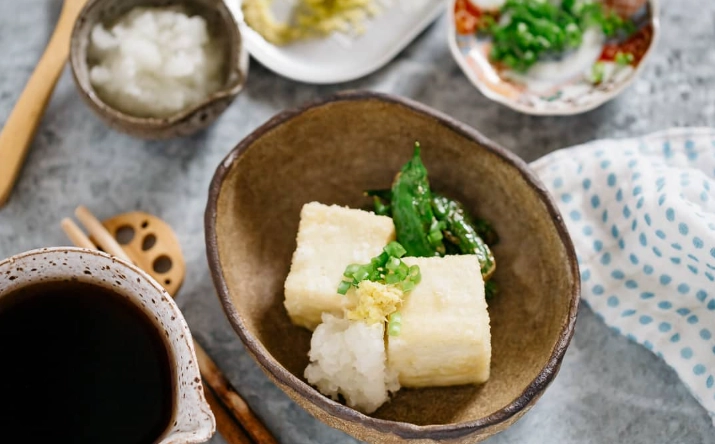
- Add Aroma: Steep a 1-inch piece of kombu in the cold dashi for 30 minutes before heating, then remove it. Or add a small slice of fresh ginger to the saucepan while simmering.
- Add Depth: A teaspoon of sake added with the mirin adds another layer of fermented complexity. Cook it off with the mirin.
- Add Richness: A tiny, tiny drizzle of toasted sesame oil over the finished dish is heavenly. Not traditional, but delicious.
- Add Zing: A few drops of fresh yuzu or lemon juice added after heating brightens everything up.
I sometimes add a bit of grated daikon directly into the warm sauce instead of just on top. It makes it slightly thicker and adds a fresh, peppery note throughout. Not for everyone, but I like it.
The Big Picture: Why This Simple Sauce Matters
Mastering a simple agedashi sauce recipe is more than just learning one dish. It's a gateway into understanding fundamental Japanese flavor principles: the balance of umami (dashi), salt (soy), and sweetness (mirin). This same balancing act appears in countless other dishes—teriyaki sauce, noodle broths, marinades.
It teaches you about layering flavors and the importance of a good base. When you taste how the dashi rounds out the sharpness of the soy sauce, you start to understand why chefs obsess over stock.
And most importantly, it demystifies a cuisine that can sometimes feel intimidating.
You don't need to fly to Tokyo to enjoy authentic-tasting Japanese food. With a few key ingredients and this reliable guide, you can create something truly special in your own kitchen. The satisfaction of nailing that perfect, glossy, savory-sweet sauce and pouring it over your own crispy tofu... it's unbeatable.
Got questions I didn't cover? Made a brilliant substitution that worked? I'd love to hear about it. The beauty of a simple agedashi sauce recipe is that it's a starting point for your own culinary experiments. Happy cooking!
Reader Comments