I still remember my first real kabayaki. It wasn't in Japan, but in a tiny, steamy restaurant in Los Angeles' Little Tokyo. The smell hit me first—sweet, smoky, savory, like caramelized soy sauce over charcoal. Then the plate arrived: a glossy, dark brown fillet of unagi eel draped over a perfect mound of rice, the sauce glistening. One bite and I was hooked. The flesh was tender, almost melting, but with a slight resistance from the crisped skin. The flavor was intense, complex, and deeply comforting. I had to know everything about it.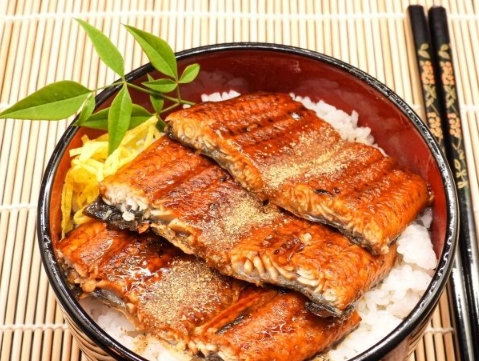
That's what this guide is for. If you've ever wondered what makes this Japanese dish so special, how to make it yourself without burning down the kitchen, or where to find an authentic version near you, you're in the right place. We're going beyond the basic Wikipedia definition.
What's Inside This Kabayaki Guide
What Exactly Is Kabayaki? (It's Not Just "Grilled")
Calling kabayaki "grilled eel" is like calling a Ferrari "a car." Technically true, but it misses the artistry. Kabayaki refers specifically to the preparation method for unagi (freshwater eel). The process is rigid, almost ritualistic.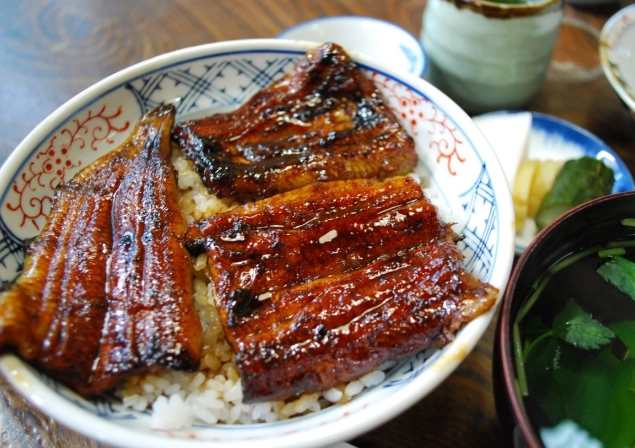
First, the eel is butterflied and deboned—a skill that takes years to master. Then it's skewered. This is crucial. The skewering method, which stretches the eel flat, determines the final texture. Next comes steaming. This is the step most home recipes (and many mediocre restaurants) skip. Steaming renders out excess fat, tenderizes the tough eel flesh, and prepares it to absorb the sauce. Without steaming, you get tough, greasy eel.
Finally, grilling. The eel is grilled over charcoal, basted repeatedly with a sweet-savory sauce called tare. This isn't a one-time brush. It's a multi-step process of grilling, basting, and caramelizing that builds layers of flavor and that signature lacquered glaze.
The sauce itself, the tare, is a closely guarded secret in many establishments. The base is usually soy sauce, mirin, and sugar, but aged versions, sake, and even eel bones are added for depth. A good tare has balance—not too sweet, not too salty, with a rounded umami that lingers.
Did you know? There are two main styles of kabayaki skewering: Kansai-style (from Osaka/Kyoto) where the eel is butterflied from the belly, and Kanto-style (from Tokyo) where it's split from the back. Kanto-style involves steaming first, which is said to make it less greasy. Most restaurants today use a hybrid method.
The Real Deal: Making Kabayaki at Home
Let's be honest. Preparing a live unagi from scratch is a project for the deeply committed. The eel is slippery, strong, and the bones are tricky. For 99% of us, the realistic path starts with a prepared, bone-in or boneless unagi fillet. You can find these frozen at Japanese or Asian grocery stores. This isn't cheating; it's being smart.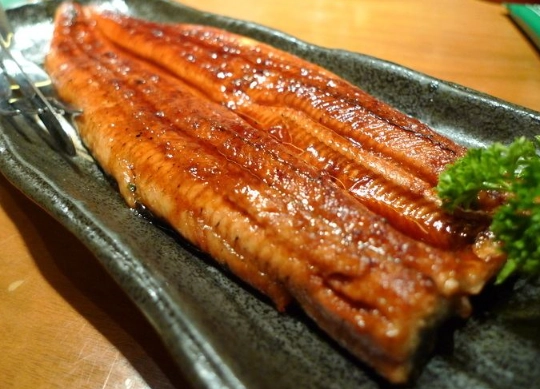
The real magic—and where you can put your own stamp on it—happens with the grilling and the sauce.
The Sauce: Your Secret Weapon
Don't just use the packet that comes with the frozen eel. Making your own tare is simple and transformative.
- 1/2 cup mirin (cook off the alcohol first by simmering for a minute)
- 1/2 cup soy sauce (use a good Japanese brand like Kikkoman)
- 1/3 to 1/2 cup sugar (adjust to your taste; I prefer less sugar)
- 1 tbsp sake (optional, but adds complexity)
Combine everything in a small saucepan. Bring to a simmer over low heat, stirring until the sugar dissolves. Let it bubble gently for 10-15 minutes until it thickens slightly. It should coat the back of a spoon. Let it cool. This keeps in the fridge for weeks.
The Grilling: Patience is Key
Here's the common mistake: cranking the heat to high and throwing the eel on. You'll burn the sugar in the sauce before the eel heats through.
- Thaw your fillet completely in the fridge. Pat it extremely dry with paper towels. Moisture is the enemy of browning.
- Preheat your broiler, grill pan, or outdoor grill to medium heat. You want a steady, gentle heat.
- Place the eel skin-side down first. Grill for 2-3 minutes until the skin starts to crisp and you see some fat rendering.
- Flip. Now brush the flesh side generously with your homemade tare. Grill for another 2 minutes.
- Flip again (back to skin-side). Brush the skin side with sauce. Repeat this flip-and-baste process 2-3 more times per side. You're building layers of flavor and that sticky glaze. The whole process should take 8-12 minutes.
- The eel is done when it's hot through, the edges are slightly crispy, and the sauce is caramelized.
Finding the Best Kabayaki Restaurant: A Global Shortlist
Eating kabayaki at a specialist restaurant is an experience. The aroma of binchotan charcoal, the focused chef, the specific way it's served. Here are a few iconic spots and what makes them stand out.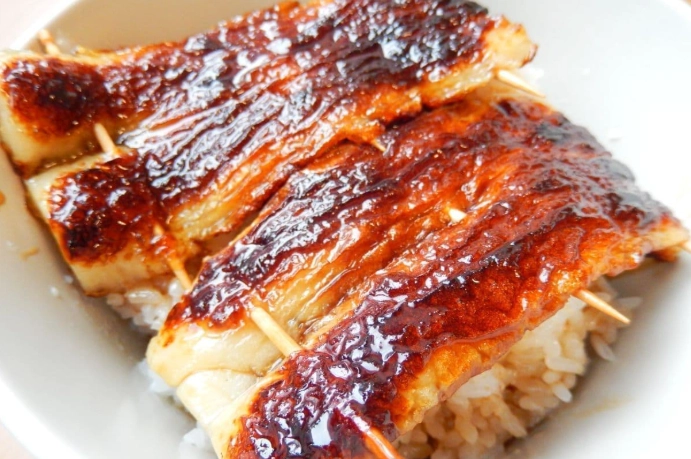
| Restaurant Name | Location | What Makes It Special / What to Order | Price Range (per person) |
|---|---|---|---|
| Nodaiwa | Tokyo, Japan (Multiple branches, main in Ginza) | Perhaps the most famous. Over 200 years old. Their unaju (eel over rice in a lacquer box) uses eel from a specific lake. The tare is a multi-generational secret. | ¥5,000 - ¥10,000 |
| Unagi Hirokawa | Kyoto, Japan (Near Arashiyama) | Known for exceptional texture. They use a special grill that allows for perfect, consistent heat. Expect a long queue. Try the shirayaki (salt-grilled) first, then the kabayaki. | ¥4,000 - ¥8,000 |
| Kappo Sakamoto | Honolulu, Hawaii, USA | A tiny, unassuming spot that sources high-quality eel. Their sauce is less sweet than typical, letting the eel's flavor shine. The unagi donburi is legendary locally. | $25 - $40 |
| Sakanaya | London, UK | A reliable, no-frills Japanese fishmonger and restaurant. Their kabayaki is solid, using good imported eel. It's not fancy, but it's authentic and a lifesaver for a craving in London. | £20 - £35 |
When you go, always order the unaju or unadon (the set with rice). Eat it with the pickles and the clear soup. The interplay of rich eel, plain rice, and tart, crunchy pickles is the intended experience.
Beyond the Plate: Culture and Sustainability
Kabayaki isn't just food; it's deeply tied to Japanese culture, specifically the midsummer Day of the Ox (Doyo no Ushi no Hi). It's believed eating unagi on this day provides stamina to get through the hot, exhausting summer. This tradition single-handedly creates a massive seasonal demand spike.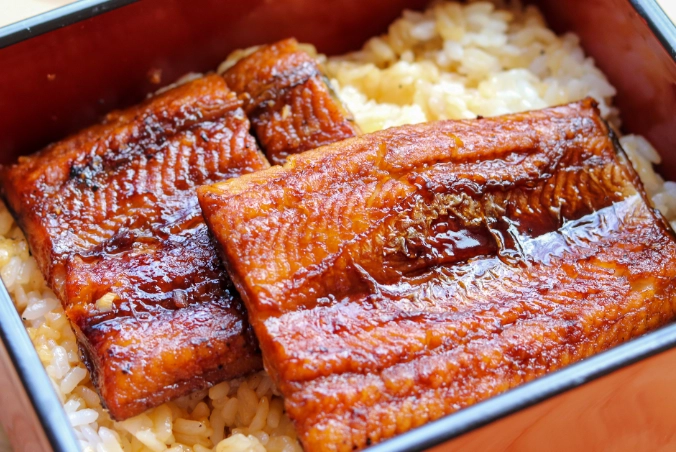
And that leads to the elephant in the room: sustainability. Japanese eel (Anguilla japonica) is classified as endangered. Wild stocks have plummeted due to overfishing, habitat loss, and ocean current changes. Almost all "wild" eel you eat is actually farmed from wild-caught juvenile glass eels.
What can you do as an eater?
- Ask questions. A reputable restaurant should know their source.
- Consider alternatives. Some places offer kabayaki made with sustainable anago (saltwater eel), which has a softer, more delicate flavor.
- Support transparency. Look for restaurants or suppliers that participate in traceability programs. Research from organizations like the Sustainable Eel Group is pushing for better practices.
Enjoying kabayaki responsibly means appreciating it as a precious resource, not an everyday commodity.
Reader Comments