Let's talk about Japanese fried chicken, or as it's properly known, karaage. It's everywhere in Japan—from convenience store counters to high-end izakayas. But there's a huge gap between the good stuff and the mind-blowing stuff. That gap is usually a few simple, often overlooked details. I've burned more than my share of chicken pieces and eaten enough karaage across Tokyo and Osaka to know what separates the home cook from the master. This guide is about closing that gap.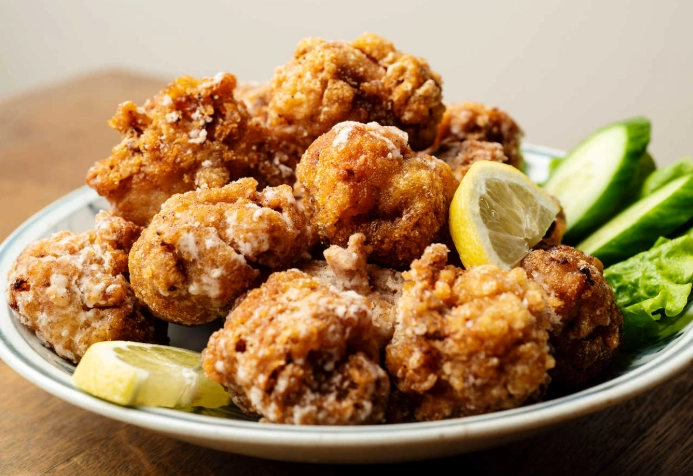
What's Inside This Guide
What is Karaage, Really?
Karaage isn't just "Japanese fried chicken." That's like calling a Ferrari "a car." Technically, the term refers to a cooking method where bite-sized pieces of meat or fish are lightly coated in starch and deep-fried. But when you say "karaage" in Japan, everyone thinks of chicken.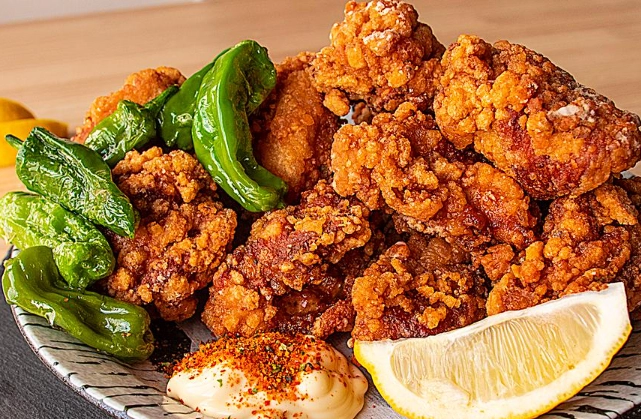
The magic lies in its deceptive simplicity. The goal is a shatteringly crisp exterior that gives way to unbelievably juicy, flavorful chicken inside. Unlike its heavier, batter-dipped American cousin, karaage feels light. You can eat a whole plate and not feel like you need to lie down.
Its history is practical. It's believed the method was influenced by Chinese cooking techniques, adapted in Japan to make the most of available ingredients. The classic marinade of soy sauce, sake, and ginger isn't just for flavor—the sake tenderizes the meat, and the soy sauce helps the starch coating stick. It's humble food perfected over generations.
The Karaage Difference: It's not battered, it's coated. The thin layer of starch (almost always potato starch, or katakuriko) fries into a delicate, crackly shell. The chicken is typically marinated first, so the flavor is in every bite, not just on the surface.
How to Make Authentic Karaage at Home
You can find a basic karaage recipe anywhere. I want to give you the version that will make your friends ask if you trained in Tokyo. The ingredient list is short. The technique is everything.
The Foundation: Ingredients Matter
Chicken: Use skin-on, bone-in chicken thighs. Debone and cut them into 1.5-inch pieces. The skin is non-negotiable for me—it fries into the most amazing, crispy bits. The fat under the skin keeps the meat moist. Breast meat dries out too easily for this application.
The Marinade (下味, shitaji):
- 2 tbsp soy sauce
- 2 tbsp sake
- 1 tbsp grated ginger (juice included)
- 1 grated garlic clove (optional, but great)
Mix with the chicken and let it sit for 30 minutes to 2 hours in the fridge. No longer. Overnight marinating is a trap—the soy sauce will start to cure the chicken, making it firm.
The Coating: Potato starch (katakuriko). Don't substitute. Cornstarch gets gummy. Flour gets doughy. Potato starch is what creates that iconic, glass-like crispness. Put a generous amount in a bowl or a plastic bag.
The Secret Ingredient: Double Frying
This is the step most home recipes gloss over, and it's the single biggest upgrade you can make.
After marinating, toss the chicken pieces in the potato starch until lightly but completely coated. Let them sit on a rack for 5-10 minutes. This lets the starch hydrate and form a better seal.
Heat neutral oil (like canola or peanut) to 340°F (170°C). Fry the chicken in batches for about 3-4 minutes, until it's just cooked through and pale golden. This is the first fry. Take it out and let it drain on a rack.
Now, crank the heat. Get your oil to 375°F (190°C). Fry the chicken again for about 45-60 seconds per batch. This second, hotter fry is what blows the moisture out of the coating, making it unbelievably crispy and locking the juices inside the meat. The color will turn a perfect deep golden brown.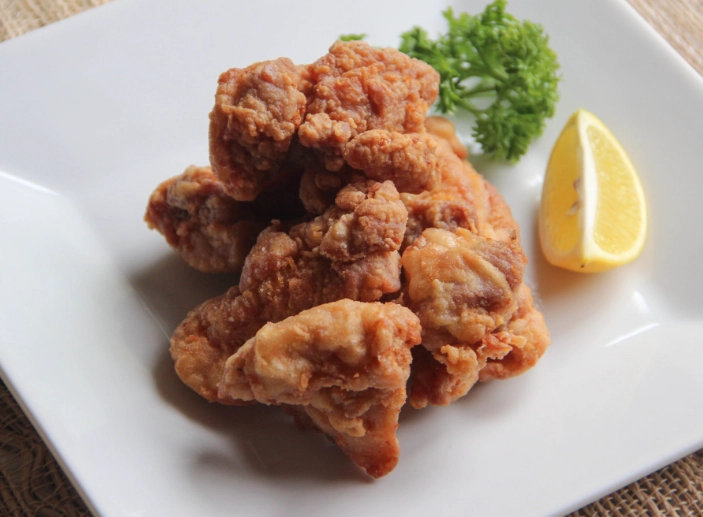
The result? Chicken that stays crispy even after 15 minutes on the table.
Where to Find the Best Karaage in Japan
You can get great karaage just about anywhere. But these spots are destinations in their own right. I'm focusing on places where karaage is the star, not just an item on the menu. Prices are approximate and can vary.
| Restaurant Name & Location | What Makes It Special | Price Point & Notes |
|---|---|---|
| Torikizoku (鳥貴族) Nationwide chain, hundreds of locations. |
Consistently solid, affordable izakaya-style karaage. Their "tebasaki" (wing) karaage is legendary—small, crispy, and perfectly seasoned. It's the benchmark for chain restaurant quality. | ¥330 per plate. Everything on the menu is ¥330 (+tax), making it a fantastic, budget-friendly option. Expect a wait during peak hours. |
| Karaage-ya (からあげ屋) Standalone shops & inside stations nationwide. |
This is a dedicated karaage takeout shop. You choose your seasoning (shoyu, salt, spicy). The chicken is always freshly fried, juicy, and the portions are huge for the price. The ultimate convenience store upgrade. | ¥500-¥800 for a substantial box. Grab it for a picnic in the park or a train ride snack. |
| Ginza Birdland Ginza, Tokyo (in the Sukiyabashi Jiro building). |
Michelin-starred yakitori that serves arguably Tokyo's most refined karaage. It's a single, perfect piece of thigh meat, delicately coated and fried. It's less about crunch and more about sublime texture and pure chicken flavor. | ¥1,500+ per piece. Part of an omakase course. An experience, not a meal. Reservations are extremely difficult but worth trying for a special occasion. |
| Kushikatsu Daruma (串カツだるま) Shinsekai, Osaka. |
While famous for kushikatsu (deep-fried skewers), their karaage plate is a hidden gem in the heart of Osaka's fried food district. It's hearty, generously portioned, and embodies the robust, comforting flavor of Kansai cuisine. | ¥700-¥900. Eat in the loud, lively atmosphere of Shinsekai. Dip it in their tonkatsu sauce for a local twist. |
My personal sleeper hit? Any local izakaya (Japanese pub) that's packed with salarymen after 8 PM. The karaage is almost always excellent, made in small batches throughout the night. Look for places with a hand-written menu.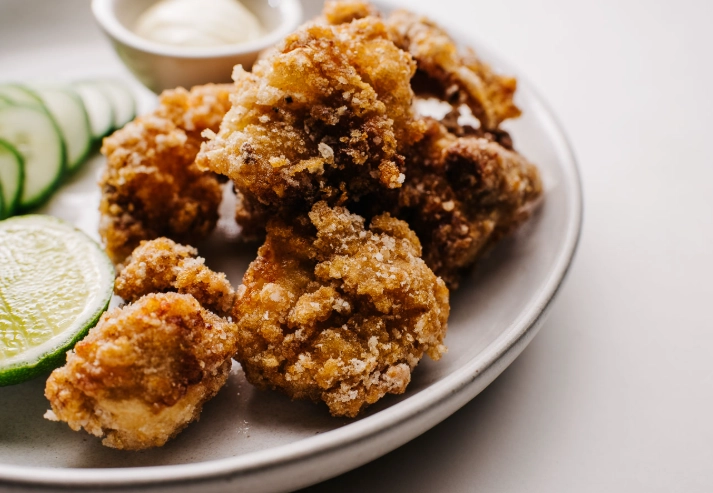
Your Karaage Questions, Answered
Can I use cornstarch instead of potato starch for karaage?
You can, but the texture won't be the same. Potato starch creates a uniquely light, crispy, and almost glass-like shell that stays crunchy longer. Cornstarch tends to be denser and can get soggy faster. If you're in a pinch, a 50/50 mix of cornstarch and flour is better than cornstarch alone.
What's the ideal oil temperature for frying karaage?
Start at 340°F (170°C) for the first fry. This lower temperature cooks the chicken through without burning the coating. For the second fry, which is crucial for ultimate crispness, heat the oil to 375°F (190°C). The second, hotter fry is what locks in the juiciness and creates that signature crackly exterior.
Is karaage healthier than regular fried chicken?
It can be, due to a few factors. The pieces are smaller, which can help with portion control. The potato starch coating absorbs less oil than a heavy batter. Using skinless thigh meat is common and leaner than some other cuts. However, it's still fried food. The healthiest version is homemade where you control the oil quality, frying time, and serve it with a side of shredded cabbage or a fresh salad.
How long can I marinate karaage chicken?
30 minutes to 2 hours is the sweet spot. Overnight is a common mistake. The soy sauce and sake in the marinade are salty and acidic. Leaving chicken in it for more than 4-6 hours can start to cure the meat, making it firm and almost ham-like in texture, rather than tender and juicy. If you need to prep ahead, mix the marinade and chicken, then freeze it raw. Thaw in the fridge before coating and frying.
The beauty of karaage is its accessibility. You can spend years perfecting it, or you can walk into a tiny shop in Tokyo and get a masterpiece for a few hundred yen. It embodies what's great about Japanese food: taking a simple idea and polishing it until it shines. Whether you're frying it up in your kitchen or seeking it out on your next trip, now you know what to look for. Skip the breast meat, find the potato starch, and don't be afraid of that second fry. Your taste buds will thank you.
Reader Comments