Explore This Guide
- The Core of the Matter: It's All About Harmony
- Deconstructing the Special Sauce (Literally)
- The "Wok Hei" of Japan: The Power of Teppan
- More Than a Street Food: A Cultural Chameleon
- Yakisoba vs. Chow Mein: The Showdown
- The Homemade Challenge: Capturing the Magic
- Addressing the Elephant in the Room: Is Yakisoba Healthy?
- Final Thoughts: The Special Sauce is the Experience
You see it at every summer festival in Japan, steam rising from giant iron griddles, the sound of metal spatulas clanging against metal. You smell it before you see it – that unmistakable, savory-sweet aroma that cuts through the air. It's yakisoba. For years, I thought it was just Japanese chow mein. A simple street food. Then I actually tried to make it at home, and let me tell you, my first attempt was a salty, soggy disaster. That's when I started asking the real question: what is special about yakisoba that makes it so much more than the sum of its parts? It turns out, the answer isn't just one thing. It's a whole story about texture, chemistry, culture, and a sauce that people will argue about for hours.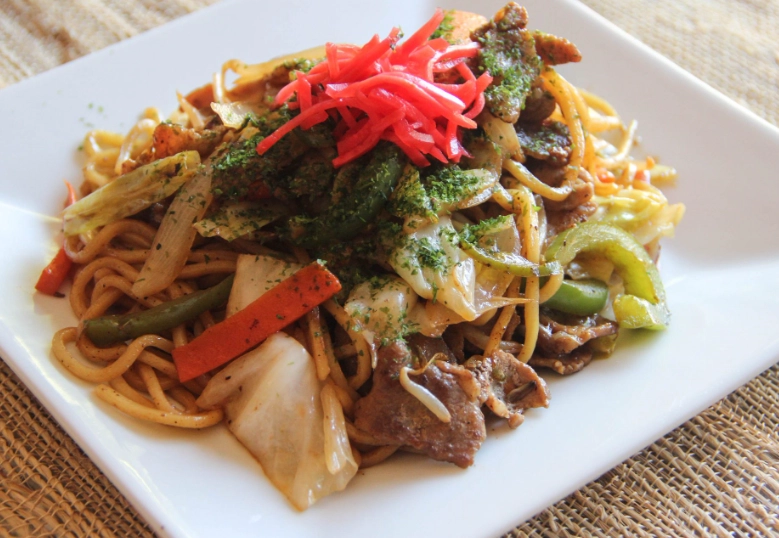
It's not just fried noodles. Calling it that is like calling a symphony just a bunch of notes. The magic is in how those notes are arranged. So, let's ditch the simple definitions and dig into what truly sets this dish apart, from the science of its flavor to its place in the heart of Japanese food culture. Whether you're a curious foodie or someone who's stared at a pack of yakisoba noodles in the Asian aisle wondering what to do with them, I'm hoping to give you the full picture. The good, the messy, and the utterly delicious.
The Core of the Matter: It's All About Harmony
If you ask me, the specialness of yakisoba starts with a paradox. It's wildly popular and common, yet achieving a truly great version requires a bit of finesse. It's a humble dish with a complex soul. The core concept is straightforward: wheat noodles stir-fried with meat (usually pork) and vegetables (cabbage, carrots, bean sprouts), all brought together with a specific, glossy, dark sauce. But within that simplicity lies a world of nuance. The goal isn't to showcase one overpowering ingredient. It's about creating a perfect, unified bite where the sweet-salty-umami sauce coats every strand and clings to every piece of veggie and meat, the noodles have a distinct springy chew, and the cabbage retains a whisper of crunch. That harmony is the first, and maybe biggest, answer to what makes yakisoba special.
Deconstructing the Special Sauce (Literally)
Let's start with the elephant in the room – the sauce. This is the undisputed heart of the dish, the flavor fingerprint. Forget any notion of it being just soy sauce and sugar. A proper yakisoba sauce is a carefully balanced condiment in its own right, often compared to a thicker, fruitier, less-vinegary Worcestershire sauce.
I remember buying a bottle of Otafuku sauce, probably the most famous brand, and being surprised by the ingredient list. It's a deep dive into umami: fruits and vegetables (like apples, tomatoes, onions) pureed and fermented, blended with soy sauce, sugar, vinegar, and spices. This complexity creates a flavor profile that's layered. You get an initial sweet tang, followed by a deep savory punch, and a lingering richness that doesn't just sit on the surface but gets absorbed into the noodles. Using just soy sauce and sugar gives you a flat, one-dimensional taste. The real sauce gives you a story in every bite.
Many households and restaurants have their own secret tweaks – a splash of oyster sauce for depth, a bit of ketchup for a brighter tomatoey sweetness and color (don't knock it till you've tried it), or even a touch of Japanese curry powder for a hint of warmth. This adaptability is part of its charm. The sauce is a constant, but its expression can be personal.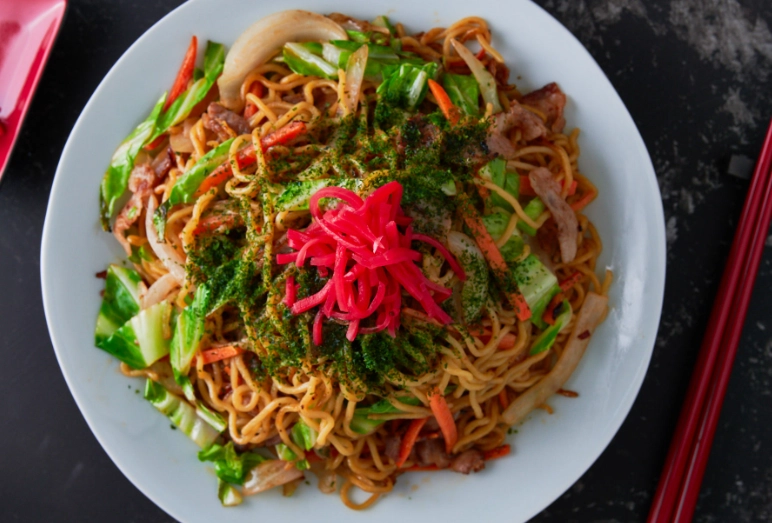
The Noodles: Not Your Average Ramen
Here's another key factor. Yakisoba noodles are different from ramen or udon. They're made from wheat flour, but they're typically steamed and then oiled before packaging, which is why you find them in the refrigerated or frozen section, not dried. This pre-cooking gives them a unique texture. They're designed to be stir-fried. They resist getting mushy, instead developing a wonderful koshi – a pleasant, springy firmness – while still absorbing the sauce beautifully. Trying to make yakisoba with dried spaghetti or instant ramen bricks is a recipe for disappointment. The texture will be all wrong. The noodles need to be sturdy enough to withstand the high heat and vigorous tossing without breaking down.
Some regions even use slightly thicker or thinner variations, which changes the sauce-to-noodle ratio and the mouthfeel. It’s a subtle but important detail that true enthusiasts will notice.
The "Wok Hei" of Japan: The Power of Teppan
This might be the most underappreciated aspect. The cooking method is crucial. Authentic yakisoba is cooked on a large, flat iron griddle called a teppan or in a very wide, heavy pan or wok. Why? Surface area and heat.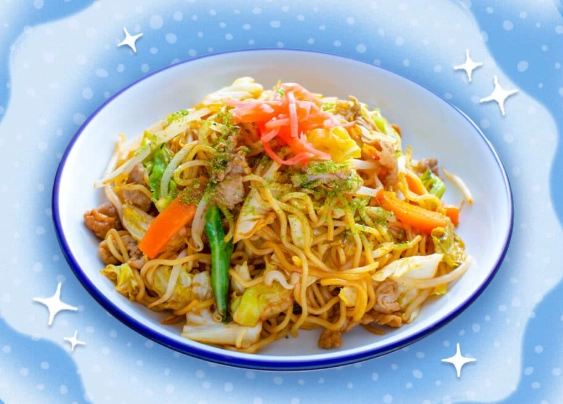
The goal is to get a quick, intense sear. You're not simmering or stewing. You're flash-frying at high heat. This does a few magical things:
- Caramelization: The sugars in the sauce and vegetables hit the hot metal and caramelize, creating little browned, flavorful bits (the fond) that get incorporated back into the dish.
- Texture Contrast: The high heat ensures the vegetables, especially cabbage and bean sprouts, soften slightly but keep a vital crunch. The noodles get a few delightful crispy edges here and there.
- Concentrated Flavor: Moisture evaporates quickly, concentrating the flavors of the sauce instead of diluting them.
That smoky, slightly charred aroma and flavor? That's the Japanese equivalent of "wok hei," and it's non-negotiable for the real deal. Cooking it in a small, crowded pot steams the ingredients and makes everything soggy. I learned this the hard way. You need space for the food to literally dance on the hot surface.
More Than a Street Food: A Cultural Chameleon
This is where what is special about yakisoba transcends the plate. Yes, its fame is cemented as the king of Japanese festival food (yatai fare). Served on a paper plate with a tiny paddle-shaped fork (a bera), topped with pink pickled ginger (beni shoga), aonori seaweed flakes, and sometimes a drizzle of mayonnaise – it's an iconic experience. The Japanese Ministry of Agriculture, Forestry and Fisheries (MAFF) even highlights yakisoba as a prime example of B-kyu gurume (B-grade gourmet) – delicious, affordable, and deeply comforting local cuisine.
But its role doesn't end there. It's a beloved home-cooked meal. It's a standard item on family restaurant menus. It's even a popular filling for bread – yakisoba pan, a carb-on-carb masterpiece that sounds bizarre but is utterly satisfying. This versatility, this ability to be both a celebratory street snack and a quick Tuesday night dinner, is a huge part of its enduring appeal. It's democratic food.
Different regions in Japan have their own proud variations, adding local ingredients or twists. For example, in some areas, they might top it with a raw egg, or use squid and other seafood abundantly. This local pride showcases how the basic template is a canvas for creativity.
Yakisoba vs. Chow Mein: The Showdown
It's the most common comparison, and honestly, it's a fair question. They look similar. Both are stir-fried wheat noodles. But the devil is in the details, and understanding these differences highlights what's special about yakisoba in the global noodle landscape.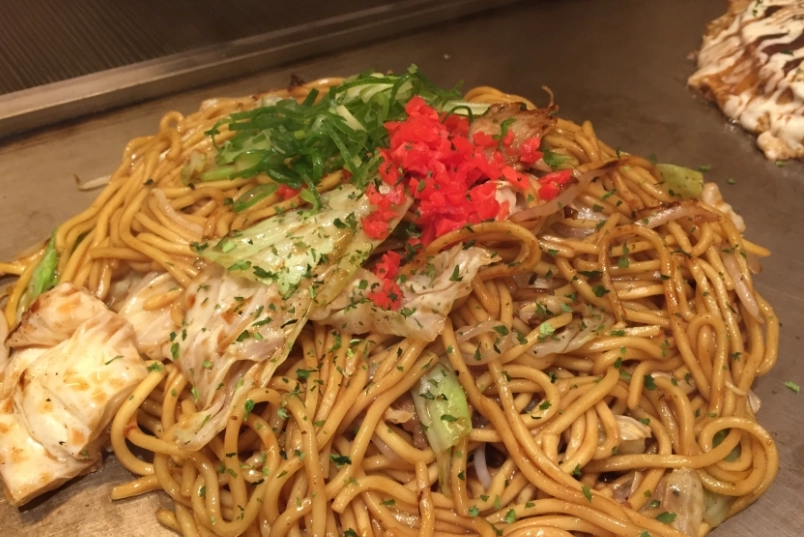
| Aspect | Yakisoba (Japan) | Chow Mein (Chinese-style) |
|---|---|---|
| Noodles | Pre-steamed, oiled, fresh noodles. Springy, chewy texture meant for stir-frying. | Often uses par-boiled or fresh thin egg noodles, or even crispy fried noodles for "crispy chow mein." Texture can vary from soft to very crisp. |
| Core Sauce/Flavor | Built around a specific, proprietary sweet & savory Worcestershire-style sauce (often fruit/veg based like Otafuku). Flavor is unified, glossy, and coats everything evenly. | Seasoned during cooking with a combination of soy sauce, oyster sauce, sesame oil, etc. Sauce is often lighter, less sweet, and more liquid, pooling at the bottom of the plate. |
| Cooking Style | High-heat stir-fry on a flat teppan or wide pan for caramelization and a mix of soft/crispy textures. | Stir-fried in a wok, often very quickly over extremely high heat (wok hei). Can be saucy or dry. |
| Typical Aromatics/Base | Often starts with pork fat or oil, but the flavor base is less about garlic/ginger and more about the sauce itself. | Almost always starts with garlic, ginger, and sometimes scallions fried in oil to create a fragrant base. |
| Common Add-ins | Pork, cabbage, carrots, bean sprouts, green onion. Topped with beni shoga (red ginger), aonori, katsuobushi, mayo. | Varies widely: chicken, beef, shrimp, bok choy, mushrooms, bell peppers, water chestnuts, etc. No standard garnish. |
| End Result | A cohesive, unified dish where every component tastes like the sauce. The noodles are the star, coated and flavorful. | A mix of distinct ingredients and noodles, where you can often taste individual components. The noodles are a component among others. |
See? They're cousins, not twins. Chow mein is about the harmony of distinct elements in a stir-fry. Yakisoba is about the noodles fully embodying a singular, complex sauce. It's a different philosophy.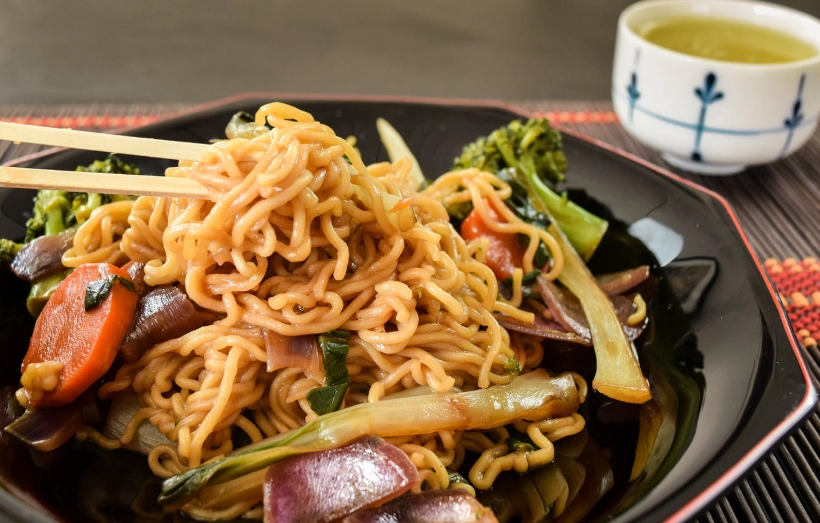
A Common Trap: Don't use Italian pasta or instant ramen bricks as a substitute for yakisoba noodles if you can help it. The texture and starch content are wrong, and you'll spend the whole time wondering why your dish doesn't taste "right." Seek out the real thing in an Asian grocery store's chilled section.
The Homemade Challenge: Capturing the Magic
So, you want to try making it? Here's the good news: it's absolutely doable. The bad news? Nailing that festival-style flavor requires attention to a few things most online recipes gloss over.
First, get the right noodles. Look for packages labeled "yakisoba noodles" or "chuka soba" in the fridge/freezer aisle. Brands like Myojo or frozen options work. If you absolutely must substitute, fresh Chinese egg noodles are the closest, but it's not perfect.
Second, don't skimp on the sauce. Buy a bottle of Japanese yakisoba sauce (Otafuku, Bulldog) for your first few attempts. It's the cheat code to authenticity. Once you know that flavor profile, you can try making your own blend with Worcestershire, oyster sauce, ketchup, soy, and a touch of sugar and mirin.
The Technique: Order of Operations Matters
- Prep is everything. Cut all your veggies and meat uniformly so they cook evenly. Have your sauce ready by the stove.
- High heat, wide pan. Use your largest skillet or a wok. Get it screaming hot with a neutral oil.
- Meat first. Cook your sliced pork (or chicken, or shrimp) until just done. Remove it. This prevents overcooking.
- Veggies in stages. Start with harder veggies like carrots, then add cabbage. You want them wilted but with bite. Push them to the side.
- The noodle sear. Add a bit more oil to the empty space, toss in your noodles (separated if they're stuck together). Let them sit for 30 seconds to get a sear, then toss and break them up.
- The grand unification. Return the meat to the pan. Pour your sauce over everything. Now, the vigorous toss! Use tongs or two spatulas to lift, fold, and toss constantly for 1-2 minutes. The sauce should reduce slightly and coat every single thing. This is the most important step.
- Finish with beansprouts (if using) for a last-minute crunch, give one final toss, and plate immediately.
Garnish with the pink ginger, aonori, and if you're feeling decadent, a zigzag of Japanese Kewpie mayo. The mayo adds a creamy, tangy richness that cuts through the savory sauce brilliantly. Don't question it, just try it.
Addressing the Elephant in the Room: Is Yakisoba Healthy?
Let's be real. In its classic form, it's not health food. It's a carb-heavy dish with a sauce that's high in sugar and sodium. It's festival food, comfort food. But that's part of its identity – it's an occasional treat, not a daily salad.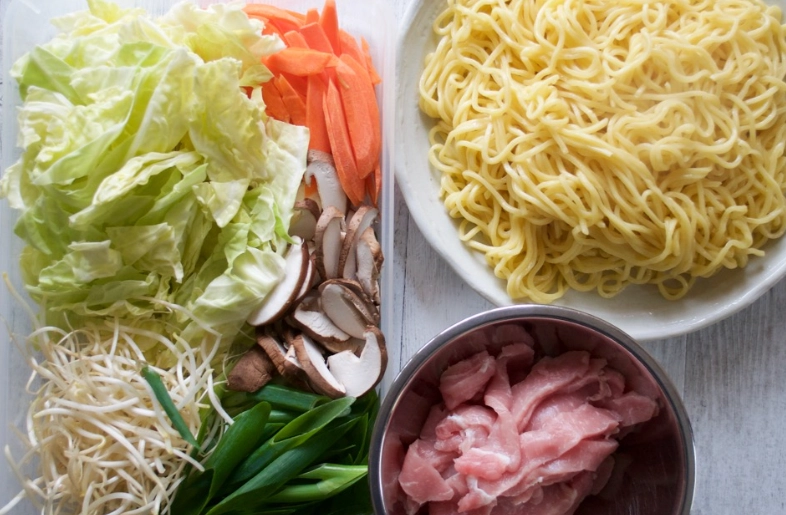
However, you can absolutely make healthier tweaks at home, which adds another layer to its specialness: adaptability.
- Load up on the vegetables. Double the cabbage, add bell peppers, broccoli, mushrooms. This adds fiber, vitamins, and bulk.
- Use lean protein like chicken breast or tofu.
- Use a reduced-sodium soy sauce in your homemade sauce blend and dial back the sugar a bit.
- Look for whole-wheat yakisoba noodles if available, though they're rare.
- Control the oil. You don't need a pool of it, just enough to prevent sticking and get a sear.
When you make it yourself, you control the narrative. You can make it a more balanced meal. But sometimes, you just want the real, glossy, unabashedly rich version. And that's okay.
Common Yakisoba Questions (FAQs)
Final Thoughts: The Special Sauce is the Experience
So, after all this, what is special about yakisoba? It's the combination. It's the specific chew of the noodle designed for the fry. It's the complex, family-secret-like sauce that's greater than its parts. It's the theatrical, high-heat cooking that gives it life. It's the cultural duality of being both a humble home-cooked meal and the star of a vibrant summer festival.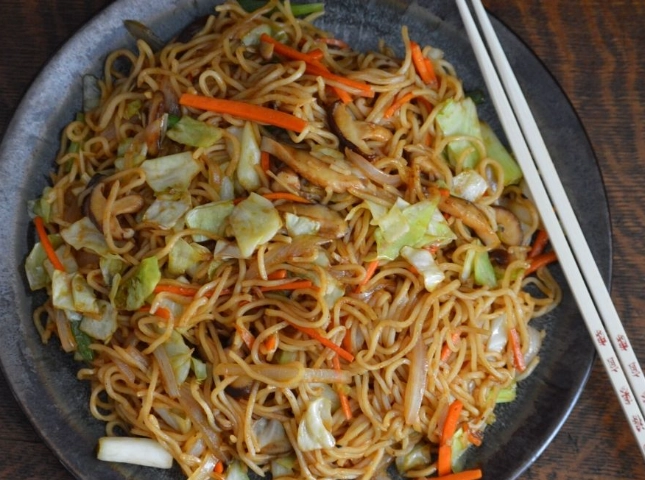
It's a dish that feels familiar to many but reveals its depths when you pay attention. It's forgiving enough for a weeknight cook but has nuances that can keep a chef experimenting for years. That's a rare quality. It's not the most elegant or refined Japanese dish, but it might be one of the most genuinely loved. It’s a dish of the people.
Next time you see it, whether on a street corner in Osaka or in a package at your local store, you'll know you're not just looking at fried noodles. You're looking at a little piece of Japanese culinary culture, one that's built on harmony, high heat, and a whole lot of flavor. And really, isn't that what makes any food truly special?
My personal favorite twist? Adding a handful of thinly sliced king oyster mushrooms. They soak up the sauce like little flavor sponges and have a fantastic meaty texture. Give it a shot.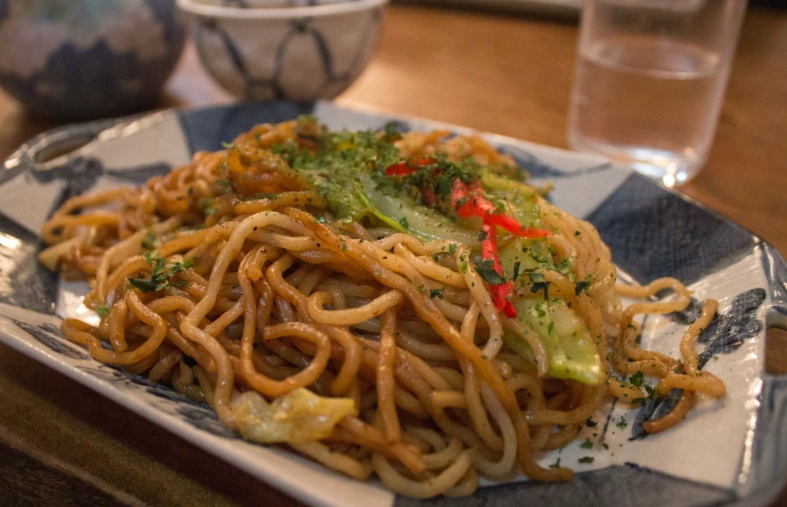
Reader Comments