Making buckwheat noodles from scratch isn't as hard as you might think. It's a bit messy, sure, but the payoff—chewy, nutty noodles you can brag about—is worth it. I've been doing this for years, and I'll walk you through every step, including the mistakes I made so you don't have to.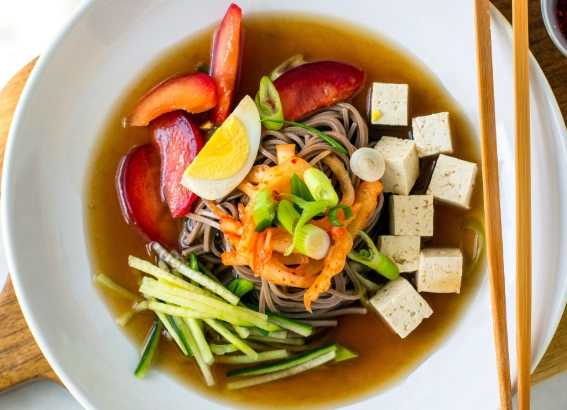
What You'll Find in This Guide
What Are Buckwheat Noodles and Why Make Them?
Buckwheat noodles, often called soba in Japanese cuisine, are made primarily from buckwheat flour. Despite the name, buckwheat isn't a wheat—it's a gluten-free seed related to rhubarb. That means these noodles are a great option if you're avoiding gluten, but it also makes the dough tricky to handle. Homemade versions beat store-bought any day. They have a deeper, earthier flavor and a texture that's both firm and tender. Plus, you control the ingredients. No additives, just flour, water, and salt.
I got into making them after a trip to Japan. The soba there was incredible, but back home, the packaged stuff tasted bland. So I started experimenting. It took a few fails—like the time I used 100% buckwheat flour and ended up with crumbly mess—but now I can whip up a batch in my sleep.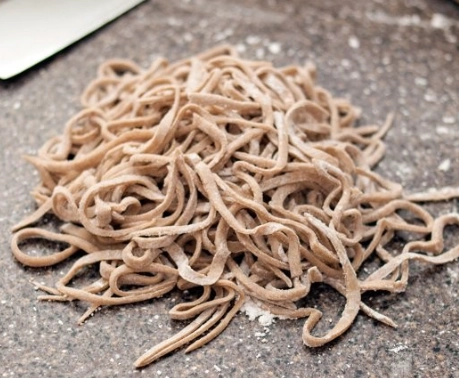
Essential Ingredients for Buckwheat Noodle Dough
You only need a few things, but quality matters. Here’s what I use:
- Buckwheat flour: Go for fresh, stone-ground flour. I like brands like Bob’s Red Mill or locally sourced options. Old flour can taste bitter—check the date.
- All-purpose or bread flour: This adds gluten for elasticity. Pure buckwheat dough falls apart. I use a 70:30 ratio (buckwheat to wheat flour) for beginners. Some traditional recipes go 80:20, but that's for experts.
- Water: Room temperature, filtered if possible. Hard water can affect the dough.
- Salt: A pinch enhances flavor and strengthens the dough.
That’s it. No eggs, no oil. Keep it simple.
Pro tip: Weigh your ingredients. Cups vary too much. For 4 servings, I use 200g buckwheat flour, 85g all-purpose flour, 130ml water, and 3g salt. A kitchen scale is your best friend here.
The Flour Ratio: Buckwheat vs. Wheat
This is where most people mess up. Too much buckwheat, and the noodles crack; too little, and you lose that distinct taste. I stick to 70% buckwheat, 30% wheat flour. It gives enough structure without compromising flavor. If you're gluten-free, you can try adding a binder like xanthan gum, but it changes the texture—I’m not a fan. Experiment in small batches first.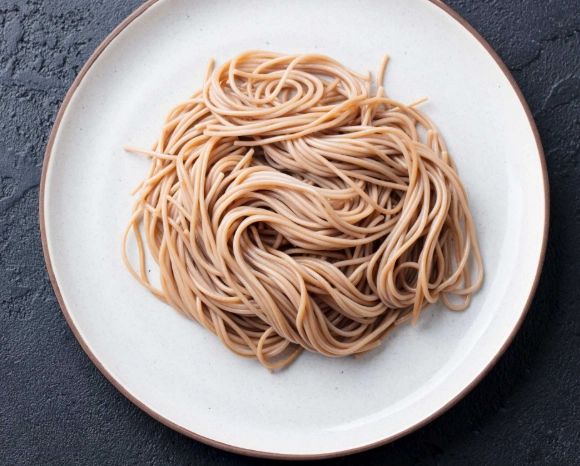
Step-by-Step Process to Make Buckwheat Noodles
Follow these steps closely. It’s a tactile process—get your hands dirty.
Mixing the Dough
Combine the flours and salt in a large bowl. Make a well in the center. Gradually add water while mixing with a fork or your fingers. It’ll look shaggy at first. Don’t pour all the water at once; you might need less or more depending on humidity. In my dry kitchen, I often add an extra tablespoon. The dough should come together but feel firm, not sticky.
Kneading and Resting
Turn it out onto a clean surface. Knead for 8-10 minutes until smooth. Buckwheat dough is stiffer than regular pasta dough—you’ll feel it. Then, shape into a ball, wrap in plastic, and let it rest at room temperature for at least 1 hour. This hydrates the flour and relaxes the gluten. I once rushed this and the dough tore when rolling. Patience pays.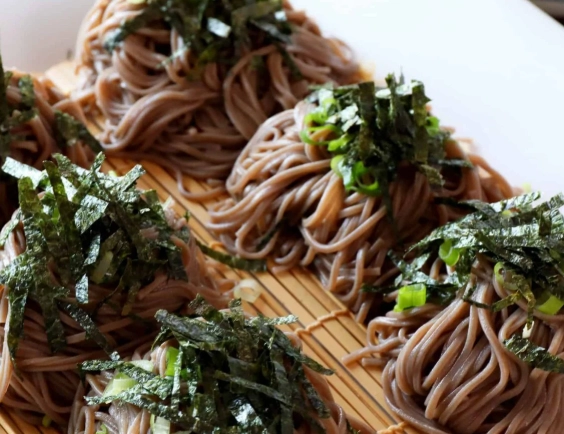
Rolling and Cutting
After resting, flatten the dough with a rolling pin. Aim for a rectangle about 1/16 inch thick—almost translucent. Dust with buckwheat flour to prevent sticking. Fold the sheet loosely, then slice into thin strips, 1/8 inch wide. Use a sharp knife or a noodle cutter if you have one. My first cuts were uneven, but practice helps. Don’t worry about perfection; rustic noodles taste just as good.
Cooking and Serving
Bring a large pot of water to a rolling boil. Add the noodles and stir gently. Cook for 2-3 minutes until they float to the top. Taste one—it should be al dente, not mushy. Immediately drain and rinse under cold water to stop cooking. This also removes excess starch, giving a cleaner bite.
Serve with a simple dipping sauce: mix soy sauce, mirin, and dashi. Or toss with veggies and protein for a hearty meal. I love them cold in salads during summer.
Watch out: Overcooking is a crime here. Buckwheat noodles go from perfect to soggy in seconds. Set a timer.
Common Mistakes and How to Avoid Them
I’ve made them all, so learn from my errors.
- Dough too dry or wet: Adjust water gradually. If dry, add a teaspoon of water; if wet, dust with flour. The dough should feel like play-dough—pliable but not sticky.
- Skipping the rest: This is non-negotiable. Resting allows the flour to absorb water fully. Without it, the dough cracks when rolled.
- Using blunt tools: A sharp knife makes clean cuts. Dull blades mash the edges, affecting texture.
- Overcrowding the pot: Cook in batches if making a lot. Crowded noodles stick together and cook unevenly.
One time, I added too much wheat flour and the noodles tasted like regular pasta—bland and missing that nutty kick. Stick to the ratio.
FAQ About Making Buckwheat Noodles
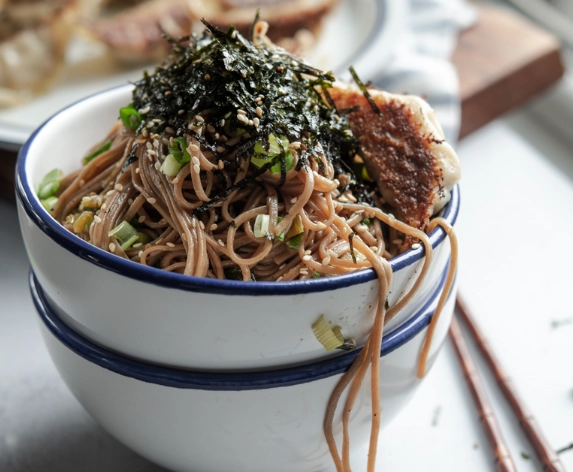
That wraps it up. Making buckwheat noodles is a skill—it might take a couple tries, but once you get it, you’ll never go back to store-bought. Give it a shot this weekend. And if you fail, laugh it off and try again. That’s how I got here.
Reader Comments