What You’ll Find
- The Heart of the Matter: What is Miso Soup, Really?
- Deconstructing Dashi: The Non-Negotiable Base
- The Star of the Show: Navigating the World of Miso Paste
- Gathering Your Toolkit: Ingredients for the Ultimate Miso Soup Recipe Japan Style
- The Step-by-Step: How to Make Miso Soup, No Stress Allowed
- Common Pitfalls & How to Avoid Them (I've Made These So You Don't Have To)
- Beyond the Basics: Answering Your Miso Soup Questions
- Taking It Further: Regional Twists & Creative Ideas
- The Final Scoop on Miso Paste
Let's be honest. Most of us have had miso soup. That cloudy, savory broth that comes in a little bowl next to your sushi. It's comforting, it's warm, and it often feels like a mystery. What's really in it? How do you make it taste... right? Not just salty, but deeply flavorful, umami-rich, and balanced. That's what a true miso soup recipe Japan style aims for. It's not just dissolving a spoonful of paste in hot water. It's a ritual, a daily nourishment, and honestly, it's way easier to make at home than you think.
I remember my first attempt. I bought the first miso paste I saw, boiled some water, and threw it all together with some cubed tofu. The result? A harsh, one-note salty liquid that bore no resemblance to the soul-warming bowls I'd had in tiny Tokyo izakayas. It was disappointing. I was missing the soul of the dish entirely.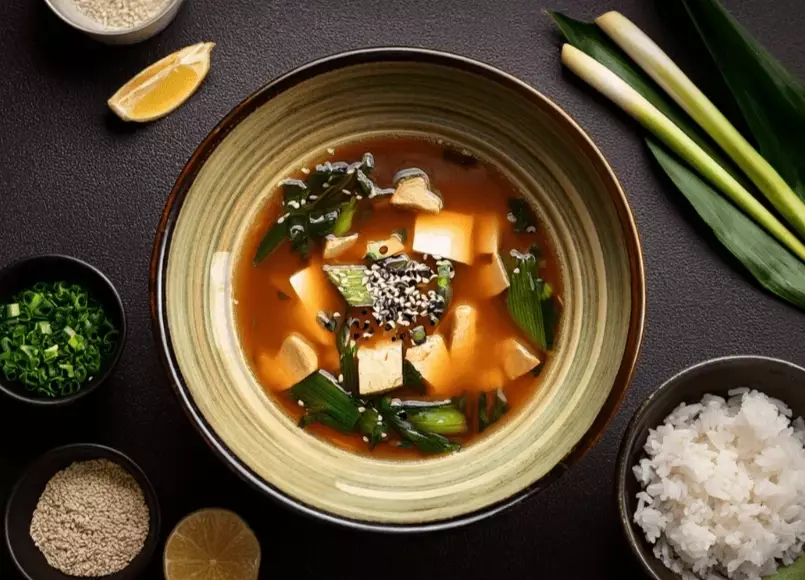
The Heart of the Matter: What is Miso Soup, Really?
In Japan, miso soup (味噌汁, misoshiru) isn't a starter; it's a staple. It's served for breakfast, lunch, and dinner. It's the ultimate comfort food, packed with probiotics from fermented soybean paste (miso) and minerals from the sea (dashi). A proper Japanese miso soup recipe is built on two pillars: Dashi (the stock) and Miso (the paste). Mess up either, and the whole thing falls flat.
Think of dashi as the canvas. It's a clear, delicate broth that provides umami depth. Miso is the paint—it adds color, body, saltiness, and complexity. You wouldn't paint on a dirty canvas, right? So you don't want to use plain water or a heavy chicken stock as your base. It overpowers the miso's delicate fermented flavors.
Deconstructing Dashi: The Non-Negotiable Base
This is where most Western recipes take a shortcut, and it's the biggest mistake. Using powdered dashi from a packet is fine in a pinch (and I've done it on many a busy Tuesday), but for that authentic taste, understanding real dashi is key. The most common type for miso soup is Awase Dashi (combined dashi), made from two main ingredients:
- Kombu (昆布): Dried kelp. It's not slimy seaweed; it's a hard, leathery sheet packed with glutamic acids (natural MSG, the good kind) that gives a smooth, savory base note. You soak it in cold water to gently extract its flavor.
- Katsuobushi (鰹節): Shaved, dried, fermented bonito (skipjack tuna) flakes. They look like pinkish wood shavings and smell intensely smoky and fishy (in a good way). These are added to the kombu-infused water and heated briefly. The flakes sink, and you strain them out, leaving a crystal-clear, golden broth that is the essence of Japanese umami.
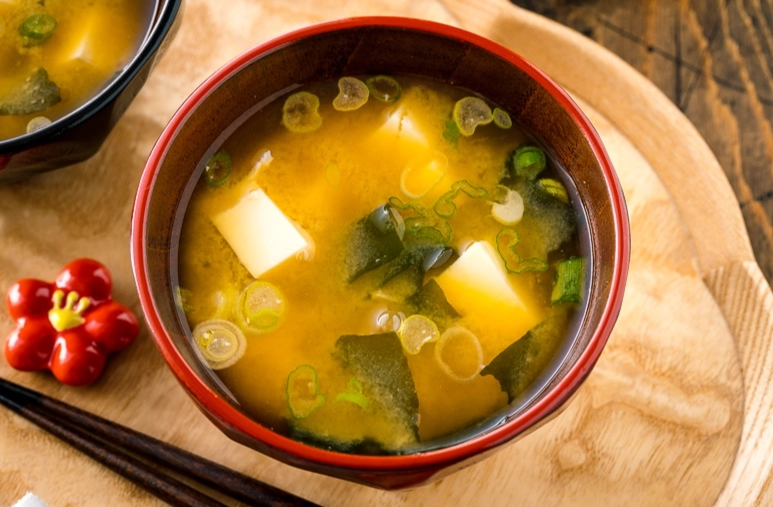
Of course, life happens. If you're short on time, a good quality dashi powder or dashi packets (like Hondashi) are acceptable substitutes. Look for ones with fewer additives. But trust me, trying the real method once will change your perspective on this miso soup recipe Japan tradition.
The Star of the Show: Navigating the World of Miso Paste
Walk into a Japanese grocery store, and the miso selection can be overwhelming. Which one do you choose for your miso soup recipe Japan style? It depends on the flavor profile you want. Miso varies by region, ingredients, and fermentation time.
| Miso Type (Color) | Key Ingredients | Fermentation Time | Flavor Profile | Best For |
|---|---|---|---|---|
| Shiro Miso (White) | Rice, soybeans (more rice) | Shortest (weeks) | Sweet, mild, slightly salty | Light soups, dressings, marinades |
| Awase Miso (Yellow/Brown) | Blend of rice & soybean miso | Medium (months) | Well-balanced, umami, versatile | The all-purpose choice for daily soup |
| Aka Miso (Red) | Soybeans, less rice/barley | Longest (1-3 years) | Deep, salty, robust, pungent | Hearty winter soups, stews, braises |
| Mugi Miso (Barley) | Barley, soybeans | Medium to Long | Earthy, rustic, slightly sweet | Country-style soups, vegetarian dishes |
| Hatcho Miso (Soybean) | Mostly soybeans | Very long (2-3 years) | Extremely rich, salty, almost chocolatey | Used sparingly for depth, not for mild soups |
For a classic, versatile authentic miso soup, I almost always recommend starting with a good Awase Miso. It's literally a "blended" miso, designed for soup. Many brands sell it labeled as such. It gives you that perfect middle ground—salty enough, umami-rich, but not overpowering.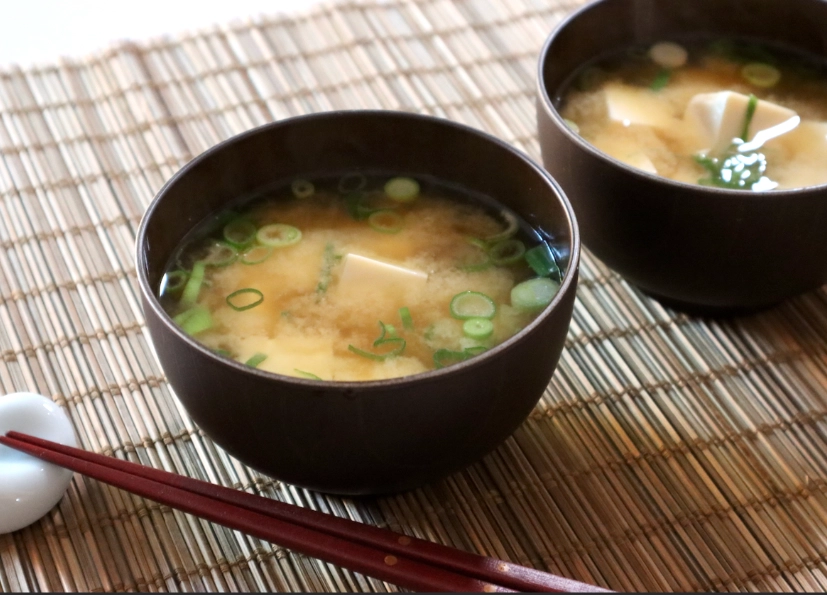
Gathering Your Toolkit: Ingredients for the Ultimate Miso Soup Recipe Japan Style
Okay, let's get practical. What do you actually need to buy? Here’s your shopping list, broken into essentials and popular add-ins.
The Absolute Essentials (The Soup Trinity)
- For Dashi: A piece of dried kombu (about 4x4 inches) and a packet of katsuobushi (bonito flakes), OR a jar of good-quality dashi powder/granules.
- Miso Paste: A tub of Awase Miso (yellow/brown blend). About 200g will last you many soups.
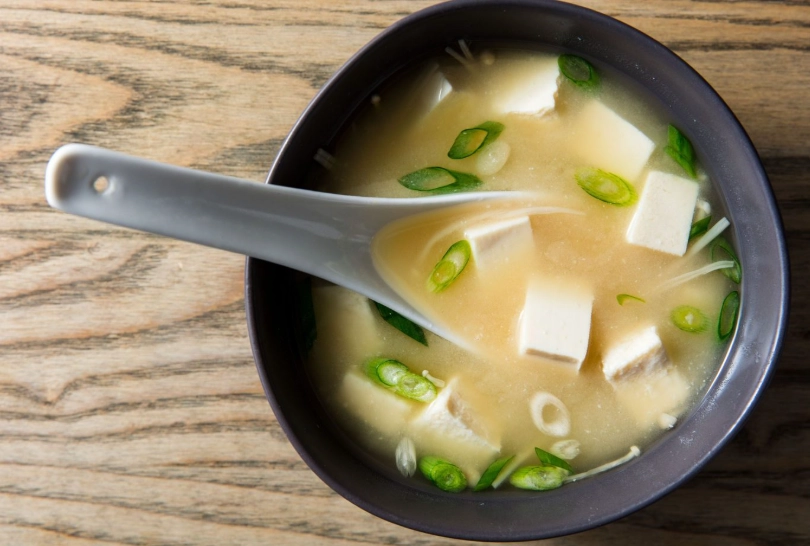
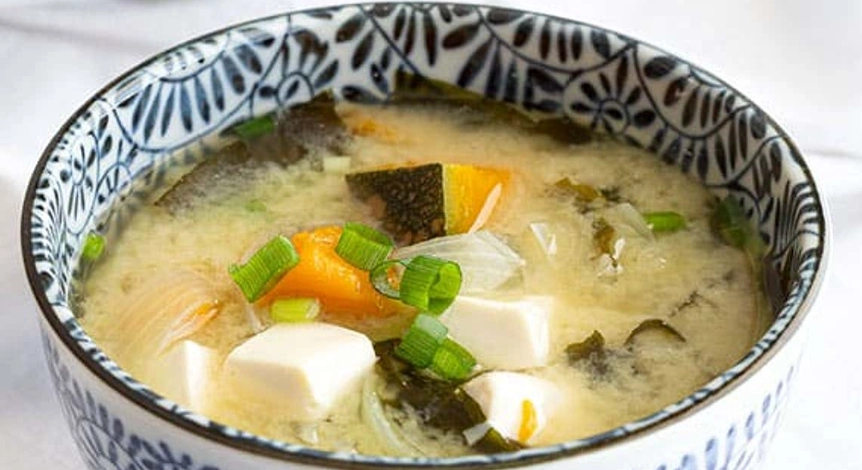
- The Classic Garnish: Silken or soft tofu (cut into small cubes) and Wakame seaweed (dried, a little goes a long way).
The Wonderful World of Add-Ins (Tane-mono)
This is where you customize. The Japanese change the add-ins daily based on season and what's on hand.
- Vegetables: Thinly sliced green onions (scallions) are a must for me. Also try: diced daikon radish, spinach, thinly sliced mushrooms (shiitake, enoki), nameko mushrooms, potato, eggplant, or cabbage.
- Proteins: Beyond tofu, try clams (asari), small shrimp, thin slices of pork (tonjiru—a heartier pork miso soup), or even a cracked egg stirred in at the end.
- Others: Abura-age (thin fried tofu pockets, rinsed in hot water to remove oil), moyashi (bean sprouts).
The Step-by-Step: How to Make Miso Soup, No Stress Allowed
Finally, let's cook. This is my go-to method for a classic tofu and wakame miso soup recipe Japan households make every day.
Step 1: Make the Dashi (The Foundation)
If using kombu & katsuobushi: Gently wipe the kombu with a damp cloth (don't wash off the white powdery stuff—that's flavor!). Place it in a pot with 4 cups of cold water. Let it soak for 30 minutes if you have time, or just bring it slowly to a bare simmer over medium heat. Just before it boils, remove the kombu (if you boil it, it can get slimy). Now, add a big handful of katsuobushi flakes (about 1 cup loosely packed). Bring it back to a simmer, then immediately turn off the heat. Let the flakes sink to the bottom (about 5 minutes). Strain the broth through a fine-mesh sieve lined with cheesecloth or a paper towel. You now have beautiful, clear dashi.
Step 2: Cook the Add-Ins
Return your dashi to the pot (or if using instant dashi, dissolve it in 4 cups of hot water per package instructions). Bring it to a gentle simmer. Add any hardy vegetables that need cooking (like daikon or potato). After a few minutes, add your softer ingredients. For our classic version: add your cubed tofu and a tablespoon of dried wakame. Wakame rehydrates in seconds and expands a lot, so don't overdo it. Let it simmer for just a minute until everything is heated through.
Step 3: The Miso Magic (The Most Important Step)
Turn off the heat. Now, take your miso paste. Here's a pro tip: don't just plop it in. Put 3-4 tablespoons of miso in a small bowl, ladle in some of the hot broth from the pot, and whisk it vigorously until it's a completely smooth, lump-free slurry. This ensures no clumpy bits of miso in your final soup. Now, stir this slurry back into the pot.
Step 4: Serve Immediately
Ladle the soup into bowls. Top with finely chopped green onions. That's it. Do not re-boil. Serve it hot and enjoy the complex, savory, comforting warmth of a real Japanese miso soup recipe you made yourself.
Common Pitfalls & How to Avoid Them (I've Made These So You Don't Have To)
Let's troubleshoot. Why might your homemade miso soup not taste "right"?
- It tastes flat or just salty: You likely used water or a weak broth. The dashi is non-negotiable for umami depth. Also, you might be using a low-quality or overly salty miso. Invest in a good Awase miso from a Japanese market.
- It's bitter or harsh: You boiled the miso. Remember, dissolve it off the heat. Also, red miso (Aka) used alone can be too strong for a light soup. Try blending it with a milder white miso.
- The tofu falls apart or is bland: Use silken or soft tofu, and add it at the end just to heat through. For extra flavor, you can briefly blanch firm tofu in salted water before adding.
- It's cloudy and murky: This is usually from letting the soup boil after adding the miso, or not straining the dashi properly if you used flakes. It's fine to eat, just less visually appealing.
Beyond the Basics: Answering Your Miso Soup Questions
You've got questions. I had them too. Let's tackle some frequent ones.
Is miso soup healthy?
Absolutely, when made authentically. It's low in calories and fat. Miso is a fermented food, packed with probiotics beneficial for gut health. It's also a source of protein, vitamins, and minerals. However, it is high in sodium, so if you're on a strict low-sodium diet, consume it in moderation. The Japanese Ministry of Health, Labour and Welfare includes fermented foods like miso as part of a balanced diet. You can read more about the nutritional components of traditional Japanese foods on their official site for general dietary guidelines.
Can I make miso soup vegan?
Easily! The classic dashi made with kombu and katsuobushi is not vegan (bonito is fish). But you can make excellent vegan dashi using only kombu, or by adding dried shiitake mushrooms to the kombu soak. Use tofu and vegetable add-ins. Just ensure your miso paste is vegan (most are, but some may contain trace animal products like dashi—check the label).
How do I store leftover miso soup?
This is tricky. The best miso soup is fresh. If you must store it, let it cool completely, store it in an airtight container in the fridge, and consume it within 1-2 days. Reheat it GENTLY, never letting it boil, just until warm. The texture of the tofu and seaweed will suffer, and some probiotic benefits are lost, but the flavor will still be good. Honestly, I prefer making the dashi and prepping add-ins ahead, then just whisking in the fresh miso when I'm ready to eat each bowl.
What's the difference between restaurant miso soup and homemade?
Often, not much! A good restaurant uses the same principles. Sometimes they use a stronger, more robust miso blend. The main difference is they often have a large pot of plain dashi with cooked add-ins ready, and they ladle some into a small pot, dissolve the miso to order, and serve. This prevents the miso from ever sitting on the heat for too long.
Taking It Further: Regional Twists & Creative Ideas
Once you've mastered the classic, the world is your oyster (or clam, which is also a great add-in).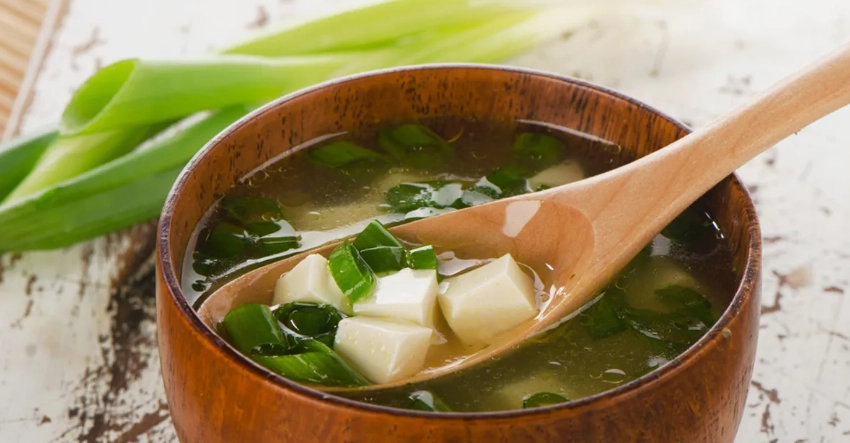
Tonjiru: This is a hearty, chunky miso soup. You sauté thin slices of pork, then add root vegetables like gobo (burdock root), carrot, daikon, and konnyaku (a jelly-like yam cake), simmer in dashi, and finish with miso. It's a meal in a bowl.
Asari (Clam) Miso Soup: Use small clams like Manila or littlenecks. Purge them in salt water first. Simmer them in dashi until they open. Their briny juice flavors the broth incredibly. Finish with miso and green onions. It's spectacularly fresh.
Breakfast Miso Soup: Keep it simple. Just dashi, a little wakame, maybe some leftover rice dropped in, and miso. It's a revitalizing way to start the day, common in Japan.
The Final Scoop on Miso Paste
Where to buy it? A well-stocked Asian or Japanese grocery store is your best bet. Look for miso in the refrigerated section, usually near tofu. Online retailers like Amazon also carry reputable brands. A good brand to look for is Hikari Miso or Marukome. Marukome is a huge producer and their products are consistently good and reliable for a how to make miso soup endeavor.
Once opened, keep your miso paste in an airtight container in the fridge. It can last for months, even up to a year, due to its salt and fermentation content. Just scoop it out with a clean spoon to prevent contamination.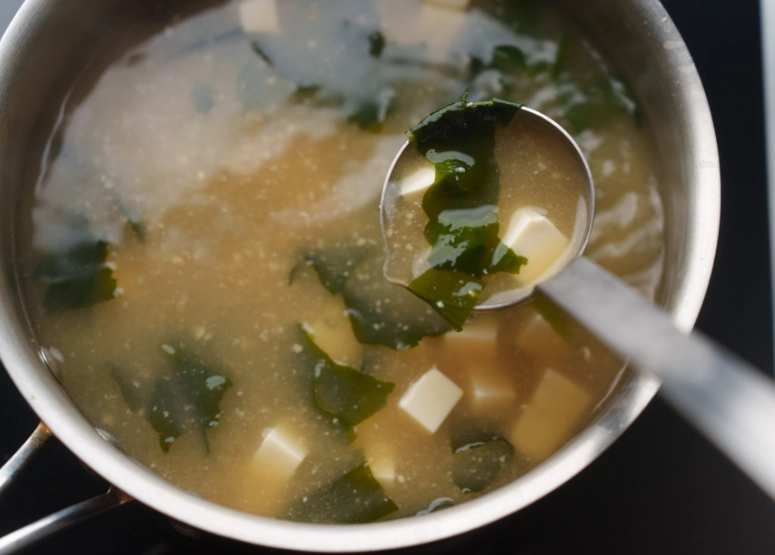
So there you have it. The journey from a disappointing salty bowl to a deeply satisfying, authentic miso soup recipe Japan can be proud of isn't about fancy techniques. It's about respecting two key ingredients—dashi and miso—and treating them right. Skip the boil, embrace the umami, and don't be afraid to make it your own with seasonal finds. It's one of the simplest, most rewarding dishes you can add to your weekly rotation. Now go warm up a bowl.
Reader Comments