Let's be honest. Your first encounter with natto probably wasn't love at first sight. For many, it's a culinary hurdle – those fermented soybeans with their potent, almost cheesy aroma and the web of sticky strings that seem to stretch forever. I was the same. But after a decade of living in Japan and making it a breakfast staple, I've come to see it differently. It's not just food; it's a powerhouse of nutrition wrapped in one of the world's most challenging – and rewarding – taste experiences.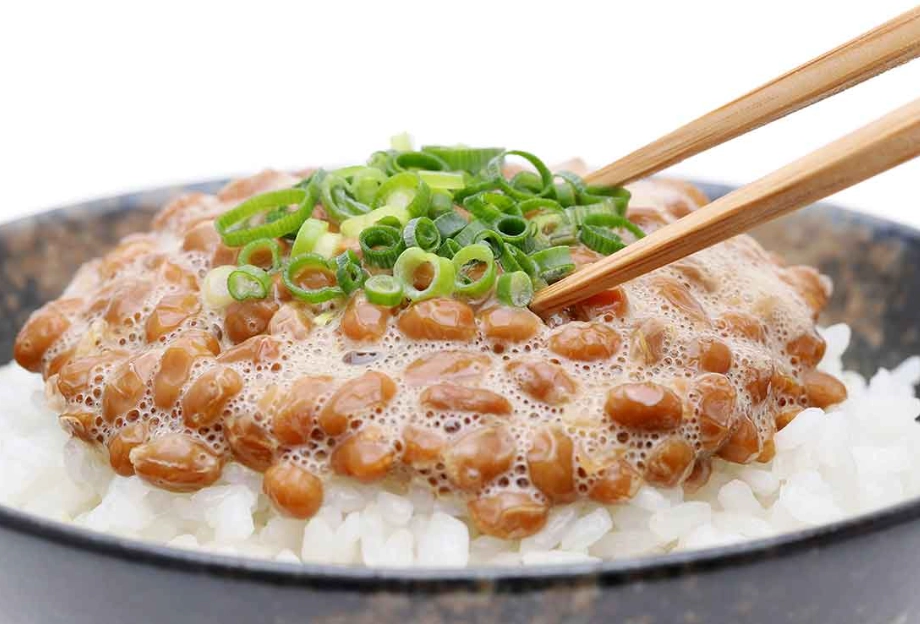
What's Inside This Natto Guide?
What Exactly is Natto?
Natto is soybeans fermented with Bacillus subtilis var. natto, a beneficial bacterium. The process transforms hard, bland soybeans into a soft, savory, and uniquely textured food. Its history in Japan traces back centuries, likely discovered by accident when stored cooked soybeans fermented in rice straw, which naturally contains the bacteria.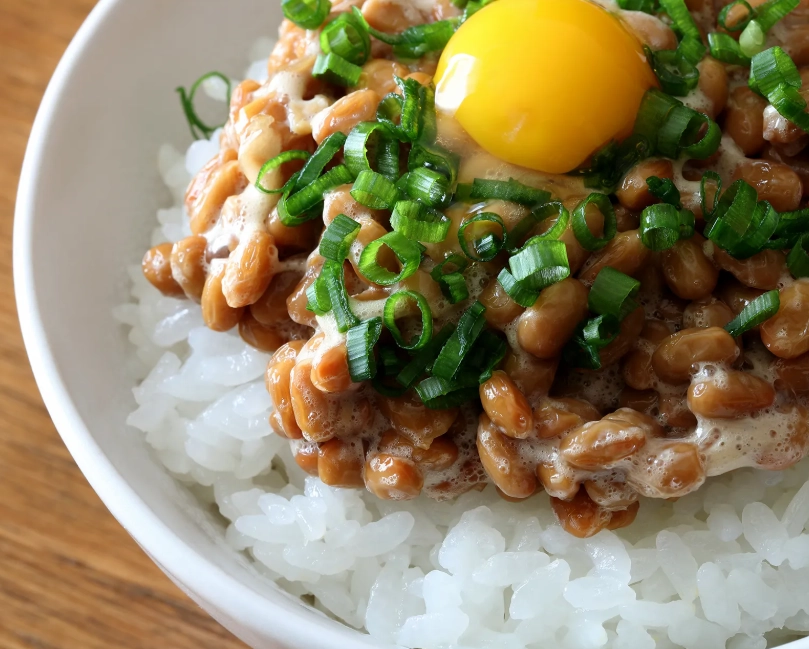
The magic lies in the fermentation. The bacteria produce enzymes that break down the soybeans' proteins and create natto's signature compounds: the sticky polysaccharide (polyglutamic acid) for the strings, and the enzyme nattokinase, which is central to many of its health claims.
Walk into any Japanese supermarket, and you'll find the refrigerated section dedicated to it. It's sold in small polystyrene or plastic containers, typically in packs of three. The most common types are:
- Regular (大粒): Whole, larger soybeans. A chewier texture.
- Small Bean (小粒): Smaller, broken beans. Often preferred for its easier-to-eat texture and stronger flavor penetration.
- Hikiwari (ひきわり): Crushed soybeans. Ferments fastest and has the strongest, most pungent flavor and sliminess. Not for the faint-hearted.
Pro Tip: Most store-bought packs come with little sauce and mustard packets. The standard sauce is a sweetened soy-based tare. The mustard is Japanese karashi, which is hotter and more pungent than Western yellow mustard. They're your best friends when starting out.
The Real Deal on Natto Health Benefits
This is where natto shifts from acquired taste to superfood. The research, including studies from institutions like the National Institutes of Health, is compelling. But let's cut through the hype and look at the core benefits.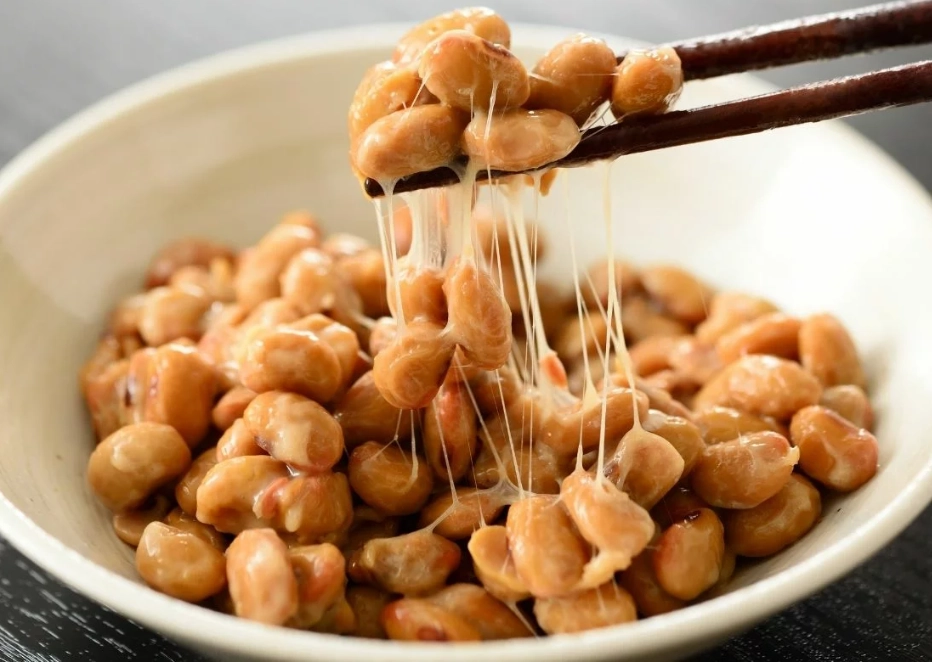
The standout component is nattokinase, an enzyme with noted fibrinolytic activity – meaning it may help break down blood clots. This is the basis for its association with supporting cardiovascular health. It's not a medicine, but as a dietary component, the potential is significant.
Then there's Vitamin K2 (MK-7). Natto is the highest natural food source by a huge margin. K2 is crucial for directing calcium to your bones and teeth and away from your arteries. A single serving can provide over 100% of your daily needs. For bone density, especially post-menopause, this is a big deal.
Don't forget it's a fermented food. That means probiotics for gut health, prebiotics from the soy fiber, and enhanced nutrient bioavailability. The fermentation also reduces the phytic acid found in raw soybeans, which can inhibit mineral absorption.
| Key Nutrient/Compound | Primary Benefit | What Makes It Special in Natto |
|---|---|---|
| Nattokinase | Cardiovascular support, circulation | Potent enzyme produced uniquely during fermentation. |
| Vitamin K2 (MK-7) | Bone health, arterial health | Unmatched concentration; highly bioavailable form. |
| Polyglutamic Acid | Gut health, hydration (skin) | The "sticky stuff"; a natural prebiotic fiber. |
| Complete Protein & Fiber | Muscle maintenance, digestion, satiety | Fermentation pre-digests proteins, making them easier to absorb. |
Important: The high Vitamin K2 content means individuals taking blood-thinning medications like warfarin (Coumadin) must consult their doctor before consuming natto regularly, as it can interfere with the drug's effectiveness.
How to Eat Natto (If You're a Beginner)
This is the part everyone needs. You've bought a pack. Now what? The classic mistake is just dumping it on rice and hoping for the best. That's a surefire way to be put off.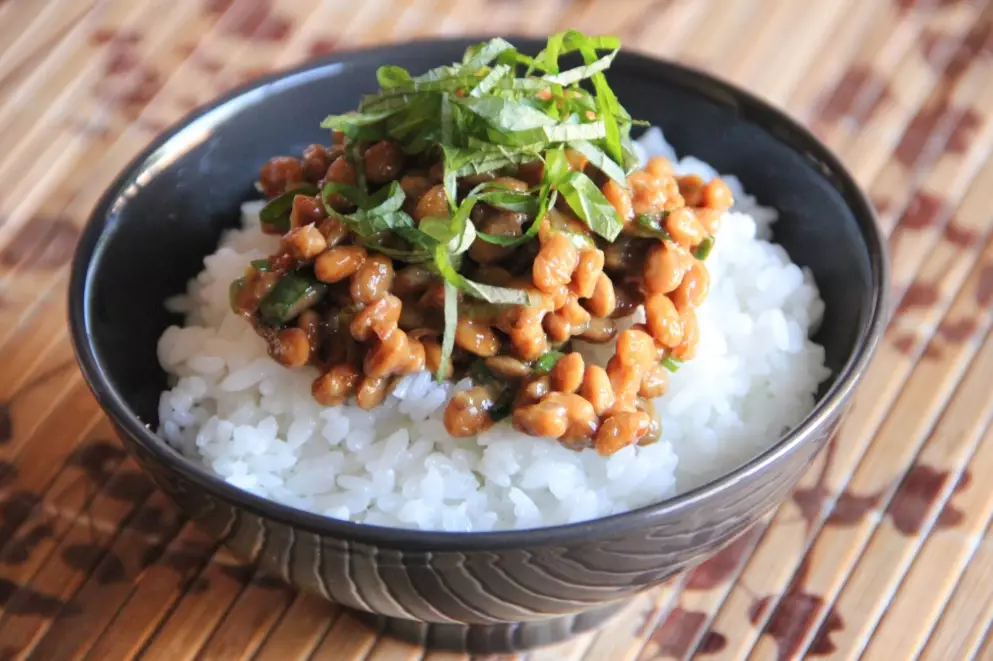
The Foundation: The Basic Bowl
1. Open the pack. Remove the lid. You'll see the beans, often with a thin film over them. That's good.
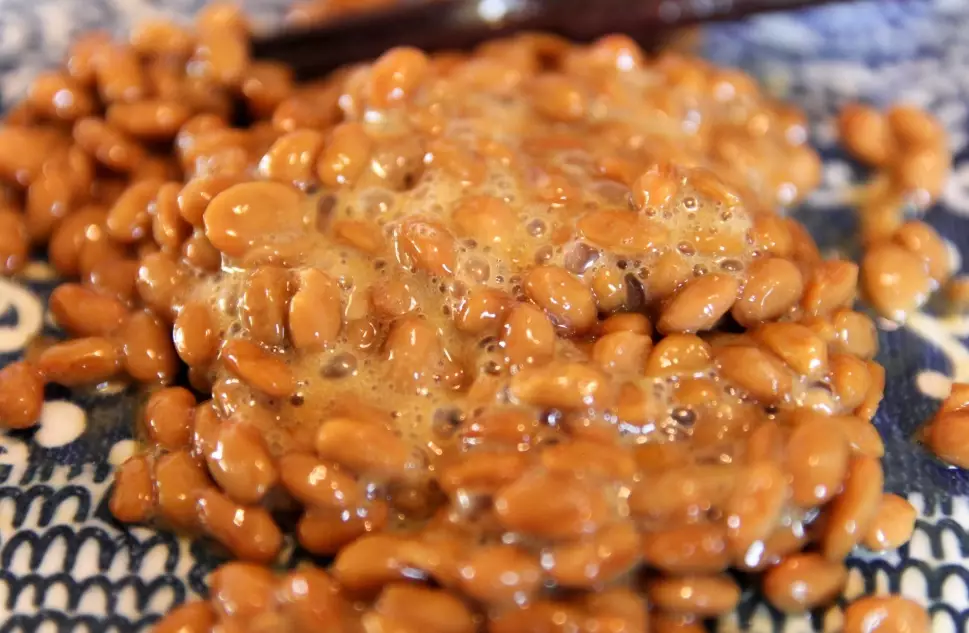
2. The Mix. This is non-negotiable. Add the included sauce and mustard packets. Now, take your chopsticks and stir vigorously for a good 30-40 seconds. Go in a circular motion, lifting and folding. You're not just mixing; you're aerating it. You'll see the slimy strings become frothier and more voluminous. This step tames the strongest ammonia-like notes and creates a better texture.
3. Serve. Pour it over a bowl of hot, freshly steamed white rice. The heat of the rice slightly mellows the flavor further. Eat immediately.
Flavor Boosters & Game-Changers
To make it genuinely enjoyable, add toppings. Start with one, experiment.
- Finely Chopped Green Onions: The fresh, sharp bite cuts through the richness perfectly.
- A Raw Egg (with caution): In Japan, a raw egg yolk mixed in adds incredible creaminess and richness. Only do this with pasteurized or very fresh, high-quality eggs you trust.
- Shredded Nori (Seaweed): Adds umami and a different texture.
- A few drops of Soy Sauce or Ponzu: For extra savory or citrusy tang.
- Kimchi: Sounds wild, but the spicy, fermented crunch is a fantastic contrast.
My personal gateway was natto mixed with a raw egg yolk, green onions, and a splash of soy sauce over rice. It became creamy, savory, and complex, not just pungent.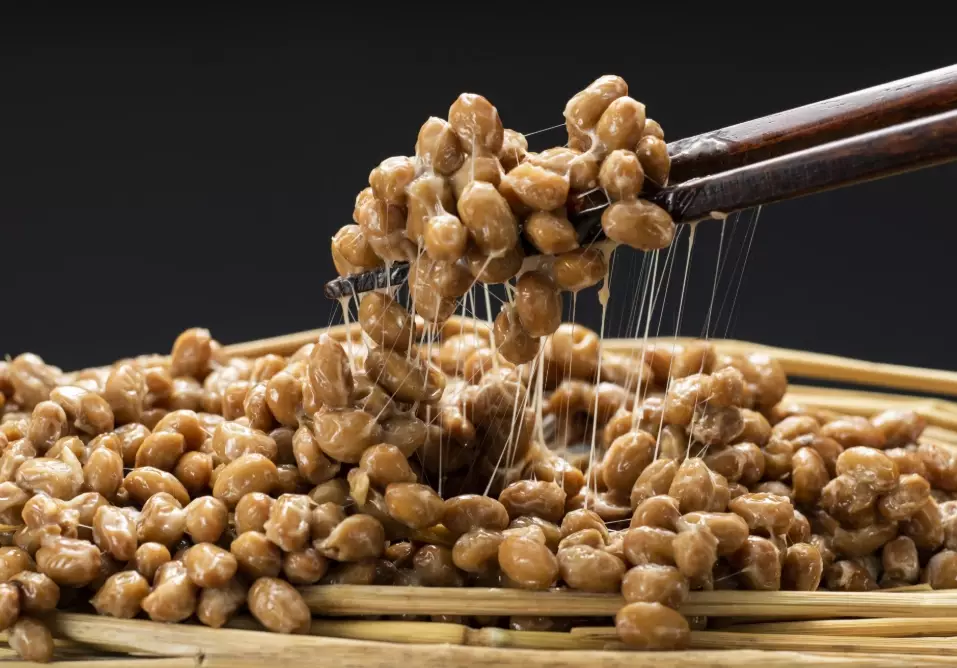
The Adventure of Making Natto at Home
Store-bought is convenient, but making it yourself is a fascinating dive into fermentation science. You control the bean size, fermentation time, and texture.
What You Need: High-quality soybeans (preferably small), a reliable natto starter culture (buy online, don't try to use store-bought as a starter), a fermentation device that maintains 40°C (104°F) like a yogurt maker, and sterile equipment.
The Basic Process:
1. Soak soybeans overnight.
2. Pressure cook or steam until very soft.
3. Cool to about 50°C (122°F), inoculate with the starter.
4. Incubate at 40°C (104°F) for 18-24 hours. A white film should form.
5. Cool, then age in the fridge for up to a week to develop flavor.
The biggest pitfall isn't safety (the Bacillus outcompetes pathogens) but failure to ferment properly, leaving you with bland, slimy beans. Temperature control is everything.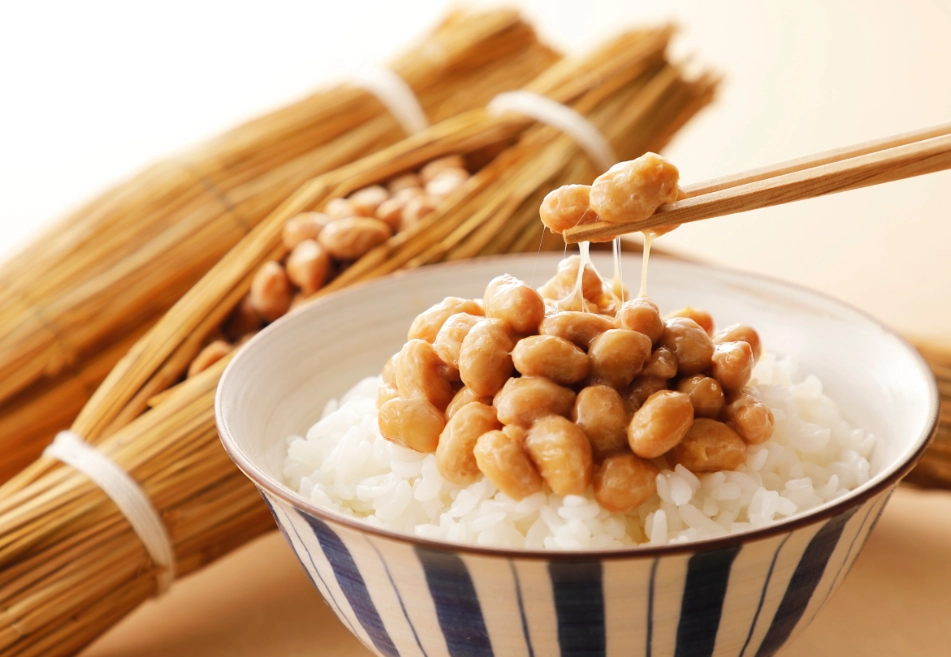
Your Natto Questions, Answered
Can I rinse natto to reduce the sliminess?
You can, but you'll wash away a lot of the beneficial enzymes and water-soluble vitamins like vitamin K2. The slimy strings (polyglutamic acid) are a key source of its unique texture and some of its health properties. Instead of rinsing, try mixing it vigorously with your chopsticks to incorporate air, which slightly tempers the intensity and changes the mouthfeel. If the smell is the main issue, adding strong condiments like karashi mustard or green onions helps more than washing it away.
Is it true that eating natto daily can be bad for you?
For the vast majority of people, daily consumption is safe and beneficial. The main caution involves Vitamin K2, which can interfere with blood-thinning medications like warfarin. If you're on such medication, you must consult your doctor. Another minor point is the purine content, which is a consideration for individuals with gout. But for a healthy person, the benefits for gut health, bone density, and cardiovascular function far outweigh these specific, manageable concerns. The idea that it's "bad" often stems from unfamiliarity with its strong flavor, not from actual health risks.
How long does store-bought natto last, and can you freeze it?
Unopened store-bought natto packs are typically dated and last about a week in the refrigerator. The live Bacillus subtilis bacteria continue their activity, so the flavor and aroma intensify over time. Freezing is an excellent way to extend its life for months. The fermentation process halts in the freezer. Thaw it in the fridge overnight. Some purists argue freezing slightly alters the texture, making the beans a bit firmer, but the health benefits remain intact. I always keep a few packs in my freezer for convenience.
Can I make natto at home, and is it safe?
Yes, you can make natto at home with a proper starter culture (available online) and careful temperature control (around 40°C / 104°F). Safety hinges on cleanliness and maintaining the correct temperature to allow the Bacillus subtilis to outcompete any unwanted bacteria. The biggest risk isn't toxicity but failure – ending up with just fermented, slimy soybeans that don't have the characteristic natto flavor or health benefits. Using a reliable starter and a dedicated fermentation device (like a yogurt maker) is safer than improvising with warm ovens.
 Natto isn't for everyone, and that's okay. But dismissing it after one hesitant taste is like judging a book by its smelliest page. Approach it with the right technique, an open mind, and respect for what it offers beyond the initial shock. It might just become your most nutritious habit.
Reader Comments