If you've ever walked into a Japanese restaurant and seen bowls of steaming rice topped with savory goodies, you've encountered donburi. It's more than just a meal—it's comfort in a bowl, a staple that spans from quick lunch bites to luxurious dinners. I've spent years exploring donburi across Japan and in my own kitchen, and let me tell you, most guides miss the subtle details that make or break this dish. Forget the fluffy descriptions; we're diving into the nitty-gritty: types, recipes, where to eat, and the mistakes everyone makes.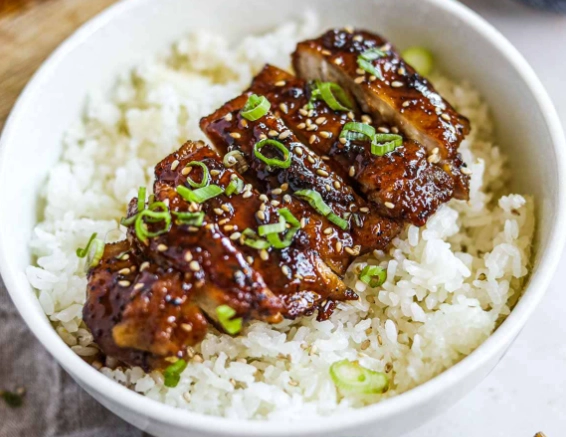
Jump to What Interests You
What Exactly is Donburi?
Donburi, often called a rice bowl, is a Japanese dish where cooked rice is served in a large bowl (called a donburi bowl) and topped with various ingredients like meat, fish, vegetables, and sauce. The name comes from the bowl itself—simple, right? But here's where it gets interesting. Most people think it's just about piling stuff on rice, but the magic lies in the balance. The rice should be slightly firm to soak up sauces without turning mushy, and toppings need to complement, not overwhelm. Historically, donburi evolved from the Edo period as a quick meal for workers, and now it's a global favorite. According to the Japan National Tourism Organization, donburi is one of the top recommended dishes for visitors, highlighting its cultural significance.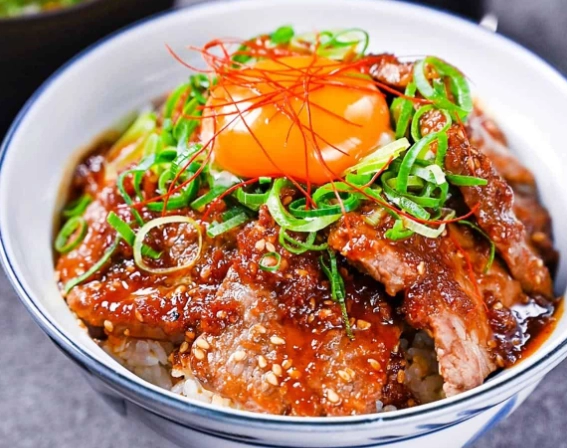
I remember my first donburi in Tokyo—a gyudon from a tiny stand. The beef was tender, the rice perfectly sticky, and the sauce had a hint of sweetness that tied it all together. It cost about 500 yen (around $3.50), and I was hooked. That experience taught me that donburi isn't fancy; it's honest food done right.
The 5 Must-Try Donburi Types (with Recipes)
Not all donburi are created equal. Here are five classics you need to know, each with a simplified recipe to try at home. I've included pro tips that most recipes skip, like how to prevent sogginess.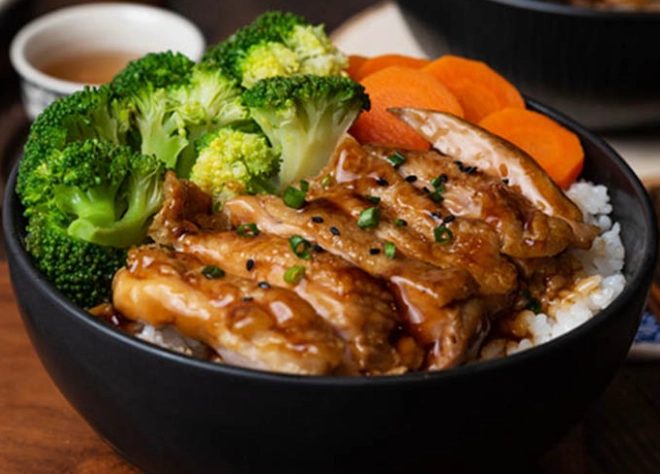
Gyudon (Beef Bowl): The Comfort Classic
Thinly sliced beef simmered in a sweet-soy sauce with onions, served over rice. The key is using thinly sliced beef (sukiyaki cut) and not overcooking it. Simmer for just 3-4 minutes to keep it tender. A common mistake? Adding too much sauce, which makes the rice soggy. Use about 1/4 cup per serving.
Katsudon (Pork Cutlet Bowl): The Crispy Favorite
A breaded pork cutlet (tonkatsu) topped with egg and onions in a dashi-based sauce. The trick is to keep the cutlet crispy by adding it just before serving. Don't let it sit in the sauce—I've seen many home cooks ruin the texture by doing this. Fry the cutlet fresh and assemble quickly.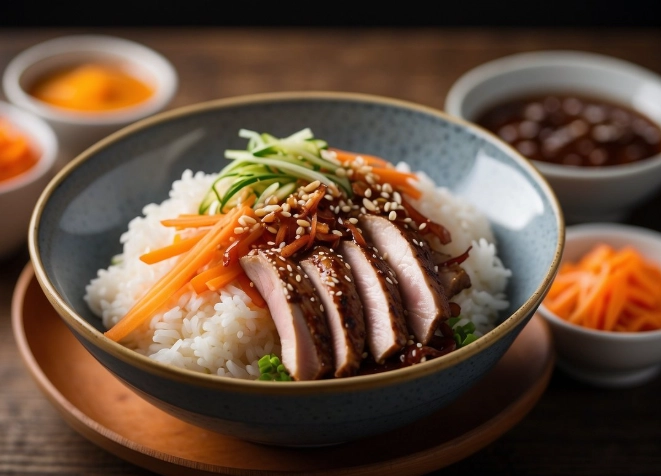
Oyakodon (Chicken and Egg Bowl): The Homey Delight
Chicken and egg cooked together in a savory broth. The egg should be softly set, not scrambled. Cook on low heat and cover the pan to steam it gently. Most people rush this and end up with rubbery eggs. Take your time—it's worth it.
Tendon (Tempura Bowl): The Crispy Indulgence
Tempura shrimp and vegetables over rice with a tentsuyu dipping sauce. To maintain crispiness, place tempura on a rack over the rice, not directly on it. Drizzle sauce lightly. I recommend using a mix of sesame oil for frying, which adds depth.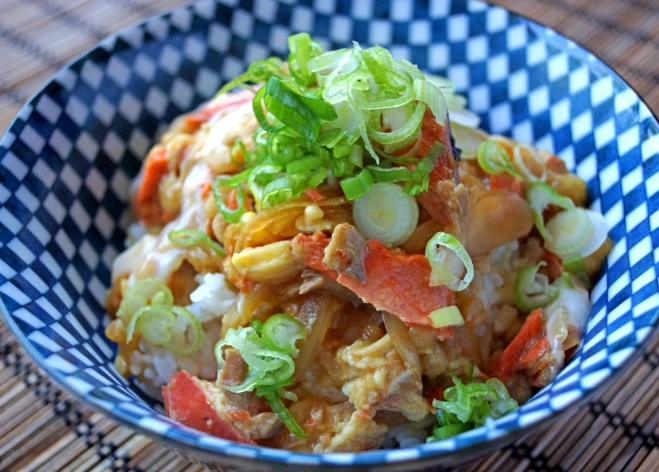
Unadon (Eel Bowl): The Luxurious Treat
Grilled eel (unagi) glazed with a sweet kabayaki sauce. It's pricier but rich in flavor. The eel should be grilled until slightly charred for that smoky note. Many stores sell pre-cooked eel, but grilling it fresh makes a world of difference.
Here's a quick comparison to help you choose:
| Type | Main Topping | Key Flavor | Difficulty Level |
|---|---|---|---|
| Gyudon | Beef | Sweet-Savory | Easy |
| Katsudon | Pork Cutlet | Crispy & Eggy | Medium |
| Oyakodon | Chicken & Egg | Savory & Soft | Easy |
| Tendon | Tempura | Crispy & Light | Hard |
| Unadon | Eel | Rich & Smoky | Medium |
Where to Eat the Best Donburi: A Curated List
If you're traveling to Japan or just want to know where to splurge, here are some spots I've personally visited. These aren't just tourist traps—they're places locals love, with specific details so you can plan your visit.
Tokyo's Top Donburi Spots
Tokyo is a donburi paradise. Here are three standouts:
1. Yoshinoya (吉野家): Yes, it's a chain, but for gyudon, it's iconic. The one in Shinjuku (address: 3-34-11 Shinjuku, Tokyo) is always packed. Their gyudon costs around 400 yen, and it's open 24/7. The beef is consistently tender, though some find it a bit salty. Perfect for a quick, cheap meal.
2. Maisen (まい泉): For katsudon, head to Maisen in Harajuku (address: 4-8-5 Jingumae, Shibuya, Tokyo). It's in a converted bathhouse—cool vibe. Their katsudon is around 1,500 yen, but the pork is juicy and the breading light. Open 11 AM to 10 PM. Book ahead; it gets crowded.
3. Unatoto (うな藤): For unadon, this small shop in Tsukiji (address: 4-9-5 Tsukiji, Chuo, Tokyo) is a gem. Unadon starts at 2,500 yen. The eel is grilled to order, so it's fresh and smoky. Open 11 AM to 3 PM, closed Sundays. Cash only, which is common in such places.
Donburi in Other Major Cities
In Osaka, try Kameya (亀屋) for oyakodon—it's creamy and comforting. In Kyoto, Kikunoi (菊乃井) offers a high-end tendon experience, but reservations are essential. I've linked to their official sites for more info, but always check recent reviews on platforms like Tabelog, Japan's leading restaurant review site.
One thing I've noticed: many top spots don't take credit cards, so carry cash. Also, portion sizes can be huge—don't overorder!
How to Make Perfect Donburi at Home: Pro Tips and Common Mistakes
Making donburi at home isn't hard, but there are pitfalls. After cooking dozens of bowls, here's what most guides don't tell you.
The Rice: It's Not Just Any Rice
Use short-grain Japanese rice like Koshihikari. Rinse it until the water runs clear to remove excess starch—this prevents gumminess. Cook it with a bit less water than usual for a firmer texture. A rice cooker helps, but if you don't have one, soak the rice for 30 minutes before cooking. I've messed this up before, ending up with porridge-like rice that ruined the bowl.
The Toppings: Balance and Texture
Don't overcrowd the bowl. Aim for a 2:1 ratio of rice to toppings by volume. For proteins, slice against the grain for tenderness. Vegetables should be cut uniformly so they cook evenly. A non-consensus tip: lightly salt the toppings before cooking to draw out moisture, especially for items like mushrooms, which can make the dish watery.
The Sauce: The Secret Weapon
The sauce ties everything together. For gyudon, use a mix of soy sauce, mirin, and dashi. Simmer it briefly to meld flavors, but don't reduce it too much or it becomes overly salty. I often add a splash of sake for depth. Store-bought sauces work, but homemade tastes fresher. Refer to authoritative sources like Just One Cookbook for reliable recipes, but adjust to your taste—less sugar if you prefer savory.
One big mistake: pouring sauce directly over hot rice. Let the rice cool slightly, or the steam will dilute the sauce. Assemble just before eating.
Donburi FAQ: Answering Your Burning Questions
Donburi is more than a dish; it's a versatile canvas for creativity. Whether you're dining out or cooking at home, focus on quality ingredients and balance. Start with gyudon if you're new—it's forgiving and delicious. And don't be afraid to experiment; that's how I developed my favorite spicy tuna donburi recipe. For further reading, check out resources like the Japan Times food section for trends, or browse Japan Guide for travel tips. Now go grab a bowl and enjoy!
Reader Comments