Quick Guide
Let's be honest. The first time I tried to make agedashi tofu at home, it was a disaster. The tofu fell apart in the oil. The coating was soggy, not crispy. The broth tasted like salty water. I stared at the sad, beige lumps in my bowl and wondered why restaurant versions were so light, so crispy, so incredibly savory.
That failure sent me down a rabbit hole. I asked a friend's Japanese mom for advice. I scoured cooking forums and tested different techniques. I even messed up a few more times (hello, oil splatters). But you know what? All that trial and error taught me the real secrets.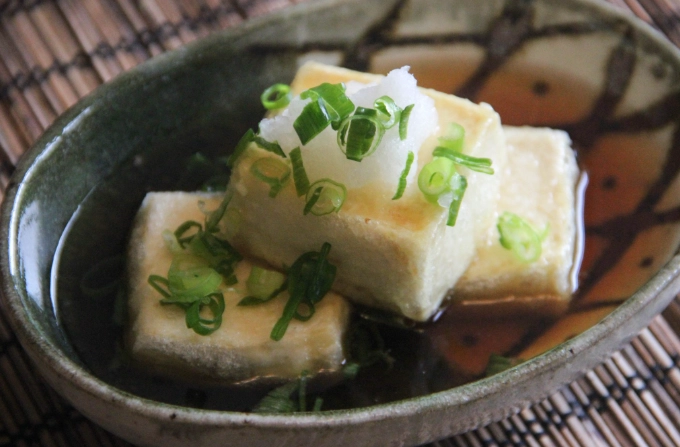
And now, I want to save you the trouble. This isn't just an agedashi tofu recipe. It's the blueprint for getting that perfect contrast of textures and flavors right in your own kitchen. Crispy outside, soft and warm inside, all swimming in a deeply flavorful dashi broth. It sounds fancy, but the process is surprisingly straightforward once you know the key steps.
What Exactly is Agedashi Tofu?
Before we dive into the cooking, let's understand what we're aiming for. Agedashi tofu (揚げ出し豆腐) is a classic Japanese appetizer. The name gives you clues: "age" means deep-fried, and "dashi" refers to the broth it's served in. It's essentially firm tofu that's lightly coated in potato starch (or cornstarch) and deep-fried until it develops a delicate, crispy shell.
The magic happens when you place that hot, crispy tofu into a shallow pool of warm, umami-rich dashi-based broth (the tsuyu). The exterior softens just slightly, creating a unique texture that's neither fully crispy nor soggy, but something wonderfully in-between. It's typically garnished with grated daikon, green onions, and maybe a bit of grated ginger or bonito flakes.
It's the ultimate comfort food that feels both elegant and homey. A good agedashi tofu recipe balances simplicity with profound flavor.
You'll find it in izakayas (Japanese pubs) and restaurants worldwide. But the homemade version? When done right, it can be even better because you serve it immediately at its peak.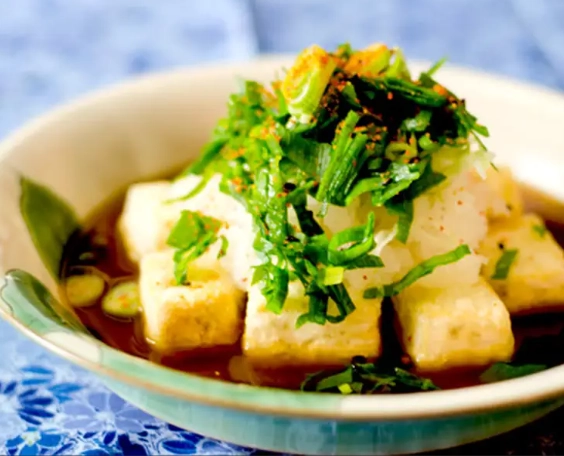
The Core Ingredients (And Why Each One Matters)
Great agedashi tofu starts with great ingredients. You don't need many, but the quality and type are crucial. Let's break down your shopping list.
The Star: Choosing the Right Tofu
This is the most important choice. You absolutely must use firm tofu or extra-firm tofu. Silken or soft tofu will disintegrate. I prefer firm tofu for its balance of sturdiness and custardy interior.
Some recipes swear by freezing the tofu first to create a spongier, meatier texture that soaks up more sauce. It's an interesting technique, but for a classic agedashi tofu, I find fresh, high-quality firm tofu pressed well is perfect. The freezing method can sometimes make the interior too chewy for this particular dish.
The Coating: Potato Starch vs. Cornstarch
This is the secret to the signature, ultra-crispy yet light shell. Potato starch (katakuriko) is the traditional choice and, in my opinion, the best. It fries up to a crispier, airier, and slightly glossier finish than cornstarch. Cornstarch will work in a pinch—it gets crispy too—but the texture is a bit denser and can sometimes have a slight chalky aftertaste if you use too much.
All-purpose flour? Forget it. It creates a heavy, doughy coating that's all wrong for this dish.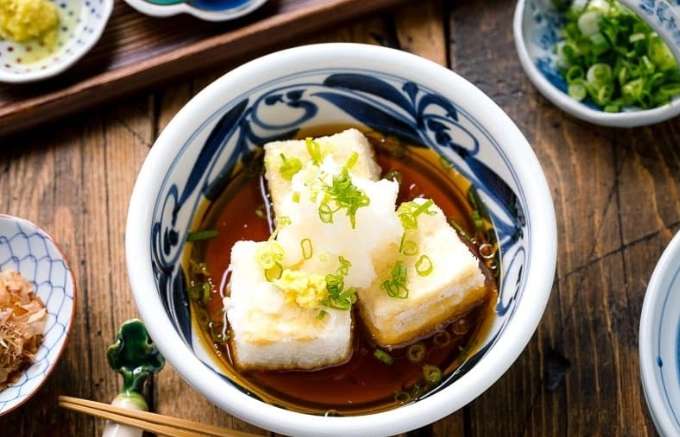
The Soul: Building the Dashi Broth (Tsuyu)
The broth is what elevates this from simple fried tofu to something sublime. A proper dashi is the heart of Japanese cooking. For an authentic agedashi tofu recipe, you have a few options:
- Homemade Dashi: The gold standard. It's made by steeping kombu (dried kelp) and katsuobushi (bonito flakes). It's easier than you think and makes a world of difference. The flavor is clean, oceanic, and packed with umami. You can find a great guide to making classic dashi on Just One Cookbook, a fantastic resource for authentic Japanese recipes.
- Dashi Powder/Granules (Hondashi): A perfectly acceptable and convenient shortcut. Just dissolve it in hot water. The flavor is stronger and a bit more one-dimensional than homemade, but it gets the job done well. I use this on busy weeknights.
- Pre-made Mentsuyu or Tsuyu: This is a concentrated noodle soup base (a mix of dashi, soy sauce, mirin). You can dilute it with water. It's super convenient, but check the saltiness—you'll need to adjust the dilution and likely won't need extra soy sauce or mirin.
For the broth in this recipe, we'll season the dashi with soy sauce (use a Japanese one like usukuchi or koikuchi for authenticity) and mirin (sweet rice wine). If you don't have mirin, a tiny pinch of sugar in dry sherry or white wine is an okay substitute, but it won't be quite the same.
My Step-by-Step Agedashi Tofu Recipe
Okay, let's get cooking. This is the detailed, no-stone-unturned process. Read through once before you start.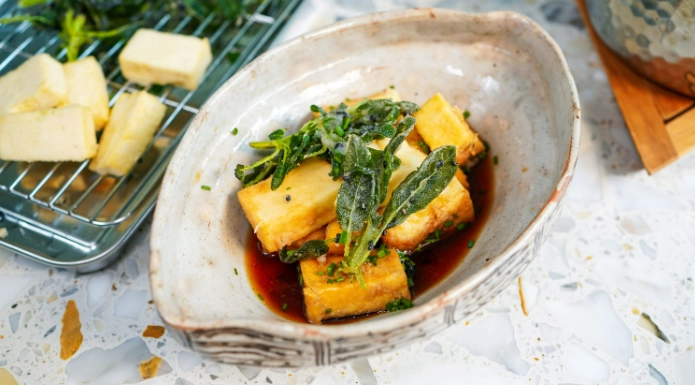
Prep Work: Pressing the Tofu (Don't Skip This!)
Removing excess water is the single most critical step for achieving a crispy crust. Wet tofu + hot oil = steam = soggy coating.
- Take your block of firm tofu from the package and drain the water.
- Wrap the block in several layers of paper towels or a clean kitchen towel.
- Place it on a plate. Put another plate on top, then something heavy on top of that—a cast iron skillet, a few heavy cans, a book.
- Let it press for at least 30 minutes. If you have time, 45 minutes to an hour is even better. You'll be amazed at how much water gets absorbed by the towels.
After pressing, cut the tofu into roughly 1.5-inch cubes. Pat them completely dry with fresh paper towels. Any surface moisture is the enemy of crispiness.
Making the Tsuyu (Broth)
While the tofu presses, make your broth so it's ready to go.
- If using homemade dashi, heat 1.5 cups of it until just simmering. If using dashi powder, dissolve 1.5 teaspoons in 1.5 cups of hot water.
- Add 2 tablespoons of soy sauce and 2 tablespoons of mirin.
- Let it simmer gently for 2-3 minutes to blend the flavors and cook off the alcohol in the mirin. Turn off the heat and keep it warm.
The Frying Process: How to Get it Perfectly Crispy
Here's where the magic—or the mess—happens. Let's aim for magic.
- Heat the oil: Use a neutral oil with a high smoke point like canola, vegetable, or peanut oil. Pour enough into a heavy-bottomed pot (like a Dutch oven) to come up about 1.5 inches. Heat it to 340-350°F (170-175°C). Use a thermometer. Guessing is how you end up with greasy or burnt tofu.
- Coat the tofu: Place about ½ cup of potato starch in a shallow bowl or plate. Right before frying, gently roll each dried tofu cube in the starch until lightly but evenly coated on all sides. Tap off any excess. Don't coat them all ahead of time or the starch will get gummy.
- Fry: Carefully lower 4-5 tofu cubes into the hot oil. Don't crowd the pot. Fry for about 4-5 minutes, turning occasionally, until they are a uniform pale golden brown and very crispy.
- Drain: Use a slotted spoon or mesh skimmer to transfer them directly to a wire rack set over a baking sheet. Do not drain on paper towels. Paper towels trap steam and make the bottom soggy. The wire rack keeps air circulating all around.
- Repeat with the remaining tofu, ensuring the oil returns to temperature between batches.
Assembly and Serving
This dish waits for no one. Serve it immediately.
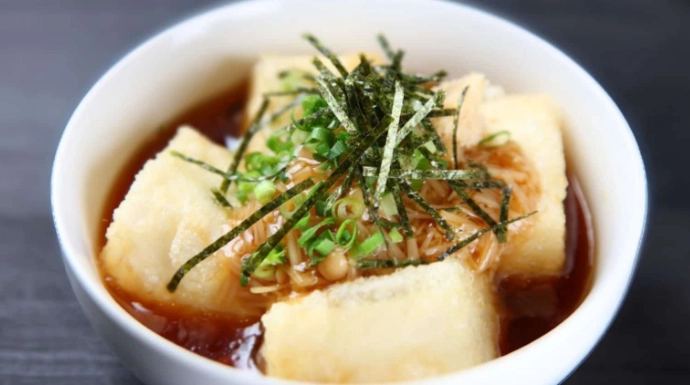
- Place 2-3 crispy tofu cubes in a small, shallow bowl.
- Ladle a few tablespoons of the warm tsuyu broth around the tofu—enough to come about one-third of the way up the sides. You don't want to submerge it completely.
- Top immediately with your garnishes: a small mound of grated daikon (it helps cut the richness), finely sliced green onions (negi), and maybe a tiny bit of freshly grated ginger. A few bonito flakes (katsuobushi) on top are classic—they dance and wave in the steam.
Eat it with chopsticks, getting a bit of tofu, some daikon, and a sip of the broth in each bite. The combination is unreal.
Ingredient Substitutions & Variations
No mirin? Can't find potato starch? Don't panic. Here's a handy table to navigate common ingredient swaps.
| Ingredient | Best Substitute | Notes & Adjustments |
|---|---|---|
| Potato Starch | Cornstarch | Use a 1:1 ratio. The crust will be slightly less airy but still very crispy. Tapioca starch can also work. |
| Mirin | 1.5 tbsp sake or dry sherry + ½ tsp sugar | The sugar replicates mirin's sweetness. Add this mix to the broth when you'd add mirin. |
| Fresh Daikon | Grated cucumber or omit | Grated cucumber provides a similar fresh, watery crunch. It's not traditional but works. |
| Dashi Granules | Vegetable broth + a pinch of MSG or mushroom powder | For a vegetarian/vegan version. The flavor profile will be different but still savory. Check out this objective resource on MSG from the Manitoba government if you're curious about this umami booster. |
| For a Gluten-Free Version | Tamari (gluten-free soy sauce) | Ensure your dashi granules/powder are also gluten-free, as some brands contain wheat. |
Answering Your Agedashi Tofu Questions (FAQs)
I get asked these questions all the time. Here are the straight answers.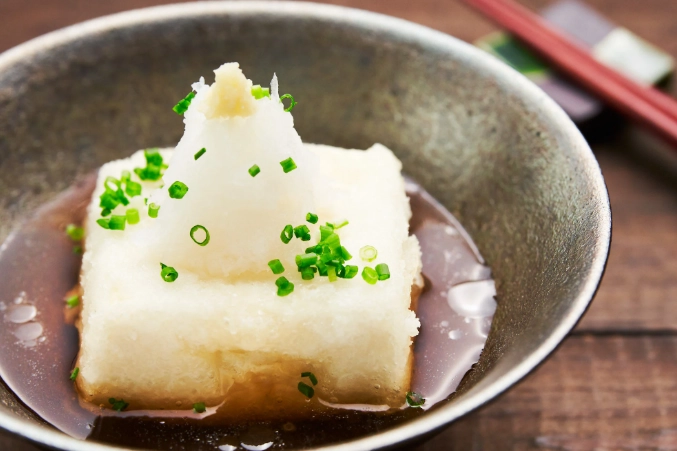
Can I air-fry or pan-fry agedashi tofu?
You can try, but it won't be the same. The magic of the classic agedashi tofu recipe comes from deep-frying. The tofu needs to be fully surrounded by hot oil to puff up the starch coating evenly and create that delicate, all-over crispness. Air-frying gives a drier, more bread-like crust, and pan-frying (shallow frying) usually leaves some sides soft. For authenticity, deep-fry. If you must air-fry, coat the pressed tofu in a very light spray of oil before rolling in starch, then air-fry at 400°F, shaking halfway, until golden.
Why is my tofu falling apart in the oil?
Two main reasons: wrong tofu type (you used soft/silken) or you didn't dry it well enough before coating. A wet surface makes the starch slurry slide off. Also, be gentle when handling and turning the tofu in the oil. Use chopsticks or a slotted spoon; don't stab it with a fork.
My broth tastes too salty. How do I fix it?
Traditional tsuyu is meant to be on the saltier, more concentrated side because it's not a soup you drink by the bowlful—it's a seasoning sauce for the tofu. But if it's overpowering, dilute it with a bit more hot water or plain dashi. Next time, use less soy sauce or choose a lighter sodium version. Remember, you can always add, but you can't take away.
Can I make any part ahead of time?
You can make the tsuyu broth a day ahead and reheat it gently. You can also press and cut the tofu a few hours ahead, storing it covered in the fridge. But the frying and assembly must be done at the last minute. This dish has a 5-minute window of perfection.
What's the difference between Agedashi Tofu and Hirayachi?
Good question! Hirayachi is a simpler, homestyle dish where tofu is dusted with flour and pan-fried, then simmered briefly in a seasoned broth. It's softer and more stew-like. Agedashi is specifically deep-fried with a starch coating for crispiness and served with broth poured around it, not simmered in it. The textures are completely different.
Taking Your Agedashi Tofu to the Next Level
Once you've mastered the basic recipe, have fun with it!
- Add Some Heat: Add a pinch of shichimi togarashi (Japanese seven-spice) to the potato starch, or drizzle a bit of rayu (chili oil) over the finished dish.
- Herb It Up: While not traditional, a few shiso leaves (perilla) chopped finely as a garnish are amazing.
- Mushroom Boost: Simmer a few sliced shiitake mushrooms in your tsuyu broth for an extra layer of earthy umami, then use them as an additional topping.
- Vegan/Dashi-Free: For a completely vegan agedashi tofu recipe, make a mushroom-based dashi (shiitake and kombu) and use vegan mirin (check for no honey).
The beauty of this dish is its versatility within a simple framework. It's a perfect example of washoku (Japanese cuisine) principles—respecting ingredients, balancing tastes and textures, and creating something deeply satisfying without being overly complex.
Look, I'm not a professional chef. I'm just someone who loves food and got tired of mediocre homemade agedashi tofu. The journey to get this recipe right was filled with more than a few subpar batches. But that's cooking, right? You learn from the mistakes.
So, grab some firm tofu, get your oil hot, and give this method a shot. Follow the steps on pressing and drying, trust the potato starch, and don't be afraid of the fryer. When you hear that first crispy cube softly crackle as you pour the hot broth over it, you'll know you've got it. And honestly, there's no better feeling than nailing a restaurant-quality dish in your own kitchen.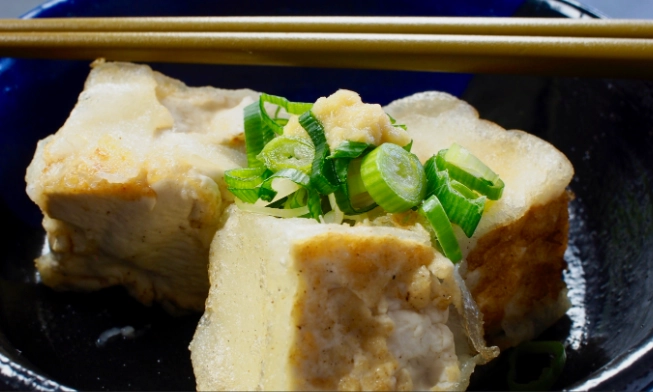
For more on the cultural context and history of tofu in Japan, which is fascinating, the Japan National Tourism Organization website often has great articles on regional food specialties that can deepen your appreciation.
Now, go make some agedashi tofu. You've got this.
Reader Comments