That crave-worthy bowl of ramen. It's not just soup with noodles. It's a carefully engineered harmony of four distinct elements: a soulful broth, springy noodles, a flavorful seasoning base, and thoughtful toppings. Trying to recreate it can feel daunting. I've had my share of cloudy broths and soggy noodles. But once you understand the logic behind each component, it clicks. You can make something that doesn't just mimic your favorite shop, but becomes your own.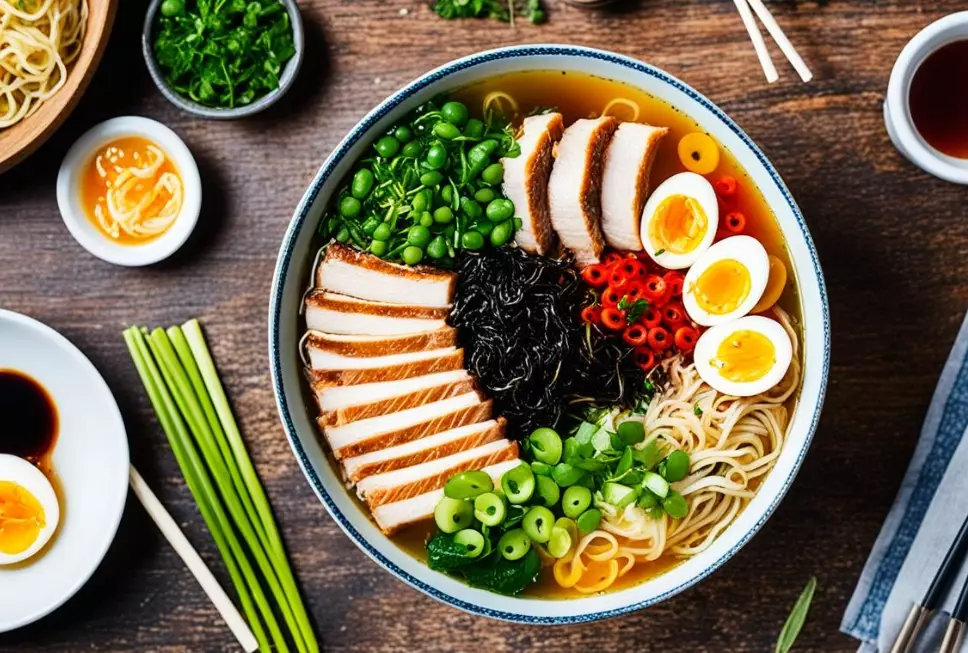
What's Inside This Guide
Broth Deconstructed: More Than Just Simmering
This is the foundation. Most recipes tell you to simmer. For some broths, that's a mistake.
The Two Main Broth Families
Think of broths in two categories: clear (chintan) and cloudy (paitan). The method makes all the difference.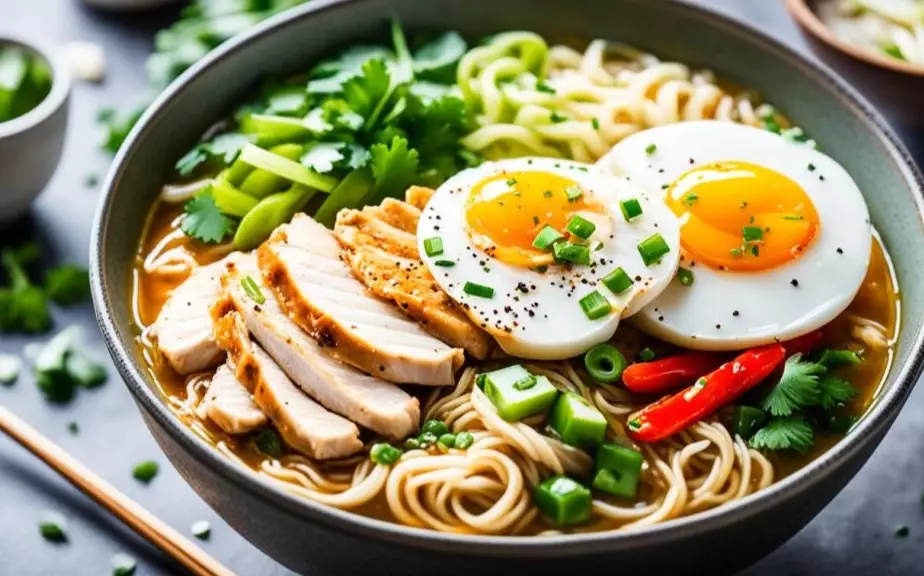
| Broth Type | Base Ingredients | Key Characteristic | Cook Time & Method |
|---|---|---|---|
| Chintan (Clear) | Chicken bones (frames, wings), vegetables, kombu | Crystal clear, refined, delicate flavor | 4-6 hours at a bare simmer (bubbles barely break the surface). Skim constantly. |
| Paitan (Cloudy/Creamy) | Pork bones (femur, neck), chicken feet, high collagen parts | Milky-white, rich, viscous, packed with umami | 8-12+ hours at a vigorous rolling boil. Emulsification is the goal. |
My Pressure Cooker Shortcut: Want Tonkotsu broth in 3 hours instead of 12? A pressure cooker is a game-changer. Cook your blanched bones on high pressure for 2 hours, then release and continue with a rolling boil for another 30-60 minutes to emulsify and reduce. The result is incredibly close to the all-day version.
Here's the subtle error I see all the time with Tonkotsu: people get nervous and turn down the boil. You must commit. A strong, rolling boil violently breaks down the fat, marrow, and connective tissue, whipping them into the water. If it drops to a simmer, you'll get a greasy, slightly cloudy broth that never achieves that creamy, lip-coating consistency. It feels wrong to boil soup that long, but trust the process.
Noodle Know-How: The Quest for Spring
Store-bought dried ramen noodles work in a pinch. But if you want that specific ramen bite—firm, springy, slightly yellow—you need to understand kansui.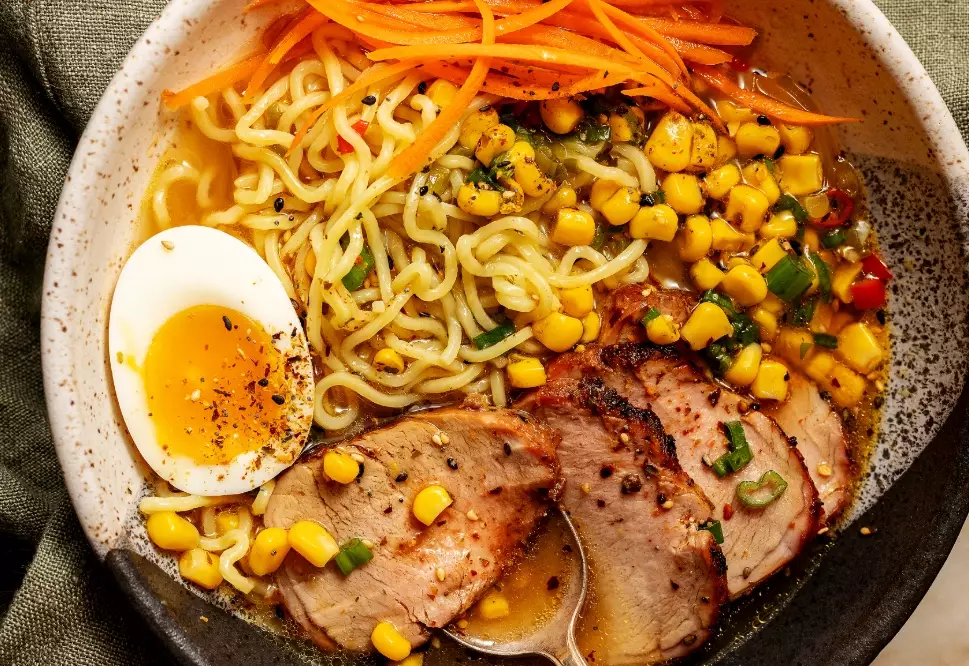
Kansui is alkaline mineral water. It's the magic ingredient. It changes the pH of the dough, making the gluten stronger and giving the noodles their unique color, flavor, and slippery-yet-firm texture. You can mimic it by baking baking soda in an oven, which converts some of it to sodium carbonate, a stronger alkali.
Simple Fresh Ramen Noodle Recipe
- 200g bread flour (high protein is key)
- 80ml water mixed with 1 tsp baked baking soda (or ½ tsp food-grade kansui powder)
- ½ tsp salt
Mix into a shaggy dough, knead for 10 minutes until smooth and tough. It's a hard dough. Rest in a plastic bag for an hour. Roll out thinly (a pasta machine is almost essential here), dust with cornstarch, and cut into thin strips. They'll be springy and chewy when cooked for 90 seconds in boiling water.
Common Pitfall: Over-kneading without resting. You develop the gluten through kneading, but then you must let the dough rest to relax it. If you try to roll it immediately after kneading, it will fight you, shrink back, and be impossible to get thin enough.
Tare & Toppings: The Flavor Finishers
Tare (pronounced tah-reh) is the concentrated seasoning base at the bottom of the bowl. It seasons the broth. The three main types are Shoyu (soy-based), Shio (salt-based), and Miso.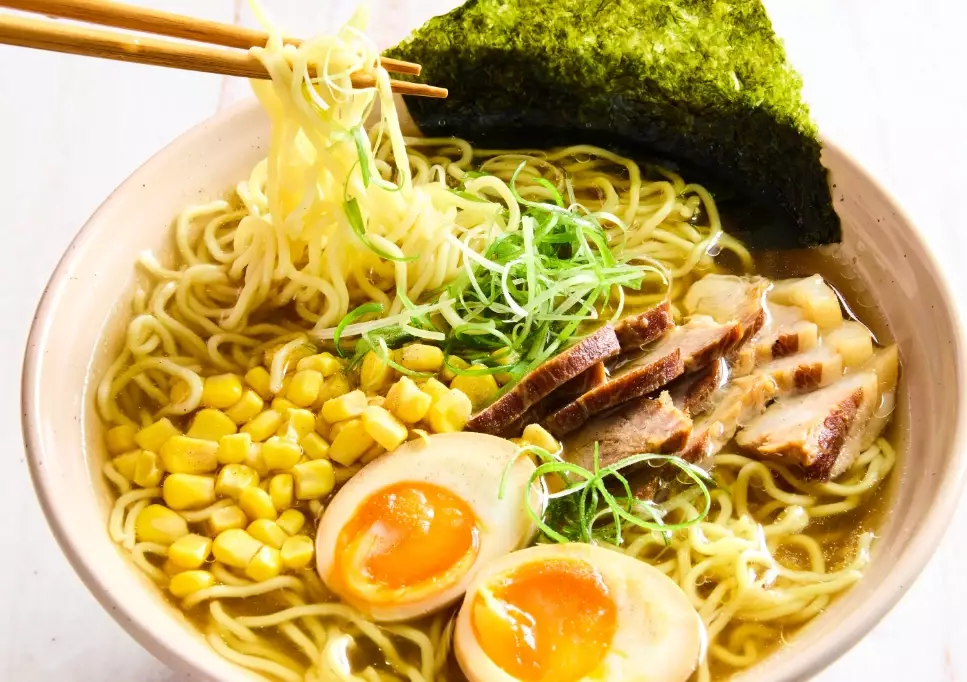
My go-to easy Shoyu Tare: Combine ½ cup soy sauce, ¼ cup mirin, ¼ cup sake, a 1-inch knob of smashed ginger, and 1 crushed garlic clove in a pot. Simmer for 10 minutes to cook off the alcohol. Strain. That's it. It keeps for weeks in the fridge. About 1.5 tablespoons per bowl is a good start.
Toppings are where you personalize. The classics are non-negotiable for me:
- Chashu: Braised pork belly. Sear it, then simmer in soy, sake, sugar, etc., for 1-2 hours until tender. Chill and slice.
- Ajitsuke Tamago (Marinated Egg): This is a hill I will die on. Soft-boil an egg (6.5 minutes from fridge cold), peel, and marinate in a mix of soy, mirin, and water for 4-12 hours. The yolk becomes a creamy, savory sauce.
- Menma: Fermented bamboo shoots. Buy them canned. They add a funky crunch.
- Nori, scallions, a dab of chili oil or rayu.
The Assembly Line: Putting It All Together
Timing is everything. Have your toppings prepped, your tare in the bowls, your broth piping hot.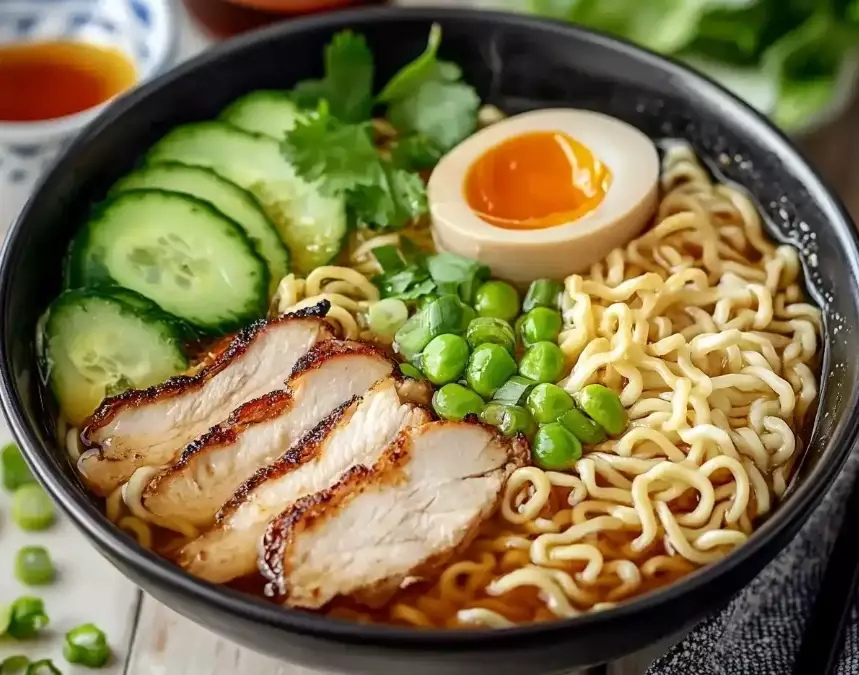
1. Warm your bowls. A cold bowl kills the heat instantly. Run them under hot water or fill with boiling water for a minute, then empty.
2. Add the tare. 1 to 2 tablespoons, depending on saltiness.
3. Cook the noodles. Fresh ones take 90 seconds. Dried ones take the time on the package. Don't overcook!
4. Ladle the boiling broth into the bowl with the tare and stir.
5. Drain the noodles well and place them in the broth. Use chopsticks to arrange them neatly.
6. Artfully arrange your toppings. Place the chashu, halved egg, nori, etc. Don't just dump them.
7. Serve immediately. Eat quickly. The noodles continue to absorb broth and soften.
The first time you nail this process, you'll understand. The steam rising with that complex aroma, the sheen on the broth, the perfect bite of the noodle. It's not just dinner. It's an accomplishment. Start simple, maybe with a fortified store-bought broth and my shoyu tare. Then go deeper. Try the Tonkotsu. Make the noodles. It's a journey, and every bowl is better than the last.
What's the secret to a rich, creamy Tonkotsu broth?
The key is a long, vigorous rolling boil, not a simmer. You need to cook pork bones (femurs and neck bones) for at least 8-12 hours at a strong boil. This emulsifies the fat, marrow, and collagen into the water, creating that signature milky-white, opaque, and creamy texture. Skimming scum initially is crucial, but don't remove the fat later—it's essential for the emulsion. A pressure cooker can drastically reduce the time to 2-3 hours while achieving similar results.
Can I make a good vegetarian or vegan ramen broth?
Absolutely. A deeply flavorful vegan broth often uses a combination of roasted vegetables (onions, garlic, ginger, mushrooms), seaweeds like kombu for umami, and dried shiitake mushrooms. For creaminess without dairy, some recipes incorporate soy milk, cashew cream, or even a bit of white miso or tahini. Toasted sesame oil and nutritional yeast can add depth and a savory, almost 'cheesy' note. It's a different profile from meat-based broths, but can be incredibly satisfying and complex.
My homemade ramen noodles are never as springy (al dente) as the restaurant's. What am I doing wrong?
 The springiness (or 'koshi') comes from the gluten development and alkaline salts (kansui). First, ensure you're using bread flour or a high-protein flour for strong gluten. Second, knead the dough thoroughly, then let it rest to relax the gluten before rolling and cutting. The real game-changer is kansui (alkaline mineral water or baked baking soda). It changes the pH, making the noodles firmer, yellower, and gives them that distinct ramen flavor and slippery texture. Don't overcook them—fresh ramen noodles often cook in just 1-2 minutes. Shock them in cold water after cooking to stop the process and keep them springy.
What's the easiest ramen recipe for a beginner?
Start with a 'tare' (seasoning base) and broth shortcut. Make a simple shoyu (soy sauce) tare by simmering soy sauce, mirin, sake, a bit of sugar, and aromatics like garlic and ginger. For the broth, use a high-quality store-bought chicken or pork stock (unsalted or low-sodium is best) and enhance it by simmering with a piece of kombu, a few dried shiitake mushrooms, and maybe a slice of onion and ginger for 30-45 minutes. Strain it. Boil good-quality dried ramen noodles (or fresh if you can find them). In your bowl, add 1-2 tbsp of your tare, pour in the hot broth, add the noodles, and top with a soft-boiled egg, sliced chashu pork (store-bought is fine to start), green onions, and nori. It's a massive step up from instant ramen and teaches you the assembly process.
Reader Comments