So you're standing in a restaurant, or maybe scrolling through a menu online, and you see both "Doria" and "Risotto." They both look creamy, they both involve rice, and they both promise a hearty, comforting meal. Your brain might even trick you into thinking they're close cousins. I've been there. I remember once ordering a risotto expecting the classic Italian experience, only to be served something that felt… different. Baked, not stirred. It was my first confusing encounter with Doria. That moment of culinary confusion is exactly why we need to clear this up.
Your Culinary Guide
What is the difference between Doria and risotto? It's not a minor tweak. It's a fundamental split in philosophy, technique, and culinary tradition. One is a patient, rhythmic Italian dance in a pan. The other is a clever, comforting Japanese-Western fusion bake. Getting them mixed up is like confusing a slow-cooked stew with a stir-fry. They might use some of the same ingredients, but the journey and the destination are worlds apart.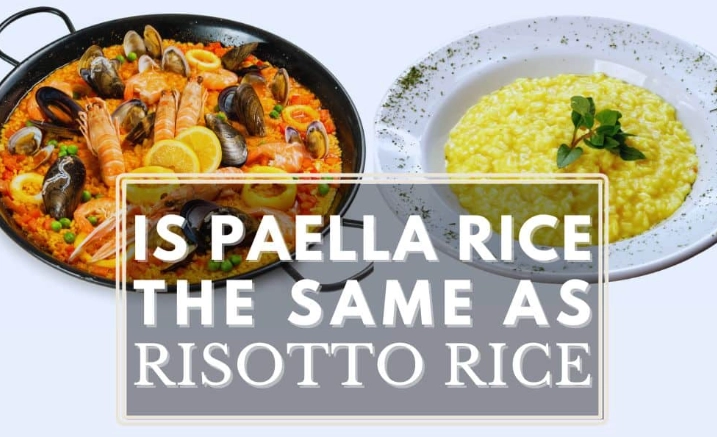
Let's dig into the details, the history, and the how-to so you'll never wonder again.
In a Nutshell: The Core Difference
If you only remember one thing, remember this: Risotto is a stirred stovetop dish where creaminess comes from released starch. Doria is a baked casserole where creaminess comes from a white sauce (béchamel) and cheese. The rice in risotto is the star and the sauce-maker. The rice in Doria is a base, topped with other ingredients and sauce, then baked until golden.
Starting at the Source: Origins and Cultural Roots
You can't talk about the difference without understanding where they came from. Their stories explain a lot about their character.
Risotto: The Heart of Northern Italy
Risotto is pure Italian soul food, born in the rice-growing regions of the north like Lombardy and Piedmont. Its history is tied to the introduction of rice to Italy in the Middle Ages. The technique of "toccare in padella" (touching in the pan) – slowly adding broth and stirring – developed as a way to coax maximum flavor and creaminess from short-grain rice varieties like Arborio, Carnaroli, and Vialone Nano. This isn't fast food; it's a mindful, almost meditative cooking process. The Italian Ministry of Agricultural, Food and Forestry Policies even recognizes and protects specific risotto rice varieties and traditional preparations, highlighting its deep cultural significance. You can explore some of these traditional Italian agri-food products on the official Ministry website.
It's a dish of patience and precision.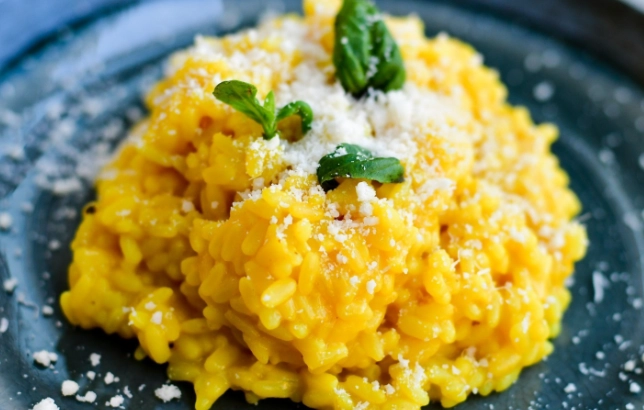
Doria: A Japanese Love Letter to Western Food
Doria's story is younger and fascinatingly hybrid. It emerged in Japan during the early 20th century, a period of enthusiastic incorporation of Western ("yōshoku") cuisine. Named after the Swiss tennis player (and later restaurant owner) Paul Emile Doria, the dish is believed to have been created at the Hotel New Grand in Yokohama in the 1920s or 1930s. Chefs took the concept of gratin – a baked dish with a browned topping – and applied it to rice. They used available ingredients: cooked rice, a French-inspired béchamel sauce, and available proteins like ham or seafood, topped with cheese and baked.
It's a brilliant example of "washoku" (Japanese food culture) adaptability, taking a foreign concept and making it uniquely its own—comforting, convenient, and incredibly satisfying. The Japanese government's Washoku promotion site delves into this culture of culinary adaptation and refinement.
So right away, the difference between Doria and risotto is cultural: one is a centuries-old Italian tradition, the other is a creative 20th-century Japanese fusion.
The Building Blocks: Ingredients Under the Microscope
Let's look at what actually goes into each dish. There's overlap, but the roles are different.
Risotto's Non-Negotiables
- The Rice: This is the absolute key. You need a high-starch, short-grain Italian rice. Arborio is common, Carnaroli (the "king" or "caviar" of risotto rice) is superior for its ability to stay al dente, and Vialone Nano is fantastic for a looser texture. Using long-grain or basmati rice is the number one rookie mistake. The starch is wrong.
- The Broth: Usually a warm chicken, vegetable, or meat broth added gradually. It's the sole liquid, so its flavor is paramount.
- The Fat: Butter and/or olive oil to toast the rice at the start.
- The Aromatics: Almost always starts with a "soffritto" of finely chopped onion or shallot.
- The Finishers: More cold butter and grated Parmesan cheese stirred in vigorously at the end ("mantecatura") to create an emulsion, adding richness and shine.
Doria's Flexible Framework
- The Rice: Cooked white rice. It can be Japanese short-grain rice (giving a stickier base) or sometimes medium-grain. It's pre-cooked, so the type is less critical than in risotto. Leftover rice works great, which speaks to its practical nature.
- The Sauce: A creamy béchamel (white sauce made from butter, flour, and milk) is the defining element. This is what makes it "creamy" in a totally different way than risotto.
- The Toppings/Add-Ins: This is where Doria gets fun. Common additions are sautéed chicken, shrimp, ham, mushrooms, or spinach, often mixed into the béchamel or layered over the rice.
- The Cheese Topping: A generous layer of cheese, typically a melty one like mozzarella, Gruyère, or Parmesan, that forms that irresistible golden-brown crust when baked.
- The Optional Boost: Sometimes tomato sauce or ketchup is swirled in or used as a base layer for a "Demi-Glace Doria" variation.
See the shift? Risotto's creaminess is intrinsic, created from the rice itself. Doria's creaminess is extrinsic, added via a separate sauce.
The Battle of Techniques: Stirred vs. Baked
This is where the physical difference between Doria and risotto becomes crystal clear. The methods are opposites.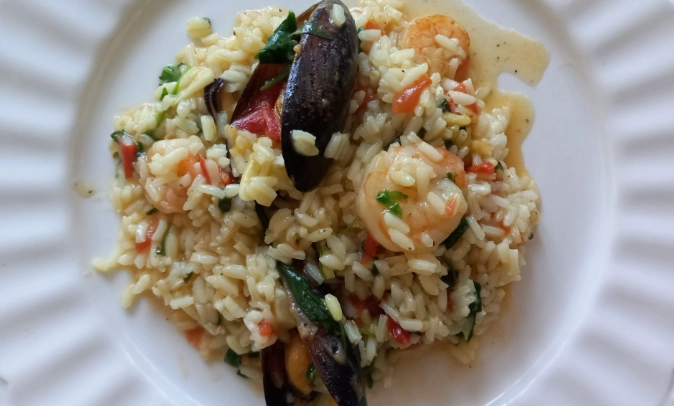
| Aspect | Risotto (The Stir) | Doria (The Bake) |
|---|---|---|
| Primary Cooking Method | Stovetop, constant stirring. | Oven-baking after assembly. |
| Rice Prep | Raw rice toasted in fat, then cooked from scratch in the pan. | Rice is fully cooked and cooled beforehand. |
| Liquid Addition | Hot broth added in small increments, absorbed before adding more. A slow, controlled process. | Béchamel sauce is already a finished liquid/sauce. It's poured over the rice. |
| Active Time & Focus | High. Requires 18-25 minutes of constant attention and stirring to agitate the starch. | Low. Active time is for making béchamel and assembling. Baking is hands-off. |
| The "Creaminess" Creation | Happens in the pan. Starch leaches from rice grains through stirring and liquid absorption, creating its own sauce. | Comes from the pre-made béchamel sauce. The baking melts cheese and integrates flavors. |
| Final Texture Goal | "All'onda" – wave-like. Creamy but fluid, with rice grains still distinct and al dente. | Set, layered, and gratinéed. A cohesive casserole with a crispy cheese top and creamy interior. |
| Best For | A focused cooking project, a dinner centerpiece. | Make-ahead meals, feeding a crowd, using leftovers. |
I learned the risotto technique the hard way. The first time I tried, I dumped all the broth in at once. I ended up with a mushy, soupy mess. A proper risotto is a conversation between you and the pan. Doria, on the other hand, feels more forgiving. You can mess up the béchamel a bit, but once it's assembled and in the oven, it usually comes out delicious. Less pressure.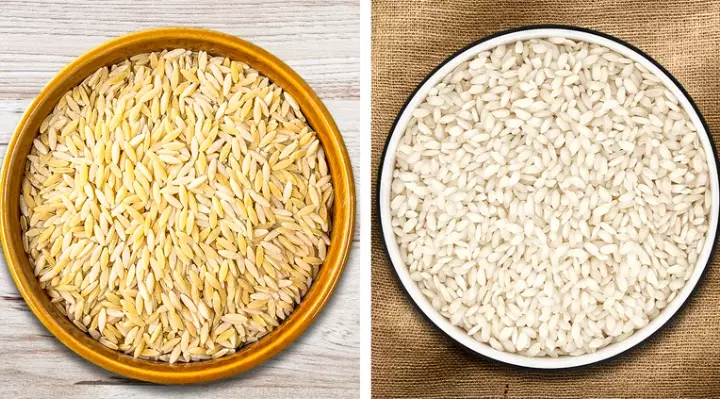
Texture and Taste: What to Expect on Your Plate
Closing your eyes and taking a bite, you'd never confuse the two.
A perfect risotto should spread slightly on the plate (that's the "onda" or wave). Each grain of rice has a tiny bite at its core (al dente), surrounded by a luxurious, velvety, self-made sauce. The flavor is deep and unified – the taste of the broth, wine, cheese, and rice all in one harmonious blend. It's elegant.
A classic Doria is a layered experience. Your spoon cracks through a bubbly, browned cheese crust. Underneath, you hit a rich, thick, creamy béchamel layer mingling with chicken or shrimp. At the bottom, you find the bed of soft, comforting rice that has soaked up some of the sauce. The flavors are distinct layers that come together in your mouth: the toasty cheese, the milky béchamel, the savory filling, the mild rice. It's hearty and homey.
Some people find a badly made risotto (gluey, overcooked) unpleasant. I'm one of them. That gummy texture is a real turn-off. Doria is almost always texturally pleasing because the baked cheese saves the day.
Common Questions and Confusions (FAQ)
So, Which One Should You Make Tonight?
It boils down to your mood, time, and goal.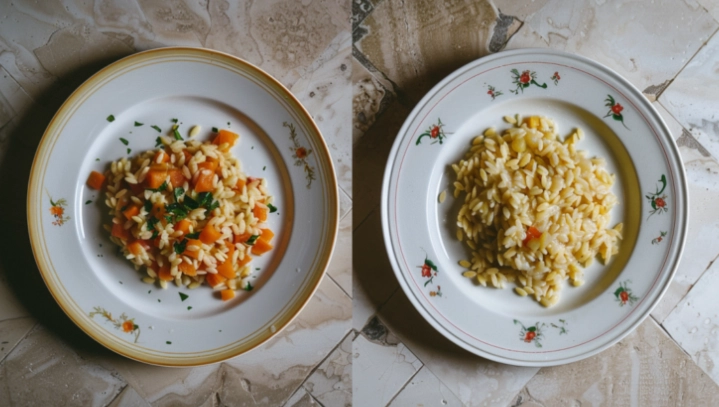
Make a Risotto if: You have 30 minutes of undivided attention. You want to impress with technique. You're craving something elegant, nuanced, and where the rice is the undisputed star. You have good broth and proper risotto rice.
Make a Doria if: You want comfort food with minimal active cooking. You need to feed a family easily. You have leftover rice or chicken to use up. You're craving that irresistible baked cheese pull and layered casserole experience. You want something you can assemble ahead of time.
My Personal Go-To
For a busy weeknight, Doria wins for me. It's my secret weapon for a satisfying dinner that feels special without the stress. I often use leftover roast chicken and day-old rice. Risotto is my weekend project, when I want to put on some music, pour a glass of wine, and really cook.
The Final Verdict
Understanding the difference between Doria and risotto isn't just culinary trivia. It empowers you to choose the right dish for the right occasion and appreciate each for its unique genius.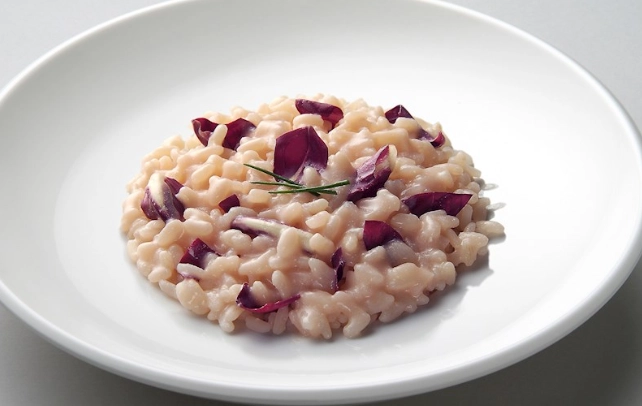
Risotto is an Italian masterpiece of transformation—turning simple rice and broth into creamy gold through skill and patience. Doria is a Japanese-Western hybrid of convenience and comfort—layering familiar elements into a baked dish that's greater than the sum of its parts.
One is stirred. One is baked. One creates its sauce. One is topped with sauce. Both are delicious, but they are not interchangeable.
Next time you see them on a menu, you'll know. Craving that rhythmic stir and a silky, unified bite? Go for the risotto. Dreaming of a crispy cheese lid over a creamy, hearty bake? The Doria is calling your name. Now you're equipped not just to tell them apart, but to enjoy each one for exactly what it is.
Reader Comments