Let's be honest. Most people's first encounter with miso soup is that little bowl that comes with the sushi combo. It's warm, salty, vaguely comforting, and often forgotten. But when you have a properly made miso soup—the kind where the broth is deeply savory, the miso flavor is rich and rounded, and the tofu is silken—it's a revelation. It's not just a side dish; it's a nutrient-packed, soul-warming staple. The gap between that forgettable bowl and the transcendent one comes down to understanding miso soup preparation. It's simple, but the devil (and the divinity) is in the details.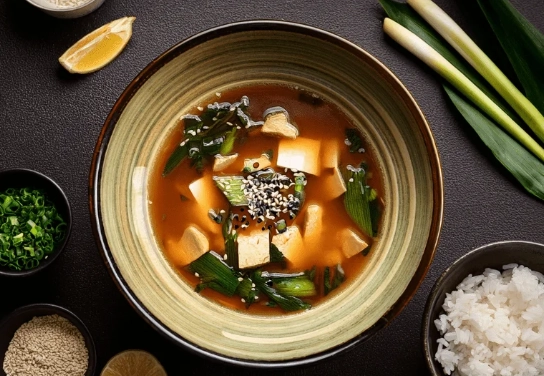
What's Inside This Guide
The Three Pillars: Miso, Dashi, and Toppings
Think of miso soup as a tripod. Kick one leg out, and the whole thing falls over. Get all three right, and it stands strong.
1. Miso Paste: The Heart of the Matter
Miso is fermented soybean paste, and its variety is staggering. Walking into a Japanese grocery, you'll see red (aka), white (shiro), yellow, barley (mugi), and more. The color indicates fermentation time and ingredients. This is where most online guides stop. Here's what they miss: Don't get married to one type. The best miso soup I've ever made used a 50/50 blend of white and red miso. White miso (shiro) is milder, sweeter, and fermented for a shorter time. Red miso (aka) is saltier, more robust, and aged longer. Using just red can be overpowering for a simple soup. Using just white can lack depth. Blending is the chef's secret.
Quick Miso Guide: For beginners, start with a mild yellow or white miso. If you want more punch, mix it with a bit of red. Always buy unpasteurized, refrigerated miso if you can find it—it's alive with probiotics.
2. Dashi: The Invisible Foundation
If miso is the heart, dashi is the soul. This is the stock, and 90% of bland miso soup fails here. Instant dashi granules (hondashi) are convenient, and I use them in a pinch, but they often taste one-note and overly salty. For the real deal, you make it from scratch. The classic combination is kombu (dried kelp) and katsuobushi (dried, shaved bonito flakes).
Kombu provides glutamates (umami). Katsuobushi provides inosinates (another umami compound). Together, they create a synergistic effect where the flavor is greater than the sum of its parts. It's science you can taste. Steeping a piece of kombu in water just below boiling, then removing it and adding a handful of katsuobushi for a brief steep, yields a clear, golden, profoundly savory broth. It takes 15 minutes of mostly passive time and makes all the difference.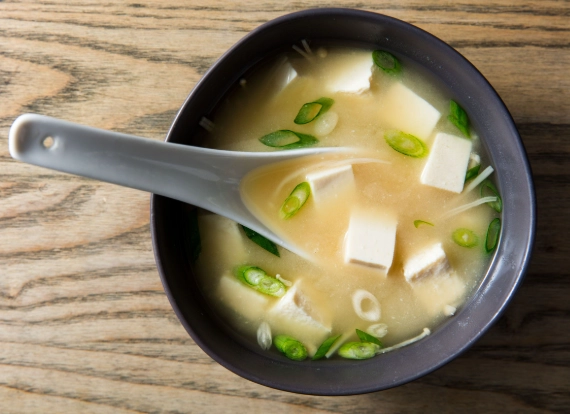
3. Toppings (Gu): The Texture and Personality
This is the fun part. The classics are non-negotiable for a reason:
- Wakame: Dried seaweed that rehydrates in the soup in seconds. Adds a lovely oceanic flavor and soft texture.
- Tofu: Silken tofu (kinugoshi) is traditional. Cut it into small cubes. The key is to add it at the very end so it heats through gently without breaking apart.
- Green Onion: Finely sliced for a fresh, sharp finish.
But then you can branch out: sliced mushrooms (enoki, shiitake), clams, thin slices of pork, potatoes, daikon radish. The topping dictates the soup's character.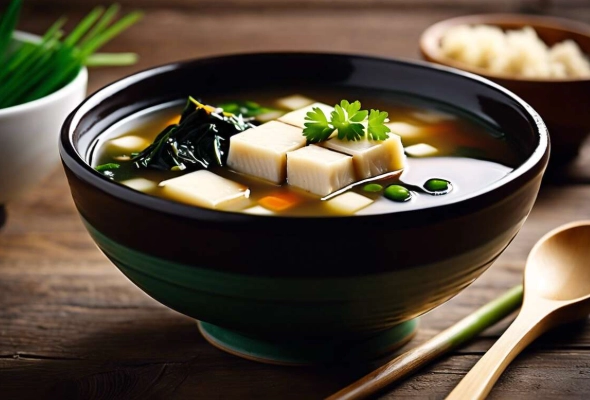
The Foolproof Step-by-Step Process
Here’s exactly how I build my miso soup, from cold water to finished bowl.
Step 1: Make Your Dashi
For 4 servings, take 4 cups of cold water and a 4-inch piece of kombu. Let it sit for 10 minutes if you have time (this helps extract flavor). Then, heat it on medium-low. Just before it boils (look for small bubbles around the edges), remove the kombu. If you boil kombu, it can make the dashi slimy and bitter. Now, turn up the heat. Once boiling, add a big handful (about 1 cup loosely packed) of katsuobushi. Immediately turn off the heat. Let it steep for 5 minutes, then strain through a fine-mesh sieve. Don't press the flakes, or the broth will turn cloudy. You now have beautiful, clear awase dashi.
Step 2: Prepare Your Toppings
While the dashi steeps, get your toppings ready. Cube the tofu. Slice the green onions. Measure your wakame (a tablespoon of dried goes a long way). Have everything by the stove.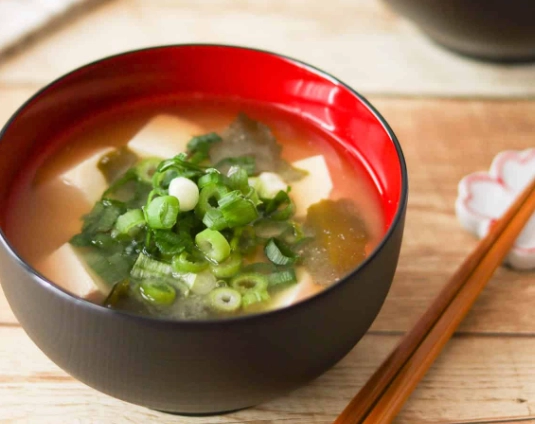
Step 3: The Critical Miso Integration
Bring your dashi back to a gentle simmer. Add any hardy toppings that need cooking, like daikon or potatoes, and simmer until tender. Then add quick-cooking items like wakame and tofu. Now, the most important step: TURN OFF THE HEAT.
Ladle some hot broth into a small bowl. Add your miso paste (about 1 tablespoon per cup of broth). Use a whisk or chopsticks to dissolve it completely into a smooth paste. No lumps. Once smooth, stir this slurry back into the main pot. This method prevents the miso from being boiled, which kills its probiotics, dulls its flavor, and makes the soup cloudy.
Step 4: Serve Immediately
Ladle into bowls, garnish with green onions, and serve right away. Miso soup doesn't like to sit around on the heat.
| Ingredient | Purpose & Tip |
|---|---|
| Kombu (Dried Kelp) | Provides base umami. Wipe with a damp cloth; don't wash off the white powder (mannitol), it's flavor. |
| Katsuobushi (Bonito Flakes) | Adds smoky, savory depth. Use it fresh; old flakes lose aroma. |
| White Miso (Shiro) | Mild, sweet, great for light soups, dressings. Ferments ~1 year. |
| Red Miso (Aka) | Strong, salty, robust. Perfect for heartier soups, stews. Ferments 1-3 years. |
| Silken Tofu | Use soft or silken. Add last to prevent breaking. Pat dry gently. |
Common Mistakes and How to Sidestep Them
I've messed up plenty of pots of soup to learn these.
Boiling the Miso: Already mentioned, but it's the #1 error. Heat, don't cook, the miso.
Using Boiling Water for Instant Dashi: Even with granules, use hot, not boiling, water to dissolve. Boiling can scorch the powder and create a bitter aftertaste.
Adding Everything at Once: Tofu, wakame, and green onions have different cooking times. Tofu and wakame just need warming. Green onions are a raw garnish. Add ingredients in stages.
Not Tasting at the End: Miso saltiness varies by brand and type. After adding the miso, taste. It might need a tiny pinch of salt (use sea salt) or a drop of mirin for balance. Do this off the heat.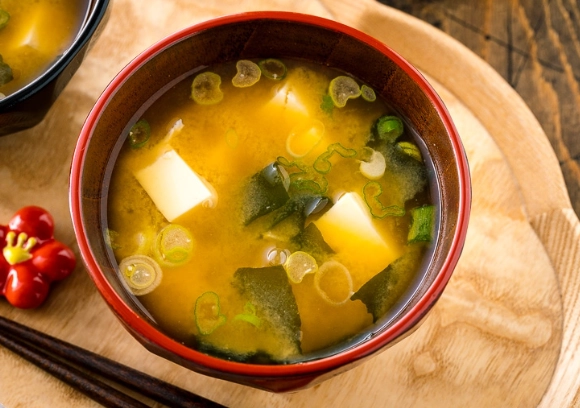
Classic & Creative Recipe Variations
Once you have the basic formula, play with it.
Tonjiru (Pork and Vegetable Miso Soup)
This is a meal in a bowl. Thinly slice pork belly and sauté until it releases fat. Add sliced gobo (burdock root), carrots, and daikon, then cover with dashi. Simmer until veggies are tender. Add miso off the heat. Hearty and satisfying on a cold day.
Nameko Mushroom Miso Soup
Use a dashi made with shiitake mushrooms for a vegan version. Add nameko mushrooms (they come in a slippery, delicious brine) and some cubed tofu. The texture is incredible.
Asari Miso Soup (Clam)
Clean small clams (like Manila clams) and soak in salt water to purge sand. Simmer them directly in your dashi until they open. Discard any that don't. Turn off the heat, then add miso. The briny juice from the clams *is* the seasoning. Incredibly oceanic and fresh.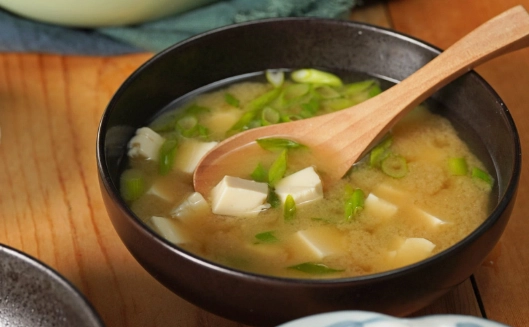
Your Miso Soup Questions, Answered
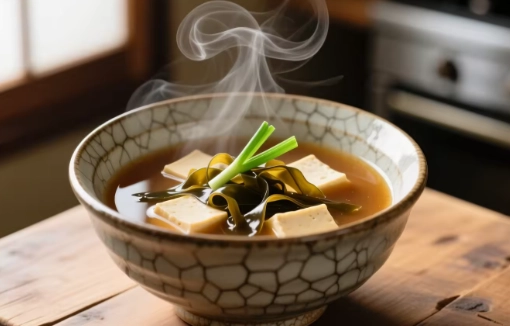
The journey from that salty sushi-side soup to a bowl you're proud to serve is shorter than you think. It hinges on respecting three simple components and one non-negotiable rule: be gentle with the miso. Start with a good dashi, play with miso blends, and pay attention to texture. Before long, you'll find yourself craving the ritual of making it—the quiet steeping of kombu, the savory smell of katsuobushi, the smooth dissolving of the miso paste. It's more than preparation; it's a small, daily meditation that results in something truly nourishing.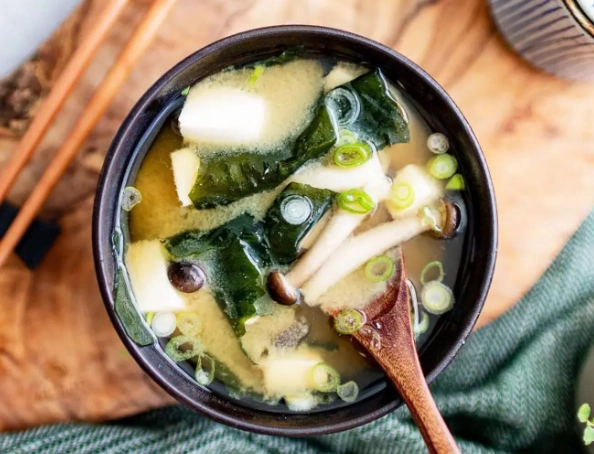
Reader Comments